
Hybrid Inverter Specs & Compliance: Yeyanghong 6–15 kW Series
The global solar hybrid inverter market reached USD 10.7 billion in 2024, with on-grid hybrid models accounting for 59% of revenue. As buyers move from awareness into evaluation, understanding exact specifications, safety certifications, and performance parameters becomes critical.
The Evaluation Challenge: Standards, Parameters, and Compatibility
Procurement teams and system integrators at the Research → Evaluation stage face a dense landscape of claims. For a hybrid inverter — a device that manages solar PV, battery storage, and grid interaction — the key differentiators lie in measurable facts: input/output voltage ranges, protection ratings, frequency compatibility, and compliance with international safety norms. Without verified specifications, cost and performance risks multiply.
Yeyanghong Energy's Hybrid Inverter: A Specification-Focused Solution
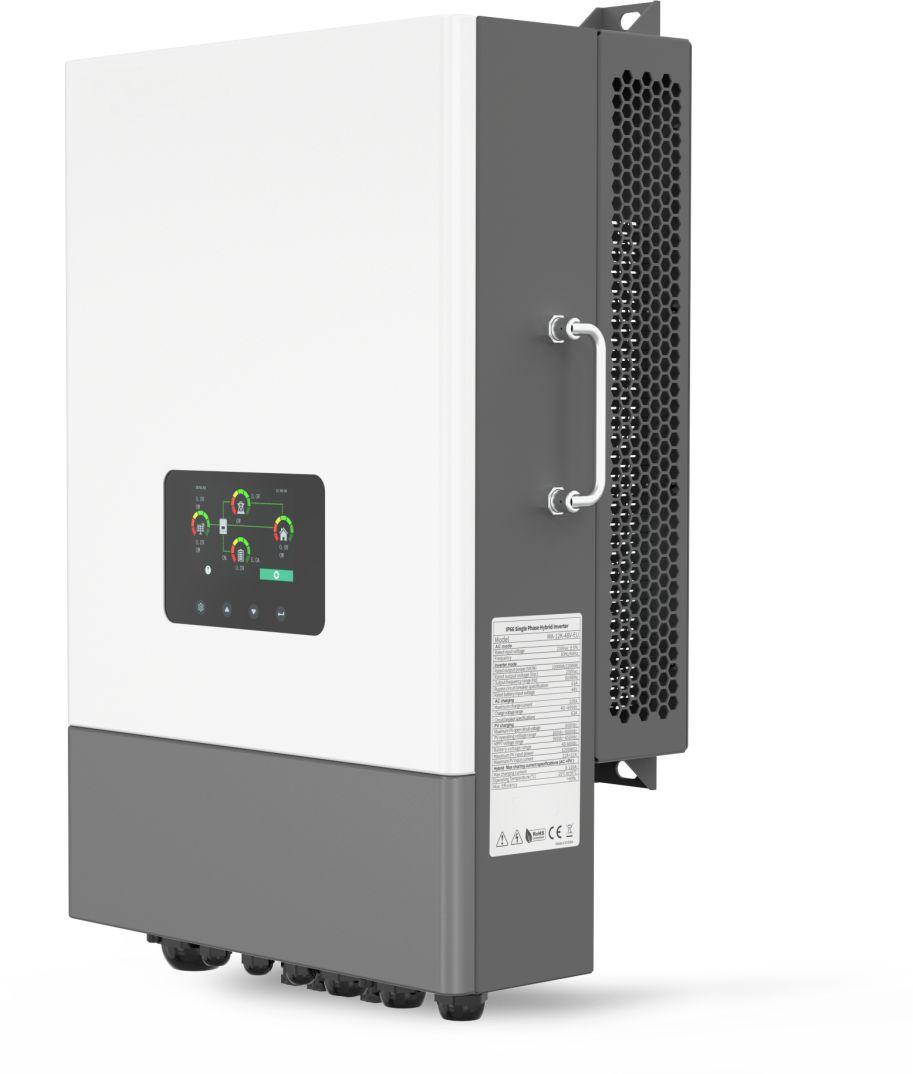
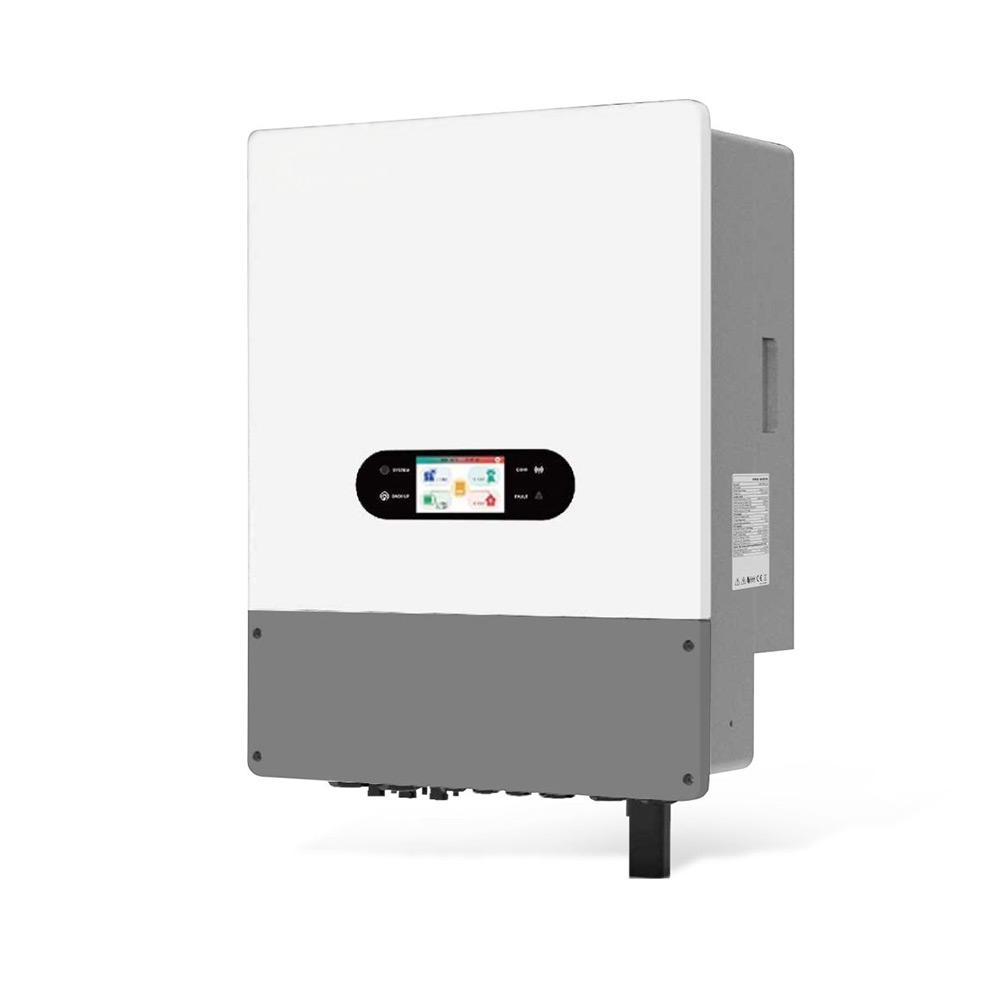
Guangdong Yeyanghong Energy Technology Co., Ltd. is a high-tech enterprise integrating R&D, manufacturing, sales, and service, headquartered in Foshan, China. Its hybrid inverter series covers power ratings of 6 KW, 10 KW, 12 KW, and 15 KW, with input voltage options of 12 V, 24 V, or 48 V. The output voltage is configurable to EU standard 220–230 V or US standard 110–120 V, while rated grid frequency supports both 50 Hz and 60 Hz. The housing is made of aluminium alloy, and the protection degree ranges from IP21 to IP67, offering flexibility for indoor, outdoor, and harsh-environment installations.
Technical Architecture and Operation Modes
The inverter automatically switches between solar charging, battery discharging, and grid complementary power supply, operating 24/7 without manual intervention. For a full energy storage system, Yeyanghong Energy pairs the hybrid inverter with LiFePO4-based battery storage units. For example, the Wall Mounted & Floor Standing Battery Energy Storage 5 KWh offers a cycle life of 6000 cycles at 90% DOD at 25°C, with warranty period of 5 years. The battery system also supports IP ratings from IP21 to IP67, ensuring compatibility with the inverter in multi-climate deployments.
Application Scenarios: From Villas to Critical Facilities
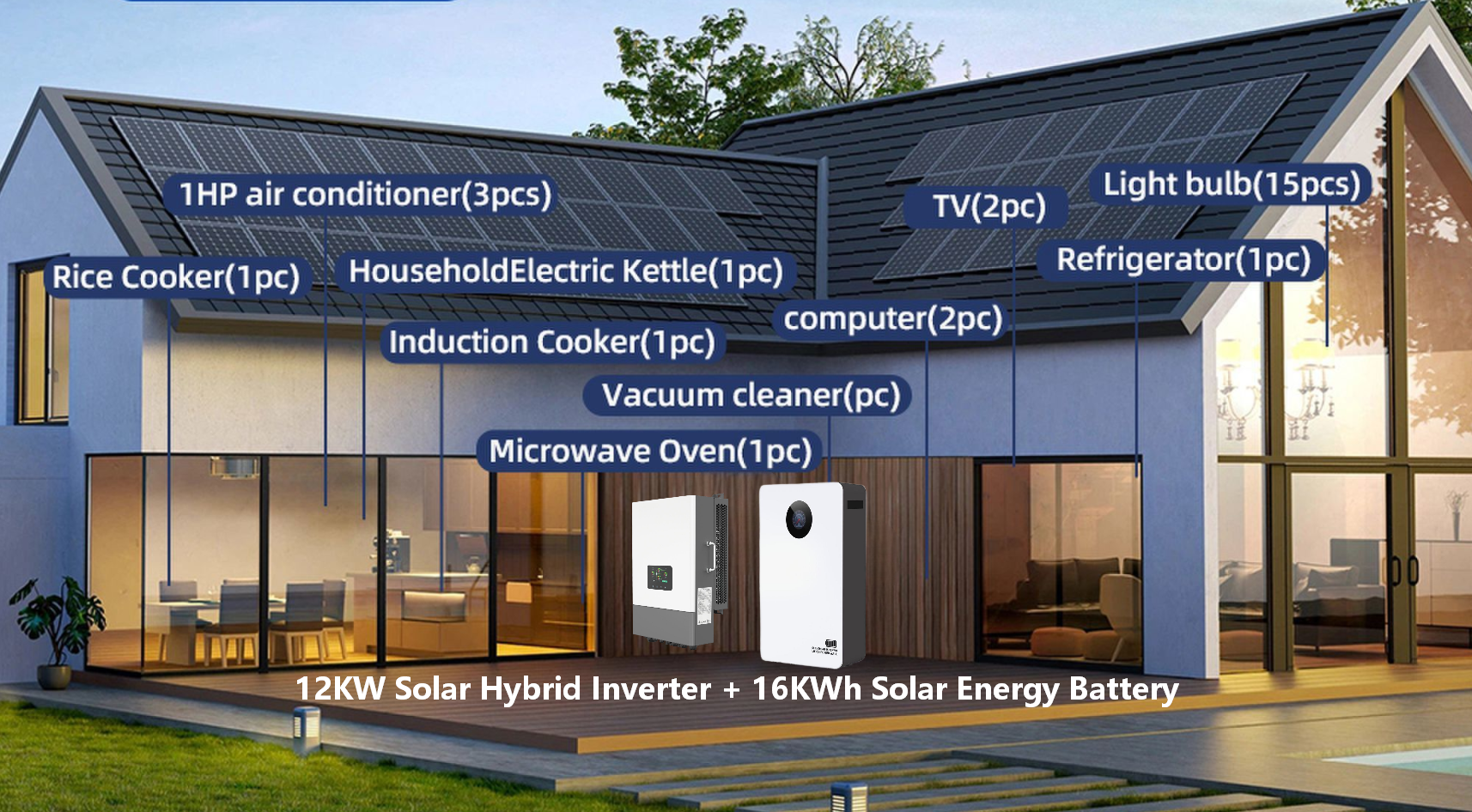
The hybrid inverter and battery combination is designed for use in Photovoltaic New Energy, Power Grid, Wind Power, Telecommunications & IDC Data Centers, Industrial Manufacturing, New Energy Transportation, Military & Remote Off-grid Scenarios, as well as Household & Outdoor Consumer, Construction, Real Estate, Hospitals, Schools, and Agriculture sectors. Typical projects include villa rooftop solar PV systems, hospital backup power, and emergency refuge areas. A common configuration is a 12 KW hybrid inverter paired with a 16 KWh battery energy storage system, enabling significant electricity bill reduction by storing solar energy during the day and supplying loads at night. The equipment is built for outdoor rooftop installation, withstanding wide climate spans including temperate, tropical, and subtropical conditions, as well as high humidity, thunderstorms, dust, and coastal salt fog erosion.
Market Trends and Competitive Context
In 2024, China shipped over 330 GW of inverters, solidifying its role as the global manufacturing hub. The top two players — Huawei and Sungrow — held 55% of global shipments, while Growatt ranked as the No. 1 residential supplier and a Top 3 hybrid inverter supplier. For mid-tier OEM/ODM manufacturers like Yeyanghong Energy, differentiation comes from parameter flexibility, compliance readiness, and modular system design. The company offers OEM/ODM/SKD production modes, with customization options for WIFI, battery, 4G/5G, IP rating, and power. Monthly capacity exceeds 100,000 sets, with lead times of 30–45 days and a minimum order quantity of 2 pieces. Quality control includes 100% testing before shipment.
Comparing Hybrid vs. Traditional Inverter Approaches
Traditional on-grid inverters lack battery management, while off-grid units cannot feed into the grid. A hybrid inverter integrates both functions, reducing system complexity and component count. However, one honest limitation is that hybrid systems typically have a higher upfront cost compared to a standalone on-grid inverter, and proper sizing of the battery bank requires thorough energy auditing. For buyers with stable grid access and low backup needs, a pure on-grid solution may be more economical. Yet for those seeking energy independence, time-of-use optimization, or resilience, the hybrid approach offers a balanced path forward.
Future Outlook: Standardization and Scalability
As regulatory frameworks evolve, compliance with IEC 62109-1/-2 for Europe and UL 1741 (Supplement SB) for North America becomes non-negotiable. Manufacturers that embed these standards into their design and testing processes — as Yeyanghong Energy does through its 15-engineer R&D team and provincial engineering centers — will gain trust in export markets. The trend toward higher IP ratings (IP65/66/67) for outdoor residential and commercial installations also points to a growing demand for weather-resistant, long-life hybrid inverters.
Frequently Asked Questions
- What safety standards apply to hybrid inverters for European and North American markets?
- For the European market, hybrid inverters must comply with IEC 62109-1 (general safety) and IEC 62109-2 (specific inverter safety) for CE marking. In North America, UL 1741 including Supplement SB is the mandatory safety standard for grid connection.
- What IP protection ratings are available on Yeyanghong Energy's hybrid inverters?
- The hybrid inverter series supports IP21, IP55, IP65, IP66, and IP67 ratings, allowing indoor, outdoor, and harsh-environment installation.
- What is the battery chemistry and warranty for the matching energy storage system?
- The compatible Wall Mounted & Floor Standing Battery Energy Storage uses LiFePO4 battery technology and is constructed from aluminium alloy. It offers a cycle life of 6000 cycles at 90% DOD at 25°C and comes with a 5-year warranty.
- Can the hybrid inverter operate with both EU and US grid standards?
- Yes, the inverter can be configured for EU standard 220–230 V output at 50 Hz, or US standard 110–120 V at 60 Hz, covering the two major grid systems.
- What is the minimum order quantity and lead time for OEM orders?
- The MOQ is 2 pieces, with lead times of 30–45 days. Monthly production capacity exceeds 100,000 sets.
For comprehensive technical specifications and system configuration details, refer to the official product brochure: Download Yeyanghong Energy Brochure (PDF).
Have Questions or Need More Details?
Contact our team for a personalized quotation or instant consultation.
Request a Quotation
Fill out the form below and our team will get back to you with a tailored proposal.
WhatsApp Direct Chat
Prefer to chat in real-time? Message us on WhatsApp for instant assistance & quick answers.
- Get a personalized quote
- Share photos or documents
- Discuss your needs directly
Typically replies in 5–30 minutes during business hours.