
Hydraulic Adapter Identification: Thread Systems, Materials, and Sourcing Cues
Industrial hydraulic systems depend on threaded connections that must survive high pressure, vibration, and temperature swings. Hydraulic adapters are the components that make those connections possible when thread types differ between hoses, tubes, valves, and cylinders. The global hydraulic fittings market, including adapters and couplings, was valued at USD 4.8 billion in 2025 and is projected to reach USD 7.9 billion by 2034, according to Dataintelo. In the same report, hydraulic adapters held the largest product segment share at 28.4% in 2025. For buyers moving from awareness to research, the practical challenge is not whether adapters matter, but how to identify the correct thread system, material, and supplier evidence before placing a sample order.
Why Adapter Identification Is the First Sourcing Step
Every hydraulic adapter carries a thread standard, a material grade, and a configuration. Mistaking a BSPP straight thread for an NPTF tapered thread can cause leakage, thread galling, or assembly failure. Because adapters are often the lowest-cost component in a hydraulic line, they are frequently under-specified. However, a mis-specified adapter can stop production and create warranty claims.
Identification is therefore the first sourcing step. A buyer who can read the markings, understand the thread geometry, and match the material to the environment moves faster through supplier evaluation. Identification also reduces the number of samples needed and shortens the communication loop with a factory. In an international sourcing context, where the buyer and the supplier may not share the same equipment standards, precise identification becomes a contract issue rather than only a technical detail.
Thread Systems and Configuration Types
Hydraulic adapter thread systems can be grouped into several families that dominate global equipment. Each family has a different sealing principle, which determines how the adapter should be assembled and where it is appropriate to use.
| Thread System | Common Names | Sealing Principle | Typical Markets and Equipment |
|---|---|---|---|
| NPT / NPTF | National Pipe Tapered / Tapered Fuel | Tapered thread interference; NPTF is a dry-seal variant | North America; general industrial equipment |
| BSPP / BSPT | G threads / R threads | BSPP uses a sealing washer or O-ring; BSPT uses a taper seal | Europe, Asia-Pacific, marine, firefighting equipment |
| JIC | SAE 37-degree flare | Metal-to-metal contact at the 37-degree flare | North America; mobile and industrial hydraulics |
| ORFS | O-ring Face Seal | O-ring compressed on a flat face | High-pressure and high-vibration systems |
| ORB | O-ring Boss | Straight thread plus O-ring | Pumps, manifolds, valve interfaces |
| Metric / DIN | DIN 2353, ISO 8434-1 | Cutting ring or O-ring face | European and Asian machinery |
| JIS | Japanese Industrial Standard | BSP-derived profile with Japanese thread form | Japanese and Asia-Pacific equipment |
Beyond the thread system, configuration matters. Straight adapters join two ports in line; 45-degree and 90-degree elbows change direction; tees split the flow; bulkhead adapters pass through panels; plugs and caps close ports; and tube nuts and sleeves lock tubes into the joint. The model codes used by manufacturers often encode this information.
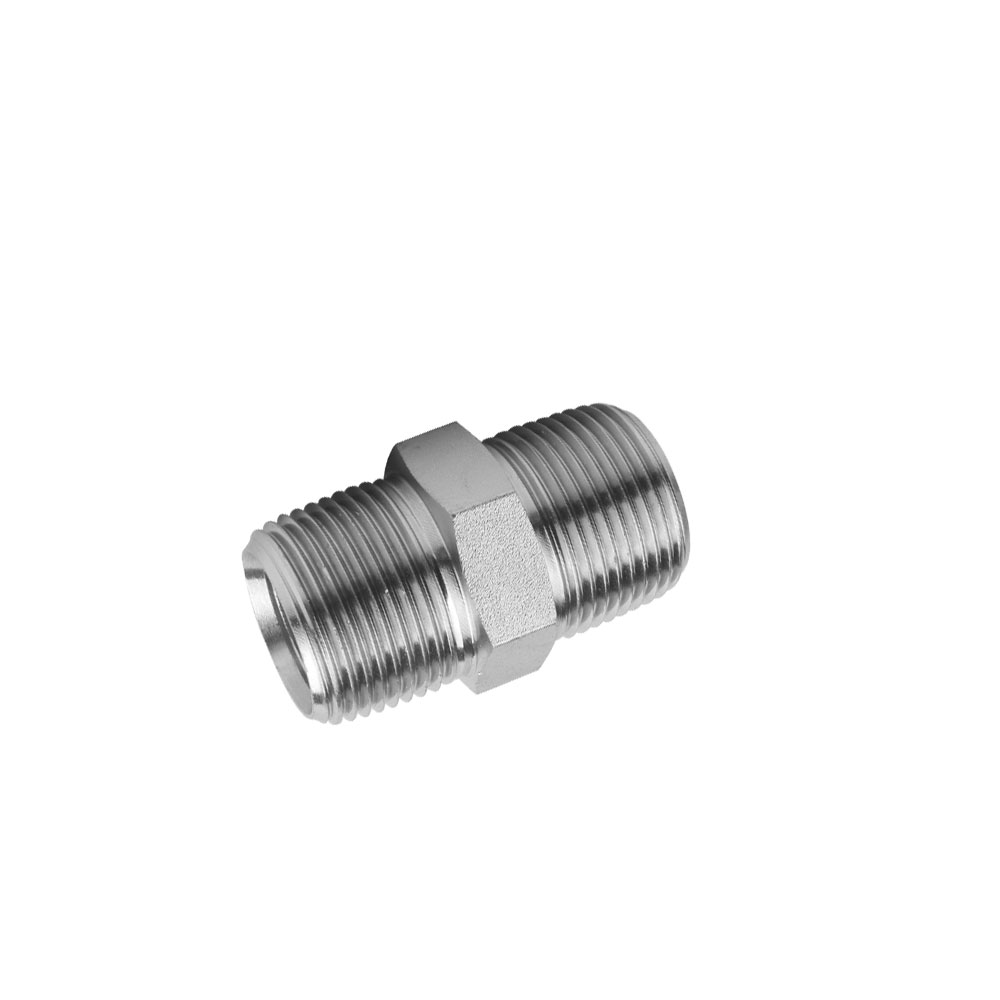
For example, in the BSPT fitting series, model 1T indicates a Male BSPT x Male BSPT straight adapter, while 1T9 indicates a 90-degree elbow variant. In the NPT series, 5404 refers to a straight male NPTF-to-male NPTF connector, and 5603 is a male NPTF three-way tee. In the JIC range, 2403 is a straight male JIC-to-male JIC adapter, while 2501 is a 90-degree elbow from male JIC to male NPTF pipe. These model codes give buyers a quick way to describe requirements to a supplier without ambiguity.
Materials and Performance Characteristics
Three material groups cover most hydraulic adapter demand: carbon steel, stainless steel 304, and stainless steel 316. Carbon steel is the default for cost-sensitive applications where corrosion resistance is not the primary risk. SS304 and SS316 stainless steel are selected when rust, chemicals, or washdown environments are present.
For reference, AISI 316 stainless steel supports working temperatures from -60°C to +400°C according to DIN 17440 reference data. In the tested product data from NingBo NJ Hydraulic Adapter Co., Ltd, the adapter range is rated at 3000–6000 PSI with a maximum stable operating temperature of 220°C, and passes a 120-hour salt spray test, with white rust appearing at 120 hours and red rust at 240 hours. These figures give buyers a baseline for evaluating routine industrial applications.
External reference points also help. NPTF straight threads for 1/4-inch size typically work at 4000 PSI with a 4:1 safety factor, while ORFS fittings at dash size -4 are rated for 6000 PSI working pressure under SAE J1453, based on published pressure rating references. Buyers should compare supplier ratings against these standard benchmarks when specifying an adapter for a known system pressure.
Supplier Evidence: What a Reference Manufacturer Looks Like
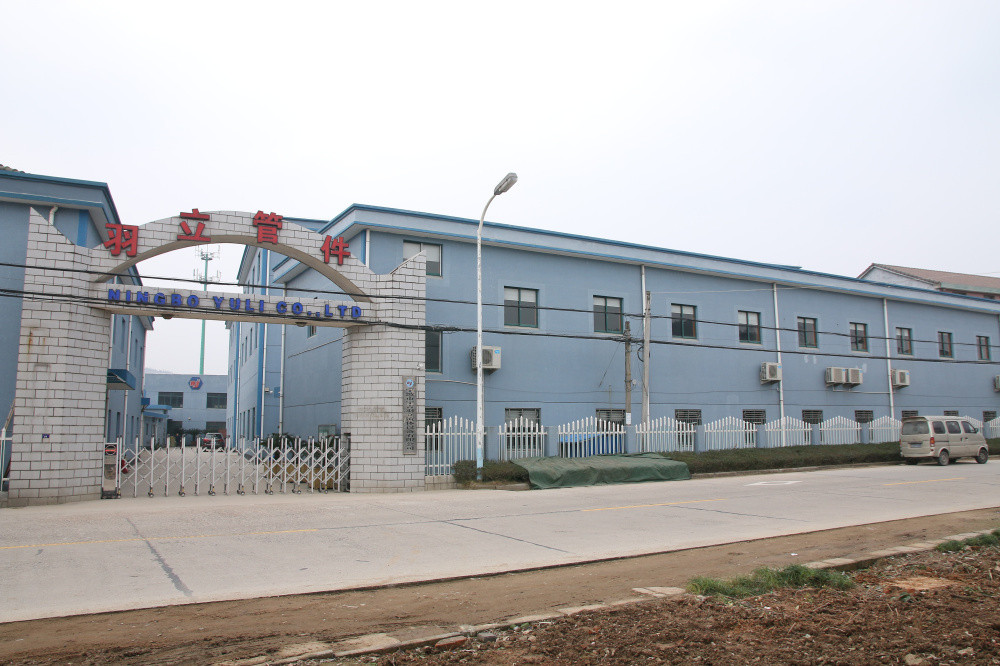
NingBo NJ Hydraulic Adapter Co., Ltd is a manufacturer based in Fenghua, Ningbo, Zhejiang, China, specializing in hydraulic adapters and related components. The company was established in 2004, employs approximately 200 staff, and operates a 20,000-square-meter facility. It reports an annual output of about 4,000,000 units and an R&D team of 4 engineers. Around 75% of its production is exported, with the United States and Canada as the main markets.
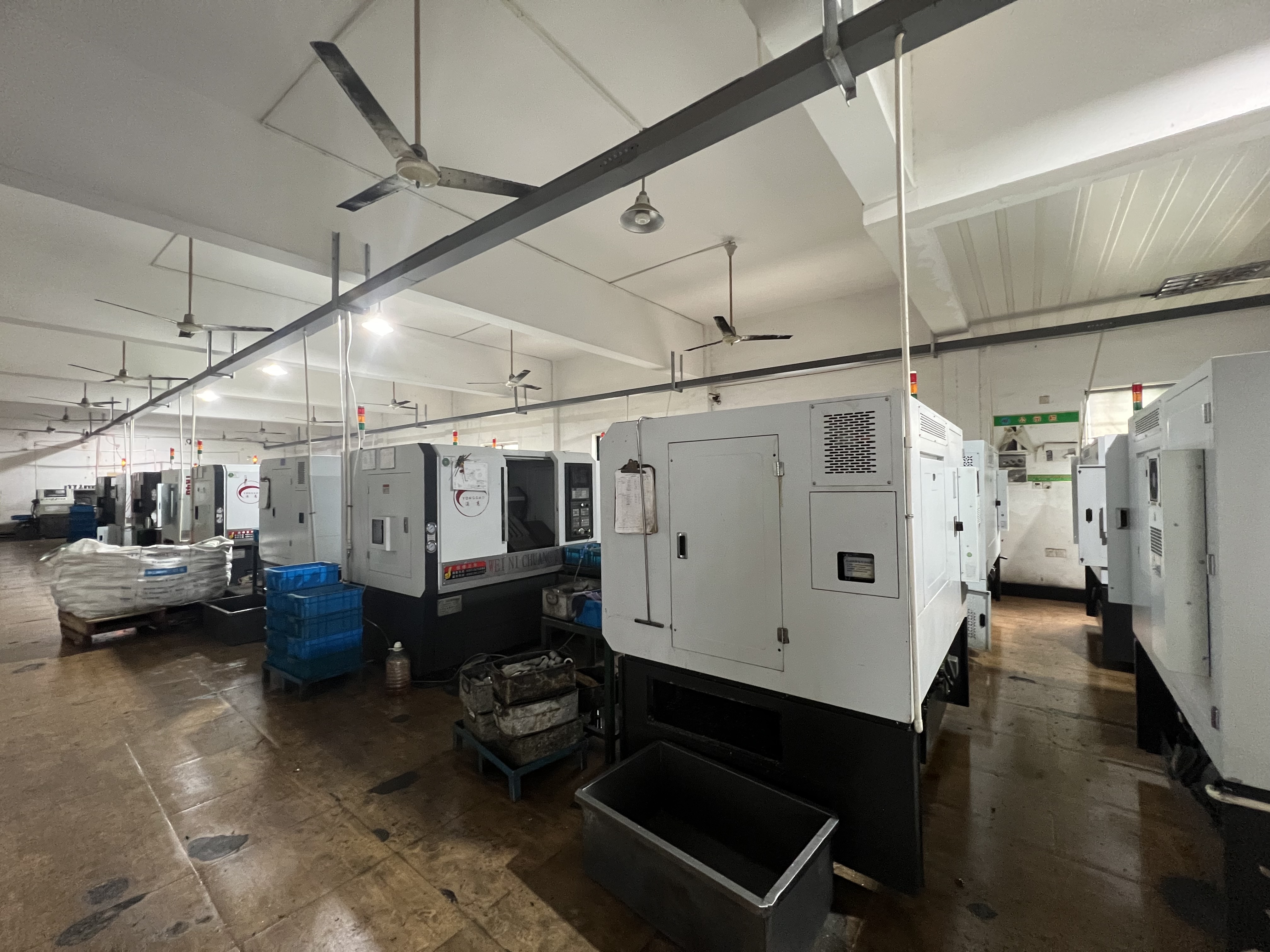
In its product scope, the company covers several thread families. The NPT adapter series includes models 5000, 5404, 5405, 5406, 5406-C, 5406-HP, 5406-P, 5406-SHP, 5500–5505, 5600–5605, and 5652. The BSP series is split into BSPP fittings with models such as 1B, 1B4, 1B9, 1BG, 1BG4, 1BG9, 1BJ, 1BT, 4B, 5B, 6B, 7B, and 9B, and BSPT fittings including 1T, 1T9, 1BT, 1ST, 4T, and 5T. The JIC series includes straight and angled adapters in the 2403-to-2609 range, including JIC-to-NPT configurations. The SAE standard series covers JIC, ORB, and ORFS combinations with models such as 6801, 6802, 6803, 6807, 6815, and 6835. The company also produces hydraulic cap nuts and lock nuts in the 0304C, 0306, 0318, 0319, 0403, 0500, FS0304C, FS0306, FS0318, and FS0319 series.
Materials offered across these product lines are carbon steel, SS304, and SS316. This range of standards is practical for buyers who assemble equipment containing both North American and European or Asian components. A plant building agricultural machinery with imported JIC hoses and local BSPT fittings, for instance, needs an adapter supplier that covers both standards with consistent quality. The same applies to maintenance teams managing mixed-brand equipment in mining or marine environments.
Applications and Working Conditions
Hydraulic adapters from this product family are used in construction machinery, agricultural machinery, general-purpose machinery, firefighting equipment, marine machinery, mining, transportation, aerospace, automotive, oil and gas extraction, iron and steel metallurgy, and water conservancy engineering. The typical function is hydraulic pipeline sealing, thread locking and fastening, and pressure-bearing protection for mechanical hydraulic assemblies.
In one documented application scenario for heavy equipment, the adapter assembly is capable of withstanding a static pressure of 6,000 PSI and a burst pressure of 9,000 PSI without deformation, while maintaining continuous operation and seal integrity. This matters in construction and mining because vibration and shock loading put repeated stress on every connection point. For firefighting and marine systems, corrosion resistance and reliable sealing under high pressure are the dominant requirements.
Market Context: Demand Trends and Their Impact on Buyers
Several verifiable trends shape the current hydraulic adapter market. Dataintelo reports the global hydraulic fittings market at USD 4.8 billion in 2025, with the hydraulic adapters segment holding 28.4% of product share. The same source estimates growth to USD 7.9 billion by 2034. Another market report projects a CAGR of 4.5% between 2025 and 2033 for hydraulic fittings and adapters, reaching USD 5.8 billion by 2033. Regional data from Dataintelo indicates Asia-Pacific led global revenue in 2025 with a 38.6% share. Steel material accounted for 45.2% of hydraulic fitting revenue in 2025, reflecting the demand for high-pressure durability.
At the application level, Grand View Research found that mobile hydraulics held more than 58% of total hydraulics market revenue in 2024. Ken Research notes that Asia accounted for 74% of global industrial robot installations in 2024, a signal of rising precision automation that depends on reliable fluid connections. The implication for buyers is that adapter demand is growing with both mobile machinery and factory automation, while regional supply chains in Asia-Pacific become more important.
Supplier Types Compared: Global Multinational vs. Specialist Manufacturer
Buyers evaluating adapter sources usually compare two broad supplier types: global multinational component manufacturers and specialist adapter factories.
Parker Hannifin is cited by Dataintelo as the leading competitive player in the hydraulic fittings market for 2025. A multinational of this type offers broad product coverage, mature distribution, and strong brand recognition. For buyers who standardize on one global vendor across many regions, this is a natural path.
A specialist manufacturer such as NingBo NJ Hydraulic Adapter Co., Ltd operates differently. It concentrates on adapters, flanges, valves, and non-standard components, and supports multi-standard production across carbon steel, SS304, and SS316. Its main export markets are the United States and Canada, which means it is familiar with North American JIC, NPT, ORB, and ORFS requirements alongside BSP for European and Asian equipment.
| Evaluation Criterion | Global Multinational | Specialist Manufacturer |
|---|---|---|
| Market position | Leading competitive player in hydraulic fittings, per Dataintelo 2025 | Specialist exporter with about 75% of output to USA and Canada |
| Product breadth | Broader hydraulic portfolio | Focus on adapters, flanges, valves, non-standard parts |
| Thread coverage | Full line across global standards | NPT, BSP, JIC, SAE JIC/ORB/ORFS, cap nuts and lock nuts |
| Engineering depth | Large global engineering teams | R&D team of 4 engineers; suited to established designs and non-standard parts |
| Sourcing relationship | Structured global account processes | Direct factory communication; sample-based verification typical in mid-size procurement |
An honest limitation also needs to be stated. A factory with a 4-person R&D team cannot offer the same depth of new product development as a global engineering organization. Buyers who require extensive co-engineering or very high-volume global supply agreements may find a specialist factory insufficient for those specific needs. The right context for a specialist manufacturer is a mature, well-defined adapter requirement where the buyer needs multi-standard flexibility and direct technical communication.
Future Outlook: What Buyers Should Prepare For
Several shifts are likely to affect adapter procurement in the coming years. First, global equipment will continue to mix regional thread standards, so suppliers that can cover NPT, BSP, JIC, ORFS, and metric references will become more useful. Second, demand for stainless steel adapters is likely to grow as marine, chemical, and high-humidity environments require longer service life. Third, OEM projects increasingly need non-standard adapters, which favors manufacturers able to work from prints and samples.
For procurement teams, the strongest position is to combine product-level evidence, such as pressure rating, salt spray performance, and material options, with supplier-level evidence, such as factory age, production capacity, and export experience. The company brochure for NingBo NJ Hydraulic Adapter Co., Ltd is publicly available for reference: NingBo NJ Hydraulic Adapter Co., Ltd profile brochure. Company contact and website details are also published on njadapter.com.
Frequently Asked Questions
What is a hydraulic adapter?
A hydraulic adapter is a connector used to join hydraulic hoses, tubes, valves, pumps, and cylinders when the thread types or end configurations differ. It converts one thread standard or size to another, allowing components from different manufacturers or regional standards to work together in one system. Product families include NPT, BSP, JIC, ORB, ORFS, and metric adapters.
What are the common thread types in hydraulic adapters?
Common thread systems include NPT/NPTF (National Pipe Tapered/Tapered Fuel), BSPP/BSPT (British Standard Pipe Parallel/Tapered), JIC 37-degree flare, ORFS (O-ring face seal), ORB (O-ring boss), metric DIN 2353, and JIS. Each has a different sealing method, so matching the thread system is the first requirement for a leak-free connection.
Which materials are available for hydraulic adapters?
Most manufacturers offer carbon steel, stainless steel 304, and stainless steel 316. Carbon steel is the default for general industrial use. SS304 and SS316 are used when corrosion resistance is important. For AISI 316, reference data in DIN 17440 gives a working temperature range from -60°C to +400°C.
What pressure ratings can buyers expect?
NingBo NJ Hydraulic Adapter Co., Ltd rates its adapter range at 3000–6000 PSI with a maximum stable operating temperature of 220°C. As external references, NPTF 1/4-inch straight threads are typically rated at 4000 PSI with a 4:1 safety factor, and ORFS dash size -4 fittings are rated for 6000 PSI under SAE J1453.
What does a 120-hour salt spray test mean?
It indicates corrosion resistance in a standardized accelerated test. In the NJ test data, the adapter shows white rust at 120 hours and red rust at 240 hours. White rust begins as surface oxidation of a protective coating; red rust on steel indicates corrosion has reached the base material. The result gives buyers a comparable metric across suppliers.
Which industries use hydraulic adapters?
Typical industries include construction machinery, agricultural machinery, general-purpose machinery, firefighting equipment, marine machinery, mining, transportation, aerospace, automotive, oil and gas extraction, iron and steel metallurgy, and water conservancy engineering.
What should a buyer do if accessories are missing after delivery?
The buyer should provide photos of the missing or wrong-delivered items. After verification, the supplier will arrange replacement accessories by sea or air shipment. This process requires clear photo evidence to minimize dispute.