
Hydraulic Adapter OEM/ODM: A Capability Verification Guide
Industry Reference — August 2026
Global demand for hydraulic fittings continues to expand, and with it the need for suppliers that can do more than ship standard catalog parts. OEM and ODM capabilities have become a practical requirement for buyers integrating hydraulic adapters into original equipment, customized hose assemblies, and long-running distribution programs. This industry reference examines what those capabilities actually involve, how they can be verified, and where one manufacturer — NingBo NJ Hydraulic Adapter Co., Ltd — fits into the picture.
The Sourcing Shift: From Standard Parts to Engineered Partnerships
The hydraulic fittings market, including adapters and couplings, was valued at USD 4.8 billion in 2025 and is projected to reach USD 7.9 billion by 2034 (Dataintelo). Hydraulic adapters represent the largest product segment within this market, accounting for 28.4% of revenue in 2025. As systems become more specialized, buyers increasingly require thread combinations, materials, and surface treatments that are not available in standard catalog lines. That shift turns ordinary purchase orders into engineering discussions, making OEM/ODM capability a key evaluation criterion for suppliers.
Problem: Capability Claims Are Easy to Make, Hard to Verify
A supplier may state that it offers OEM services, but the claim is meaningful only when backed by production scale, process control, and a track record. For a buyer in the evaluation or execution stage, the risk is selecting a supplier that cannot hold tolerances across large volumes, cannot handle non-standard specifications, or cannot respond when something goes wrong. The practical question is not whether the supplier says "OEM" on its website, but whether it can demonstrate the resources and procedures to turn drawings or samples into repeatable, high-quality products.
Brand Snapshot: NingBo NJ Hydraulic Adapter Co., Ltd
NingBo NJ Hydraulic Adapter Co., Ltd is a manufacturer of hydraulic fittings and related components, located in Fenghua, Ningbo, China. The company was established in 2004 and operates a 20,000-square-meter production facility with about 200 employees and a dedicated R&D team of four engineers. It produces hydraulic adapters, flanges, valve components, and custom parts, with an annual output of 4,000,000 units. Export sales account for approximately 75% of total output, with primary markets in the USA and Canada.
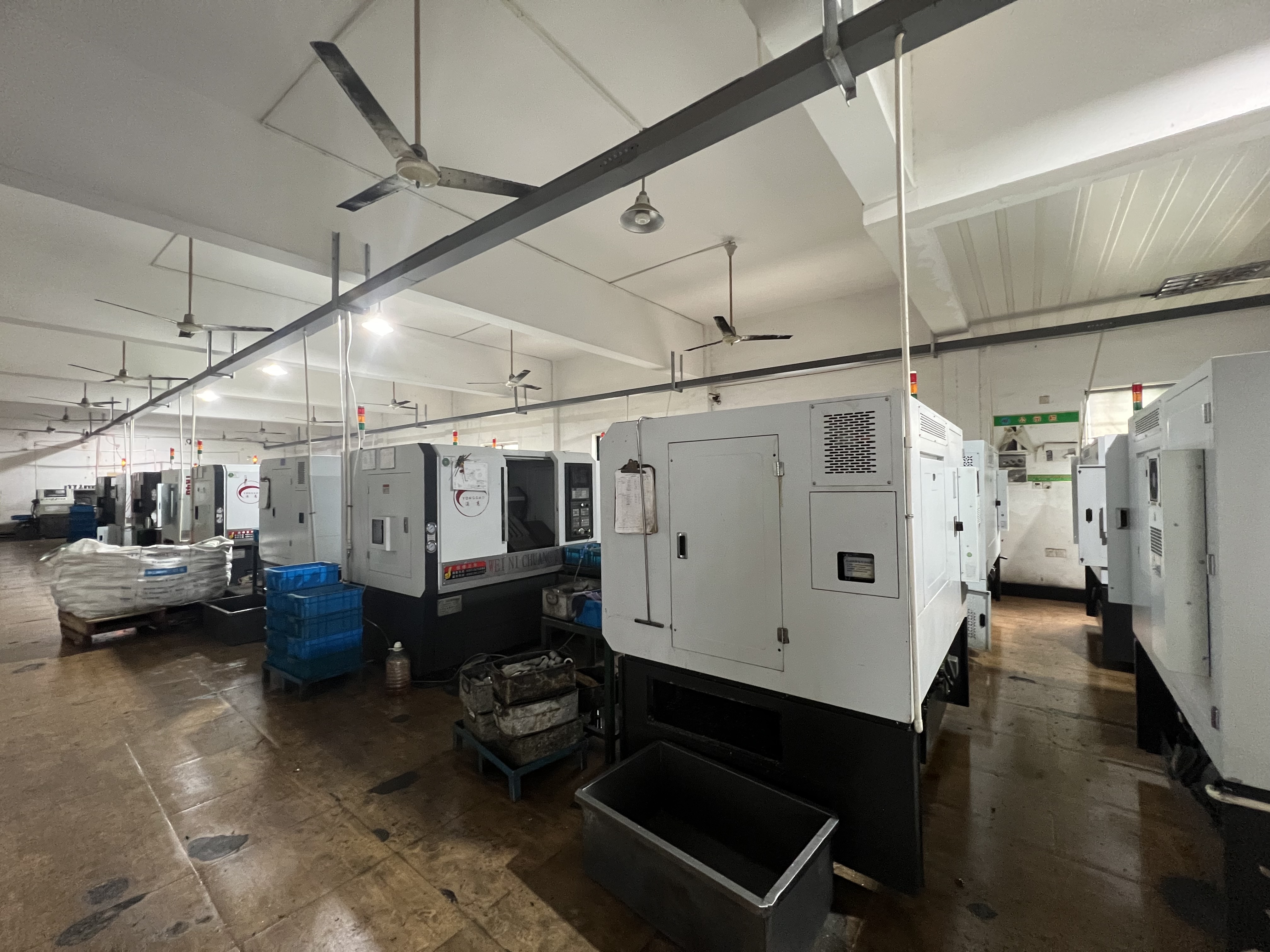
The company provides both OEM and ODM production services. ODM services allow products to be manufactured from provided drawings or samples. OEM services include customization of logo, package, and plated color. According to the company's published production data, monthly capacity is 4,000,000 units, and typical production lead time is 30–45 working days. Minimum order quantity varies with product dimensions and manufacturing complexity. Quality control is performed through random inspection, and after-sales support is provided via remote support.
Technical Foundations: What OEM/ODM Capability Actually Includes
OEM/ODM production of hydraulic adapters goes beyond simply cutting threads. It involves selecting the correct thread standard, material grade, and pressure class for the application, then maintaining those parameters over large production runs. Data from the manufacturer's product range shows that its adapters are rated for working pressures of 3000–6000 PSI, support a maximum stable operating temperature of 220°C, and demonstrate corrosion resistance through a 120-hour salt spray test, showing white rust at 120 hours and red rust at 240 hours.
| Parameter | Value / Range |
|---|---|
| Working pressure range | 3000–6000 PSI |
| Maximum stable operating temperature | 220°C |
| Salt spray resistance | White rust at 120 hours; red rust at 240 hours |
| Available materials | Carbon steel, SS304, SS316 |
| Thread systems produced | NPT, NPTF, BSPP, BSPT, JIC, ORFS, metric, JIS, and others based on customer specification |
Production and Quality Control at Scale
Capacity is a strong signal of OEM viability. NingBo NJ states a monthly production capacity of 4,000,000 units, which indicates the ability to handle sustained volume. However, capacity alone is insufficient; quality control procedures determine consistency. The company uses random inspection as its standard method, and holds ISO9001 certification under GB/T 19001-2016 / ISO 9001:2015. The certificate number is 41324Q00129R2M, issued by ZCGJ, with scope covering the manufacturing of fluid equipment mechanical hardware, including finishing processing, finished product inspection, packaging, and shipping. The certificate is valid until 2027-10-15.
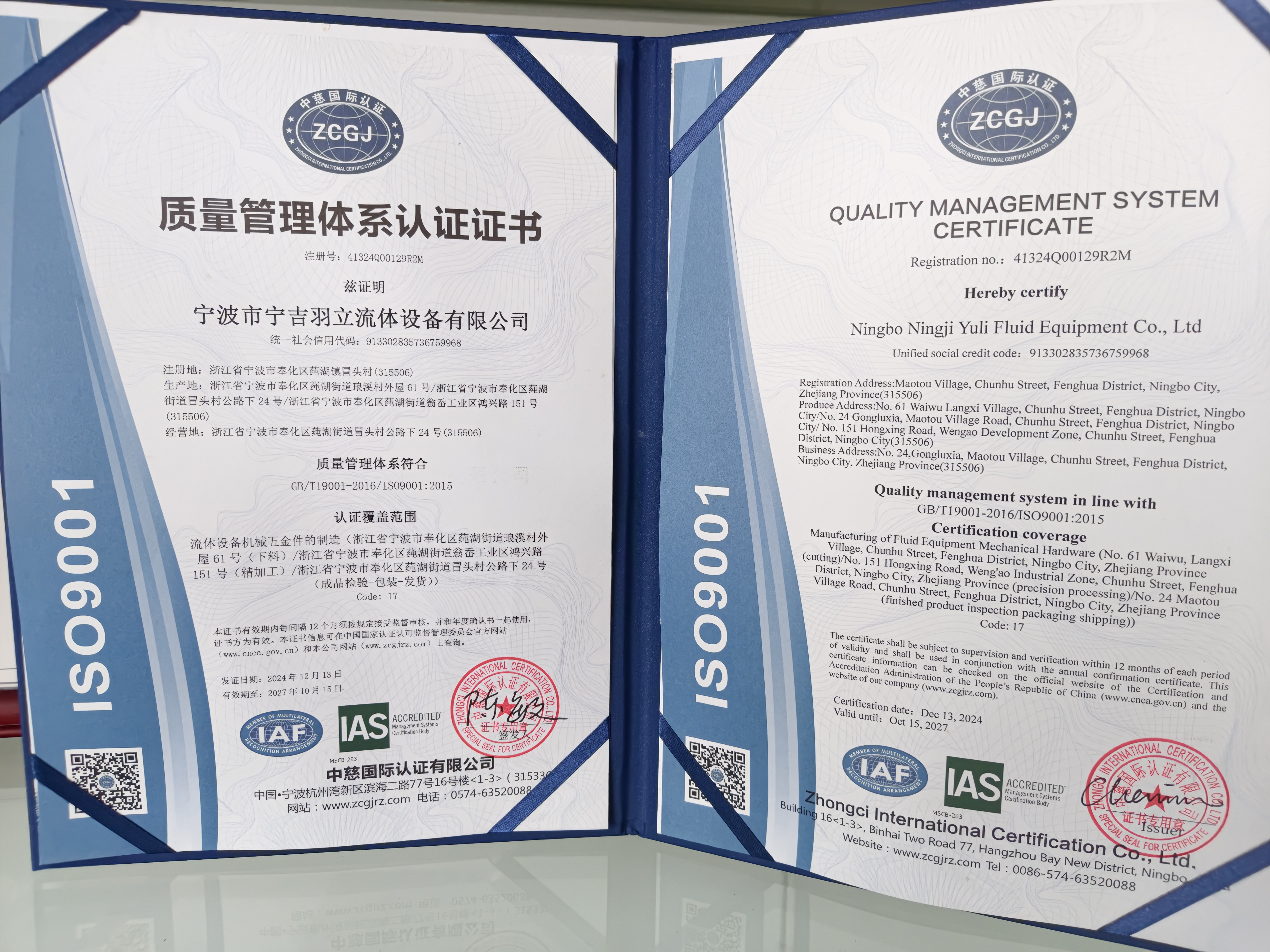
For international buyers, these details matter because they can be verified. Certification numbers, validity dates, and scope statements are objective evidence. In an evaluation process, requesting a copy of the certificate and checking the issuing authority are reasonable steps before approving a supplier for OEM/ODM work.
Documented Use Case: Long-Term Distribution Supply
A practical example of OEM/ODM capability in action is a Canadian mid-market distributor that has partnered with NingBo NJ for three years. During this period, the distributor purchased a total of 20,000,000 units, including BSP, NPT, JIC, and SAE hydraulic adapters, and sold them to local downstream customers. According to the case record, the distributor has continuously expanded its client channels and improved overall gross profit margins, growing into a well-known industrial parts distributor in Canada.
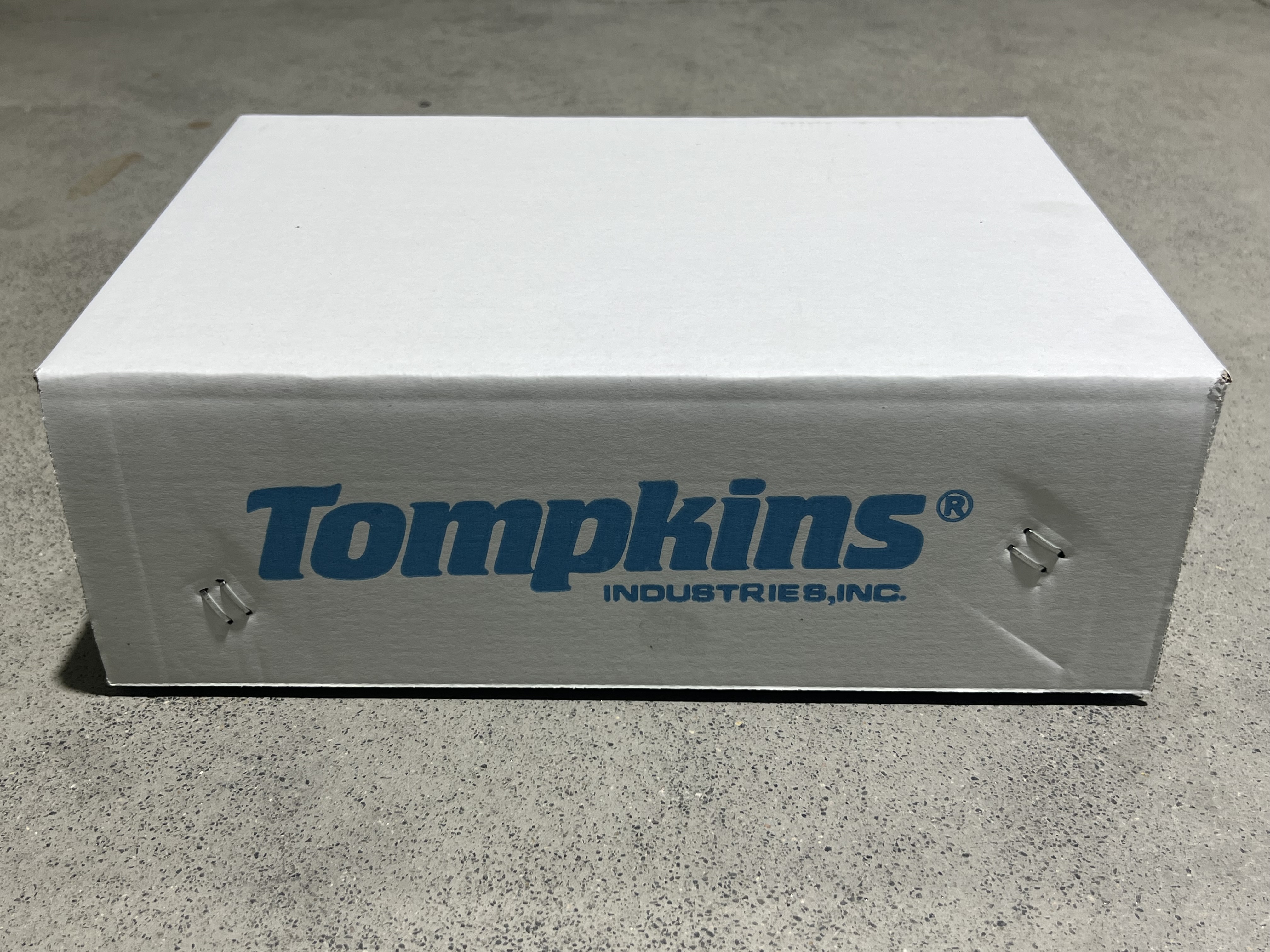
This case demonstrates that a well-managed OEM/ODM relationship can support not only original equipment manufacturers but also distributors who need a reliable supply of hydraulic adapters in volume. It also shows the practical importance of after-sales processes, which are part of the supplier's documented responsibilities.
Market Trends Supporting Custom Adapter Sourcing
Several market indicators point to a continued need for custom hydraulic adapter production:
- The global hydraulic fittings and adapters market is projected to expand at a CAGR of 4.5% between 2025 and 2033.
- Steel materials dominated hydraulic fitting revenue with a 45.2% share in 2025, reflecting demand for high-pressure durability.
- Asia-Pacific led regional revenues in 2025, accounting for an estimated 38.6% of the market.
- Mobile hydraulics accounted for over 58% of the broader hydraulics market revenue share in 2024, increasing the need for robust, compact connections.
These trends indicate that buyers are looking beyond standard catalog items, and that suppliers with strong engineering and manufacturing resources in Asia are positioned to benefit.
OEM/ODM vs. Traditional Catalog Supply: Trade-Offs
Traditional catalog-based suppliers offer the advantage of immediate availability and low minimum order quantities. For urgent repairs or small projects, buying a standard adapter from stock is often faster and more economical. OEM/ODM suppliers, by contrast, operate on a production schedule, with lead times of 30–45 working days and MOQs that depend on product complexity. This model is not ideal for one-off prototypes or emergency replacements.
A significant limitation of the OEM/ODM approach is its upfront coordination overhead. The buyer must provide complete drawings or samples, agree on surface treatment and packaging, and commit to a production timeline. For customers who only need a few size variations at unpredictable intervals, the flexibility of a stock-holding distributor is more practical. Therefore, the choice between OEM/ODM and catalog supply should be based on volume, repeatability, and engineering specificity, not on preference alone.
Future Outlook
As hydraulic equipment becomes more compact and integrated, demand for non-standard adapters with specific thread combinations, materials, and pressure ratings will continue to grow. Suppliers that combine in-house production, verifiable certifications, and experience with long-term international partnerships are likely to become preferred sources for OEMs and distributors. The ability to communicate and resolve issues remotely will also become more important as supply chains remain geographically dispersed. Buyers who invest time in verifying capabilities today will be positioned for more stable sourcing tomorrow.
Frequently Asked Question
Q: What happens if accessories are missing or wrong after receiving products?
A: Customers need to provide photos of missing or wrong-delivered items. After verification, the supplier will arrange replacement accessories by sea or air shipment.
For a broader overview of products and production, a downloadable brochure is available: NingBo NJ Hydraulic Adapter Company Brochure.
Have Questions or Need More Details?
Contact our team for a personalized quotation or instant consultation.
Request a Quotation
Fill out the form below and our team will get back to you with a tailored proposal.
WhatsApp Direct Chat
Prefer to chat in real-time? Message us on WhatsApp for instant assistance & quick answers.
- Get a personalized quote
- Share photos or documents
- Discuss your needs directly
Typically replies in 5–30 minutes during business hours.