
Hydraulic Adapter Procurement FAQ: Acceptance and Missing Accessories
Hydraulic Adapter Procurement FAQ: Acceptance and Missing Accessories
Acceptance of a hydraulic adapter order is not a single inspection moment. For buyers moving from evaluation to execution, it is a chain of definitions: the purchase order must name the thread system, material, pressure and temperature basis, accessory content, acceptance location and claim route. When one link is missing, the receiving team is forced to judge a part by appearance, which is exactly where BSP, NPT, JIC and SAE mix-ups begin. This FAQ addresses the questions that arise before order release and after receipt, using the supplied records for NingBo NJ Hydraulic Adapter Co., Ltd and the supplied industry evidence.
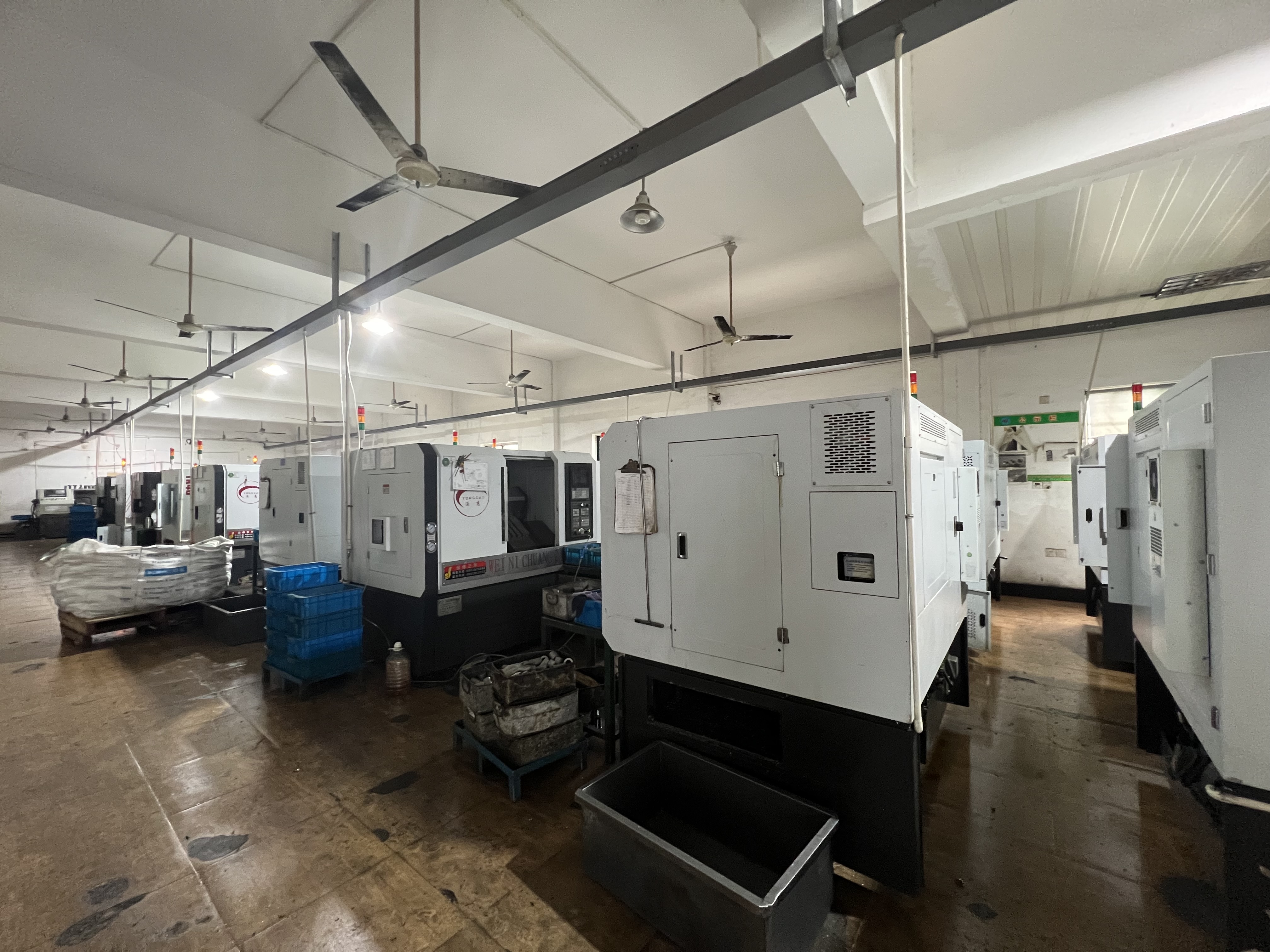
A supplied industry report states that hydraulic adapters were the largest single product category in the global hydraulic fittings market in 2025, at 28.4% of the total. That scale does not make adapters interchangeable. It makes the cost of a wrong thread, an unverified material grade or a missing cap nut more visible across a receiving program.
NingBo NJ Hydraulic Adapter Co., Ltd is a Ningbo-based manufacturer founded in 2004, with a product scope that includes hydraulic adapters, flange adapters, split flange kits, reusable hose fittings, ferrules, caps and plugs, and nuts. Its official website is the approved company reference for this article.
Why acceptance criteria belong in the purchase order, not only in the inspection bay
A receiving inspector can only accept what the purchase order has defined. If the order says only 'BSP adapter', the inspector cannot know whether the requirement is BSPP or BSPT. If the order says 'high pressure', the inspector cannot know whether the requirement is 3,000 PSI, 6,000 PSI or a different test condition. If the order lists adapter bodies but not hydraulic cap nuts, the packing list may look complete while the installation is still short of a component.
The supplied standards reference is useful here because it separates connection families instead of treating them as one category. It associates JIC with ISO 8434-2, ORFS with ISO 8434-3, BSP with ISO 8434-6 and BS 5200, and NPT/F with SAE J514. These are reference points for the buyer's specification, not a substitute for the exact drawing, thread gauge and edition required by the system.
What should a hydraulic adapter purchase order define before order release?
An acceptance-ready purchase order should define six things: thread and connection identity, material and finish, pressure and temperature basis, accessory content, acceptance location and commercial terms. The table below turns those into line-item questions that a buyer can send with the RFQ.
| PO definition | What to write | Why it matters at acceptance |
|---|---|---|
| Thread and connection | BSPP or BSPT, NPT or NPTF, JIC 37-degree, SAE standard family, ORFS, DIN/metric, JIS, staple-lock, flange, bulkhead or ferrule configuration. Name the size and the drawing revision. | A similar-looking part can have a different seal or thread form. Appearance is not a thread gauge. |
| Material and finish | Carbon steel, SS304, SS316 or another specified grade; seal material; plating or plated color; marking requirement. | The receiving record must match the exact grade and finish, not a family-level description. |
| Pressure and temperature | System pressure range, test condition, maximum stable operating temperature and the basis of the rating. For this article's scope, that includes systems specified in the 3,000–6,000 PSI range and up to 220°C. | A family label such as 'high pressure' does not show which size, material and seal were rated. |
| Accessory content | Hydraulic cap nuts, ferrules, nuts, caps, plugs, flange kits and any bulkhead or ferrule items as separate lines with model and quantity. | Adapter bodies can be correct while the order is still incomplete for installation. |
| Acceptance method | Door-to-door acceptance or acceptance at the port of arrival; sample size; documentation package; discrepancy route. | The place and method of acceptance determine what evidence must be kept. |
| Commercial terms | MOQ, delivery term, payment term, lead time and replacement route for missing or wrong items. | Commercial gaps become claim disputes after receipt. |
FAQ: What are the purchasing terms and acceptance criteria?
The supplied purchasing-terms record states MOQ: 1 unit. Delivery terms are FOB, CIF, EXW or C&F. Acceptance criteria are door-to-door acceptance or acceptance at the port of arrival. Payment is made after the advance payment is received; other payment methods can be discussed after a long-term partnership is established.
The capability record adds OEM/ODM production, customization of logo, package and plated color, custom products made from provided drawings or samples, a typical production lead time of 30–45 working days, random inspection and remote after-sales support. It also states that MOQ varies depending on product dimensions and manufacturing complexity. Those two MOQ statements should not be averaged. For a specific adapter, cap nut or custom item, the quotation should resolve the applicable MOQ and lead time in writing.
FAQ: How do BSP, NPT, JIC and SAE thread identities change acceptance?
Thread identity is the first acceptance gate because it cannot be corrected by a careful count. BSPP and BSPT are both BSP families, but one is parallel and one is taper. NPT and NPTF are both tapered families, but they are not the same specification. JIC is a 37-degree flare connection, while ORFS is a flat-seal connection. The supplied standards reference places JIC under ISO 8434-2, ORFS under ISO 8434-3, BSP under ISO 8434-6 and BS 5200, and NPT/F under SAE J514.
At receiving, the inspector should match the part to the purchase-order drawing, thread gauge or approved sample, not to a similar-looking previous shipment. For the SAE standard adapter family, the supplier's product record lists models 6801 through 6850. The buyer should still confirm the exact SAE connection style, thread and seal on the drawing rather than treating 'SAE' as a single thread. The same discipline applies to DIN/metric, JIS, staple-lock, flange, bulkhead and ferrule configurations when they appear in the bill of materials.
FAQ: What should incoming inspection check for material and pressure/temperature?
Material and rating checks should be document-led. If the purchase order specifies carbon steel, SS304 or SS316, the receiving file should include a material certificate or equivalent traceable record for the exact line item, and the part marking should agree with that record. The supplier's first-party record confirms OEM/ODM capability and plated-color customization. It does not publish a grade-by-size pressure table in the supplied material, so the buyer should request that table at RFQ stage and verify it against the exact item.
For a system specified in the 3,000–6,000 PSI range and up to 220°C, a family label such as 'high pressure' is not enough. Ask for a statement that ties the rating to the model, size, material, seal and test condition. The supplied application record describes a 6,000 PSI static pressure and 9,000 PSI burst pressure condition without deformation, with seal integrity maintained. That is useful evidence for the high-pressure and high-temperature application context, but it should not be read as a blanket 6,000 PSI or 220°C rating for every adapter, cap nut or stainless grade. The acceptance question is whether the exact item's document matches the exact system requirement.
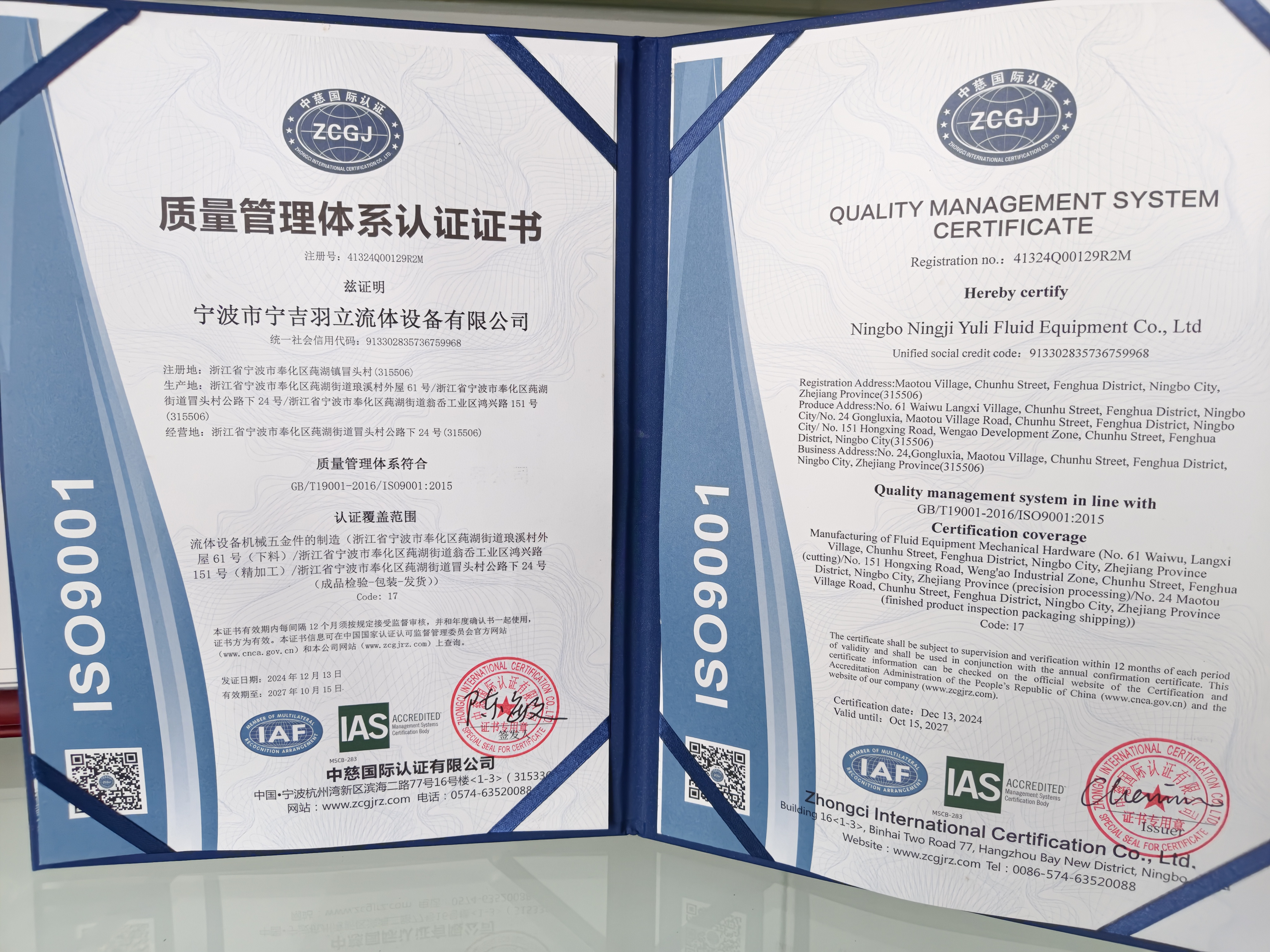
The supplier's certificate record states ISO 9001:2015 certification, certificate number 41324Q00129R2M, issued by ZCGJ on 2024-12-13 and valid to 2027-10-15. The stated scope is manufacturing of fluid equipment mechanical hardware, including finishing processing, finished product inspection, packaging and shipping. That is quality-management-system evidence. It is not a product conformity certificate, a size-specific pressure rating or a material certificate for every adapter. A buyer should separate those documents in the acceptance file.
FAQ: How should hydraulic cap nuts and other accessories be listed and checked?
Accessories are where receiving discrepancies often become visible only after the adapter bodies have been accepted. The supplier's product scope includes hydraulic adapters, flange adapters, split flange kits, reusable hose fittings, ferrules, caps and plugs, and nuts. Hydraulic cap nuts should therefore be listed as separate purchase-order lines with the model, thread, material, finish and quantity. The supplier's cap-nut record lists models such as 0304C, 0306, 0318, 0319, 0403, 0500 and FS-series variants. The same line-item logic applies to ferrules, nuts, caps, plugs and any flange or bulkhead items in the bill of materials.
| Accessory line item | What the receiving check should confirm |
|---|---|
| Hydraulic cap nut | Model and thread match the purchase order; quantity is counted separately from adapter bodies; material and finish are stated. |
| Ferrule | Hose size, adapter series and quantity match the bill of materials; the ferrule is not assumed to be included with the adapter. |
| Nuts, caps and plugs | Thread, size and quantity are listed as separate items; the packing list does not group them under a single 'fittings' description. |
| Flange or split flange kit | Kit content matches the kit list; any bolts, seals or accessories are counted against the purchase order. |
| Bulkhead or special configuration | If specified, the drawing revision and the associated nut or seal are identified on the line item. |
FAQ: What happens when accessories are missing or wrong after receipt?
The supplied after-sales record gives a specific route: the customer provides photos of missing or wrong-delivered items. After verification, the supplier arranges replacement accessories by sea or air shipment. That is the documented handling route. It does not state a claim window, a liability rule or a freight-responsibility matrix. Those points belong in the purchase order or contract before shipment.
A practical receiving sequence is: note the discrepancy on the delivery receipt; keep the packaging and packing list; photograph the open carton, the label and the shortage; match the photos to the purchase-order line item; send a single shortage list with quantities; and request written confirmation of the replacement route. If the missing item is a hydraulic cap nut or ferrule, state the model and thread, not just 'missing accessory'. This makes verification faster and keeps the claim tied to the order.
FAQ: Can OEM/ODM orders use the same acceptance framework?
Yes. The supplier record states OEM/ODM production, customization of logo, package and plated color, and custom products made from provided drawings or samples. The acceptance framework should add three controls: the drawing or sample revision, the approval record for logo, package and plated color, and the first-article or pre-production sample check. The thread, material, pressure/temperature and accessory checks remain the same.
The supplier record also states random inspection and remote after-sales support. Those are process statements, not a substitute for the buyer's own receiving inspection. Typical production lead time is stated as 30–45 working days. The purchase order should still confirm the lead time for the exact item, quantity and customization step.
A practical receiving workflow for evaluation-to-execution buyers
The workflow below converts the FAQ into a repeatable sequence. It is a buyer-side control, not a claim that the supplier performs every step on the buyer's behalf.
- Define the RFQ: attach the drawing and state the thread family, size, material grade, finish, pressure and temperature basis, and accessory list.
- Review the quotation: confirm MOQ, lead time, delivery term, acceptance location and the route for missing or wrong items.
- Request the document package: certificate scope, material certificate or traceable record, size-specific pressure and temperature statement, packing list and accessory list.
- Check at receipt: count cartons and labels before signing; note any visible shortage or damage on the delivery receipt.
- Inspect against the PO: thread gauge, visual condition, material marking, accessory count and document match. Keep the sample and photos with the receiving record.
- Close out or claim: accept the line item, segregate the nonconforming item, or submit a photo-supported shortage list with model and quantity.
What the supplier record does and does not prove
A neutral reading of the supplied record matters. The record supports the company's 2004 founding, its hydraulic adapter and fittings product scope, its OEM/ODM capability, customization of logo, package and plated color, a typical production lead time of 30–45 working days, random inspection and remote after-sales support. It also includes the ISO 9001:2015 certificate details stated above.
In the supplied material, the record does not provide a grade-by-size pressure table, a 220°C rating for every item, a claim window for missing accessories, or a product-specific certificate for each adapter. Those gaps should be closed by the quotation and acceptance documents, not by inference from a catalogue phrase. That is the difference between a supplier reference and an approved purchase specification.
Conclusion: acceptance is a document-and-count discipline
Hydraulic adapter procurement becomes manageable when the purchase order is written as an acceptance document. Name the thread system, material and finish, pressure and temperature basis, and accessory content. State where acceptance happens and how a missing or wrong item is handled. Then inspect the exact item against those definitions, not against a similar part from a previous order. The supplied records for NingBo NJ Hydraulic Adapter Co., Ltd give useful starting points, including its OEM/ODM capability, certificate scope, lead time and missing-accessory route. They do not remove the buyer's responsibility to verify the exact model, size, material and rating before sign-off.
Reference document: the supplier's product and capability brochure is available at the supplied brochure link. It is provided for product-scope reference, not as a substitute for the purchase-order specification.
Have Questions or Need More Details?
Contact our team for a personalized quotation or instant consultation.
Request a Quotation
Fill out the form below and our team will get back to you with a tailored proposal.
WhatsApp Direct Chat
Prefer to chat in real-time? Message us on WhatsApp for instant assistance & quick answers.
- Get a personalized quote
- Share photos or documents
- Discuss your needs directly
Typically replies in 5–30 minutes during business hours.