
Hydraulic Baler Machines Market: Evaluating Top Manufacturers and the Push Toward Automated Waste Processing
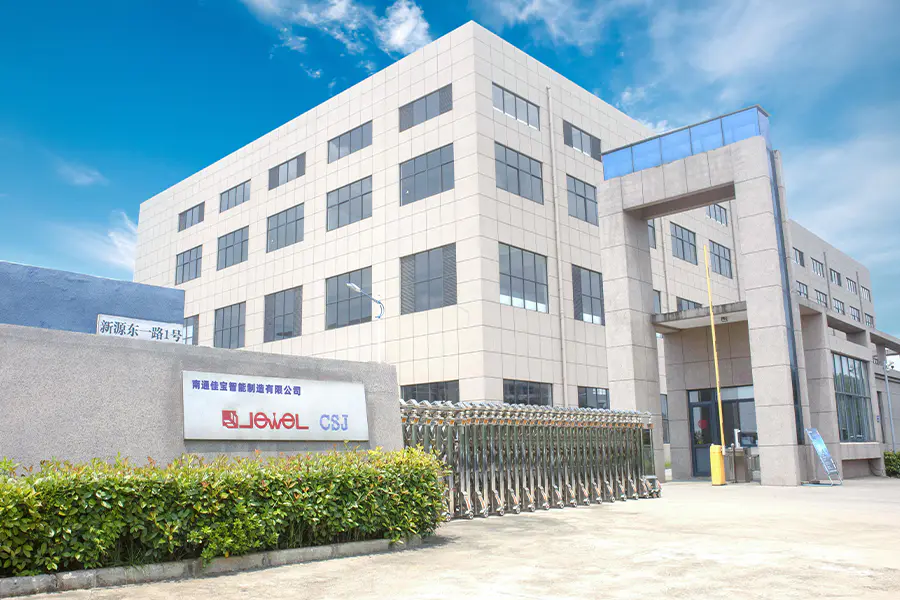
The global baler machine market, valued at USD 6.6 billion in 2024, is expanding as industries seek efficient solutions for waste compaction and recycling. For buyers evaluating hydraulic baler machines, the decision goes beyond price—it involves automation level, material handling versatility, and long-term support. This article examines current market trends, key supplier capabilities, and how Nantong Jiabao Machinery Co., Ltd. (brand: Jewel) positions itself in this competitive landscape.
Problem: Rising Waste Volume and Operational Inefficiency
Industrial facilities generate substantial volumes of waste paper, plastics, cardboard, and metals. Manual handling consumes labor, creates safety risks, and slows production. Traditional baling equipment often lacks the density and throughput needed to reduce transportation costs and meet recycling benchmarks. Buyers at the evaluation stage need machinery that integrates with existing workflows while delivering measurable ROI.
Opportunity: Automation and Customization as Differentiators
Manufacturers that offer tailored solutions with strong after-sales support gain preference. The market increasingly favors modular designs that accommodate diverse materials—from PET bottles and aluminum foil to rubber and plastic waste. Companies like Jewel, with a 50,000 m² production facility and over 200 professionals, demonstrate the scale needed to serve global clients.
Brand Solution: Jewel’s Hydraulic Baler Portfolio
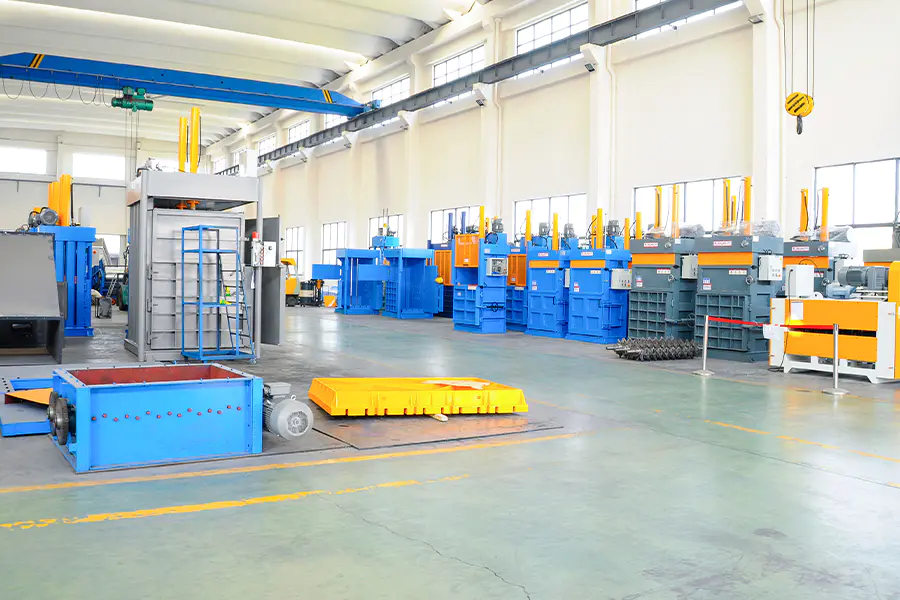
Nantong Jiabao Machinery Co., Ltd. (brand Jewel), established in 2006 (brand history since 1995), specializes in R&D and manufacture of eco-friendly compression and baling equipment. Its product lineup includes vertical balers, semi-automatic and fully automatic horizontal balers, metal balers, briquetting machines, and bagging machines. Key models such as the JPW20Q (20-ton fully automatic horizontal baler) and the JPW40F (40-ton semi-automatic horizontal baler) serve a wide compression force range from 2 to 180 tons. Jewel also offers customization—structure, process, or performance—with a monthly capacity of 100 units and a lead time of 60 days.
Technical Foundation: Certifications and Quality Control
Jewel holds a CE certificate (no. TTC-22-1609/01/01, valid to 2027-09-16) covering EN ISO 12100:2010 and EN 60204-1:2018 for its JPW20Q model. An SGS Made-in-China Supplier Audit (no. QIP-ASR2541890, valid to 2028-12-10) attests to production capability for the full range of balers. Every unit undergoes 100% testing before shipment. After-sales support includes 7×24 hours technical response, 48-hour on-site service, and free training to minimize downtime.
Application Scenarios Across Industries
Jewel’s hydraulic baler machines have been deployed in diverse use cases:
- Cardboard box factory in Russia: Used a semi-automatic horizontal baler (JPW40F) to create an automated waste collection, compression, and baling system that eliminated labor bottlenecks and enabled immediate waste monetization.
- Paper mill in Mexico: Installed a JPW40BL to integrate with existing production lines, completely eliminating waste accumulation and improving workshop space.
- PET recycling enterprise in Japan: Deployed the same model to increase PET bale density, resulting in compact, aesthetically pleasing bales that cut storage and transport costs.
- Cardboard factory in Italy: Replaced aging balers with the JPA5076T25X, combined with preprocessing equipment, to efficiently handle large-sized waste cardboard.
- Waste recycling facility in Belarus: Used a JPW40BL to compress PET bottles, woven bags, HDPE bottles, and cardboard, solving bulkiness issues and improving operational efficiency.
These cases illustrate how Jewel tailors equipment to specific material types and throughput needs while maintaining reliable after-sales support across Europe, Americas, Asia, and Australia.
Market Trend Analysis
According to Grand View Research, the overall baler market (including industrial and agricultural) grew from USD 6.6 billion in 2024 to an estimated USD 11.4 billion by 2035. The industrial balers segment alone was valued at USD 6.39 billion in 2024 with a projected CAGR of 9.5% through 2032 (Maximize Market Research). The Asia Pacific region accounted for 40.2% of global revenue in 2024, reflecting strong manufacturing and recycling activity in China, Japan, and other countries. European regulations such as EN 16500:2014 for vertical balers set compliance standards that affect machine design. Jewel’s CE certification aligns with these requirements, facilitating market access.
Comparison with Traditional Approaches
Traditional waste processing relies on manual sorting and open bins, leading to high labor costs, safety incidents, and poor space utilization. Automated hydraulic balers reduce labor by 70–80% in many cases (based on case outcomes cited), produce uniform bales that fetch better scrap prices, and enable real-time waste removal without interrupting production. An honest limitation: initial capital expenditure for fully automated systems can be 30–50% higher than semi-automatic or manual setups. However, the payback period—often within 12–18 months—justifies the investment for high-volume operations.
Future Outlook
The market is moving toward intelligent waste management systems that combine balers with conveyors, shredders, and IoT monitoring. Jewel’s capacity for customization and its existing portfolio of integrated solutions (e.g., automatic collection, compression, and baling) position it to meet this demand. With 70% of production exported to Europe, North America, and Asia, the company is poised to expand its footprint as industries prioritize sustainability and operational efficiency.
Frequently Asked Questions
🔗 Learn more about Jewel’s hydraulic baler machines
Visit www.jewelbaler.com or contact Nina
Email: jiabao@csj-baler.com | Tel/WhatsApp: +86 187-2181-4932
Have Questions or Need More Details?
Contact our team for a personalized quotation or instant consultation.
Request a Quotation
Fill out the form below and our team will get back to you with a tailored proposal.
WhatsApp Direct Chat
Prefer to chat in real-time? Message us on WhatsApp for instant assistance & quick answers.
- Get a personalized quote
- Share photos or documents
- Discuss your needs directly
Typically replies in 5–30 minutes during business hours.