
Hydraulic Cylinder Supplier Evaluation: A Practical Framework for OEM Buyers
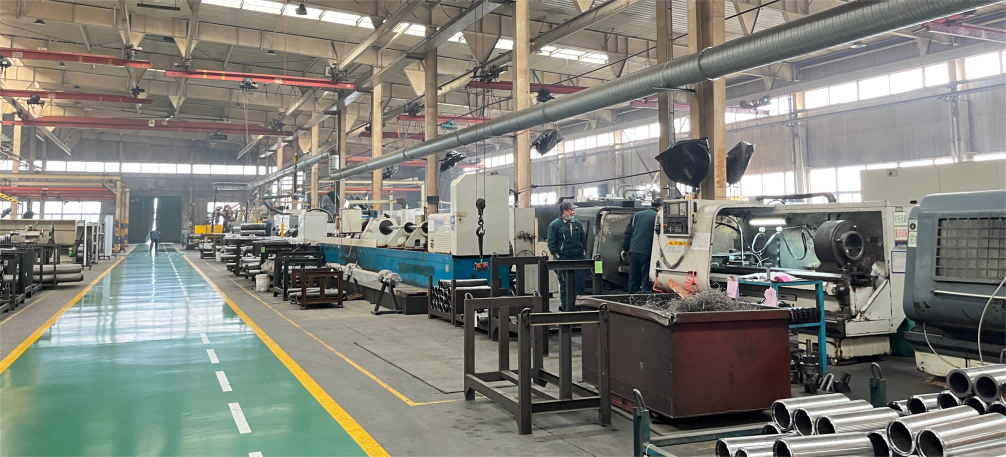
Industrial hydraulic cylinder production and component processing are central to evaluating a supplier’s process control and repeatability.
Hydraulic Cylinder Supplier Evaluation: A Practical Framework for OEM Buyers
Selecting a hydraulic cylinder supplier is not a simple catalogue decision once applications move beyond light-duty, standard-stroke requirements. A cylinder must combine bore size, rod diameter, stroke, mounting configuration, port style, seal materials, surface treatment, and duty cycle into a unit that will operate under repeated pressure loads in a specific machine environment. This article provides a supplier evaluation framework for OEM, fleet, and industrial equipment buyers, using Apex Hydraulic Co., Ltd. as a reference case.
Why hydraulic cylinder sourcing decisions are becoming engineering-led
Hydraulic cylinders operate in sanitation vehicles, dump trailers, dump trucks, roll-off trucks, agricultural machinery, construction equipment, mining machinery, marine equipment, material handling equipment, and other mobile hydraulic applications. In these environments, the cost of a poorly matched cylinder is rarely limited to the component itself. A cylinder that fails under load can cause equipment downtime, reduce fleet availability, and create rework across an OEM assembly program.
Evaluation therefore shifts from a simple product search toward a supplier question: can the manufacturer translate application requirements into the correct cylinder configuration, then repeat that configuration reliably across production? For procurement and engineering teams, the answer depends on documented design capability, manufacturing control, and test evidence—not on how many standard models are listed in a catalogue.
What Apex Hydraulic represents in the evaluation process
Apex Hydraulic Co., Ltd. is a Qingdao-based manufacturer established in 2009. The company produces custom hydraulic cylinders, standard hydraulic cylinders, hydraulic power units, hydraulic systems, hydraulic scissor hoist kits, and hydraulic components. Its manufacturing footprint covers a 50,000 m² facility, with 560 employees and an annual production capacity of 100,000 hydraulic cylinders and 15,000 power units.
The supplier profile is primarily OEM and ODM oriented. Apex Hydraulic provides design, engineering drawings, prototype development, testing, manufacturing, and quality inspection for equipment manufacturers, hydraulic distributors, and hydraulic solution providers. According to company information, 70% of output is exported to North America, Western Europe, South America, Southeast Asia, the Middle East, and Australia. This export orientation makes the company relevant to buyers who need cross-border supplier management rather than local-only fulfilment.
The in-house engineering group includes 25 engineers. That resource is relevant in evaluation because custom cylinder projects often require a supplier to review mounting geometry, stroke limits, pressure conditions, and seal compatibility before the first order is released.
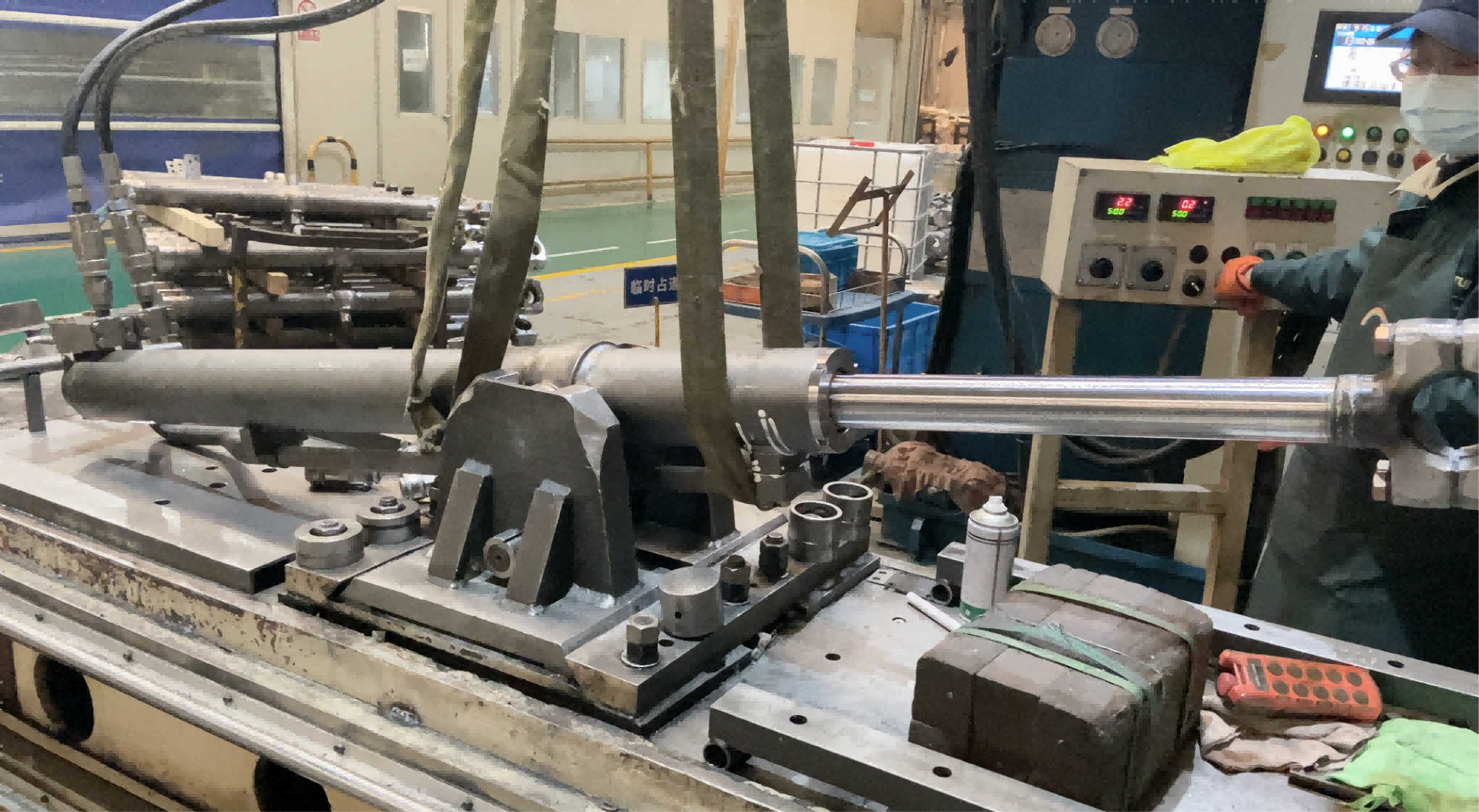
Pressure and leakage testing are part of the evidence base buyers should expect when evaluating heavy-duty hydraulic cylinder suppliers.
Technical criteria buyers should validate
For an OEM or fleet evaluation, the following technical dimensions should be confirmed before supplier selection moves to negotiation:
| Evaluation area | What to confirm |
|---|---|
| Cylinder type | Single acting, double acting, telescopic, multi stage, welded, tie rod, or hydraulic ram configuration matching the load and space envelope. |
| Pressure class | High pressure hydraulic cylinder suitability for maximum system pressure and pressure spikes. |
| Mounting and ports | Interface compatibility with the machine frame, pin eyes, trunnions, flanges, and hydraulic circuit. |
| Seal and fluid compatibility | Seal material and surface finish appropriate for the operating temperature, fluid type, and contamination level. |
| Material and surface treatment | Barrel and piston rod materials, machining quality, polishing, and corrosion protection for the intended environment. |
| Testing and inspection | Pressure and leakage testing, assembly checks, and documented quality inspection before shipment. |
For custom hydraulic cylinder programs, the evaluation should not end at a model number. A buyer needs to see how the supplier handles non-standard strokes, special mountings, high-duty cycles, and field-specific requirements. Some manufacturers, including Apex Hydraulic, support this through design work, engineering drawings, prototype development, testing, manufacturing, and quality inspection. That type of process control is more useful in evaluation than a large catalogue of unrelated standard items.
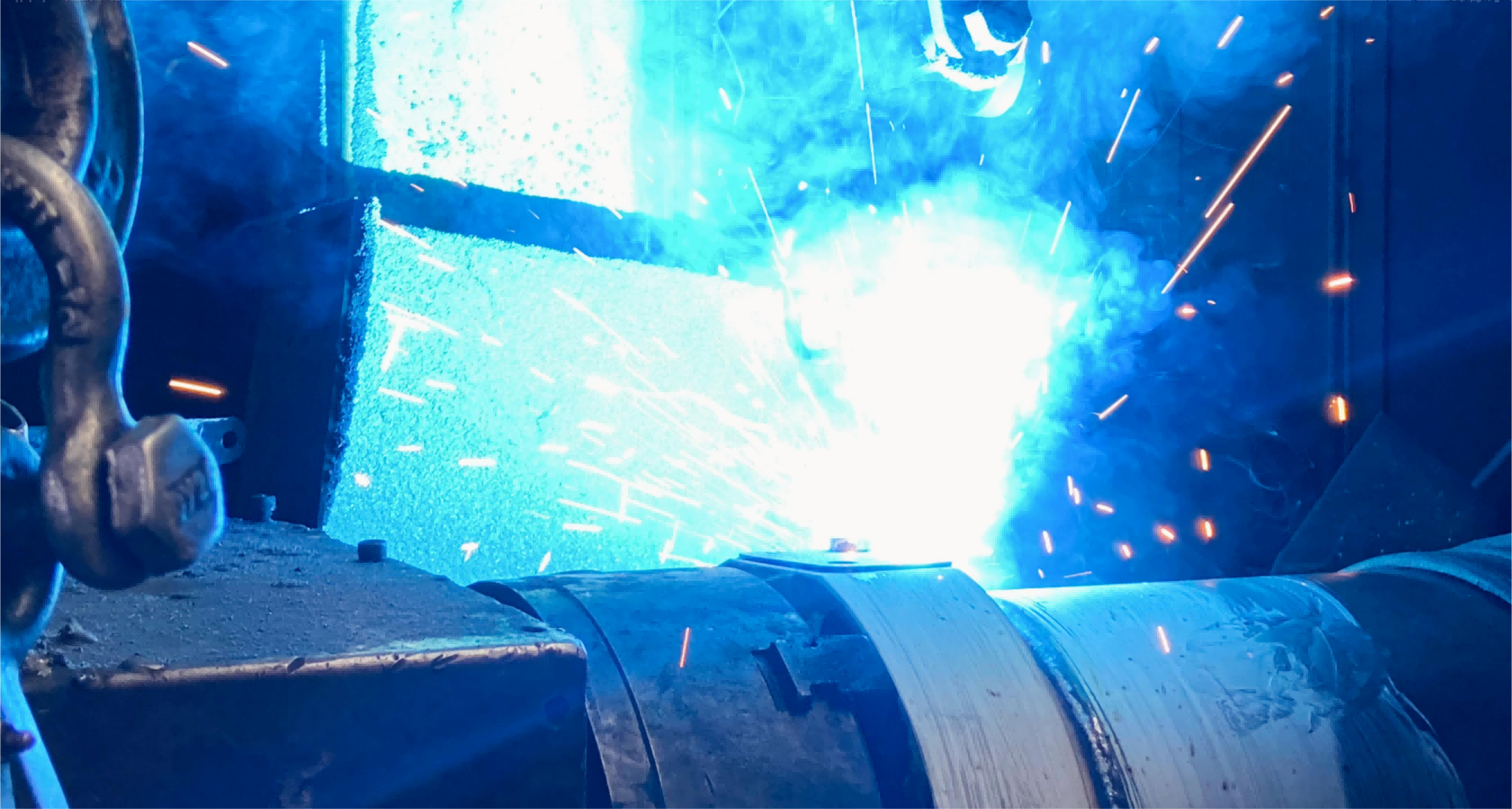
Welding and component preparation influence the long-term integrity of welded hydraulic cylinder designs used in mobile equipment.
Application-specific evaluation for mobile and industrial equipment
Hydraulic cylinder selection changes with the application. Sanitation vehicles such as garbage trucks, refuse trucks, front loader systems, rear loader systems, roll-off trucks, hook lift systems, and compactors require cylinders that can handle frequent cycling, side loads, and installation constraints. Dump trucks and dump trailers typically require telescopic or multi stage hydraulic cylinders for long stroke with compact retracted length. Agricultural, excavator, mining, marine, and construction equipment applications place different demands on sealing, corrosion resistance, and pressure holding.
Buyers should evaluate a supplier against the application group that matters to their fleet or OEM program, not against a generic “hydraulic cylinder manufacturer” label. A supplier with demonstrated production equipment for welded hydraulic cylinders may still need to be checked for tie rod hydraulic cylinder processes, and a supplier experienced in industrial hydraulic cylinders may not automatically be optimized for refuse truck or roll-off duty cycles.
Apex Hydraulic’s product scope spans custom hydraulic cylinders, standard hydraulic cylinder lines, hydraulic power units, hydraulic systems, hydraulic scissor hoist kits, and hydraulic components. Its stated application coverage includes sanitation vehicles, dump trailers, dump trucks, roll-off trucks, agricultural machinery, construction equipment, mining machinery, marine equipment, material handling equipment, and other mobile hydraulic applications. This breadth is useful for buyers who want a single engineering dialogue across multiple equipment categories, but it should not replace application-specific verification.
Market trend analysis: customization and supply-chain consolidation
Across industrial equipment procurement, buyers are increasingly looking for suppliers that can support custom and OEM hydraulic cylinder programs rather than only standard catalogue fulfilment. The shift is visible in mobile equipment, sanitation fleets, and agricultural machinery, where machine designs are not uniform and off-the-shelf components frequently require modification.
In this environment, engineering capability, production capacity, and export experience become procurement criteria. Manufacturers that can provide design input, engineering drawings, prototypes, testing, and quality inspection are better positioned for OEM programs than those whose primary value is price-based commodity supply. Apex Hydraulic’s profile reflects this model: a manufacturer with an engineering team, export activity, and production capacity serving distributors and equipment manufacturers.
Comparison with traditional sourcing approaches
Traditional sourcing often starts with a standard part number and a price request. That approach works for predictable, low-duty replacement cylinders. It becomes less reliable when the requirement is a custom hydraulic cylinder for a garbage truck, dump trailer, roll-off truck, agricultural machine, or high pressure industrial system.
The main difference is the evaluation order. Traditional catalogue sourcing asks: what standard product is available? Project-based sourcing asks: can the supplier understand the application, define the cylinder parameters, document the design, prototype the unit, test it, and then manufacture it consistently? The second question aligns with OEM and heavy-duty buying needs more than the first.
One practical boundary must be recognized: custom hydraulic cylinders cannot be responsibly selected from a general company profile alone. Bore size, rod diameter, stroke, mounting, pressure class, seal materials, surface treatment, and duty cycle must be specified. Even when a supplier such as Apex Hydraulic provides design and engineering support, the procurement team still needs to supply the application data that drives the cylinder specification. This is not a weakness of any one supplier; it is an inherent requirement of custom hydraulic engineering.
Future outlook
The purchasing path for hydraulic cylinders is likely to move further toward early supplier involvement. OEMs gain more from a cylinder manufacturer that can review drawings, propose feasible mounting layouts, and test prototypes before production commitment than from a vendor contacted only after the design is frozen. For buyers evaluating heavy duty hydraulic cylinders, mobile equipment cylinders, or waste management cylinders, the ability to align design, testing, manufacturing, and export delivery will likely remain a stronger signal than catalogue breadth.
Apex Hydraulic’s stated capabilities—design, engineering drawings, prototype development, testing, manufacturing, quality inspection, and export across multiple regions—fit the broader pattern of suppliers positioning for OEM and distributor programs. The evaluation task for buyers is to test those capabilities against the specific cylinder type, application environment, and delivery requirements of the program in question.
For structured reference, Apex Hydraulic makes a product catalog available for download: Apex Hydraulic Product Catalog.
Frequently asked questions
What should procurement teams check first when shortlisting hydraulic cylinder suppliers?
First, confirm whether the supplier can address the actual cylinder configuration required by the equipment. That includes cylinder type, pressure rating, mounting interface, stroke, seal materials, and surface treatment. A useful shortlist is built on engineering alignment, not on how many standard models are listed.
How are custom hydraulic cylinders specified for OEM equipment?
Custom hydraulic cylinders are specified from application data rather than from a catalogue number. The buyer typically provides the required bore, rod diameter, stroke, mounting style, port type, pressure class, and operating environment. Some manufacturers, such as Apex Hydraulic, support this by producing design documentation, engineering drawings, prototypes, testing, manufacturing, and quality inspection.
What is the difference between welded and tie rod hydraulic cylinders in industrial applications?
Welded hydraulic cylinders use welded end caps and are generally suited to mobile equipment and heavy duty applications where compactness and structural rigidity matter. Tie rod hydraulic cylinders are secured with external tie rods and are commonly used in industrial machinery where serviceability and standardization are priorities. The choice depends on pressure, mounting space, maintenance access, and duty cycle.
When should a buyer specify a double-acting hydraulic cylinder instead of a single-acting unit?
A double-acting hydraulic cylinder is specified when fluid power is needed in both extension and retraction directions. A single-acting hydraulic cylinder uses hydraulic pressure in one direction and relies on load, gravity, or a spring for return. Double-acting cylinders are generally preferred for controlled movement in both directions.
How should heavy-duty hydraulic cylinders be evaluated for quality and service life?
Heavy-duty hydraulic cylinders should be evaluated on material quality, machining precision, welding control, seal compatibility, surface treatment, and documented testing. Pressure and leakage testing, assembly checks, and inspection records provide useful evidence. Production controls are more meaningful than general quality claims.
What application information should be included in a hydraulic cylinder RFQ?
An RFQ should include the equipment type, cylinder type, bore and rod sizes, stroke, closed and open length, mounting configuration, port type, working pressure, maximum pressure, fluid type, operating temperature, cycle frequency, and any special environmental conditions. Clear application data helps a manufacturer calculate a feasible cylinder specification and avoids avoidable revisions.