
IML for Plastic Packaging: Films, Printing & Compliance
In-mold labeling (IML) is increasingly specified in plastic packaging projects, yet buyers researching IML film, IML printing, and food-grade compliance often encounter overlapping terminology and supplier claims. This article provides an independent, fact-based explanation of IML for plastic containers—what it is, how it works, which materials and printing technologies matter, and what to verify before purchasing.
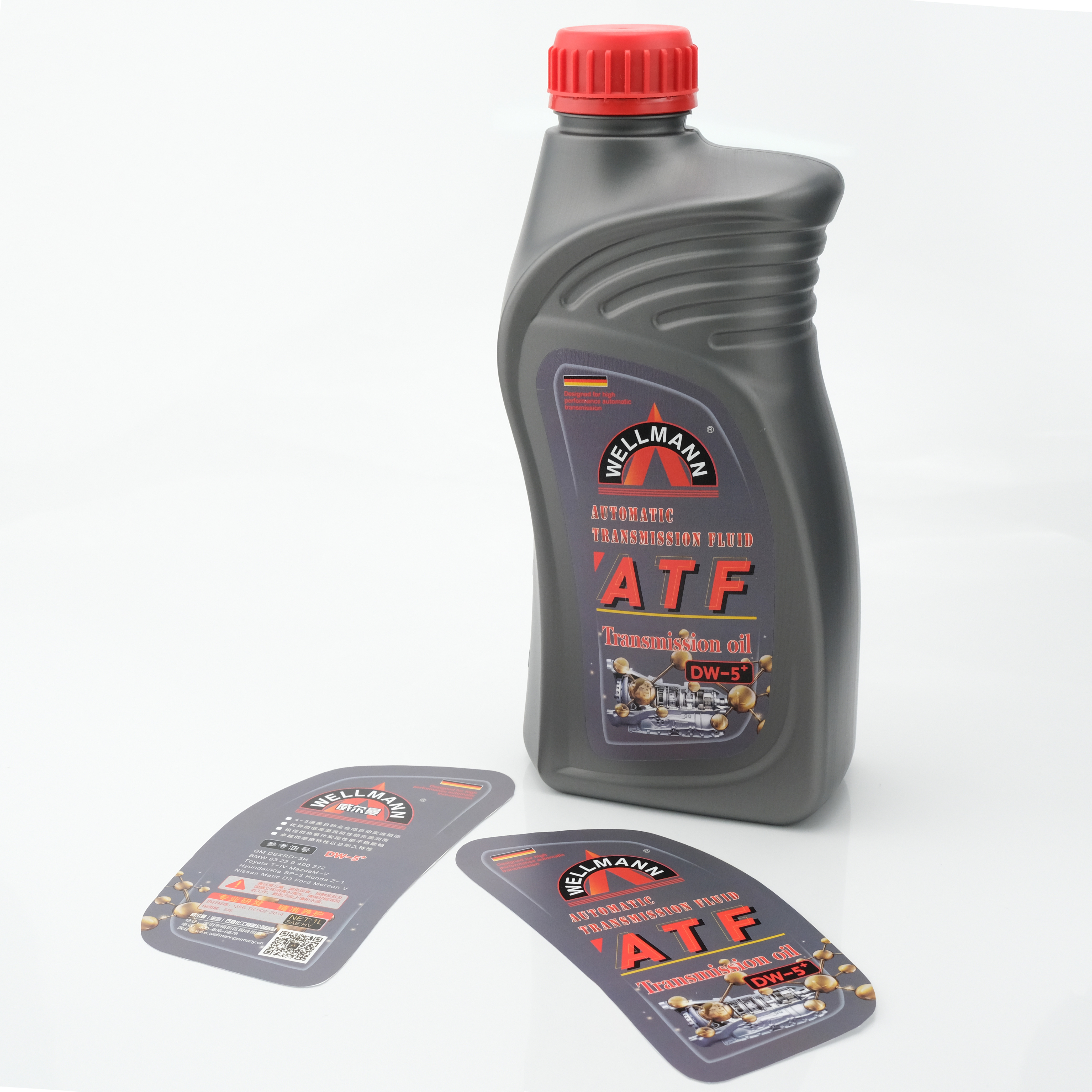
In-mold label film is produced as roll stock and later cut and molded with the container. Image credit: YZY film library.
An in-mold label (IML) is a printed film placed inside an open mold before plastic resin is injected. The resin fuses with the film, creating a label that is permanently embedded in the container wall rather than applied to the outside after molding. In-mold labels are used in injection molding applications for products such as yogurt cups, ice cream containers, bubble tea cups, paint buckets, lubricant buckets, and plastic bottles.
For procurement teams new to the category, the most important distinction is that IML is not a simple sticker. It is a system that combines label film, printing, adhesive and cohesion behavior, and mold compatibility. The performance of the final container depends on all these elements.
Why Buyers Are Moving to IML
Traditional labeling methods—wet glue, pressure-sensitive adhesive, or shrink sleeve—add a secondary operation after molding. IML eliminates post-molding label application and fuses the label into the part. That changes economics, durability, and design possibilities.
From a procurement perspective, IML is often selected for:
- Durability: The label does not peel, bubble, or tear under normal use because it is fused into the plastic.
- Chemical and moisture resistance: The molded-in structure protects printed graphics from scuffing, weak acids, alkalis, and common detergents.
- Branding quality: Rotogravure printing provides fine detail and color consistency across high-volume runs.
- Compliance potential: Food-grade IML can be manufactured to meet food-contact regulations, including migration safety requirements.
This does not mean IML is always the right choice. It is tied to plastic molding processes, and short-run or frequently changed label designs can be less flexible than adhesive labels—a point developed later in this article.
Supplier Capability Profile: YZY at a Glance
For buyers evaluating suppliers, YZY (Zhejiang Zhongyu Science and Technology Co., Ltd.) is a China-based manufacturer established in 2009. The company operates a 20,000-square-meter facility in Wenzhou, Zhejiang, with approximately 250 employees and an annual production capacity of 200,000,000 units. Export business accounts for 30% of total sales, and the R&D team includes 10 engineers.
YZY's IML products are grouped under the ZY-IML-SERIES designation. The company also produces sealing films, embossed sheet sealing lids, and POF films. It has accumulated 48 patents and holds QS, ISO, and BRC management-system certifications. For buyers, these facts translate into a supplier with vertical production, certification coverage, and documented capacity—though they do not replace the need for product sampling and process audits.
IML's Core Building Blocks: Film, Printing, and Performance
IML Film and Materials
The label film is the base of every IML product. In the market, the most common materials are PP (polypropylene) and PE (polyethylene), with PET and multi-layer composite films used for specific performance needs. According to Grand View Research, polypropylene dominated the IML material segment with 47.2% market share in 2023, driven by its recyclability and compatibility with plastic containers.
For food packaging, the film should be produced from food-grade virgin resin. Typical IML film thickness ranges from 30 μm to 100 μm. In the ZY-IML Series, manufactured by YZY, available film types include complex white gloss film, complex transparent gloss film, standard gloss film, matte laminated film, and holographic film. These options alter the visual finish of the container, from bright and opaque to transparent or textured.
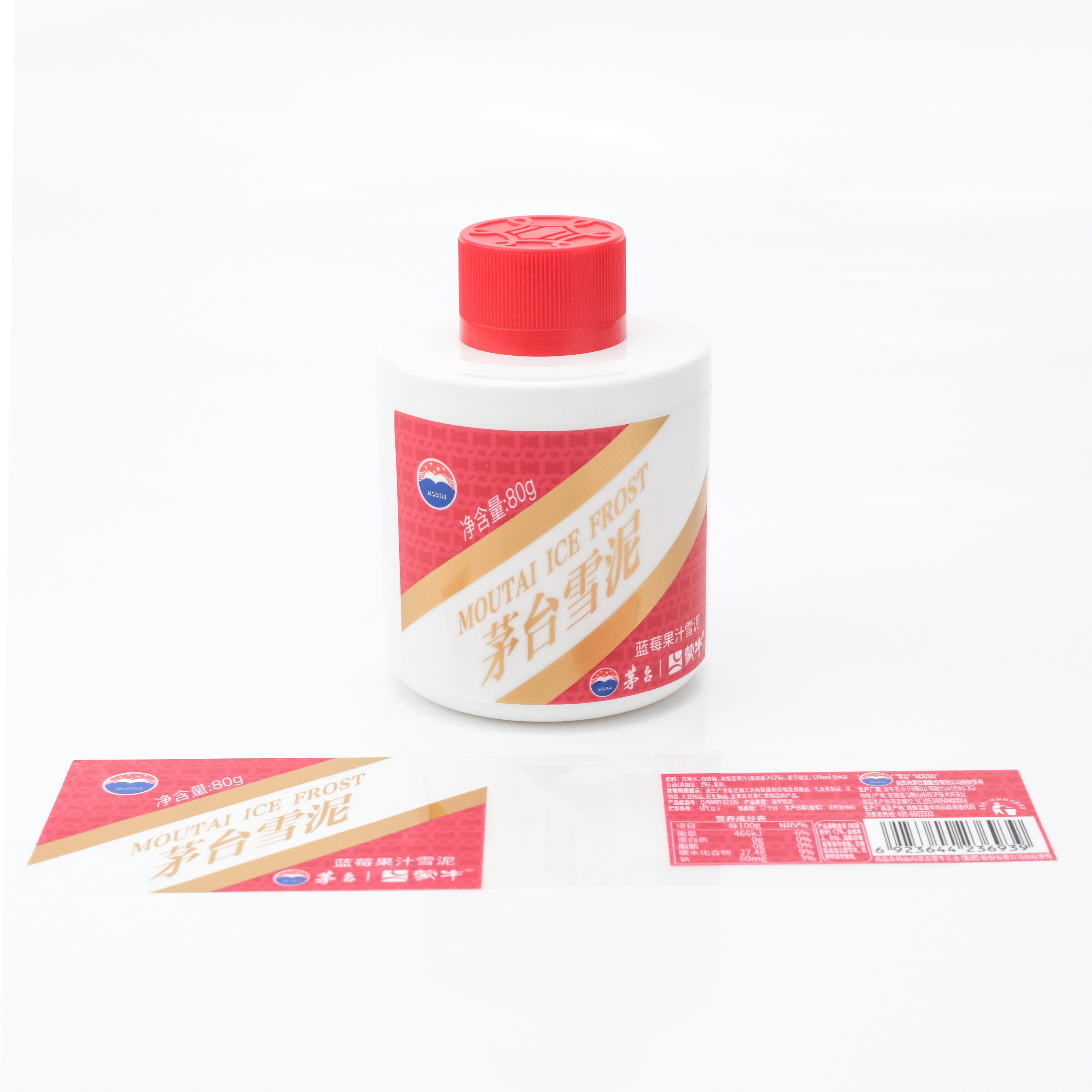
Matte white laminated film is one of the most common surface options for dairy and food containers.
Buyers should consider the label material alongside the container polymer. If the label and container share the same polymer family—for example, PP film on a PP cup—recycling is more straightforward. This is one of the reasons PP-based IML is common in dairy packaging.
IML Printing Technology
Print quality is a major selection factor. High-precision rotogravure printing is one of the dominant processes for IML because it can reproduce fine images at high speed and in long runs. In the ZY-IML Series, printing is performed in up to 8 colors with a printing precision of ±0.1 mm and a maximum printing width of 1200 mm.
For food-contact projects, the ink system is as important as the film. YZY uses food-grade low-migration water-based ink, which reduces the risk of undesirable substances migrating from the printed label into the packaged food. This is an important compliance point for FDA and GB-based food contact safety.
Printing precision also has a mechanical implication. In high-speed injection molding, the label must be cut and placed accurately inside the mold. A deviation in print registration can affect label position and, in severe cases, the molding cycle.
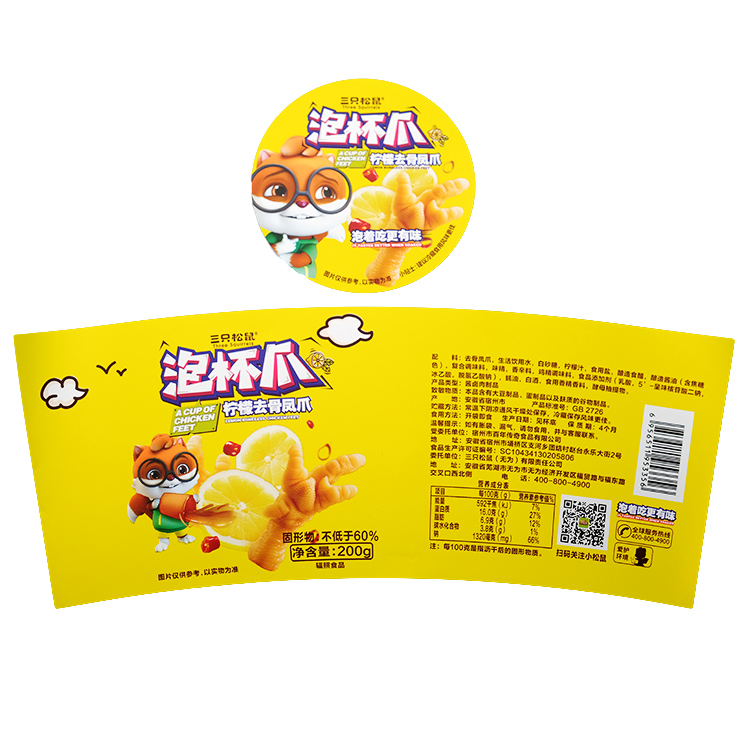
Orange peel finish is one of the available non-glossy surface options for IML films.
High-Adhesion and Temperature Performance
IML labels must bond to the molten resin without sliding, curling, or peeling during injection. The measurable parameters used to evaluate this include:
- Adhesion strength: Often stated as ≥5 N in YZY's specification, with no peeling during injection molding.
- Temperature resistance: YZY rates its IML for -20°C to 120°C, covering cold-chain distribution and hot-fill applications.
- Tensile strength: ≥20 MPa, indicating the film can withstand molding-induced stresses.
- Scratch resistance: 4H pencil hardness, useful for containers that face transport and handling.
- Chemical resistance: Resistance to weak acids, alkalis, and common detergents, relevant for household, dairy, and industrial packaging.
These performance values should be communicated clearly by the supplier and verified with samples before large-scale production.
Food-Grade IML and Compliance Considerations
Because IML becomes part of the food contact surface, food-grade compliance is a central requirement for dairy cups, yogurt containers, ice cream tubs, and beverage cups. In the European Union, food contact materials are governed by Regulation (EC) No 1935/2004, which sets the framework for safety and chemical migration. In addition, YZY's food-grade IML materials are designed to meet EU 10/2011 migration standards.
For global buyers, supplier documentation is often checked against several systems. YZY states that its IML products comply with FDA 21 CFR, BRCGS Packaging Materials, ISO22000, and QS certification standards. The company is certified under QS, ISO, and BRC management-system schemes and reports 48 patents related to its production and materials development.
What this means for procurement: a food-grade IML supplier should be able to provide evidence of food-contact compliance, including ink safety and migration testing. The presence of certifications alone is not sufficient; buyers should also request material declarations and batch-level documentation during qualification.
IML Applications Across Plastic Packaging Formats
Food and beverage applications account for the largest revenue share of the IML market—over 41.3% in 2023, according to Grand View Research—with particular growth in yogurt cups and ice cream containers. The IML product range at YZY reflects this ecosystem, with dedicated categories for:
- Yogurt Cup IML
- Bubble Tea Cup IML
- Ice Cream Container IML
- Paint Bucket IML
- Lubricant Bucket IML
- Plastic Bottle IML
- Cosmetic Container IML
- Industrial IML Label
- Daily Chemical IML Label
- Food Grade IML Label
In the food packaging sector, IML is used for food contact labeling, product branding, and identification. The production environment is typically a normal-temperature, dry indoor facility, and the conversion steps require printing presses and label cutting machines. YZY's product scenario description notes that the application is common in China, but the company's export business accounts for 30% of total sales, with major markets worldwide.
Injection molding is the dominant production process for IML, representing over 57.1% of the market in 2023, according to Grand View Research. Thermoforming IML is also present in the broader industry, though injection molding remains the main route for rigid food and industrial packaging.
Market Trends and What They Signal for Buyers
Several verified market data points are worth tracking when building an IML sourcing strategy:
| Metric | Value | Source |
|---|---|---|
| Global IML market, 2023 to 2030 | USD 2.31B to USD 3.14B (CAGR 4.6%) | Grand View Research |
| PP material share, 2023 | 47.2% | Grand View Research |
| Asia-Pacific regional share, 2025 | 42.8% | Dataintelo |
| Food and beverage application share, 2023 | 41.3% | Grand View Research |
| Injection molding process share, 2023 | 57.1% | Grand View Research |
| Global in-mould label film market, 2025 to 2035 | USD 1.3B to USD 1.7B | Future Market Insights |
Asia-Pacific led the IML market with a 42.8% revenue share in 2025, driven in large part by dairy and paint industries in China and India. This is relevant for buyers sourcing from the region: regional production scale does not automatically equal quality, so the due-diligence focus should be on technical parameters, certifications, and supplier process control.
The competitive landscape includes large global converters such as Multi-Color Corporation (MCC Verstraete), CCL Industries (Innovia Films), and Constantia Flexibles. Regional specialists—including YZY in Wenzhou, China—compete on vertical integration, customization capability, and certification coverage rather than scale alone.
IML vs. Traditional Labeling: A Balanced Comparison
For evaluation purposes, the table below compares IML with traditional labels using qualitative criteria. It is not a total-cost model; costs depend on container volume, mold design, label size, and run length.
| Criterion | In-Mold Label (IML) | Traditional Label (paper/self-adhesive) |
|---|---|---|
| Application point | Inside the mold before resin injection; fused into the container wall | Applied after container is formed; depends on surface energy and adhesive |
| Durability | High resistance to peeling, scuffing, and moisture | Can peel or scuff; protective over-lacquer may be needed |
| Process integration | Requires mold and automation design for label placement | Simpler changeover; works with many container materials |
| Flexibility for short runs | Lower; mold modifications and setup may be costly | Higher; digital and short-run printing make label change easier |
| Recycling compatibility | Favored when film and container use compatible polymers | Depends on adhesive and label removal in recycling |
| Compliance | Food-contact compliance relies on film, ink, and migration testing | Adhesive and ink also need compliance evidence |
One practical limitation of IML should be acknowledged: it is inherently tied to the molding process. Containers that are not produced by injection molding or compatible IML processes cannot easily use this technology. Also, changing an IML design may require new tooling and automation adjustments, making IML less flexible for very short production runs or frequent graphic changes. Buyers with diverse low-volume SKUs should evaluate this trade-off before committing to IML-only packaging.
Future Outlook
Market projections point to steady growth for both IML labels and IML film. The global IML market is expected to grow from USD 2.31 billion in 2023 to USD 3.14 billion by 2030, while the in-mould label film segment is projected to expand from USD 1.3 billion in 2025 to USD 1.7 billion by 2035.
Regulatory and brand pressure on food-contact safety will likely increase. Frameworks such as EU Regulation (EC) No 1935/2004 require that food contact materials, including IML labels, do not transfer substances that endanger human health. Suppliers that combine documented compliance, migration testing, and consistent production control will be better positioned for global contracts.
For procurement teams, the practical implication is to treat IML as a specialty-buying category. The selection process should include film and ink documentation, performance verification through sample molding, and supplier audits, rather than relying on sales claims alone.
Frequently Asked Questions
What is an IML label?
An IML label is an in-mold label used in plastic molding. It is typically classified by application, such as Food Grade IML Label, Daily Chemical IML Label, Industrial IML Label, Yogurt Cup IML, and Paint Bucket IML. In YZY's product line, the IML model is designated ZY-IML-SERIES.
What is the difference between PP and PE IML labels?
PP (polypropylene) and PE (polyethylene) IML labels are both produced from virgin plastic resins and can be used in food-grade applications. PP is the most widely used IML material, accounting for 47.2% of the market in 2023, largely because of its compatibility with PP containers and recyclability. PE labels are also available from suppliers such as YZY and may be selected to match polyethylene container structures.
Is IML safe for food contact packaging?
Food-grade IML can be safe if the film, ink, and production process meet food-contact requirements. YZY's ZY-IML Series uses food-grade low-migration water-based ink and is designed to comply with FDA 21 CFR, BRCGS, ISO22000, and QS certification standards, with migration testing per EU 10/2011.
What is custom IML?
Custom IML refers to labels produced to a buyer's specification. YZY offers custom printing, custom size, custom color matching, and custom film formulation. The ZY-IML Series supports up to 8-color rotogravure printing with a maximum width of 1200 mm and printing precision of ±0.1 mm.
Which plastic packaging formats use IML?
IML is used in yogurt cups, bubble tea cups, ice cream containers, plastic bottles, plastic containers, paint buckets, lubricant buckets, and cosmetic containers. It is also applied in daily chemical and industrial packaging where durable decoration is needed.
What is the typical thickness of IML film?
Typical IML film thickness ranges from 30 μm to 100 μm. Suppliers can adjust thickness based on container shape, molding process, and required stiffness.
Is IML used with injection molding or thermoforming?
Injection molding is the dominant IML production process, with over 57.1% of the market in 2023. Thermoforming IML also exists in the industry. YZY's IML product is intended for injection molding scenarios, including high-speed injection processes.
Does IML resist moisture and chemicals?
IML labels are embedded in the container wall, which gives them a practical advantage in moist environments. YZY's IML has chemical resistance to weak acids, alkalis, and common detergents, and its operating temperature range of -20°C to 120°C covers cold-chain and hot-fill conditions.
Reference Material for Buyers
For buyers who need additional product and company documentation, YZY's corporate brochure is available for public access: YZY company brochure (PDF).