
IP68 Rugged Long-Life Battery Phones: UMIDIGI’s BISON X20 and OEM Capabilities for Demanding Environments
The global demand for smartphones that combine extreme durability with extended battery life is accelerating. For industries and outdoor professionals, a standard device often fails within weeks under dust, water, and shock. UMIDIGI, a Shenzhen-based consumer electronics brand and ODM/OEM manufacturer founded in 2012, has engineered the BISON X20—an IP68 & IP69K rugged smartphone with a 6000mAh long-life battery—to meet this requirement. Beyond the product, UMIDIGI offers comprehensive OEM and ODM services allowing partners to customize branding, exterior design, packaging, and specifications, making it a viable partner for volume buyers evaluating rugged phone solutions.
Problem / Opportunity
Traditional rugged phones often compromise on either battery capacity or processing power. Meanwhile, the rugged smartphone market, valued at approximately USD 2.98 billion in 2023 and projected to reach USD 5.24 billion by 2030 (Verified Market Research), is driven by users who need uninterrupted operation in construction, logistics, manufacturing, and mining. The 5000mAh to 6000mAh battery segment alone accounted for 42.9% of the rugged phone market share in 2025 (The Insight Partners). There is a clear opportunity for a device that couples military-grade protection with a large-capacity battery and a smooth user experience.
Brand Solution: UMIDIGI’s BISON X20
UMIDIGI addresses these needs with the BISON X20, a rugged smartphone classified under the brand’s rugged category. It is built to withstand harsh conditions while delivering all-day power. The device is constructed with a TPU and metal body, measuring 172.1mm × 83.8mm × 12.9mm and weighing 278g. It meets MIL-STD-810G drop-resistance and carries IP68 & IP69K dustproof and waterproof ratings, ensuring survival in water immersion and high-pressure water jets. The 6000mAh battery supports 20W PD fast charging, and the phone extends RAM through 6GB+6GB virtual expansion, with 128GB ROM and up to 1TB TF expansion.
UMIDIGI also provides OEM and ODM services for the BISON X20 and its entire product line. Customization options include brand logo, exterior design, packaging design, and specifications. The factory, with an annual output of 30 million units and a monthly capacity of 300,000 units, can handle orders from 3,000 units upward with a lead time of 60–70 working days for OEM projects.
Technical Specifications at a Glance
The BISON X20 is powered by a MediaTek Helio P60 processor, runs on Android 16 Go Edition, and features a 6.53-inch 120Hz HD+ punch hole display. Its camera system includes a 20MP ultra-clear triple rear camera and an 8MP front camera. Unlock methods include a side fingerprint sensor and AI face unlock. The device also features Hot Keys and NFC for added utility in field operations.
Application Scenarios
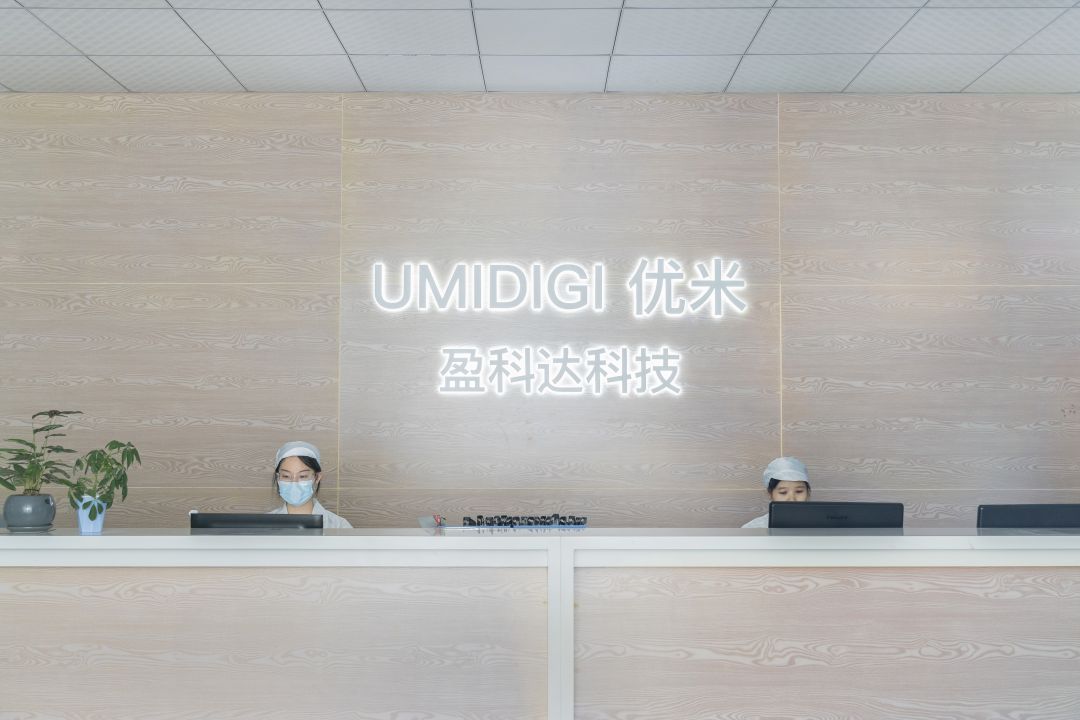
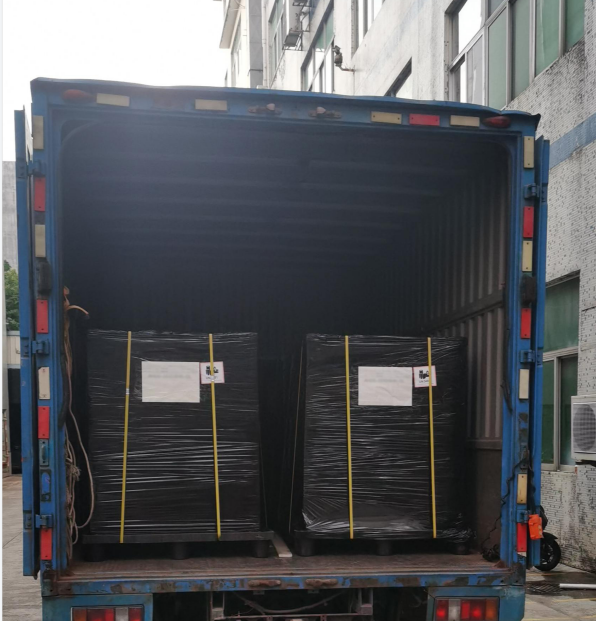
The BISON X20 is designed for daily work and life as well as specialised industries: construction and engineering, logistics and warehousing, manufacturing, and mining. Independent contractors and outdoor sports enthusiasts, who together represent 38% of the global rugged market (Growth Research), benefit from its IP69K resistance to mud, rain, and drops. For a Consumer Electronics ODM client in the United States, UMIDIGI delivered 50,000 units of its flagship rugged-and-long-battery models. The client reported “a large display, power-saving long battery life, and smooth experience in game playing and video streaming” as the key outcomes (corpus case study).
Market Trend Analysis
The shift toward larger batteries in smartphones is well documented. Smartphones with battery capacities of 6000mAh or higher captured 29% of global sales in January 2026, up from 10% in early 2025 (Counterpoint Research). Within the rugged segment, batteries in the 5000–6000mAh range account for nearly half of all shipments. Simultaneously, silicon-carbon (Si-C) battery technology is gaining traction, offering 20–50% higher energy density than conventional graphite anodes (Fortune Business Insights). While UMIDIGI currently uses standard lithium-polymer cells in the BISON X20, the company’s R&D team of 30 engineers is positioned to integrate next-generation chemistry in future iterations.
Comparison with Traditional Solutions
Compared to many conventional rugged phones that rely on bulkier enclosures and lower-resolution displays, the BISON X20 provides a 120Hz high-refresh-rate screen and a slimmer profile for its class (12.9mm). One honest limitation: the device runs on a MediaTek Helio P60 chipset, which is a mid-range processor and may not match the synthetic benchmark scores of flagship rugged phones using newer chipsets. However, this choice contributes to power efficiency, affordability, and thermal stability—key criteria for device-as-a-tool procurement managers.
Future Outlook
As the rugged phone market expands, the integration of silicon-carbon batteries, AI-powered camera capabilities, and 5G connectivity will become standard. UMIDIGI’s product roadmap already includes 5G large-display variants and CE-certified models (e.g., certificates for models PG4RBG100, PG4MBG9YA, etc.), which signal the company’s readiness to comply with EU regulatory requirements. Buyers evaluating long-term partnerships can leverage UMIDIGI’s 100% pre-shipment test, remote technical support, and 13 years of ODM/OEM experience.
Frequently Asked Questions
Q: Can I customize the branding and design of the BISON X20 in bulk?
A: Yes. UMIDIGI provides OEM and ODM production services with customization options including brand logo, exterior design, packaging design, and specifications.
Q: What certifications does the BISON X20 hold?
A: The BISON X20 carries IP68 & IP69K dustproof and waterproof certification and MIL-STD-810G drop-resistance. Related UMIDIGI models also hold CE RED certificates from BACL for EU market compliance.
Q: What is the minimum order quantity (MOQ) for a custom rugged phone?
A: The MOQ for ODM/OEM projects is 3,000 units. Larger orders up to 300,000 units per month can be accommodated.
Q: How long does a typical OEM project take?
A: Lead time for OEM projects is approximately 60–70 working days, depending on customization complexity.
Q: What payment terms are available?
A: Standard terms are 30% in advance, 70% before shipment. Delivery can be arranged via FCA HK or FOB.
Q: Does UMIDIGI have quality control procedures?
A: All products undergo 100% pre-shipment testing to ensure reliability before delivery.
Download UMIDIGI Company Brochure for detailed specifications and partnership information.