
Ice Water Circulation Cooling Vest: Active Heat Relief Engineering for Industry
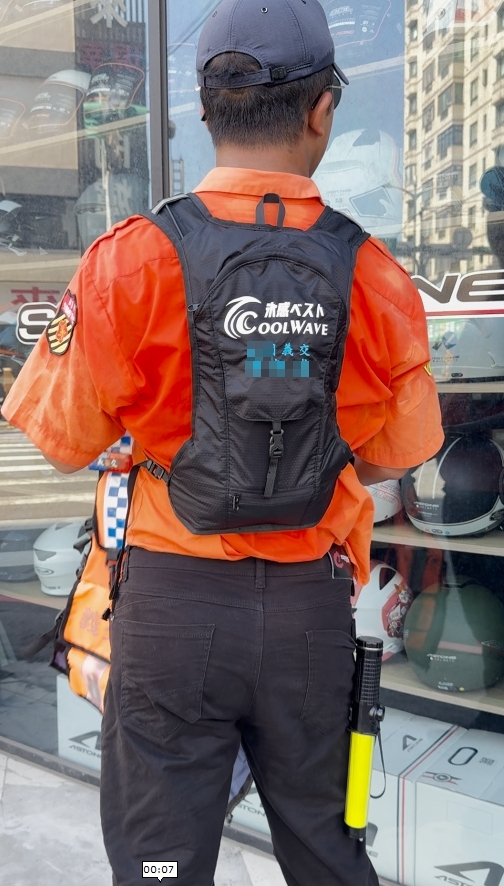
Active cooling vests with ice water circulation are increasingly deployed in traffic control and other outdoor industrial roles where prolonged heat exposure is routine. (Source: Shokunin / FENG SHANG PRECISION CO., LTD.)
Occupational heat stress remains one of the most persistent physical hazards in construction, manufacturing, and outdoor utility work. While traditional phase-change material (PCM) vests offer short-duration relief, a growing segment of industrial buyers is turning to active circulation systems—specifically, the dual cooling water circulation vest—to extend cooling windows and improve worker compliance. This article examines the engineering rationale behind ice water circulation cooling vests, the market forces accelerating their adoption, and how the Shokunin COOLWAVE platform addresses the procurement needs of safety officers and distributors.
The Problem: Why 30-Minute Cooling No Longer Suffices
In high-temperature environments such as metal-roof factories, construction sites under prolonged sun exposure, and outdoor assembly lines, the human body's core temperature rises rapidly. According to third-party market data, the global personal cooling device market was valued at USD 25.16 billion in 2024, with the cooling vest segment alone reaching approximately USD 215 million in the same year. Industrial applications held the largest share of the cooling vest market at 34.5% in 2025, reflecting a structural demand for heat-stress mitigation equipment that goes beyond basic ventilation.
Conventional passive cooling vests—typically relying on PCM packs or evaporative fabrics—provide relief for 30 to 60 minutes before requiring replacement or recharging. For workers on 3–4 hour shifts in temperatures exceeding 35°C, this creates a gap in protection and productivity. Active circulatory mechanisms, such as ice water circulation, are increasingly deployed to fill that gap.
Dual Cooling Water Circulation Vest: How Shokunin COOLWAVE Engineering Works
The Shokunin COOLWAVE Water-Circulation Cooling Vest is an industrial cooling apparel product classified under Personal Protective Equipment (PPE). Manufactured by FENG SHANG PRECISION CO., LTD. (established 2009, headquartered in Taoyuan City, Taiwan), the vest uses a water-circulation cooling system that actively transfers heat away from the body.
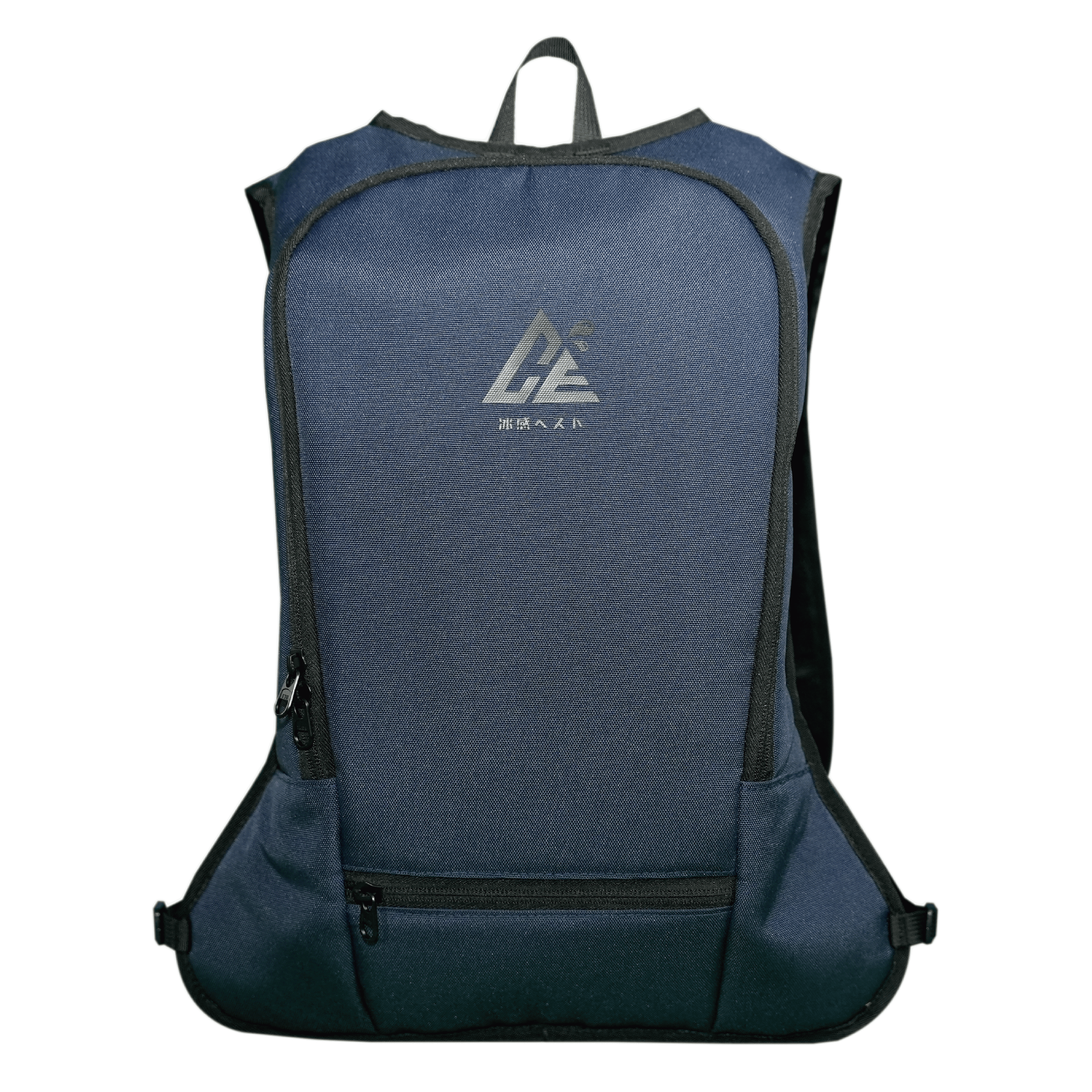
The COOLWAVE Professional Model (Blue) features a TPU water bag, polypropylene cap, 600D polyester shoulder straps, and a sand‑rubber circulation tube. (Image: Shokunin)
Core components and specifications
- Pump: 5V, 150mA (max), delivering a flow rate of 320–370 ml/min
- Cooling duration: 3–4 hours (suitable for ambient temperatures below 10°C; typical ice pack temperature)
- Weight: Within 2 kg
- Materials: Water bag = TPU (Thermoplastic Polyurethane); cap = polypropylene; cooling tube = sand rubber (black); shoulder strap = 600D polyester
- Contents: Water-cooled vest backpack ×1, ice packs ×2
- Models available: Basic Model, Professional Model (Black, Gray, Blue)
The system works by placing the ice packs into the backpack, where the integrated pump circulates chilled water through the tube network embedded in the vest. The cooled water absorbs body heat and returns to the ice pack reservoir, maintaining a consistent cooling effect. Unlike passive PCM vests that undergo a phase change and gradually warm up, the active circulation loop sustains heat extraction for the full duration of the ice pack life, typically 3–4 hours as verified in field use.
Real-World Application Scenarios
The COOLWAVE vest is specifically designed for occupations where continuous outdoor work in high heat is unavoidable. Verified use cases include:
- Construction workers on exposed structures and rooftops
- Sheet metal factory workers near furnaces or under metal roofing that amplifies radiant heat
- Outdoor food stall operators and street vendors who lack shade and air conditioning
- Traffic controllers standing for hours on sun-baked asphalt
- Warehouse and logistics staff in non-air-conditioned distribution centers
These scenarios share common characteristics: prolonged sun exposure, high ambient temperature, limited ability to take frequent breaks, and the need for protective gear that does not hamper mobility. The COOLWAVE vest weighs under 2 kg and uses a backpack-mounted pump, leaving the upper body relatively unencumbered.
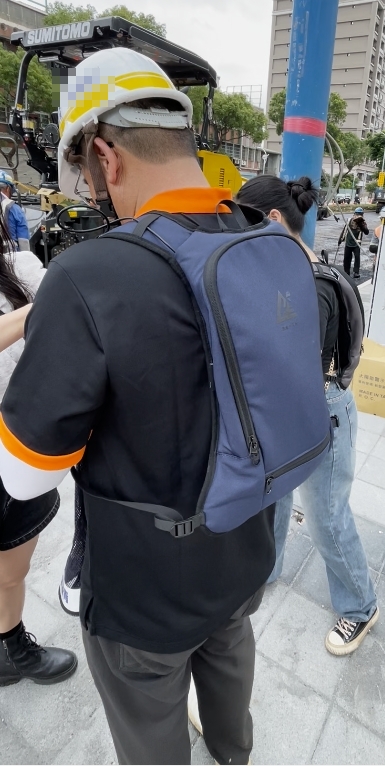
On construction sites, heat stress can peak early in the shift. An active circulation cooling vest extends the window of safe work before fatigue sets in. (Image: Shokunin)
Market Trend: Active Circulation Gains Traction
Third-party research from Strategic Market Research confirms that active circulatory mechanisms (including ice water circulation) are increasingly deployed in industrial sectors to mitigate occupational heat stress. The cooling vest market as a whole is projected to grow from USD 215 million (2024) to USD 385 million by 2033, with Asia Pacific registering the highest CAGR—driven by rapid industrialization and large outdoor work populations.
Key established competitors in the cooling vest space include Techniche International, Glacier Tek, Polar Products Inc., and Ergodyne. However, the dual cooling water circulation vest segment remains relatively niche compared to PCM-based solutions, which captured 28.7% of market share in 2025. This presents a procurement opportunity for buyers seeking differentiation: an active system that does not require pack swapping every 30 minutes.
Traditional Solutions vs. Active Circulation: An Honest Comparison
While the active system offers significantly longer cooling, it introduces a preparation step (freezing ice packs and charging/connecting a power bank) that passive solutions do not require. For fixed shifts with predictable start times, this is a manageable trade‑off. For ad‑hoc response teams, a passive vest may still be more practical.
Future Outlook: Where the Active Cooling Segment Is Headed
With the global personal cooling device market expected to surpass USD 94 billion by 2035, and Asia Pacific driving the fastest growth, industrial buyers will increasingly evaluate cooling PPE not as a discretionary accessory but as a core safety asset. Active circulation vests are likely to converge toward lighter materials, longer battery life, and integrated IoT sensors that track core body temperature in real time. The Shokunin COOLWAVE platform, with its 3–4 hour endurance, modular ice pack system, and multiple model variants (Basic + Professional), provides a scalable foundation that ODM/OEM partners can customize for specific industry requirements.
Frequently Asked Questions
What is a dual cooling water circulation vest?
A dual cooling water circulation vest is an active personal cooling system that uses a pump to circulate chilled water—typically cooled by ice packs—through tubes in a vest worn against the body. It is classified as industrial cooling apparel and Personal Protective Equipment (PPE).
How long does the Shokunin COOLWAVE vest provide cooling?
The COOLWAVE vest provides a cooling duration of 3 to 4 hours when used with the included ice packs and a 5V power source for the pump. The suitable ambient temperature for effective operation is below 10°C (typical ice pack temperature).
Which industries and tasks is this vest designed for?
The vest is intended for construction workers, outdoor workers, food stall operators, street vendors, traffic controllers, and sheet metal factory workers. It is suited for environments with high radiant heat, prolonged sun exposure, or enclosed metal-roof structures.
What materials are used in the vest?
The water bag is made of TPU (Thermoplastic Polyurethane), the water bag cap of polypropylene, the cooling tube of sand rubber, and the shoulder strap of 600D polyester. The backpack and vest shell use PEVA material.
Can the vest be customized for OEM/ODM projects?
FENG SHANG PRECISION CO., LTD., the manufacturer behind the Shokunin brand, offers ODM capabilities. The vest is available in multiple models (Basic, Professional in Black/Gray/Blue) and can be adapted for volume procurement. Contact the company directly for specific customization requirements.
Does the product have any compliance or certification?
General industrial cooling PPE compliance (ISO 9001:2015 quality management) is recommended. Electrical components (pump) typically require CE or UL marks. Buyers should verify certification requirements with their local safety authorities.
Interested in sourcing or distributing dual cooling water circulation vests?
Shokunin, a brand of FENG SHANG PRECISION CO., LTD., offers the COOLWAVE series for industrial heat relief procurement. Download the company brochure for detailed specifications and supply chain capabilities.
📄 Download Brochure (PDF)
🌐 www.fstool.com.tw
📧 fsmarketing@fstool.com.tw
📞 +886 3-312-6606
💬 WhatsApp
Address: No. 155-17, Sec. 2, Nanzhu Rd., Luzhu Dist., Taoyuan City 338454, Taiwan (Business hours: Mon–Fri 8:30 AM – 5:40 PM)
This article is for informational and educational purposes. All product claims are sourced directly from the manufacturer. Market data cited from third‑party reports as of mid‑2026.