
Independent Buyer Comparison: Functional Knit Fabric Acceptance Criteria for 3 E-king Models
Independent Buyer Comparison: Functional Knit Fabric Acceptance Criteria for 3 E-king Models
Buyer Reference | Functional Knit Fabric
For sportswear buyers at the decision stage, EKWP2270-D6, EKWP1912-DSP, and 20ETW1028-DSP should be compared through a common acceptance schedule, not through model codes alone. The available product information for this comparison does not establish model-level performance values for the three model codes, so this article sets the purchase-term criteria and evidence requests that a buyer should use before approval.
The buyer problem is practical. Moisture-wicking sportswear programs often combine 4-way stretch, breathability, quick-dry behavior, UV protection, water repellency, easy-wash performance, and optional antibacterial or anti-odor finishes in one fabric brief. If each supplier quotes a different test method, conditioning routine, or pass threshold, the comparison stops being a comparison. The three E-king model references should therefore be qualified against the same terms, the same end use, and the same evidence package.
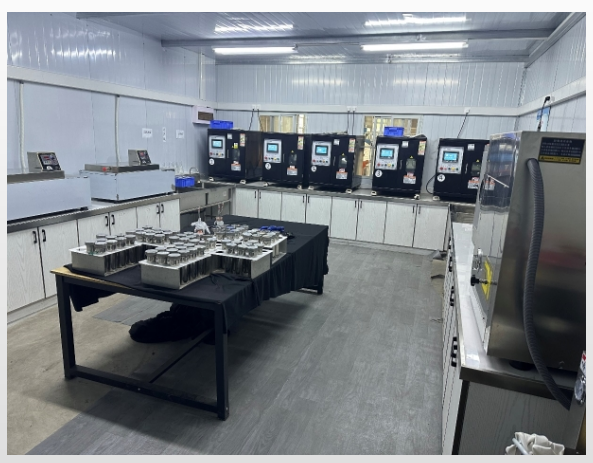
EKING fabric is the functional knit fabric offering of ZHANGJIAGANG E-KING TEXTILE CO.,LTD., a knitted textile enterprise established in 2011 in Zhangjiagang, China. The company operates in-house knitting, an internal laboratory, and in-house dyeing that began production in March 2022. Its reported annual output is 6,000 T, with 24 million yards of fabric and more than 100 new developed products each season. These facts are capability evidence for supplier evaluation; they do not by themselves prove that any one model meets a specific sportswear specification.
Why this comparison must start with purchase terms
A decision-stage comparison across EKWP2270-D6, EKWP1912-DSP, and 20ETW1028-DSP should begin with the purchase term that the fabric must satisfy. For a close-fit training top, stretch recovery and moisture management may carry more weight than water repellency. For a light outdoor layer, UV protection and water repellency may move up the schedule. For a next-to-skin base layer, easy-wash stability, odor control, and skin-contact compliance may become the first gate.
The commercial context supports a structured approach. Fact.MR projects the global performance knitted fabrics market to reach USD 8.58 billion in 2026, while Research and Markets expects the global moisture wicking fabrics market to grow to USD 3.99 billion by 2030 at a 6% CAGR. These figures describe category scale and direction, not E-king's share or any model's performance. They explain why buyers need a repeatable acceptance method rather than a one-off visual or hand-feel judgment.
Cost is part of the same decision, but it cannot be compared as a single number. The supplied comparison material states that functional knit fabric cost depends on fiber type, finishing processes, and origin, and that a supplier quote is required. A lower quote for one model code may reflect a different fiber base, a different finish package, or a different test scope. The buyer should normalize those variables before comparing price.
The acceptance schedule: what to require for all three model codes
The following schedule converts the sportswear brief into acceptance criteria. It applies to EKWP2270-D6, EKWP1912-DSP, and 20ETW1028-DSP without assuming that any one model has already passed a criterion. The purpose is to make each model's evidence package comparable.
| Acceptance area | Purchase-term question | Evidence to require before approval |
|---|---|---|
| Material base | Is the fabric nylon/spandex, nylon or recycled nylon spandex, or poly/spandex? | Exact fiber content, nominal percentages, fabric weight and width, and recycled-content evidence where a recycled claim is part of the purchase term. |
| Stretch and recovery | Does the end use require 4-way stretch, and what recovery is acceptable after repeated extension? | Elongation, recovery, growth, and test conditions. Do not accept a general "stretch" label as a substitute for measured values. |
| Moisture wicking and quick dry | How quickly should liquid spread, transport, and dry under the intended wear condition? | Wicking rate, drying time, test method, sample preparation, and pass/fail threshold for the same sportswear end use. |
| Breathability | Is air permeability or thermal comfort a critical requirement for the garment layer? | Measured breathability data using the same method and conditions across all three model codes. |
| UV protection | Is UV protection a claimed benefit or a market requirement? | UPF value where claimed, test method, and the conditions under which the result applies. |
| Water repellency and PFAS | Is water repellency required, and can the finish meet current PFAS expectations? | Spray rating or equivalent performance data, wash durability, and PFAS-free or compliant documentation matched to the destination market. |
| Easy-wash performance | What appearance, shrinkage, and colorfastness must remain after the declared care cycle? | Dimensional stability, shrinkage, colorfastness, and appearance after washing. Knitted shrinkage is typically 3%-8%, compared with 1%-3% for woven fabrics, so model-specific data matters. |
| Antibacterial or anti-odor finish | Is the finish optional, required, or excluded by the brand's compliance policy? | Finish identity, test method, durability after washes, scope of the claim, and safety or compliance documentation. An optional finish should not replace base-fabric testing. |
The schedule also protects against a common comparison error: treating one strong result as evidence for the whole fabric. A model code that performs well on stretch may still need separate evidence for drying, wash stability, and PFAS compliance. Each criterion should have its own report, its own conditions, and its own acceptance decision.
Technical explanation: why these criteria change the buyer's decision
Functional knit fabrics are generally selected for sportswear because elasticity and fit are central to the garment. The supplied comparison material states that functional knit fabrics provide 30%-150% stretch, compared with 3%-15% for woven fabrics, and are typically 20%-50% more breathable. Those ranges support the use of knits for sports compression, functional underwear, and training wear. They do not remove the need to test a specific model, because the range is wide and the actual result depends on fiber, structure, finishing, and test conditions.
Moisture management is a system property, not a single finish label. A quick-dry claim should be read together with wicking behavior, fabric weight, garment construction, and the intended activity level. A fabric that spreads moisture quickly may still dry slowly if the construction holds water. A fabric that dries quickly may not transport sweat away from skin in the same way. Buyers should require the same test method and the same conditioning routine for EKWP2270-D6, EKWP1912-DSP, and 20ETW1028-DSP before comparing results.
Water repellency adds a compliance dimension. OEKO-TEX implemented a new limit value for Total Fluorine of 100 mg/kg effective January 1, 2024, targeting PFAS compliance. California AB-1817 bans regulated PFAS in textiles at total organic fluorine below 100 ppm from January 1, 2025, dropping to below 50 ppm in 2027. A water-repellent sportswear fabric should therefore be checked against the destination market's current PFAS requirements, not only against a performance spray rating. The buyer should request documentation that identifies the finish chemistry and the compliance route.
Easy-wash performance is where knit constructions often need closer attention. The comparison material notes that knits require different sewing techniques and care, and that knitted shrinkage is typically 3%-8%, compared with 1%-3% for wovens. For a repeat-order sportswear program, the buyer should set a shrinkage range and a care-cycle test that match the garment's actual washing instructions. A model that passes a single lab wash is not automatically qualified for a full production lot.
Side-by-side model evidence requests
The three model references should be treated as candidate references until their evidence packages are complete. The table below does not declare a winner. It shows the first evidence request that is most useful for each model code under a sportswear purchase brief, and it states what the model code alone cannot establish.
| Model reference | First evidence request | What the model code does not establish |
|---|---|---|
| EKWP2270-D6 | Request the full specification and test package for the intended sportswear end use, with material base, stretch/recovery, wicking, drying, and wash stability reported under one method set. | The code alone does not establish fiber content, performance level, finish package, or compliance status. |
| EKWP1912-DSP | If recycled nylon is part of the purchase term, request recycled-content evidence and traceability documentation alongside the performance reports. | A recycled-content claim is not a performance result, and the model code alone does not prove recycled content. |
| 20ETW1028-DSP | If antibacterial or anti-odor is specified, request finish identity, durability after washing, claim scope, and safety documentation in addition to base-fabric tests. | An optional finish does not replace the base fabric's stretch, wicking, drying, or wash data. |
This is the buyer-side comparison: the models are compared by the completeness and relevance of their evidence, not by an assumed ranking. A model with a narrower evidence package may still be suitable if the missing items are not relevant to the end use. A model with a broader package is not automatically superior if its test conditions do not match the garment's actual use.
Application scenarios: matching the schedule to the sportswear brief
For a close-fit training top or legging, the buyer should weight 4-way stretch, recovery, wicking, quick dry, and easy-wash stability first. The acceptance question is whether the fabric keeps its fit and moisture behavior after repeated extension and washing. UV protection and water repellency may be secondary unless the garment is marketed for outdoor training.
For a light outdoor sportswear layer, water repellency, UV protection, and breathability may become the first gate. The buyer should still require the same base-fabric data, because a water-repellent finish can change hand-feel, airflow, and care requirements. PFAS documentation should be requested at the same time as the spray rating, not after the finish is approved.
For next-to-skin sportswear or functional underwear, antibacterial or anti-odor finishes may be proposed. The buyer should decide whether the finish is required, optional, or excluded by brand policy, then request the finish identity, test method, durability, and claim scope. This is particularly important when the garment will carry a consumer-facing odor-control claim.
Market trend analysis: compliance and traceability are moving into the spec sheet
The direction of travel is toward more documented claims, not fewer. PFAS limits are already part of the textile compliance landscape: the OEKO-TEX Total Fluorine limit took effect on January 1, 2024, and California AB-1817 sets a 100 ppm threshold from January 1, 2025, with a tighter 50 ppm threshold in 2027. For water-repellent functional knit fabric, the buyer should expect the finish chemistry and compliance route to be part of the purchase terms.
Recycled content is another area where documentation matters. SNS Insider projects the recycled textiles market at USD 6.32 billion in 2025, growing at a 4.70% CAGR to 2035. That projection supports buyer interest in recycled nylon spandex options, but it does not verify any specific model's recycled content. The buyer should request traceability evidence and confirm whether the recycled claim applies to the fiber, the yarn, or the finished fabric.
The broader knit market also remains large. Grand View Research estimated the global knitted fabric market at USD 35.7 billion by 2025, with a 6.0% CAGR, while Ken Research reports China's knitted fabric exports at approximately USD 21.2 billion in 2024. These figures describe a competitive supply base. They do not reduce the need to compare EKWP2270-D6, EKWP1912-DSP, and 20ETW1028-DSP on the same acceptance schedule.
Comparison with woven alternatives: fit boundary and limitation
Compared with woven fabrics, functional knit fabrics have distinct advantages in elasticity and fit. The supplied comparison material states that knits provide 30%-150% stretch versus 3%-15% for wovens and are typically 20%-50% more breathable. Wovens provide structural stability and are more suitable for outdoor jackets, workwear, and denim, while knits are more suitable for sports compression, functional underwear, and training wear.
The limitation is equally important. Knitted shrinkage is typically 3%-8%, compared with 1%-3% for wovens, and knits require different sewing techniques and care. A buyer who selects a knit for sportswear should plan for shrinkage tolerance, care labeling, and production alignment during sampling. These are fit boundaries, not defects. They explain why the acceptance schedule must include easy-wash and dimensional stability, especially for repeat orders.
Future outlook: what a credible model comparison should look like
If PFAS thresholds tighten as scheduled in California, water-repellent sportswear programs will need a documented compliance route before the finish is approved. If recycled-content claims continue to expand, buyers will need traceability evidence that connects the model code to the actual fiber or yarn source. If moisture-wicking claims become more competitive, the differentiator will be the quality of the test method and the willingness to report results under the same conditions.
For EKWP2270-D6, EKWP1912-DSP, and 20ETW1028-DSP, the practical next step is not to choose a model from a code or a single performance claim. It is to issue the same acceptance schedule to each model, request the same evidence, and compare the completeness of the response. E-king's in-house knitting, internal laboratory, in-house dyeing since March 2022, and 6,000 T annual output are relevant supplier-evaluation facts because they show where evidence can be generated and where supply continuity can be reviewed. They are not a substitute for model-level test reports.
A company profile PDF is available for buyers who need the supplier's own capability summary: E-king company profile.
FAQ
How should a buyer compare EKWP2270-D6, EKWP1912-DSP, and 20ETW1028-DSP if model-level test data is not yet available?
Use one acceptance schedule for all three model codes. Request the same fiber content, stretch and recovery data, wicking and drying results, UV or water-repellency claims where relevant, easy-wash performance, and finish documentation. Compare the completeness and relevance of the evidence, not the model code alone.
Which acceptance criteria matter most for moisture-wicking sportswear?
For most moisture-wicking sportswear, the first criteria are material base, 4-way stretch and recovery, wicking rate, drying time, breathability, and easy-wash stability. UV protection, water repellency, and antibacterial or anti-odor finishes should be added when the garment brief or destination market requires them.
How can buyers verify water repellency without conflicting with PFAS rules?
Request the water-repellency performance data and the finish chemistry documentation together. Check the destination market's PFAS requirements, including the OEKO-TEX Total Fluorine limit of 100 mg/kg effective January 1, 2024, and California AB-1817 thresholds of 100 ppm from January 1, 2025, and 50 ppm in 2027.
What evidence supports E-king's supply continuity for repeat orders?
E-king reports in-house knitting, an internal laboratory, in-house dyeing since March 2022, 6,000 T annual output, and 24 million yards of fabric output. These facts support a supplier-evaluation review of where testing and dyeing continuity sit. They should be paired with model-level test reports and lot-to-lot consistency checks for the specific order.
Does a knit-versus-woven comparison decide which model is suitable for sportswear?
No. The knit-versus-woven comparison explains why knits are generally more suitable for stretch and breathability in sports compression, functional underwear, and training wear, while wovens are more suitable for outdoor jackets, workwear, and denim. It does not establish that a specific model meets a specific sportswear brief. Model-level testing and purchase-term review are still required.
Have Questions or Need More Details?
Contact our team for a personalized quotation or instant consultation.
Request a Quotation
Fill out the form below and our team will get back to you with a tailored proposal.
WhatsApp Direct Chat
Prefer to chat in real-time? Message us on WhatsApp for instant assistance & quick answers.
- Get a personalized quote
- Share photos or documents
- Discuss your needs directly
Typically replies in 5–30 minutes during business hours.