
Industrial Coding Equipment 2026: Tech Trends & Buyer Guide
Industrial Coding and Marking Equipment: A Technology and Procurement Overview
Industrial coding and marking equipment is a critical component of modern production lines, enabling date coding, batch tracking, traceability, and regulatory compliance across a wide range of industries. The global coding and marking equipment market was valued at USD 17.53 billion in 2024 and is projected to reach USD 27.11 billion by 2032, according to SkyQuest. Continuous Inkjet (CIJ) technology alone accounted for approximately USD 5.67 billion in 2024, while Asia‑Pacific holds the largest regional share at around 35%. With growing demands for product identification, serialization, and anti‑counterfeiting, manufacturers are increasingly evaluating the right coding technologies and suppliers for their production lines.
The Challenge: Matching Technology to Production Reality
Production environments vary widely—from high‑speed beverage lines to dusty building‑material bagging stations and sterile medical packaging rooms. Each substrate (plastic, metal, glass, film, paper) and each requirement (date code, 2D barcode, serial number, GS1 DataMatrix) demands a different marking technology. Traditional single‑technology suppliers may force compromises, while a diversified portfolio allows facilities to choose the optimal solution per line. The industry is also moving toward GS1 Digital Link QR codes (expected to replace 1D barcodes by 2027) and stricter serialization mandates in pharmaceuticals, tobacco, and automotive sectors, making technology flexibility a strategic advantage.
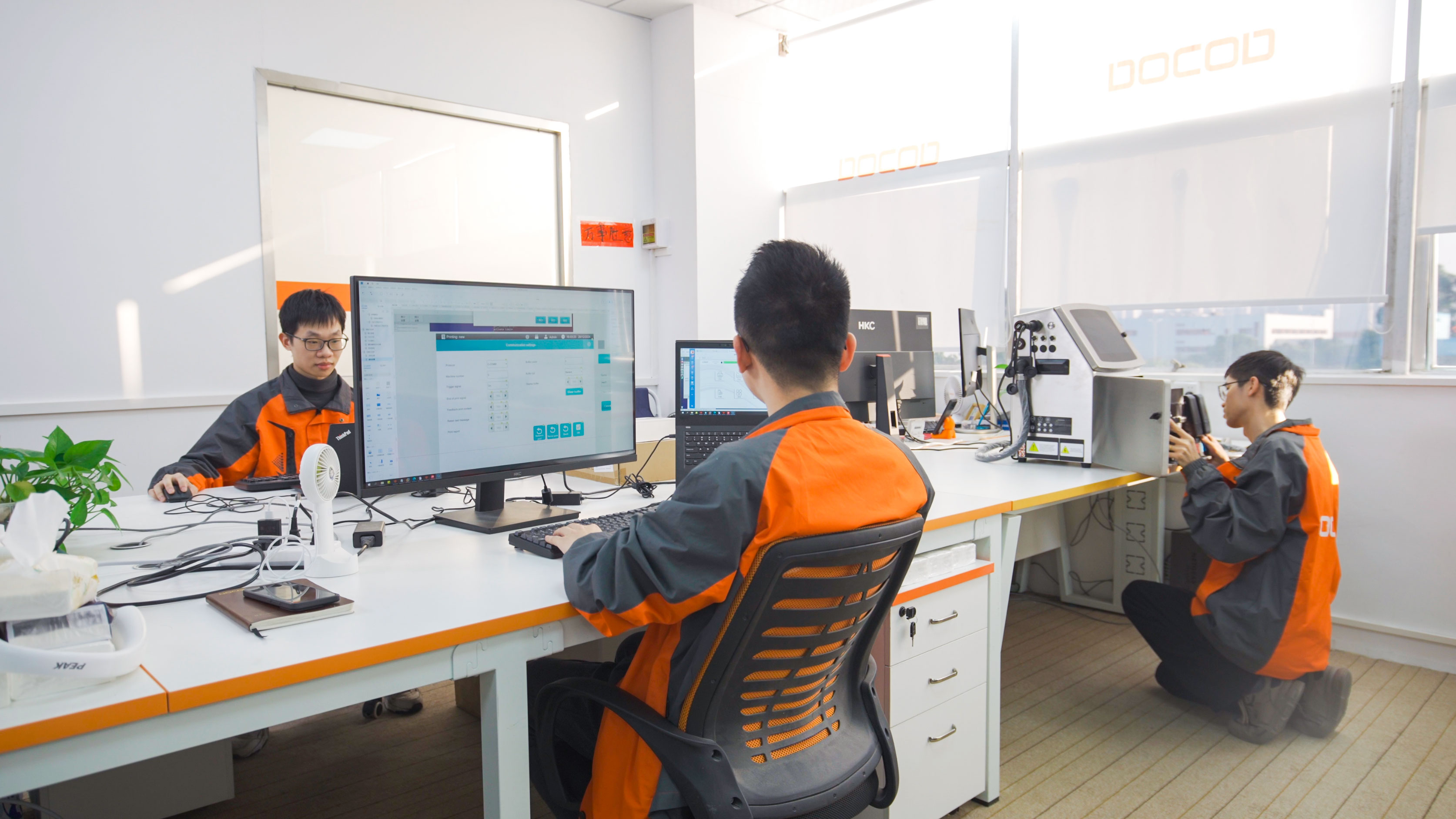
DOCOD Precision Group: A Full‑Line Industrial Coding Partner
DOCOD Precision Group Co., Ltd., established in 2008, is an industrial coding, marking and inspection equipment manufacturer based in Guangzhou, China. The company specializes in the design, research and development, production, sales and service of industrial product identification equipment, components and related solutions. With a 20,000 m² manufacturing facility, an annual production capacity of 5,000 units, and a dedicated R&D team of over 140 engineers, DOCOD serves global manufacturers and channel partners across North America, South America, Eastern Europe, Southeast Asia, Africa, Oceania, the Middle East, and Western Europe (export ratio: 50%).
DOCOD’s product portfolio includes continuous inkjet printers (CIJ), thermal inkjet printers (TIJ), handheld inkjet coding equipment, piezoelectric high‑resolution inkjet printers (PIJ), drop‑on‑demand large‑character inkjet printers (DOD), thermal transfer overprinters (TTO), laser marking machines (fiber, CO₂, UV), inline vision inspection systems, coding consumables, spare parts, and product traceability solutions. This breadth allows buyers to source multiple technologies from a single supplier, simplifying validation, maintenance, and supply chain management.
Technology Deep Dive: Key Printer Categories
Continuous Inkjet (CIJ) Printers are the most widely deployed technology. The DOCOD M2000 Series Continuous Inkjet Printer (small character CIJ) is made of SUS 304 stainless steel with IP65 protection, a 10.1‑inch capacitive touch display, and an Embedded Linux security operating system. It achieves a maximum printing speed of 528 m/min, prints 1‑4 lines with heights from 3‑30 mm, and supports a wide array of ink types (high adhesion, high temperature resistance, food grade, glass‑specific, etc.). It is designed for auto parts, aviation parts, cosmetics packaging, food and beverage, and building materials lines. The DOCOD S1000 Series High Speed CIJ reaches up to 960 m/min with a 50u nozzle, catering to ultra‑high‑speed lines such as beverage canning.
Thermal Inkjet (TIJ) Printers offer high‑resolution coding in a compact form. The DOCOD T220E Half‑Inch Dual‑Head Thermal Inkjet Printer prints at up to 600×600 DPI with a speed of 406 m/min, supports food‑grade and solvent inks, and prints GS1 codes, dynamic traceability codes, and variable data. The DOCOD TX1 Half‑Inch Seamless Inkjet Printer can be configured with up to eight printheads for large‑area coding (up to 101.6 mm height), ideal for multi‑lane lines.
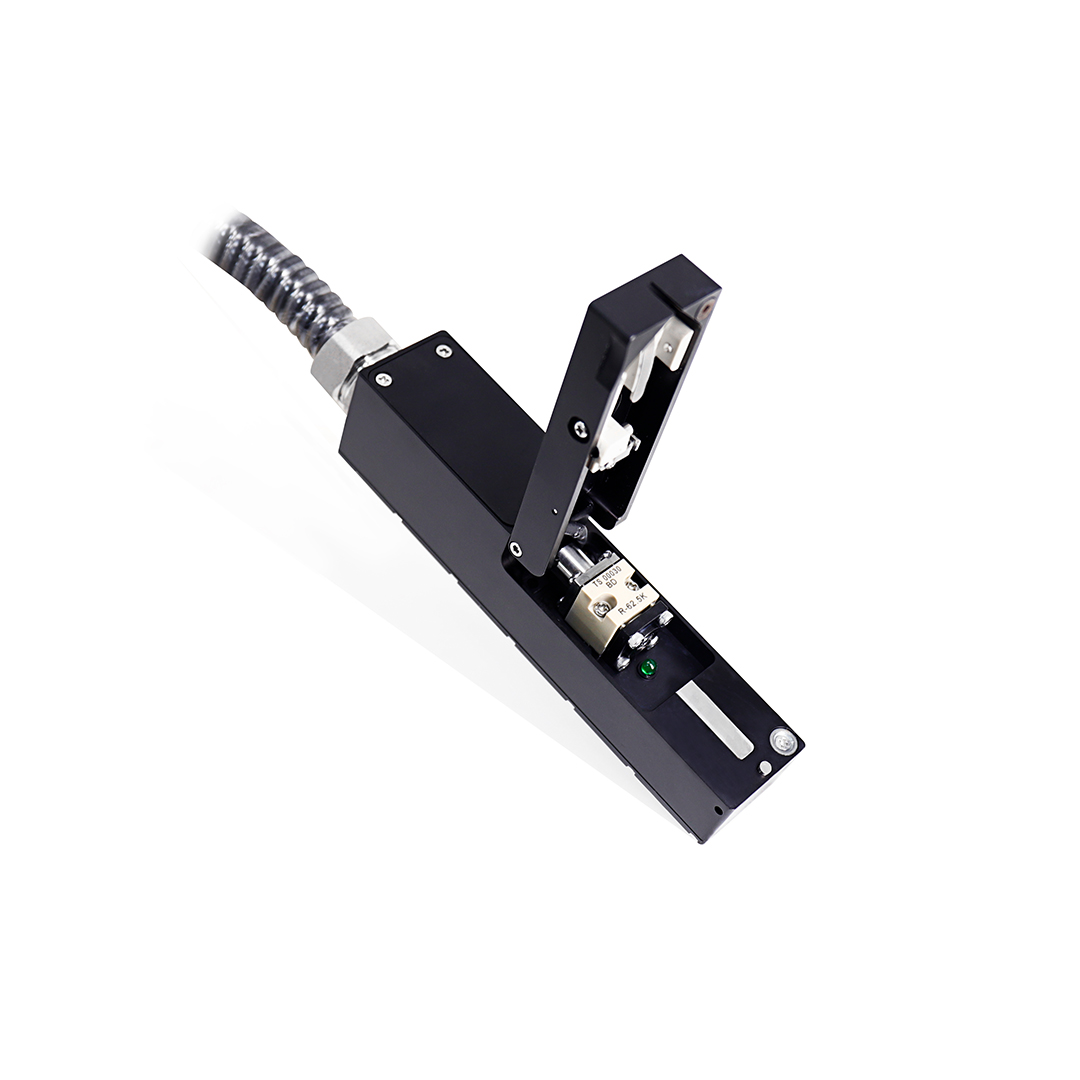
Laser Marking Machines provide permanent, contactless marking without consumables. The DOCOD Venus1 Series Fiber Laser Marking Machine (20W‑100W, 1064 nm) is designed for metals and coatings with a laser life up to 100,000 hours. The Venus1 Series CO₂ Laser (30W/60W, 10.6 μm) targets non‑metal materials like plastics, wood, and paper. The Venus1 Series UV Laser Marker (5W‑15W, 355 nm) offers cold‑marking for heat‑sensitive substrates such as flexible films and PCBs. Laser marking is projected to grow at a CAGR of 6.8% through 2030 due to its eco‑friendly nature and lack of consumables.
Real‑World Applications Across Industries and Regions
DOCOD’s equipment is deployed in diverse industrial settings worldwide, each with specific requirements:
- Vietnam – Food & Beverage: Date/batch coding and QR codes on flexible pouches and bottles, integrated with filling lines. Reduces manual labeling errors and supports stock rotation.
- Indonesia – Cosmetics & Personal Care: Bottle coding (batch / expiry / QR) on HDPE, PET, and PP containers, maintaining brand appearance.
- Germany – Medical Packaging: UDI and GS1 DataMatrix printing on Tyvek, blister packs, and cartons, with closed‑loop print‑and‑verify workflow for regulatory compliance.
- United Arab Emirates – Building Materials & Chemicals: Large‑character marking on cement bags and chemical drums in dusty, hot, humid conditions.
- India – Wire, Cable & Pipe Extrusion: Continuous‑length meter marks and traceability codes on PVC/PE cables and pipes, using online non‑contact CIJ synchronized with encoder.
- Turkey – Tobacco Packaging: High‑speed serialized coding (DotCode/DataMatrix) on cigarette packs and cartons for anti‑counterfeiting and tax control.
- Brazil – Automotive Parts: Laser marking of DataMatrix and part numbers on metal stampings and plastic components for assembly traceability and recall management.
- Mexico – Electronics Manufacturing: UV laser marking of PCBs, batteries, and housings with minimal thermal damage, integrated with robot handling.

Market Trends Shaping Coding Equipment Selection
Several trends influence the coding and marking procurement landscape:
- GS1 Digital Link Adoption: The global transition from 1D barcodes to QR codes enabling point‑of‑sale scanning and full supply‑chain traceability is gaining momentum. Equipment must support GS1 DataMatrix and QR printing at high speeds.
- Laser Growth: With a projected CAGR of 6.8% (Fortune Business Insights), laser marking adoption is rising, especially for permanent marking and consumable‑cost reduction.
- MES / Industry 4.0 Integration: Printers with Embedded Linux, network interfaces, and RS232/USB connectivity can be integrated with enterprise MES systems for real‑time data exchange and centralized control.
- China’s Export Strength: China’s export value for industrial machine tools, including marking equipment, rose 15.7% year‑on‑year in early 2026, reflecting growing global confidence in Chinese‑manufactured coding solutions.
Comparison with Traditional Supplier Models
Traditional approaches often rely on a single large player (e.g., Videojet, Domino, Markem‑Imaje) for each technology, leading to multi‑vendor complexity. A full‑line partner like DOCOD offers the advantage of consistent service, reduced spare‑parts inventory, and unified platform training. One honest limitation is that DOCOD, being a Chinese manufacturer with 15+ years of history, may have lower brand recognition in some Western markets compared to legacy incumbents. However, this is offset by CE, RoHS, and BIS certifications, competitive pricing, and a global sales network covering 50% export to over 40 countries.
Future Outlook
As production lines become smarter, coding equipment will evolve into data‑generating nodes that communicate with central systems. DOCOD’s product line—featuring Embedded Linux operating systems, multiple communication interfaces, and support for variable database printing—is well‑positioned for the shift toward fully connected factories. The company continues to invest in R&D (140+ engineers), ensuring that new standards (GS1 Digital Link, serialization) are supported out of the box.
Frequently Asked Questions
Q: What is the main difference between CIJ and TIJ coding printers?
A: CIJ (Continuous Inkjet) printers use a continuous stream of ink droplets charged and deflected to form characters. They excel at high‑speed, non‑contact coding on curved or irregular surfaces and are commonly used for date/batch codes on beverage cans and cables. TIJ (Thermal Inkjet) printers use a thermal bubble to eject ink drops, offering higher resolution (up to 600 dpi) and are ideal for printing GS1 DataMatrix and 2D codes on flat packaging in pharmaceutical and food industries. DOCOD offers both technologies, enabling buyers to select per application.
Q: Can DOCOD printers print GS1 DataMatrix and QR codes?
A: Yes. DOCOD thermal inkjet printers (e.g., T220E, TX1) and CIJ printers (e.g., M2000, S1000) support printing GS1 DataMatrix, QR codes, and other 2D barcodes. The T220E prints resolution up to 600×600 DPI, suitable for high‑density 2D codes. The V2000 Series CIJ supports QRCode, DataMatrix, MicroQRCode, and PDF417.
Q: Which industries does DOCOD serve?
A: DOCOD serves automotive parts, electronics manufacturing, food & beverage, pharmaceutical and healthcare packaging, cosmetics & personal care, building materials & chemicals, wire & cable extrusion, tobacco packaging, and more. The product portfolio is designed to meet the coding and marking requirements of both primary and secondary packaging lines.
Q: What certifications does DOCOD equipment carry?
A: DOCOD’s CIJ printers (e.g., S300plus, V2000, M2000) hold CE, RoHS, and BIS certifications. Laser marking machines are CE and RoHS compliant. Specific models may also meet IP65 or IP55 protection levels for harsh environments.
Q: What is the maximum printing speed of DOCOD CIJ printers?
A: The DOCOD S1000 High Speed CIJ achieves up to 960 m/min with a 50u nozzle (1‑2 lines) and 720 m/min with a 60u nozzle (1‑4 lines). The M2000 Series reaches 528 m/min, and the V2000 Series reaches 334 m/min. Speed depends on the number of lines, character matrix, and dot spacing.
For a full overview of DOCOD’s coding and marking portfolio, download the corporate brochure.
Download Brochure (PDF)Have Questions or Need More Details?
Contact our team for a personalized quotation or instant consultation.
Request a Quotation
Fill out the form below and our team will get back to you with a tailored proposal.
WhatsApp Direct Chat
Prefer to chat in real-time? Message us on WhatsApp for instant assistance & quick answers.
- Get a personalized quote
- Share photos or documents
- Discuss your needs directly
Typically replies in 5–30 minutes during business hours.