
Industrial Coding Equipment Comparison 2026: CIJ vs TIJ vs Laser
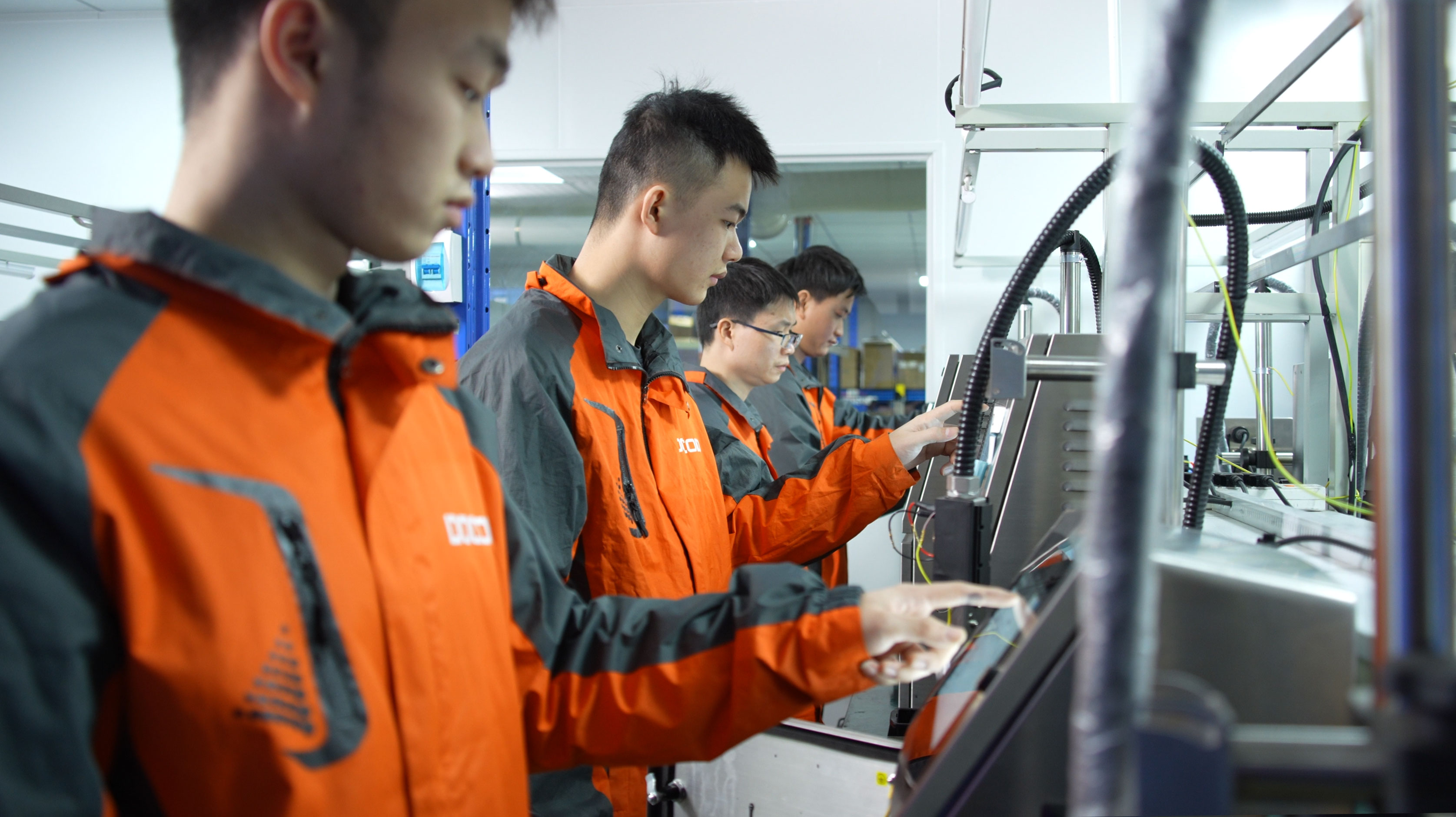
Selecting the right industrial coding and marking equipment for a production line is a decision that directly impacts throughput, code quality, and long-run operational cost. For buyers in the decision stage, a side-by-side comparison of major technologies—Continuous Inkjet (CIJ), Thermal Inkjet (TIJ), Piezo Inkjet, and Laser—is essential to match equipment capabilities with production requirements.
Industry Context: The Growing Need for Code Precision and Speed
The global coding and marking equipment market was valued at USD 17.53 billion in 2024 and is projected to reach USD 27.11 billion by 2032, according to industry estimates. Continuous Inkjet (CIJ) technology alone accounted for approximately USD 5.67 billion in revenue in 2024, reflecting its dominant role in date coding, batch marking, and variable data printing across packaging lines. At the same time, laser marking technology is projected to grow at a CAGR of 6.8% through 2030, driven by its eco-friendly, no-consumable operation. For manufacturers evaluating their next capital investment, understanding the trade-offs between speed, substrate compatibility, consumable costs, and maintenance is critical.
DOCOD Precision Group: A Multi-Technology Supplier
DOCOD Precision Group Co., Ltd. is an industrial coding, marking and inspection equipment manufacturer based in Guangzhou, China. Founded in 2008, DOCOD focuses on the design, R&D, production, sales and service of industrial product identification equipment. Its portfolio includes continuous inkjet printers (CIJ), thermal inkjet printers (TIJ), piezoelectric high-resolution inkjet printers (PIJ), drop-on-demand large-character inkjet printers (DOD), thermal transfer overprinters (TTO), laser marking machines, and inline vision inspection systems. With over 140 R&D staff and an annual output of 5,000 units, DOCOD serves manufacturers and channel partners globally with application-focused support for date coding, batch marking, variable data printing, GS1 DataMatrix coding, serialization, and code inspection.
Technology Comparison: Performance and Application Fit
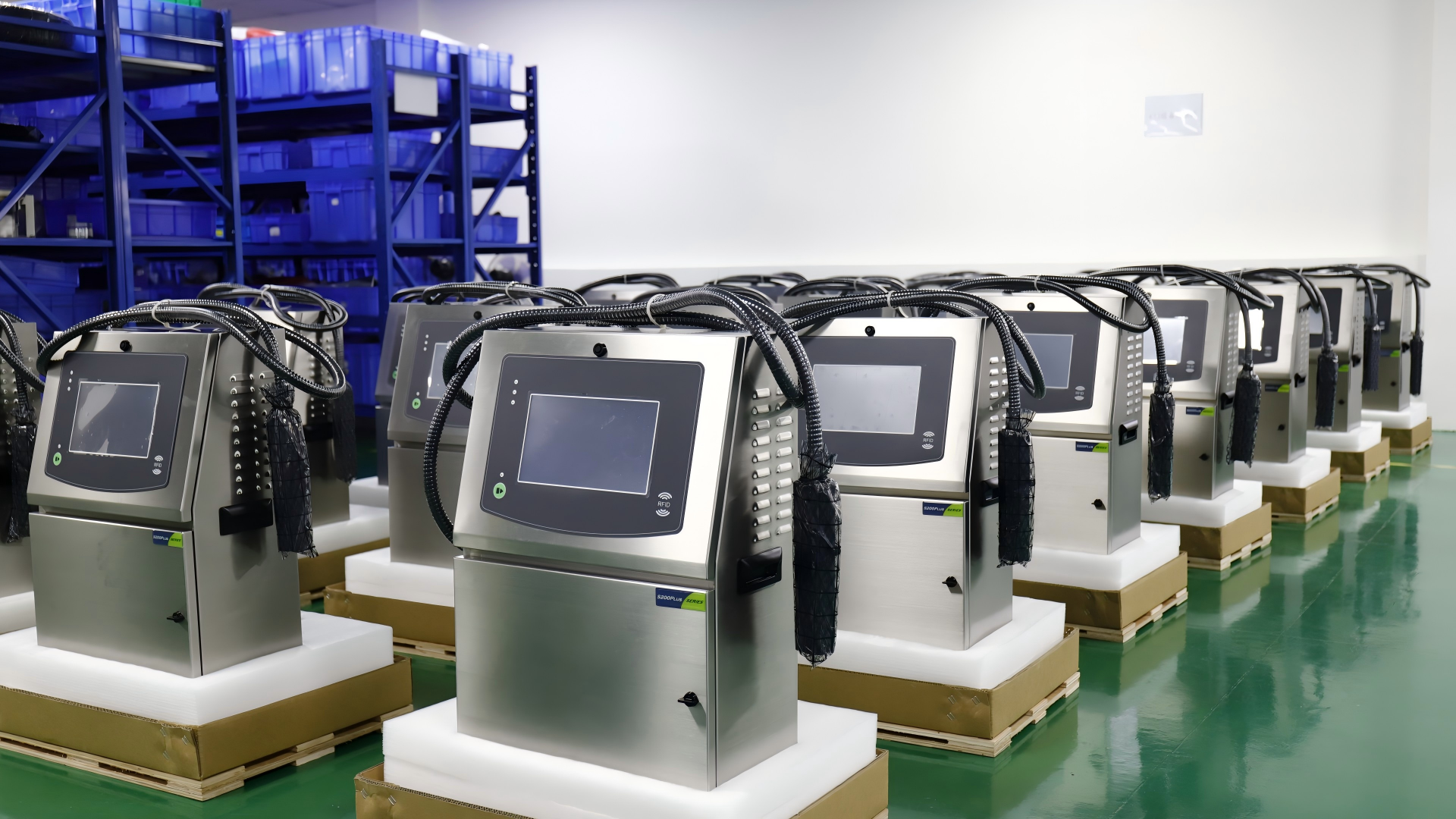
Continuous Inkjet (CIJ) — High-Speed Continuous Coding
DOCOD’s CIJ offerings include the S1000 Series and V2000 Series. The DOCOD S1000 Series Continuous Inkjet Printer provides up to 576 m/min printing speed, significantly faster than typical alternative marking methods, making it suitable for high-speed cable, pipe and extrusion line scenarios. It includes IP55 protection and automatic nozzle cleaning for robust operation in harsh environments. The DOCOD V2000 Series achieves up to 334 m/min and is designed for coding on bottles, cables, and varied irregular surfaces. Compared to a CO₂ laser marking machine, the V2000 generally has a lower upfront cost, while the laser route reduces ongoing consumable expenses over time.
Thermal Inkjet (TIJ) — High-Resolution Cartridge-Based Coding
DOCOD T220E Half-Inch Dual-Head Inkjet Printer uses high-resolution cartridge-based coding and provides a print height of 25.4 mm versus 16 mm for the V2000 CIJ, a 9.4 mm advantage. It is more efficient for short- to medium-run high-resolution jobs and is suitable for carton, QR/barcode and readable variable data coding. Its top speed reaches 406 m/min, up to 346 m/min faster than the DOCOD T260E, which is a basic low-cost TIJ printer for simple date coding on eggs, bottles and boxes. For applications requiring compact installation, the DOCOD TX1 offers a 12.7 mm print height at the same top speed.
Piezo Inkjet (PIJ) — Wide-Format High-Resolution Coding
The DOCOD P2000 high-resolution piezo inkjet printer provides an 8.4 mm larger print height (33.8 mm vs 25.4 mm) and 70 m/min higher speed at 300 dpi (190 m/min vs 120 m/min) over thermal inkjet alternatives like the T220E. It uses a continuous ink-supply architecture, reducing per-cartridge costs and waste, and is more suitable for larger QR codes, coated cartons, traceability codes, and bigger print areas. This makes the P2000 a strong option when code density and area exceed what TIJ can efficiently handle.
Laser Marking — Permanent, No-Consumable Coding
DOCOD’s laser marking machines span three laser types: Fiber (1,064 nm), CO₂ (10,600 nm), and UV (355 nm). The DOCOD Venus1 Series Fiber Laser Marking Machine is optimized for metals and robust plastics, while the Venus1 Series CO₂ Laser Marking Machine serves non-metal substrates such as paperboard, film, labels, and glass. Both are no-consumable laser routes with lower routine intervention than ink-based systems. The DOCOD L3000 Series 5W UV Laser Marking Machine operates at 355 nm, enabling low-heat marking on sensitive substrates like glass, PVC, ABS, HDPE and delicate packaging. Compared to CO₂ laser, UV provides better mark integrity on delicate materials, while CO₂ covers a wider range of standard non-metal packaging tasks. Laser marking technology generally has higher upfront equipment cost but shifts spend away from recurring ink/ribbon consumables.
Thermal Transfer Overprinter (TTO) — Flexible Film Coding
The DOCOD R4000 Series Industrial Thermal Transfer Overprinter is designed for flexible films, sachets, pouches and labels. It provides coding speeds up to 800 mm/s and supports ribbon lengths from 400 m to 1,200 m. Compared to UV laser marking, TTO has recurring ribbon cost while UV laser removes ribbon handling but requires substrate validation and proper laser setup. TTO remains a mainstream route for standard flexible packaging when laser compatibility is not confirmed.
Application Scenarios: Matching Technology to Production Line
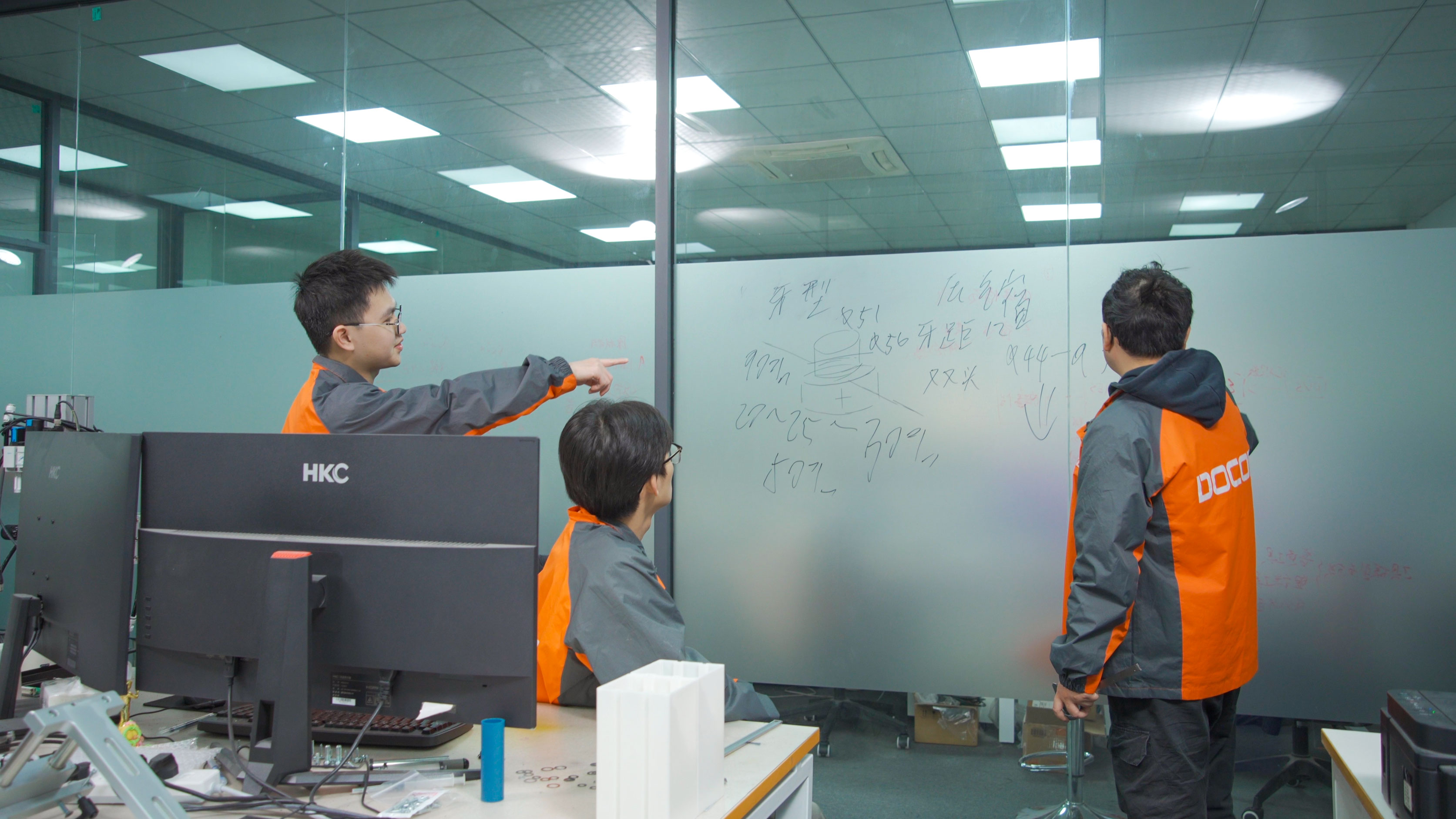
Each technology serves distinct production scenarios:
- High-speed extrusion lines (cable, pipe, profile): The DOCOD S1000 CIJ, with 576 m/min speed and IP55 protection, is built for continuous, high-speed coding in dusty or damp environments.
- General packaging (bottles, cans, blister packs): The DOCOD V2000 CIJ offers a balance of speed (334 m/min) and flexibility across irregular surfaces.
- Carton and label coding with variable data or GS1 barcodes: The DOCOD T220E TIJ provides higher resolution and a 25.4 mm print height for readable QR codes and date codes.
- Large-area traceability codes on coated cartons: The DOCOD P2000 PIJ with 33.8 mm print height and continuous ink supply reduces per-piece cost for long runs.
- Permanent marking on metals and robust plastics: DOCOD Venus1 Series Fiber Laser delivers permanent, wear-resistant codes without consumables.
- Non-metal packaging requiring permanent marks: DOCOD Venus1 Series CO₂ Laser is suited for paperboard, labels, PET, and glass.
- Delicate substrates (glass, PVC, HDPE, flexible films): DOCOD L3000 UV Laser minimizes thermal damage while providing permanent marks.
- Flexible films, sachets, pouches: DOCOD R4000 TTO offers high-speed ribbon-based coding with wide ribbon length support.
Market Trend Analysis
Asia-Pacific accounts for the largest geographical market share in the coding and marking sector, estimated at around 35% in 2024. China’s export value for industrial machine tools, including marking equipment, rose by 15.7% year-on-year in early 2026, reflecting growing global demand for cost-competitive, high-performance coding solutions. The GS1 Digital Link standard is being globally adopted to replace 1D barcodes with QR codes for point-of-sale and traceability by 2027, placing greater emphasis on the ability to print high-density, machine-readable 2D codes. This trend favors technologies capable of high-resolution printing such as TIJ, PIJ, and laser marking. The laser segment’s projected 6.8% CAGR underscores a shift toward consumable-free solutions where substrate compatibility permits.
Comparison with Traditional Solutions
Compared to single-technology suppliers, DOCOD’s multi-technology portfolio allows buyers to select and even combine technologies on the same line without managing multiple vendor relationships. However, one honest limitation is that no single coding technology is universally optimal for all substrates and speed ranges. A buyer must carefully evaluate material compatibility and line speed before deciding—a point that underscores the value of a supplier that can offer alternative options if the initial selection proves suboptimal.
Future Outlook
As packaging regulations tighten and consumer demand for traceability increases, coding equipment will need to support higher data density, faster line speeds, and more stringent code verification. The trend toward multi-technology platforms, where a single supplier provides CIJ, TIJ, laser, and inspection in a cohesive system, is likely to accelerate. Manufacturers that partner with a full-line supplier like DOCOD can adapt to changing coding requirements—such as migrating from 1D barcodes to GS1 Digital Link QR codes—without undergoing a complete equipment overhaul.
Frequently Asked Questions
Q: What is the main difference between CIJ and laser marking for industrial coding?
A: CIJ systems like the DOCOD V2000 use ink and solvent consumables and can achieve speeds up to 334 m/min. Laser marking (e.g., DOCOD Venus1 Series) uses no ink, ribbon, or solvent, resulting in lower ongoing consumable costs. CIJ generally has a lower upfront cost, while laser shifts spend toward initial equipment. Substrate suitability is the primary decision factor: CIJ works on a wide range of surfaces including irregular shapes, while laser is ideal for permanent marks on compatible substrates.
Q: Which technology offers lower operating costs: CIJ or laser?
A: In the long run, laser marking typically lowers operating costs because it uses no consumables (ink, solvent, ribbon). However, the upfront equipment cost is higher. CIJ entails recurring ink and solvent purchases and more frequent maintenance. The total cost advantage depends on production volume and substrate compatibility; for high-volume, substrate-compatible lines, laser often delivers a lower total cost of ownership.
Q: When should I choose TIJ over CIJ?
A: Thermal Inkjet (TIJ) printers like the DOCOD T220E are more efficient for short- to medium-run high-resolution jobs, offering higher print resolution and a larger print height (25.4 mm vs 16 mm for V2000 CIJ). TIJ is better suited for carton, QR/barcode, and readable variable data coding. CIJ remains a better choice for bottles, cables, and general continuous production coding where speed and multi-surface flexibility are paramount.
Q: How does DOCOD's piezo inkjet printer compare to its thermal inkjet printer for high-resolution codes?
A: The DOCOD P2000 piezo inkjet printer provides 8.4 mm more print height (33.8 mm vs 25.4 mm) and 70 m/min higher speed at 300 dpi (190 m/min vs 120 m/min) compared to the T220E TIJ. It uses a continuous ink-supply architecture that reduces per-cartridge costs and waste, making it more suitable for larger QR codes, coated cartons, and traceability codes requiring wider coverage and higher output.
For detailed specifications and model recommendations, download the corporate brochure: DOCOD Corporate Brochure (PDF)
Contact DOCOD Precision Group Co., Ltd.
Email: sales@docod.com.cn
Tel: +86 139-2896-7650
Website: www.docod-group.com