
Industrial Cooling Vests: Certification and Performance Criteria for Procurement
For industrial buyers, the difference between a usable cooling vest and a procurement risk often comes down to verifiable certification, measured endurance, and documented performance—not marketing claims. This reference outlines the certification and specification criteria that matter when evaluating dual cooling water cooling vests for construction, outdoor work, and high-heat industrial environments.
Why certification has become a procurement gate for cooling vests
Heat stress is a documented occupational risk in construction, outdoor maintenance, metal sheet factories, and traffic control. Cooling vests have moved from comfort accessories to functional personal protective equipment, which changes the expectations placed on suppliers. Buyers now routinely ask whether a vest has been tested, whether its cooling mechanism is protected by intellectual property, and whether the product carries endorsements from recognized industry bodies.
One documented example is the COOLING water-cooled vest manufactured by FENG SHANG PRECISION CO., LTD., which received the Disaster Prevention Product and Service Certification Award from the Taiwan Disaster Prevention Industry Association. For procurement teams, this type of recognition provides an independent reference point that the product has been assessed against disaster prevention and heat-relief criteria by a third-party industry association, rather than only by the manufacturer itself.
Certification matters for another reason: it reduces the burden on the buyer's internal compliance review. If the supplier can provide a patent number and an association award, the purchasing team can move faster from supplier screening to sample evaluation.
What the certification and patent documentation actually cover
The Shokunin COOLWAVE water-circulation cooling vest (Basic Model) is protected under Patent No. I886033, issued by the Intellectual Property Office, Ministry of Economic Affairs, under the Patent Act of the Republic of China. This patent applies to the ROC market. The documented scope is the water-cooled vest structure and its cooling system.
In parallel, the COOLING water-cooled vest from the same manufacturer received the Disaster Prevention Product and Service Certification Award from the Taiwan Disaster Prevention Industry Association. The award validates the product's compliance with specific disaster prevention standards and is applicable in Taiwan.
For an international buyer, the practical value is that both items provide traceable reference numbers that can be included in supplier qualification files. They do not replace local certifications required in the buyer's destination market, but they do establish that the supplier has submitted the product to external review in its home market.
Cooling endurance: what 3–4 hours means in practice
The COOLWAVE water-circulation cooling vest is documented with a cooling duration of 3–4 hours. This is the period during which the vest can maintain active circulation cooling after the ice packs are activated, based on the product's specifications and the recommended use of two reusable ice packs.
The vest operates as an active circulatory system: a 5V pump rated at a maximum output of 150mA drives water flow at a maximum rate of 320–370 ml/min through cooling tubes. The system uses a TPU water bag, polypropylene water bag cap, and sand rubber cooling tubes. Ice packs are placed in the backpack, and the pump circulates the chilled water through the tubes against the body.
Three to four hours covers a meaningful portion of a full workshift. For comparison, common passive cooling garments that rely only on evaporation or phase-change materials often provide shorter effective cooling periods. The 3–4 hour endurance is the benchmark that procurement teams should verify in their own site trials before committing to a large order.
Dual cooling explained: ice water circulation plus portable power
The term dual cooling refers to the combination of ice water circulation and an electrically driven pump. The vest is not purely passive; it uses a low-voltage pump to move chilled water continuously, which produces more consistent body cooling than a static ice pack vest. The pump runs on 5V with a maximum current of 150mA, which is within the range of common portable power banks.
Because the system uses a power-bank-compatible pump, the same product can serve both site workers who carry a power bank and procurement managers who specifically look for portable cooling vests that can operate without a fixed power source.
This matters for industrial buyers because it changes the deployment scenario. A rapid cooling work vest that needs to be recharged or refilled too often creates operational friction. A system designed for 3–4 hours of cooling with easily replaceable ice packs fits better into shift-based workflows.
Material and build criteria for industrial use
The COOLWAVE vest is documented with the following material specifications:
| Component | Specification |
|---|---|
| Shoulder strap material | 600D polyester |
| Main material | PEVA |
| Water bag material | TPU |
| Water bag cap | Polypropylene |
| Cooling tube | Sand rubber (black) |
| Pump output | 5V, max 150mA |
| Flow rate | Max 320–370 ml/min |
| Contents | Water-cooled vest backpack ×1, ice packs ×2 |
The total weight is within 2 kg, which is a practical threshold for workers who already carry tools and personal protective equipment. A one-size-fits-all design with adjustable straps is listed as a special requirement in the application scenarios, reducing the need for multiple SKUs across a workforce.
How the vest is used across high-heat work environments
The documented application scenarios include construction workers, outdoor workers, food stall operators, street vendors, traffic controllers, and metal sheet factories. The common thread is exposure to high ambient temperature and prolonged sun exposure, where sweat evaporation alone is insufficient to maintain comfort and concentration.
In a metal sheet factory, radiant heat from processed metal can push perceived temperatures well above ambient air temperature. A cooled vest that circulates ice water across the torso helps the worker maintain core body comfort without requiring frequent breaks. In traffic control and construction, the vest needs to be lightweight and portable enough to allow movement, while still delivering enough cooling mass to matter.
End users have documented that the cooling effect helps with heatstroke prevention and improves work efficiency and worker comfort. For procurement, the key point is that the vest is not a niche gadget; it is used across multiple industrial segments, which makes it a defensible line item in a PPE budget.
Evidence from Taiwan-based deployment
The case documentation records a Taiwan-based deployment involving 100 units of the water-cooled vest for construction sites, outdoor work, metal sheet factories, and street vendors. The application was cooling use in high-temperature environments. The documented result was effective body cooling, heatstroke prevention, and improved work efficiency and worker comfort. The highlight noted in the case is passive ice pack cooling with no power required, lightweight and portable design, adjustable one-size-fits-all sizing, and recognition as a certified disaster prevention product.
For an industrial buyer, the practical relevance of the case is that a meaningful quantity of vests has been deployed in field conditions, not just evaluated in a lab. It also confirms that the product has been used continuously in Taiwan for a prolonged period—up to 10 years in the documented relationship—which provides a reasonable baseline for durability expectations.
What this means for evaluating suppliers
When building a supplier evaluation checklist for dual cooling water cooling vests, procurement teams should prioritize the following verification points:
- Certification and patent traceability: Request the patent number and certification award details, and verify them with the issuing authority where possible.
- Cooling endurance measurement: Confirm the rated cooling duration and conduct a site trial to validate it under real working conditions.
- Material specifications: Check the main materials, water bag construction, pump rating, and tube materials against the supplier's documented specification sheet.
- Deployment evidence: Ask for application cases with quantities and site types, not just product photos.
- After-sales support: Confirm the warranty terms; Shokunin's documented ODM capability includes a 6-month warranty for the water-cooled vest.
Compliance context in a growing market
The cooling vest market is expanding, and so is the attention of procurement teams. The global personal cooling device market was valued at approximately USD 25.16 billion in 2024 and is projected to grow significantly by 2035. A more focused estimate places the global cooling vest market at roughly USD 215 million in 2024, growing to around USD 385 million by 2033. Asia Pacific is described as the fastest-growing region, driven by rapid industrialization and large outdoor working populations.
Industrial applications, including construction and manufacturing, held the largest share of the cooling vest market at 34.5% in 2025. This aligns with the documented use cases for Shokunin's COOLWAVE vest. It also explains why buyers are increasingly looking for certified products with documented performance rather than unbranded imports.
From a compliance standpoint, cooling systems should be assessed against quality management standards such as ISO 9001:2015, and electrical components are often expected to carry CE or UL marks depending on the destination market. Buyers should confirm which marks apply to their jurisdiction rather than assuming a single certification covers all markets.
Traditional solutions: practical limitations to consider
Compared with traditional cooling methods—such as wet towels, ice packs worn under clothing, or fans mounted in rest areas—the circulatory vest offers a more continuous and targeted cooling effect. But it is not a universal replacement. The documented limitations deserve attention during evaluation.
First, the vest requires ice packs and water to operate. A worksite without ice supply or clean water will face a logistics constraint. Second, the pump needs a power source in the form of a power bank; if the power bank is not included or maintained, the cooling system will not function at full capacity. Third, the active circulation system adds weight and complexity compared to a purely passive cooling garment.
Buyers who are evaluating a dual cooling water cooling vest should therefore consider the site infrastructure, the length of the shift, and the availability of spare ice packs. The 3–4 hour endurance covers a substantial portion of a shift, but sites that run continuous rotations may need extra ice packs or a rotation schedule for the vests.
Market trend context: why buyers are moving toward active circulation
Active circulatory mechanisms are increasingly deployed in industrial sectors to mitigate occupational heat stress. This is consistent with the product architecture behind the COOLWAVE vest: rather than relying solely on passive materials, the pump-driven ice water circulation creates a measurable cooling flow across the body.
The industry data also notes that phase-change material cooling vests captured a significant share of the market in 2025, representing the fastest-growing technology segment. This suggests that procurement teams are considering multiple technologies. Ice water circulation is one of the options that offers a different trade-off: continuous active cooling with the operational requirement of ice and power.
Buyer's checklist for constrained procurement decisions
For buyers evaluating a dual cooling water cooling vest for purchase or distribution, the following decision framework can help reduce risk:
- Verify the entity: Confirm who actually manufactures the vest. Shokunin is an e-commerce brand launched by Feng Shang Precision Co., Ltd., a Taiwan-based manufacturer established in 2009.
- Check the supply capability: For ODM orders, confirm monthly capacity, lead time, and MOQ. Shokunin's documented ODM capacity is 3,000 units per month, with a lead time of 7–14 days and an MOQ of 10 units.
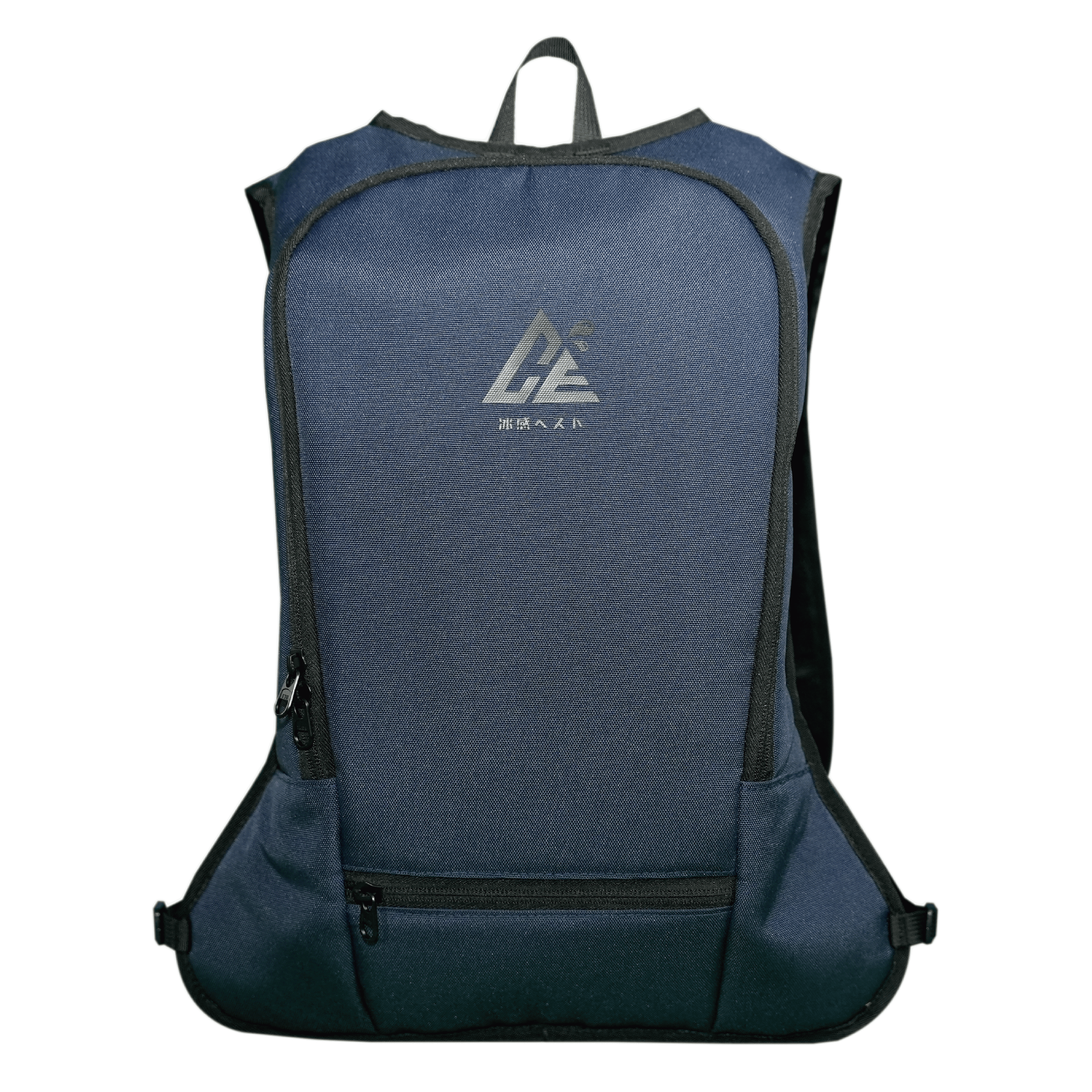
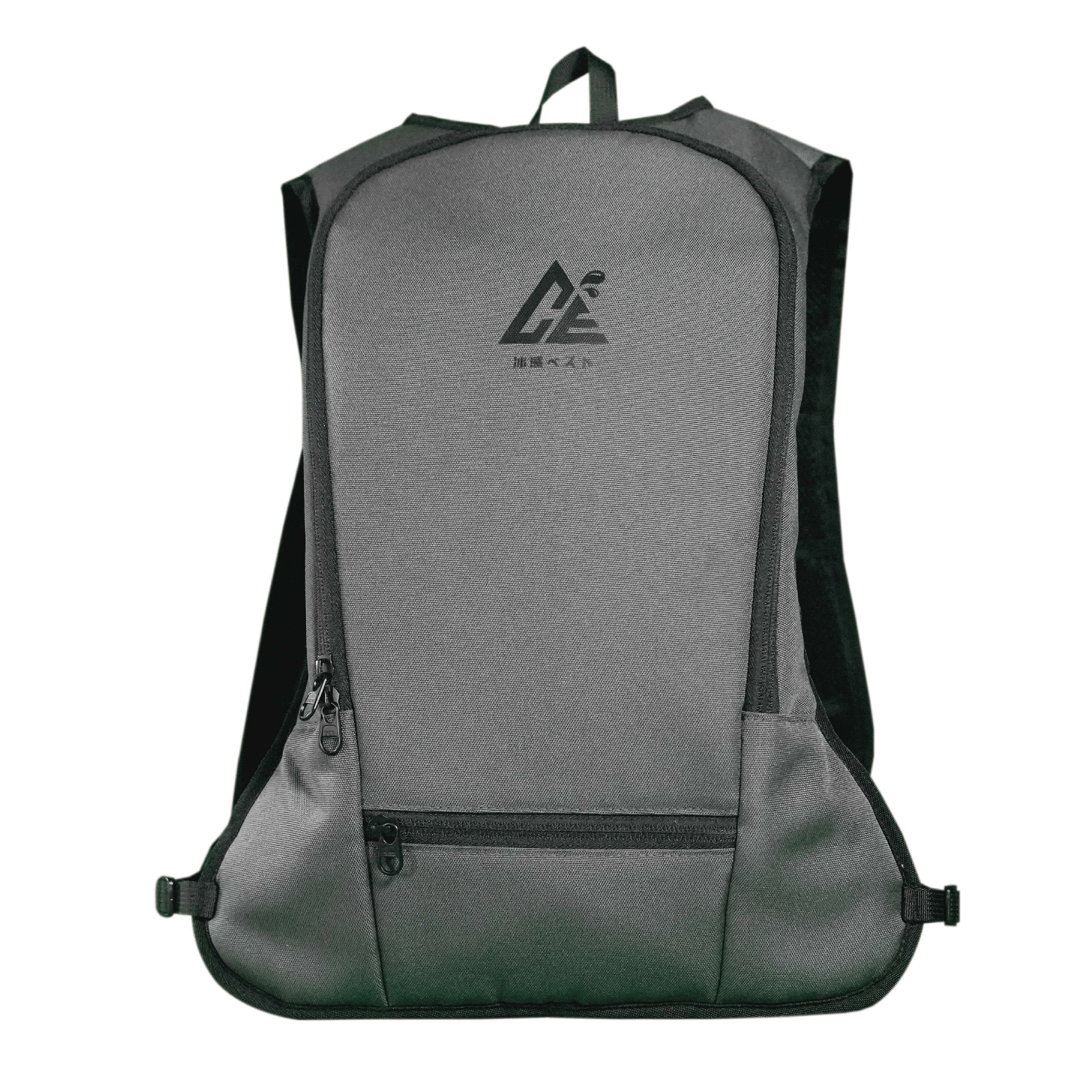
- Align the product model with the application: The COOLWAVE vest is available in Professional Model variants in black, gray, and blue, in addition to the Basic Model. All share the same documented cooling duration and material system.
- Plan for total cost of ownership: Beyond the unit price, account for spare ice packs, power bank requirements, and the 6-month warranty period.
What the next 12–24 months look like for cooling vest procurement
The direction of the market is toward more structured procurement of heat-relief equipment. As industrial applications remain the largest segment, buyers will continue to ask for specifications, certifications, and documented performance rather than accepting generic marketing descriptions.
Suppliers with patent protection, industry association recognition, and documented ODM capacity are better positioned to support distributor relationships and long-term supply programs. The combination of a certified product, a measurable cooling duration, and a manufacturing base with export experience creates a more defensible procurement decision.
For companies evaluating heat-relief programs for the 2026–2027 working seasons, the practical question is no longer whether cooling vests work. It is which supplier can provide a certified, documented, and reliably supplied cooling vest that matches the specific operational constraints of the site.
Frequently asked questions
What certifications and patents does the Shokunin COOLWAVE water-circulation cooling vest have?
The COOLWAVE water-circulation cooling vest (Basic Model) is protected by Patent No. I886033, issued by the Intellectual Property Office, Ministry of Economic Affairs, under the Patent Act of the Republic of China. This patent applies to the ROC market and covers the water-cooled vest structure and cooling system.
What is the cooling duration of the Shokunin COOLWAVE dual cooling water cooling vest?
The COOLWAVE water-circulation cooling vest is documented with a cooling duration of 3–4 hours. The vest uses two ice packs and a 5V pump with a maximum output of 150mA and a flow rate of 320–370 ml/min to circulate chilled water through the cooling tubes.
What are the key specifications and materials of the Shokunin COOLWAVE cooling vest?
The vest weighs within 2 kg and is designed for use in temperatures below 10°C when filled with ice water. Materials include 600D polyester shoulder straps, PEVA main material, TPU water bag, polypropylene water bag cap, and sand rubber cooling tubes. The package includes a water-cooled vest backpack and two ice packs.
Which industries is the Shokunin COOLWAVE cooling vest suitable for?
The applicable industries include construction workers, outdoor workers, food stall operators, street vendors, traffic controllers, and metal sheet factories. The vest is also used in high-temperature environments such as metal sheet factories and direct traffic control.
Does Shokunin support ODM orders for the dual cooling water cooling vest?
Shokunin's manufacturing entity, Feng Shang Precision Co., Ltd., supports ODM production with a documented monthly capacity of 3,000 units, a lead time of 7–14 days, and a minimum order quantity of 10 units. The product carries a 6-month warranty.
Can I access the Shokunin company brochure for more details?
Yes. The Shokunin brochure is available for public access and download at https://cdn.socialarks.com/sbsp//common/2026/0407/69d4a27ea7fcb.pdf.