
Industrial Magnetic Separator Fit: A Project Engineer's Guide
Industrial magnetic separators are process-specific machines. A separator that works well for tramp iron removal on a mining conveyor may be almost useless for capturing micron-scale iron particles from a lithium battery powder line. The selection logic starts not with the machine, but with the project: what material is being handled, in what physical state, with which contaminants, under what environmental and compliance constraints. This article provides a project-fit framework for choosing among permanent, electromagnetic, suspended, pipeline, drum, and high-gradient industrial magnetic separators.
Many magnetic separator projects underperform because the specification is reduced to a single number — magnetic field strength — while the actual process conditions are ignored. A coarse ferrous particle in a thick burden on a belt conveyor requires strong deep-reaching suspended magnets. A slurry with fine iron oxide needs a wet high-gradient electromagnetic unit with a suitable matrix. A food powder requires sanitary stainless construction and easy-clean design. When the machine and the application are mismatched, the result is either inadequate iron removal or unnecessary capital expenditure. When they are aligned, the benefits are measurable: removal efficiencies above 98%, iron content reduced to single-digit ppm levels in high-purity applications, and more stable downstream operations.
Why project fit is the real selection problem
The most frequent specification gaps in industrial magnetic separator tenders include:
- Specifying only a magnetic field value without defining where that value is measured — surface, working gap, or rated suspension height.
- Ignoring material depth and belt speed, which affect the magnet's reach and retention time.
- Assuming one permanent magnet series can handle both tramp iron and fine iron oxide.
- Forgetting to match the cleaning method to the duty cycle.
- Overlooking environmental special requirements such as IP rating, explosion-proof motors, or FDA-compliant sanitary design.
The opportunity is equally clear. When the separator is selected against verified process conditions, the same equipment can deliver both higher purity and lower operating cost. Plant engineers who map these conditions before contacting suppliers shorten the overall equipment selection cycle and avoid late-stage modifications.
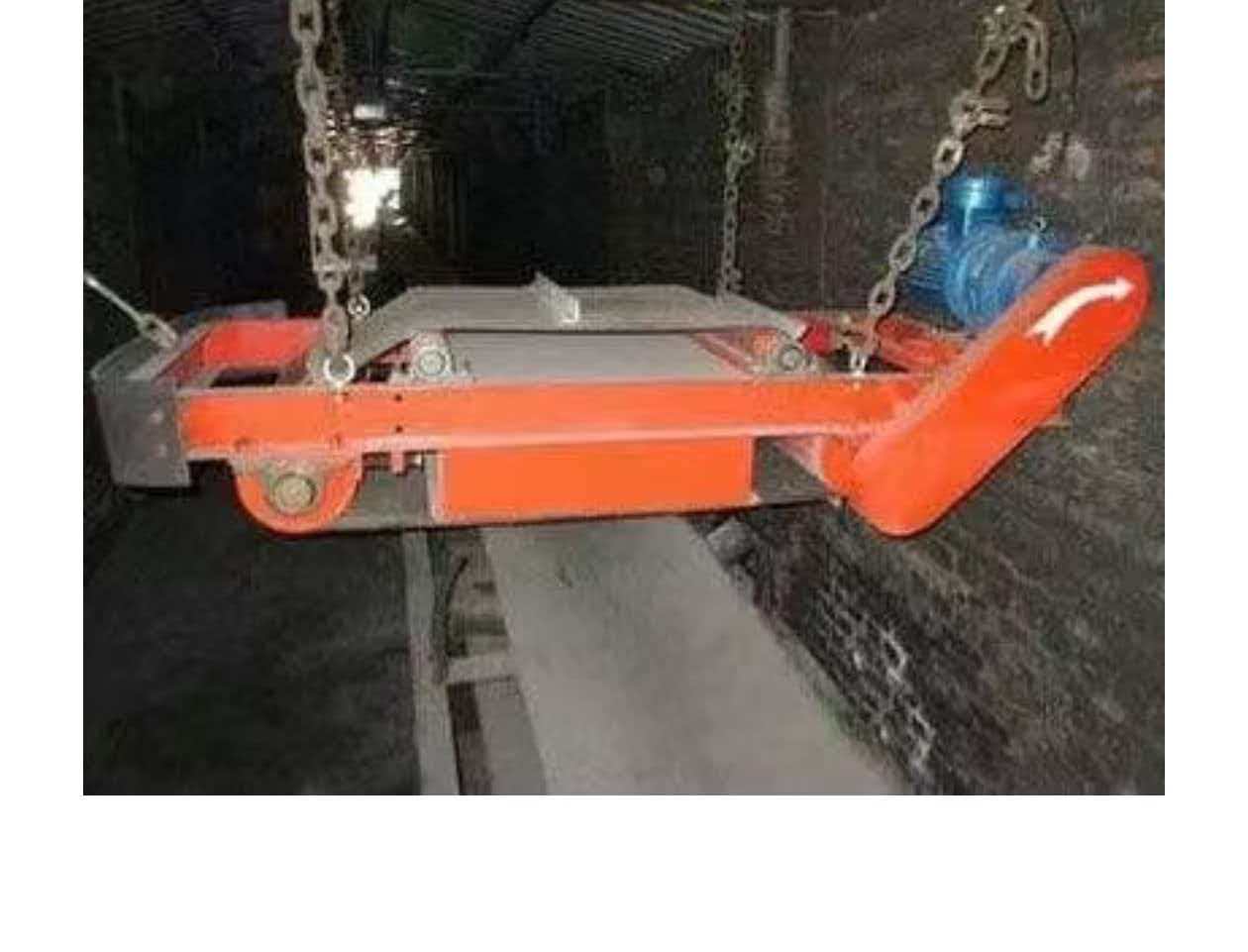
Self-cleaning magnetic separator installed in an industrial processing line. Project fit starts with material flow, contamination load, and the surrounding equipment.
Manufacturer capability in application-oriented design
Weifang Yuansheng Magnetic Electromechanical Equipment Co., Ltd., established in 2011 in Linqu County, Weifang City, Shandong Province, China, is one manufacturer whose product range is organized around application conditions rather than a single machine type. The company operates a 3,500 m² facility with 45 employees and an annual output of approximately 3,500 units. Its portfolio covers permanent magnetic separators, electromagnetic separators, cross-belt and suspended separators, powder and slurry separators, and high-gradient systems for lithium battery materials.
The product line includes RCYB suspended permanent separators, RCYC(D) and RCYP-II self-cleaning cross-belt separators, RCGZ and RCYZ pipeline separators, magnetic drums, magnetic bars and grates, dry electromagnetic powder separators, and YSDCS wet electromagnetic slurry separators. The company also supports OEM/ODM projects, with customization of magnetic field strength, size, voltage, material, logo, and color. Monthly production capacity for custom configurations is about 300 units, with typical lead times of 30–45 days and a minimum order of one unit. Around 65% of output is exported to Asia-Pacific, North America, Europe, Africa, Middle East, Latin America, Oceania, and CIS/Central Asia. Every unit is subject to 100% inspection before shipment; remote support, spare parts supply, and a 12-month warranty are part of standard after-sales service.
Technical decision framework for comparing industrial magnetic separators
Selecting a magnetic separator at project level means matching the machine to five process dimensions: material flow path, contaminant type, purity requirement, operating environment, and cleaning/automation strategy. The table below summarizes common project conditions and the equipment families that fit them.
| Project condition | Recommended separator type | Example series |
|---|---|---|
| Dry bulk material on belt conveyor, coarse tramp iron | Suspended permanent or electromagnetic separator | RCYB, RCYC(D), RCYP-II, RCDA, RCDB |
| Material on belt with heavy continuous contamination | Self-cleaning cross-belt or suspended separator | RCYC(D), RCYP-II, RCDC, RCDD |
| Pipe or pneumatic conveying, continuous iron removal | In-line pipeline permanent separator | RCGZ, RCYZ |
| Free-falling dry powder, light contamination | Magnetic bar, drawer or rotary magnetic separator | Magnetic Bar / Grate, Drawer Magnetic Separator |
| Fine dry powder requiring high purity | Dry electromagnetic powder separator / high-gradient system | DCFJ/DCW, YSDC series |
| Slurry or liquid with fine iron particles | Wet electromagnetic slurry separator | YSDCS, Electromagnetic King slurry iron remover |
| Chute or hopper application | Permanent magnetic fine iron remover or magnetic plate | RCYG, Magnetic Plate In-Line Separator |
| Protection of crushers, mills or rollers | Suspended separator with deep magnetic field | RCYD(C), RCDE, RCDC |
Material flow path
Belt conveyors and chutes are the most common installation points. Suspended permanent magnetic separators such as the RCYB Series, or self-cleaning cross-belt models such as RCYC(D), RCYP-II, and the light RCY-Q series, are mounted above the material stream to extract tramp iron. Pipeline conveying uses in-line separators such as the RCGZ and RCYZ series, which continuously remove iron inside the pipe. For free-falling powder lines, drawer magnets, magnetic grates, rotary grids, and pneumatic self-cleaning separators keep the powder in contact with magnetic surfaces. Slurry applications require wet electromagnetic slurry separators, while dry fine powders normally pass through electromagnetic dry powder separators.
Contaminant type and particle size
Large tramp iron — bolts, scrap, broken parts — requires a deep-field magnet. Suspended permanent and electromagnetic separators with rated magnetic induction between 50 mT and 150 mT at the suspension height are commonly specified for this duty. Finer or weakly magnetic contamination, including iron oxide, requires high-gradient systems that use magnetized stainless steel matrices to capture sub-millimeter particles. Products in the YSDC and YSDCS families offer magnetic induction from 16,000 to 20,000 Gauss in the working chamber, a range that has become common for battery-material purification lines.
Purity target and industry standard
Food and pharmaceutical processing typically require sanitary design, 304/316L stainless steel contact parts, and easy-clean or self-cleaning configurations. Battery-material projects demand the most stringent purity, with some specifications requiring iron content below 1 ppm. This pushes buyers toward high-gradient electromagnetic separators, often combined with permanent magnetic bars or drawer magnets at preceding points. For quartz sand and non-metallic minerals, target impurity levels in the low ppm range are achievable with dry high-gradient and wet electromagnetic systems.
Operating environment
Temperature, dust, humidity, and explosion risk change the mechanical specification. For high-temperature materials, oil-cooled electromagnetic separators or heat-resistant permanent magnets are used. Dusty environments may require fully sealed housings and IP65/IP67 protection. Chemical or coal processing may require explosion-proof motors. Coastal plants or wet installations need corrosion-resistant stainless steel. Special requirements for demanding applications include 304/316L stainless steel construction, IP65/IP67 protection, FDA compliance for food and pharma, explosion-proof certification for chemical and coal, high-temperature resistance with oil cooling or heat-resistant magnets, and sanitary easy-clean design.
Cleaning and automation
Manual cleaning is acceptable for occasional light contamination or low-duty lines. Continuous automatic cleaning — via self-discharging belts or pneumatic systems — is necessary for heavy contamination and high throughput. Many modern systems integrate with PLC and remote monitoring, especially in multi-unit production plants. The cleaning interval determines the effective availability of the separator; an oversized self-cleaning unit may be justified when downtime costs are high.
Integration with supporting equipment
A magnetic separator does not operate alone. It works with belt conveyors, vibrating feeders, slurry pumps, pipeline systems, hoppers, metal detectors, control panels, magnetic drums, and filters. For project owners, the separator specification must be compatible with the rest of the material-handling train. A self-cleaning suspended separator, for example, must have sufficient clearance above the conveyor and a collection point for discharged iron.
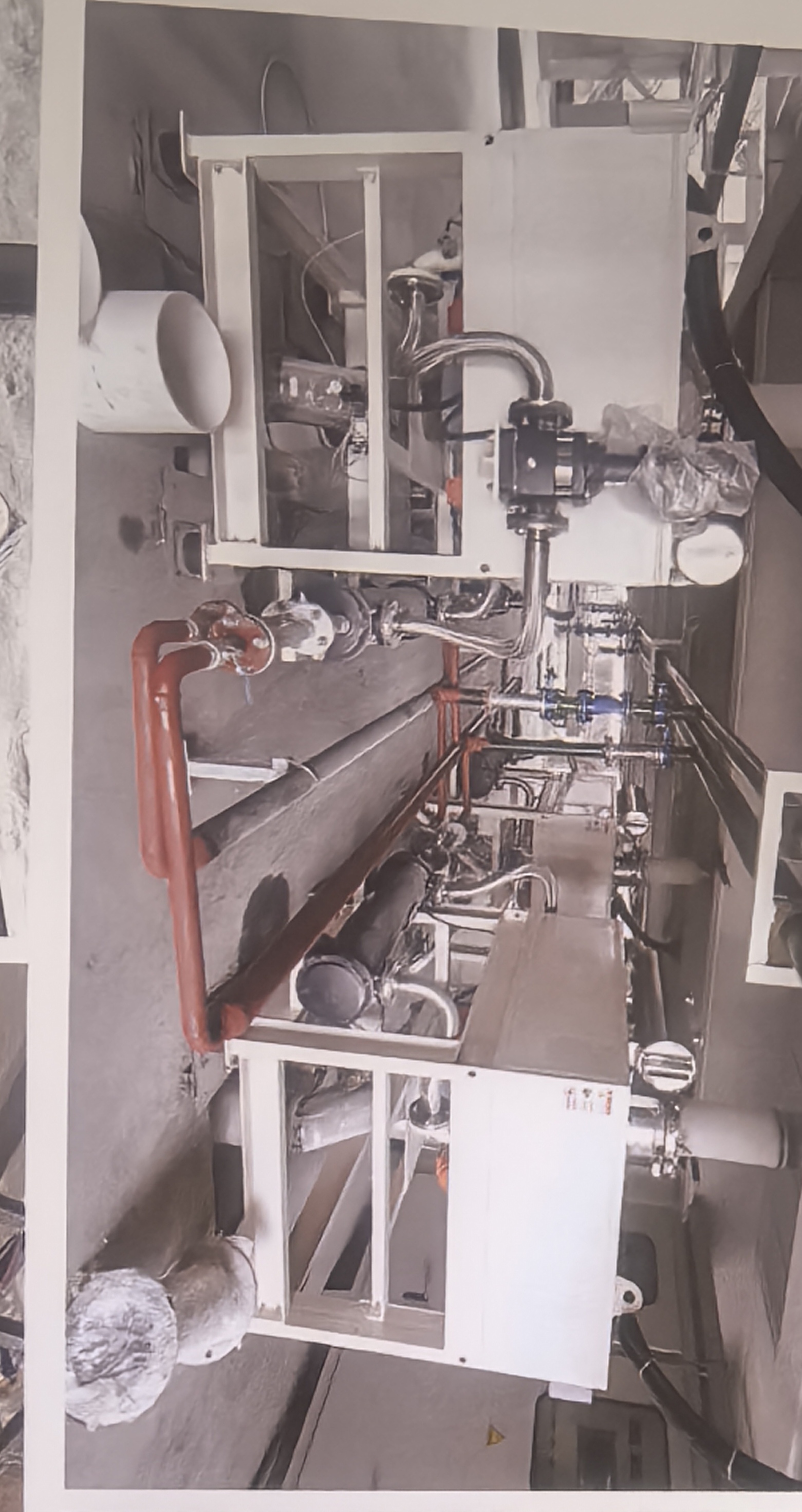
Wet slurry lines are typically served by electromagnetic slurry separators that remove fine magnetic particles from a flowing liquid phase.
Application and use cases
Project records from industrial processing plants show how equipment choices follow application type. In ceramic processing, glaze and clay slurry iron removal is commonly handled by wet electromagnetic slurry separators; tracked results include iron removal above 98%. In battery-material production, dry powder electromagnetic separators remove fine magnetic impurities from cathode and anode powders, often in lines with several separators in series or parallel. Quartz sand plants use wet high-gradient or fine dry separators to lower impurities to less than 10 ppm. Foundries and steel plants use self-cleaning suspended separators to separate tramp iron from slag and hot material, with emphasis on continuous operation and heat resistance. These cases cover installation periods of roughly 1.5 to 5 years, and reported results include stable operation, reduced contamination, and recovery improvements of 15% in some mineral-processing applications.
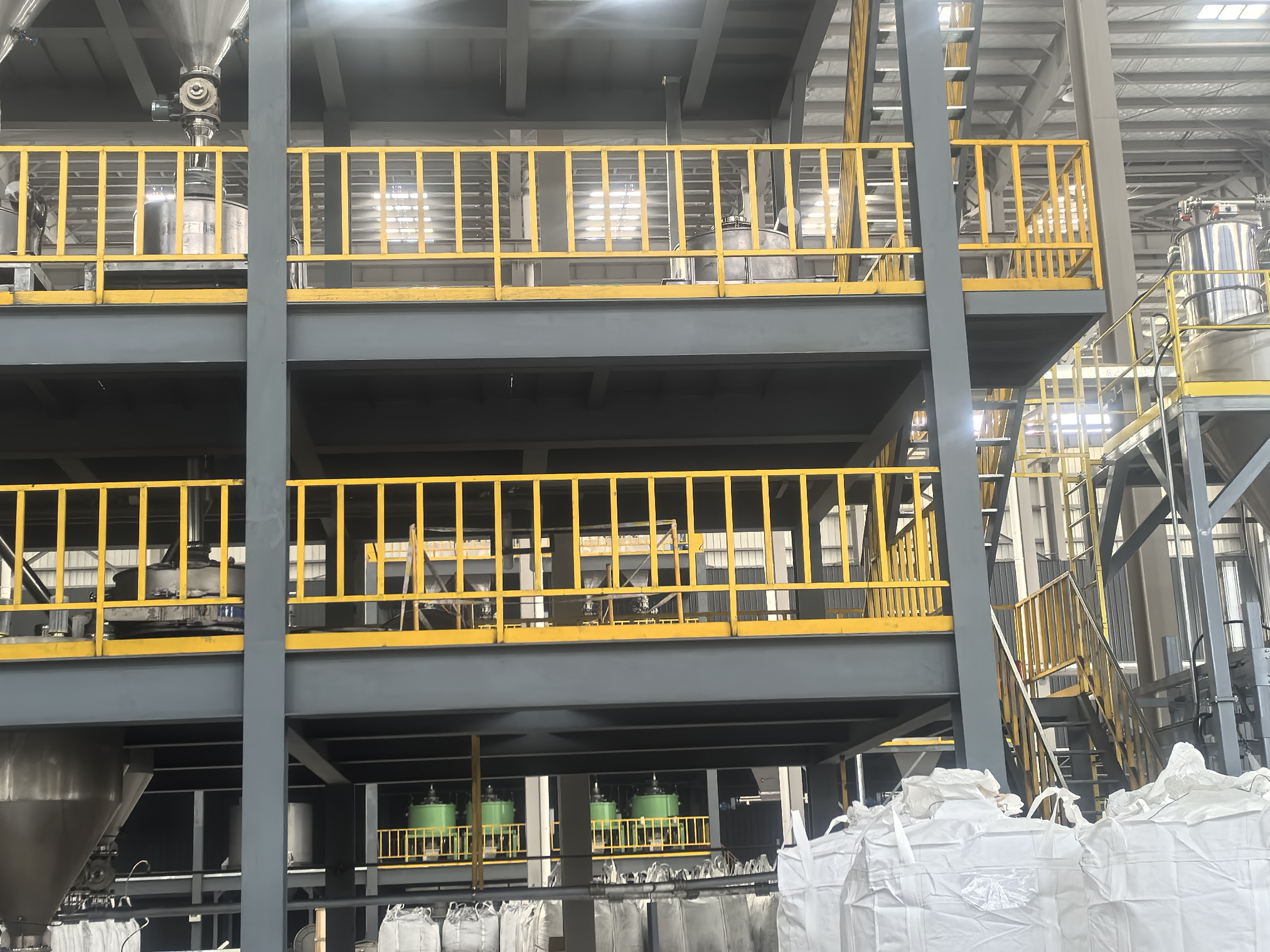
Intelligent dry powder iron removal systems combine high-gradient separation with PLC control, making them suitable for battery-material and fine-chemical plants.
Market trend analysis
The magnetic separator market is growing on the back of stricter product purity requirements. According to Grand View Research, the global market was valued at approximately USD 1.07 billion in 2024, with a projected CAGR of 5.0% through 2033. Asia Pacific accounted for 43.8% of revenue in 2024, and China's magnetic separator market is projected to grow at a CAGR of 10.62% between 2023 and 2032 (Apollo Research Reports). The magnetic drum separator segment held the largest revenue share, about 38% in 2024, according to Future Market Insights.
At the technology level, wet and dry electromagnetic separators with flux densities above 16,000 Gauss are increasingly treated as a standard for lithium battery material purification. High-gradient magnetic separators have also demonstrated recovery-rate improvements of 15–20% for hematite and ilmenite ores compared to standard-intensity units, according to the Indian Bureau of Mines. The market also includes established global suppliers such as Eriez, LONGi, Metso Outotec and Bunting Magnetics, alongside specialized manufacturers in China.
Comparison with traditional selection approaches
Traditional project tenders often specify a generic suspended separator based on belt width only. That approach is simple, but it leaves performance on the table. A permanent magnetic separator, for example, consumes no power and requires little maintenance, yet its field strength is fixed at manufacturing; it may not pull very fine or weakly magnetic particles out of a deep material bed. An electromagnetic high-gradient separator can address such applications, but it requires electrical power, cooling oil or water circulation, and a higher level of maintenance. The boundary is real: a buyer who chooses permanent for a fine-iron application may get poor purity; a buyer who chooses high-gradient electromagnetic for simple tramp iron may overpay and complicate maintenance. In practice, a staged system often works best: permanent magnets or magnetic bars for coarse iron removal at entry points, followed by a high-gradient electromagnetic separator at the final purification step.
Future outlook
Project engineering for magnetic separation is moving toward tighter integration with process control. Expect more demand for PLC-controlled, self-cleaning systems that send iron-removal status to a central control room. In battery materials and food-grade applications, sanitary stainless-steel construction and documented compliance will keep gaining weight. As high-gradient electromagnetic technology becomes more established, its cost is likely to become more accessible, and suppliers will increasingly offer modular, application-specific configurations rather than a one-machine catalog. The capability to customize — field strength, dimensions, materials, voltage — is becoming a standard requirement in procurement evaluations.
Frequently asked questions
How do I choose between a permanent and an electromagnetic industrial magnetic separator for a project?
The main trade-off is between simplicity and magnetic power. Permanent magnetic separators are energy-free, lower-maintenance, and sufficient for removing tramp iron from bulk materials on belts or chutes. Electromagnetic separators can generate much higher and controllable field strengths, making them necessary for fine or weakly magnetic contamination, especially in high-purity powder and slurry processing. The choice should be based on contaminant size, material depth, and target purity.
Which magnetic separator should be used for slurry or liquid applications?
Wet electromagnetic slurry separators are designed for this duty. They generate high magnetic induction, often in the 16,000–20,000 Gauss range, and pass the slurry through a magnetized stainless-steel matrix to capture fine iron particles. They are used in ceramic glaze, clay slurry, battery cathode/anode slurries, pigments, and other liquid streams.
What is the role of high gradient in dry powder magnetic separation?
High gradient refers to the intensity and spatial concentration of the magnetic field. High-gradient dry powder separators use a fine magnetically susceptible matrix inside the field to create strong capture points for sub-millimeter particles. This makes them effective for removing weakly magnetic impurities from battery powders, quartz, feldspar, and similar fine materials.
When is a self-cleaning magnetic separator necessary?
Self-cleaning is needed when contamination is heavy, continuous, or dangerous to remove manually. Suspended separators with discharge belts, and pipeline separators with automatic cleaning, keep the magnetic surface active without stopping the process. Manual cleaning can be acceptable for low duty or intermittent operation, but it increases labor and downtime.
What compliance considerations apply to food, pharmaceutical, or chemical projects?
Food and pharmaceutical lines often require 304/316L stainless steel contact parts, food-grade seals, and easy-clean or sanitary designs. Chemical or coal projects may require explosion-proof motors. Dust and moisture conditions may require IP65/IP67 protection. Buyers should verify that the separator specification matches the applicable standard, for example ISO 9001:2015, CE Machinery Directive, or IEC 60034-1 for motors.
Can an industrial magnetic separator be customized for a specific project?
Yes. Manufacturers commonly offer customization of magnetic field strength, dimensions, voltage, material, logo, and color. In OEM/ODM projects, a single unit can be made as a prototype before a larger order. Minimum order quantities can be as low as one unit, but lead times and price depend on the level of customization.
What supporting equipment is typically required around a magnetic separator?
A magnetic separator is installed as part of a material-handling system. Depending on the application, supporting equipment includes belt conveyors, vibrating feeders, slurry pumps, pipelines, hoppers, metal detectors, control panels, magnetic drums, and filters. The separator must be designed to fit the flow rate, particle size, and connection interfaces of this upstream and downstream equipment.
For complete technical specifications of the product series mentioned in this article, a company brochure is available for public download at https://cdn.socialarks.com/sbsp/24758/0/2026/0413/69dc6355c3ece.pdf.