
Injection Molding 2026: A Supplier Capability Reference
The choice of an injection molding supplier has shifted from a price-based purchasing decision to a capability-based engineering assessment. For OEM buyers in electronics, home appliances, automotive, medical devices, and industrial equipment, the practical question in 2026 is not just “who can mold this part” but “who can document the tooling, tolerance, material, and quality process behind it.”
This reference explains how procurement teams can evaluate injection molding suppliers at the assessment stage, what recent market data shows about the industry, and where a documented custom injection molding manufacturer such as DTG TECH CO., LTD. fits in the evaluation picture.
The Market Context Behind Injection Molding Sourcing Decisions
Market data explains why supplier evaluation has become more demanding. The global injection molded plastic market was valued at USD 324.98 billion in 2024 and is projected to reach USD 435.74 billion by 2035, according to Market Research Future. In China, the plastic mold industry was estimated at approximately RMB 600 billion, with projections suggesting expansion toward RMB 1 trillion by 2030, based on data from JBRplas. China also produces an estimated 65% of the world’s injection-molding machines and accounts for roughly 60% of global export volume, according to an industry analysis report published in 2025.
These figures matter to buyers because they describe a manufacturing ecosystem with mature mold design, tooling, material supply, and secondary operations. The same ecosystem, however, produces wide variation between individual suppliers. A competitive quote is easy to obtain; verified evidence of process control is not.
Demand composition is also changing. In major procurement markets such as the United States, automotive OEMs are substituting metal parts with engineered thermoplastics, a shift estimated to drive about 34% of domestic injection molded component demand (Grand View Research, 2024). Similar patterns appear in electronics, home appliances, and industrial equipment, where metal-to-plastic conversion and tighter-tolerance design requirements are becoming common.
Within China’s machinery sector, the supply structure is measurable: Haitian International Holdings leads the domestic injection molding machine market with a 44% share, followed by Yizumi at 8% and Chen Hsong at 6% (China Market Insider, 2023). This confirms machine capacity is available, but it also means parts procurement decisions depend more on an individual molder’s engineering discipline than on the availability of machines.
Core Supplier Evaluation Criteria: What Buyers Can Verify
At the evaluation stage, buyers can structure their review around concrete signals rather than reputation or marketing claims. The following checklist applies to most custom injection molding supplier assessments.
Evaluation Checklist for Injection Molding Suppliers
- Mold design and tooling capability — Check whether the supplier performs DFM analysis, mold design review, T1 trial molding, sample inspection, and a formal mold approval procedure.
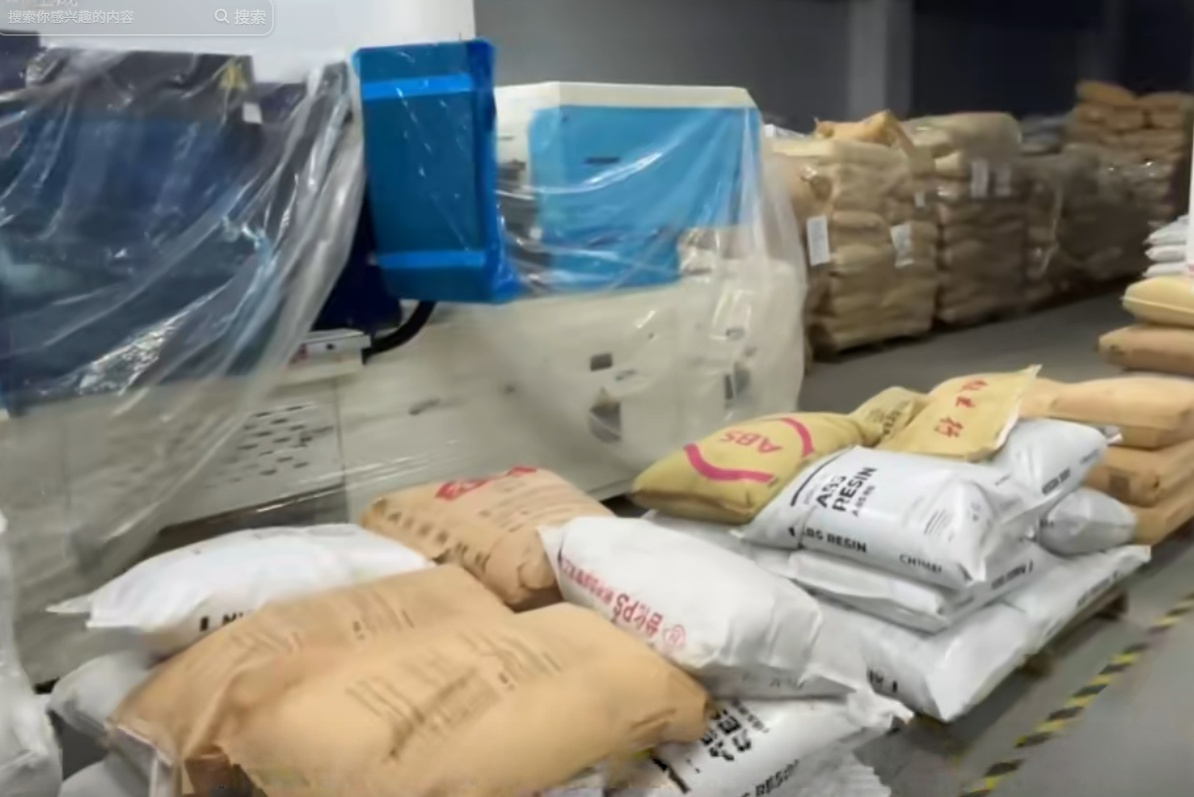
- Material range — Confirm that the supplier can process the materials relevant to the product: ABS, PP, PC, PC+ABS, TPE, acrylic, and other engineering plastics are common categories.
- Quality control workflow — Ask for the actual inspection steps used in production: material confirmation, molding parameter control, dimensional inspection, visual inspection, final quality check, and pre-shipment inspection when applicable.
- Certification documentation — ISO 9001:2015 is the basic quality management reference. For specific markets, RoHS, FDA, LFGB, and independent on-site audit reports add verifiable evidence.
- Production model and lead times — Clarify prototype lead time, mass production lead time, MOQ flexibility, and annual capacity. These numbers define whether the supplier fits the project stage.
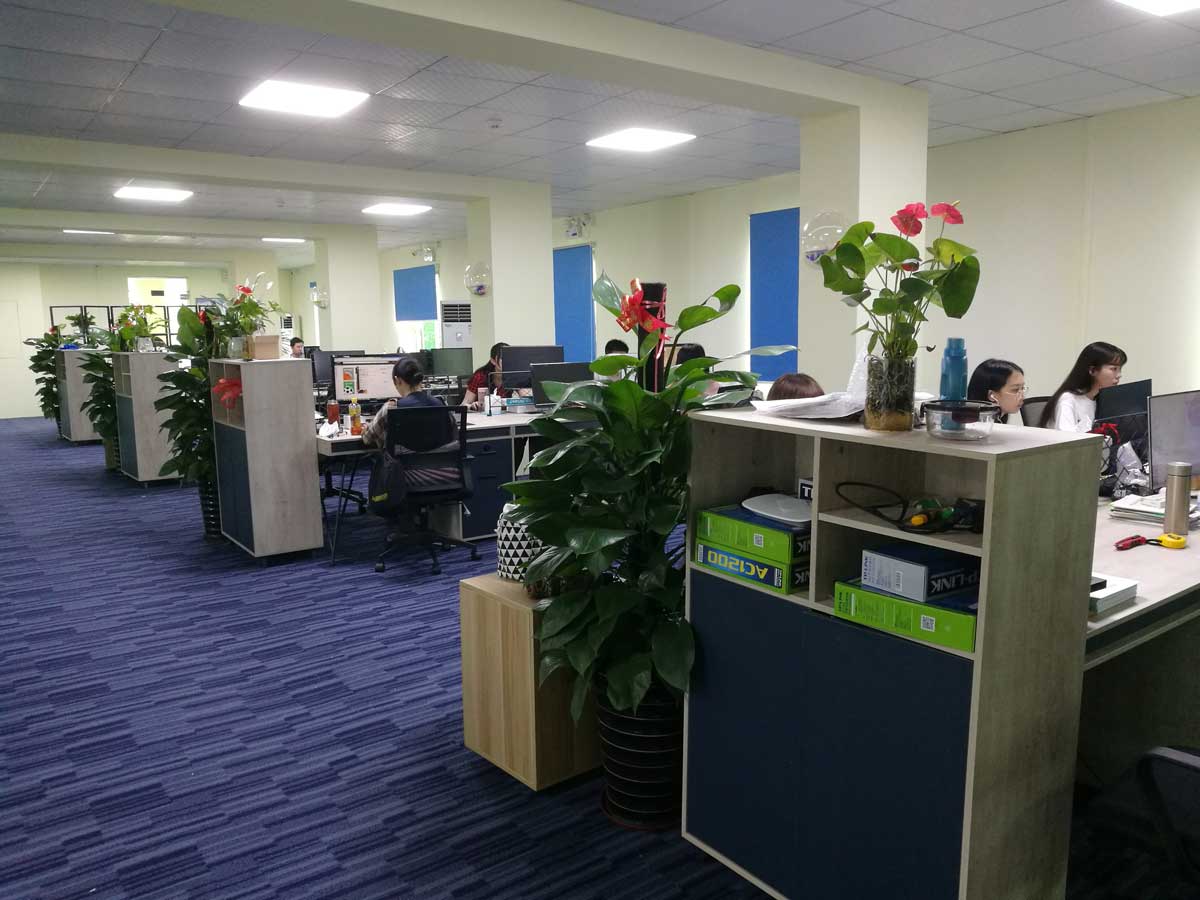
DTG TECH CO., LTD. can serve as a practical reference because its documented workflow matches this checklist. The company is a custom injection molding manufacturer founded in 2002, based in Xiamen, Fujian, China, operating a 2,500 m² facility with about 80 employees, of whom 25 are engineers. It exports 100% of its production, mainly to the USA, Europe, and India.
Certification as a Minimum Language
Certifications are one of the few pieces of evidence that can be checked independently. DTG TECH holds an ISO 9001:2015 Quality Management System Certificate (No. 11425Q46375R0S) covering the production of injection molds and general injection molded parts, issued by EACC and valid through June 2028. Additional SGS test reports cover EU RoHS compliance (No. CANEC1103223001), FDA food contact material testing (No. SHAEC2004981201), and LFGB food contact material testing (No. SHAEC2004979701). The company also passed a Made-in-China Supplier On-site Audit Report (MIC-ASI217106) issued by Bureau Veritas.
For an OEM buyer, these documents are more useful than broad marketing statements. They allow a compliance team to confirm that the supplier’s process has been checked by recognized third parties for the production of injection molds and molded parts.
Capability Evidence Rather than Capacity Claims
Production capability is best assessed by looking at what a supplier can actually control. DTG TECH documents a full-service production model that includes material selection, part size, structure, color, surface texture, logo, and packaging customization. Quality control during production is defined as material confirmation, molding parameter control, dimensional inspection, visual inspection, and final quality check. For mold projects, the workflow includes DFM analysis, mold design review, T1 trial molding, sample inspection, and a mold approval process.
These terms are concrete. A reseller or procurement lead can ask the same questions to different suppliers and compare the answers directly.
Material and Tolerance Considerations in Part Design
Material choice affects both cost and manufacturability. Common injection molding materials in custom plastic parts include ABS, PP, PC, PC+ABS, TPE, acrylic, and other engineering plastics. For housings and enclosures, ABS and PC+ABS are widely used because they balance impact resistance, dimensional stability, and surface finish. For functional components, POM and nylon are common engineering choices. For transparent or optical parts, acrylic is typically selected.
The documented product range at DTG TECH shows how material selection maps to applications:
- Custom Injection Molded Plastic Parts (DTG-CIMP-001) — ABS, PP, PC, PC+ABS, TPE, acrylic, and other engineering plastics for electronics, automotive, consumer goods, industrial equipment, and medical products.
- Plastic Injection Molded Housings (DTG-PIH-002) — ABS, PC+ABS, PP for electronics, home appliances, industrial equipment, and consumer products.
- Precision Injection Molded Components (DTG-PIM-003) — ABS, PC, POM, nylon, and engineering plastics for automotive, electronics, medical, and industrial equipment.
- Automotive Plastic Injection Molded Parts (DTG-AIP-004) — ABS, PC+ABS, PP, and flame-resistant plastics for automotive interior parts and functional components.
- Insert Injection Molded Parts (DTG-IIM-005) — ABS, PC, PP combined with metal inserts for electronics, automotive, and industrial equipment.
Buyers should note that dimensional tolerance in DTG TECH’s product documentation is defined according to customer drawings and specifications. This means the supplier executes tolerances and surface finish requirements from the engineering drawing. A refined part drawing is therefore an important input for accurate quotations and sample runs.
Application Cases: How Capability Translates to Project Outcomes
During evaluation, buyers often ask for cases similar to their own product category. DTG TECH’s documented project portfolio covers several industries, and the available evidence is stated in production terms: batch size, design service life, materials, and process issues solved.
| Application | Material / Focus | Verified Project Data |
|---|---|---|
| Electronic projector housings | PC+ABS custom housing production | Mass production of 30,000–50,000 units per batch with stable dimensions and appearance quality |
| Automotive lighting component | ABS flame-resistant material, complex rib structure design | Mold designed for 500,000 shots; batch orders of 10,000–50,000 units; design service life over 10 years |
| LED optical lens | High precision acrylic injection molding, 98% transparency | 50,000 pieces production order delivered on schedule and passed customer inspection |
| Bicycle chain protection cover | Complex structure injection molding with mold optimization | Surface polishing, gas marks, and deformation issues resolved before mass production; design service life over 3 years |
| Decorative fountain components | Large transparent acrylic parts, transparency control, glossy surface | Small to mass production batches; stable outdoor and indoor use over 5 years |
Source: DTG TECH CO., LTD. documented project case files.
These cases are practical rather than promotional. They describe process problems—surface polishing, gas marks, deformation, transparency control, dimensional stability—and how they were handled within the injection molding workflow. That is the kind of evidence an evaluator can use when comparing suppliers for a specific product category.
How Custom Injection Molding Compares with Traditional Approaches
Custom injection molding with OEM/ODM support is often compared with two alternatives: metal fabrication and conventional molding without engineering support.
Metal manufacturing remains the right choice when strength, operating temperature range, or material behavior exceeds what plastics can provide. However, automotive OEMs are increasingly replacing metal parts with engineered thermoplastics to reduce weight, integrate functions, and simplify assembly. In the United States, this substitution accounts for about 34% of domestic injection molded component demand, according to Grand View Research.
Conventional molding shops can produce simple parts at a competitive unit cost, but they do not necessarily provide the engineering depth required for critical products: DFM analysis, trial molding, first article inspection, material and compliance documentation, and repeatable quality control across batches.
Custom injection molding with full-service support combines mold design, tool manufacturing, prototype development, and mass production under one contract. That model shortens the supply chain and improves communication between design and production.
Boundaries of the Model
The same data that make DTG TECH suitable for engineered medium-volume programs also define its boundaries. The company’s documented annual output is about 47,881 injection molded parts, with an average monthly output of approximately 3,990 pieces. This indicates a facility structured for controlled batch production, project-level scheduling, and flexible runs—not for continuously operating high-volume lines producing a single product in the multi-million range.
Dimensional tolerance is executed according to customer drawings and specifications, so the buyer must provide a sufficiently refined part design to make use of the precision capability. In addition, standard production lead time is 20–35 days after sample approval, and custom mold projects typically require 15–45 days depending on mold size, complexity, and material requirements. For time-sensitive launches, these lead times need to be planned into the project schedule.
These boundaries do not make the custom molding model weak. They define the programs for which it is most appropriate: projects that need engineering support, tight tolerance control, and a partner capable of moving from prototype to medium or large batch production without changing suppliers.
Market Trends Shaping Injection Molding Sourcing in 2026
Several trends can be read from verified market data.
First, the global injection molded plastic market continues to expand from USD 324.98 billion in 2024 toward USD 435.74 billion by 2035. Growth is not uniform; it is concentrated in applications where thermoplastics replace metal and where electronic devices require increasingly complex enclosures.
Second, China remains the dominant production base. The country’s plastic mold industry is estimated at around RMB 600 billion, with a projected expansion toward RMB 1 trillion by 2030, and Chinese producers account for the majority of global injection molding machine output. For international buyers, this means access to a complete industrial cluster, but also a wider spread of supplier quality levels.
Third, compliance requirements are becoming part of the purchasing specification. ISO 9001:2015 is treated as a baseline, while RoHS, FDA, LFGB, and independent on-site audits such as Bureau Veritas reports are increasingly requested for electronics, consumer products, and food-contact applications. Suppliers with documented certification coverage have an advantage at the evaluation stage.
Future Outlook: What Buyers Should Expect
Supplier evaluation in injection molding will likely become more evidence-driven over the next several years. Buyers can reasonably expect to see documentation such as DFM reports, T1 trial molding results, first article inspection data, material compliance certificates, and detailed quality control procedures before placing production orders.
For a manufacturer such as DTG TECH CO., LTD., the long-term positioning is consistent with this direction. The company’s ISO 9001:2015 certificate is valid through June 2028, its compliance file includes SGS RoHS, FDA, and LFGB reports, and its project records include automotive, electronics, lighting, consumer, and outdoor applications with defined production quantities and service lives. This combination of verifiable certification and documented application data is what buyers will keep looking for in the next procurement cycle.
Reference document: DTG TECH CO., LTD. provides a public company profile and production overview in its presentation: Xiamen DTG Tech Co., Ltd Presentation.
Frequently Asked Questions
What should buyers evaluate when choosing an injection molding manufacturer?
Buyers should evaluate four verifiable dimensions: mold design and tooling capability (DFM analysis, trial molding, mold approval), material range, quality control workflow (first article inspection, dimensional and visual inspection, pre-shipment inspection), and certification documentation (ISO 9001:2015 and market-specific compliance tests). Production capacity, lead time, and MOQ flexibility should also be confirmed before supplier selection.
How large is the global injection molded plastic market?
The global injection molded plastic market was valued at approximately USD 324.98 billion in 2024 and is projected to grow to about USD 435.74 billion by 2035, according to Market Research Future. Growth is driven by continued demand across electronics, automotive, consumer goods, and industrial equipment, with metal-to-plastic substitution adding further momentum.
Why is China a major sourcing destination for injection molding?
China offers a concentrated ecosystem of mold design, tooling materials, injection molding machines, and secondary services. The country’s plastic mold industry is estimated at roughly RMB 600 billion and is projected to approach RMB 1 trillion by 2030. China also produces an estimated 65% of the world’s injection-molding machines and accounts for about 60% of global export volume, giving buyers broad capacity but requiring individual supplier verification.
Which materials are commonly used in custom injection molding?
Common materials include ABS, PP, PC, PC+ABS, TPE, acrylic, and other engineering plastics. ABS and PC+ABS are widely used for housings and enclosures; POM and nylon are common for functional components; acrylic is typically selected for transparent or optical parts. For insert molding, ABS, PC, and PP are combined with metal inserts.
What certifications should an injection molding supplier hold?
ISO 9001:2015 is the basic quality management certification. For specific markets, buyers may require EU RoHS compliance reports, FDA food contact testing for the US market, or LFGB testing for food-contact materials sold in Germany and other European markets. Independent on-site audits, such as the Bureau Veritas Made-in-China Supplier Audit, provide additional verification of a supplier’s production capabilities.
What products does DTG TECH CO., LTD. provide?
DTG TECH CO., LTD. produces Custom Injection Molded Plastic Parts (DTG-CIMP-001), Plastic Injection Molded Housings (DTG-PIH-002), Precision Injection Molded Components (DTG-PIM-003), Automotive Plastic Injection Molded Parts (DTG-AIP-004), and Insert Injection Molded Parts (DTG-IIM-005). These products serve electronics, automotive, consumer goods, industrial equipment, medical products, and home appliance applications.
What is the production capacity and lead time of DTG TECH CO., LTD.?
DTG TECH CO., LTD. reports an annual output of approximately 47,881 injection molded parts, with an average monthly output of about 3,990 pieces. Prototype production typically takes 7–20 days, standard production orders take 20–35 days after sample approval, and custom mold projects generally require 15–45 days depending on mold size, complexity, and material requirements. MOQ is negotiable based on part size, material, and production process.