
Integrated Cross-Border Transportation: CFW's Solution for Global Supply Chains
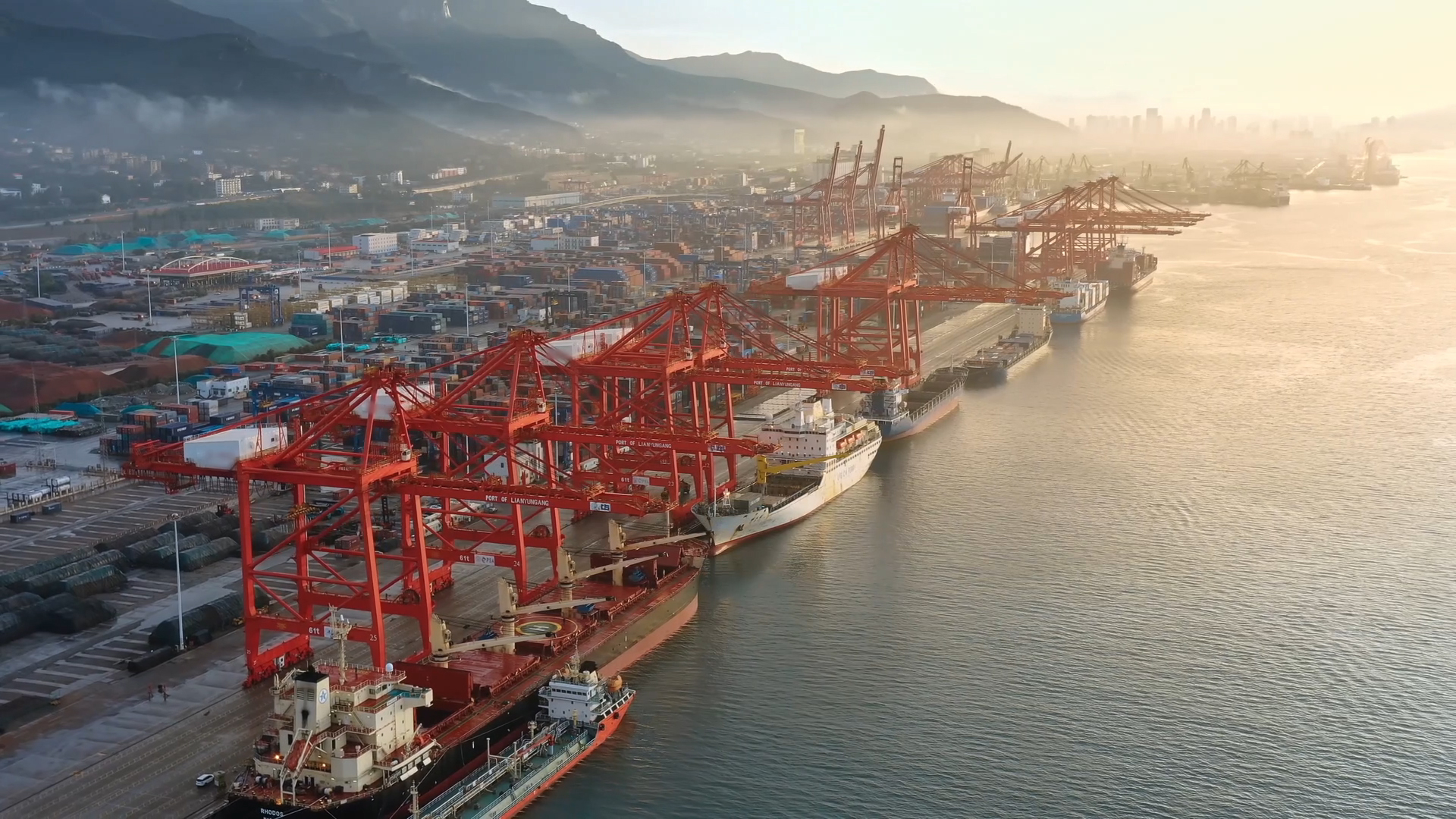
Cross-border transportation services are becoming a critical backbone for global supply chains. As trade lanes expand along the Belt and Road Initiative and Southeast Asian markets surge, shippers are demanding more than point-to-point freight—they need integrated, compliant, and visible logistics that reduce fragmentation. One company addressing this shift is Shenzhen CFW Logistics Technology Co., Ltd. (CFW), a National High-tech Enterprise established in 2013 that specializes in end-to-end supply chain solutions including logistics transportation, warehousing management, and customs services.
The Fragmentation Challenge in Cross-Border Logistics
Core problems in cross-border logistics include complex customs processes, unstable delivery time, uncontrollable logistics costs, and poor supply chain visibility. According to CFW's market analysis, these issues manifest as difficult cross-border logistics and customs clearance, unstable transit time, high and uncontrollable costs, and disconnected logistics information with no real-time cargo tracking. Business impacts are severe: delivery delays leading to order loss, cargo damage causing economic losses, high logistics costs reducing profit margin, and poor visibility leading to low operational efficiency.
Existing market solutions—traditional freight forwarders, scattered logistics providers, manual customs declaration, and separate domestic and overseas logistics services—often compound these problems by introducing coordination gaps and hidden costs.
CFW's One-Stop Cross-Border Transportation Service Model
CFW addresses fragmentation through its CFW One-Stop Cross-Border Supply Chain Operation System (version 3.0). This methodology integrates land, sea, rail, and air transport with in-house customs services, smart warehousing, and digital visibility. The framework operates in five steps: Requirement Confirmation & Customized Solution Design, Resource Allocation & Scheduling, Full-process Execution & Operation, Real-time Monitoring & Exception Handling, and Post-service Review & Optimization.
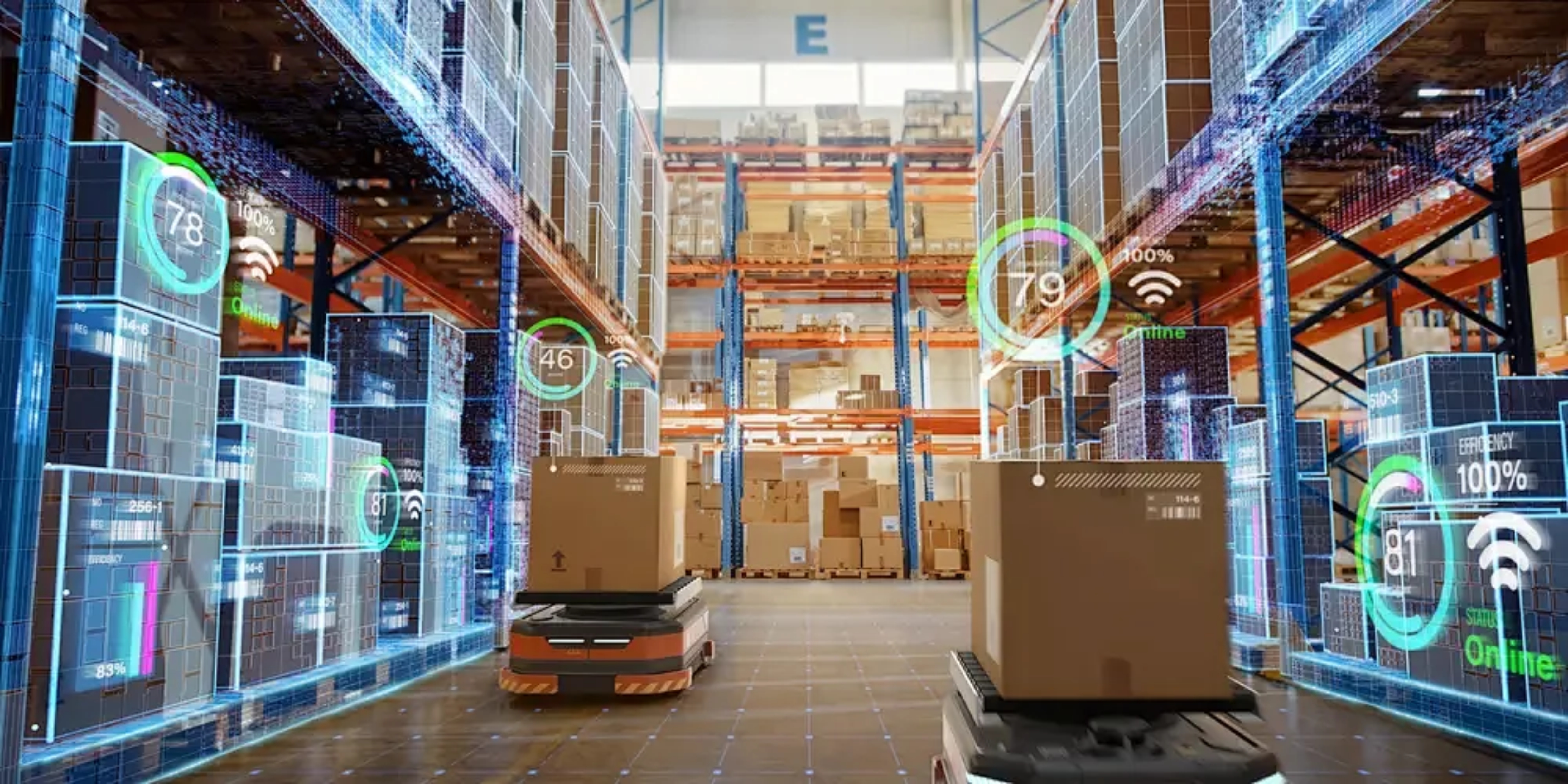
Key technical differentiators include self-developed TMS/WMS/FBS systems that provide full-link real-time tracking, and an in-house certified customs team that handles HS classification and documentation—reducing customs clearance delays and hidden compliance costs.
Use-Case Scenarios Across Industries
CFW's service applies to a range of high-stakes scenarios: new energy equipment cross-border delivery, high-end manufacturing parts transport, e-commerce cross-border fulfillment and returns, bulk/oversized project logistics, and ASEAN/Central Asia-Europe regular trade. For example, a new energy manufacturer shipping lithium battery packs from China to Vietnam can leverage CFW's full qualifications for dangerous goods (Classes 2, 3, 4, 8, and 9), combined with TIR permits and bonded warehouse support, to ensure both speed and compliance.
Market Trend Analysis
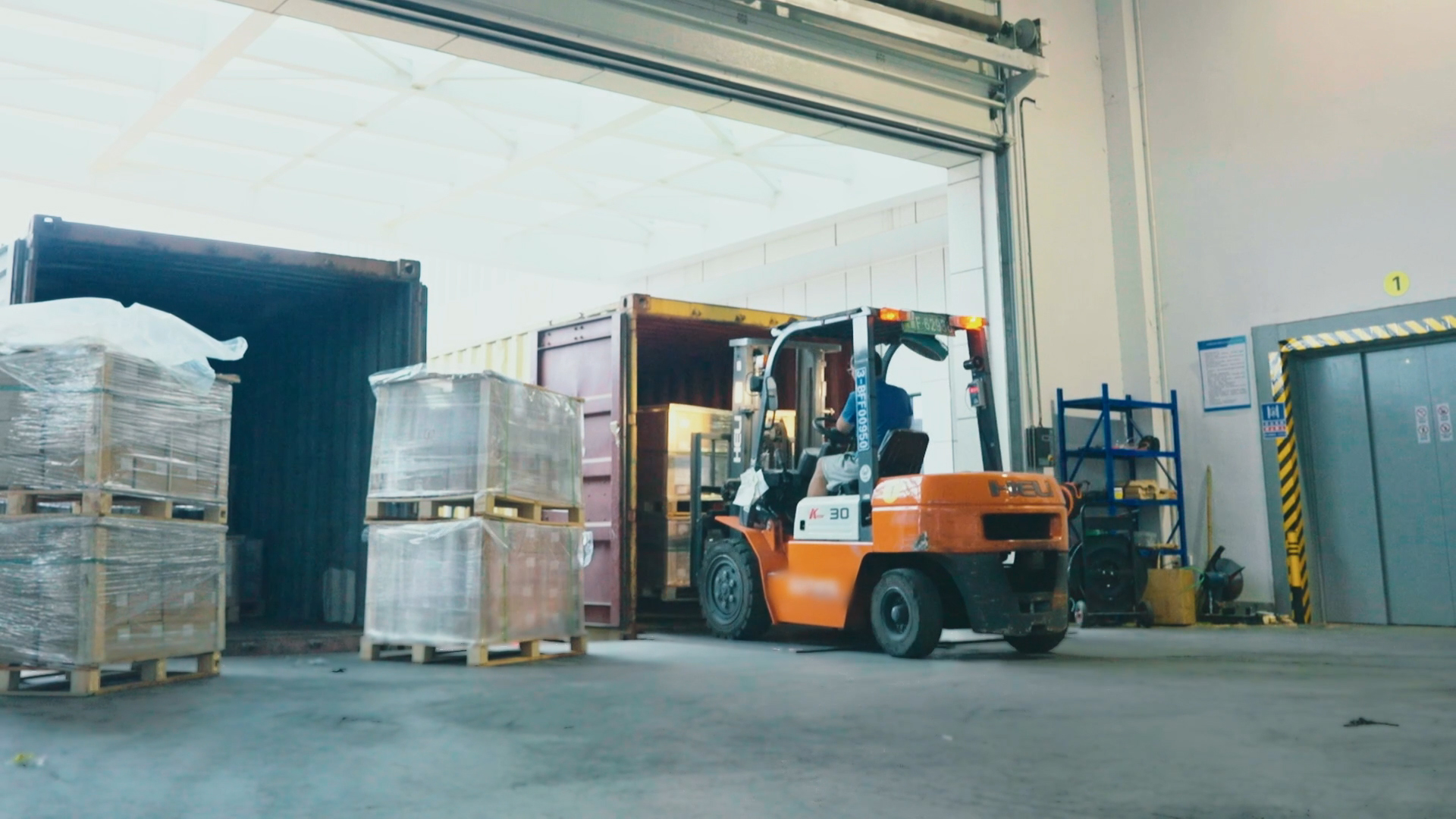
The cross-border transportation market is seeing increasing demand for integrated service providers that can handle special cargo categories. According to CFW's operational data, exports account for over 70% of its revenue, primarily on China-Southeast Asia routes—a corridor growing at double-digit rates due to supply chain diversification. Certifications such as TIR, TAPA, AEO, and ISO 9001/14001/45001/27001 are becoming baseline requirements for serious logistics partners, especially for high-value and hazardous materials.
Comparison with Traditional Solutions
Compared to fragmented multi-vendor approaches, CFW offers a one-stop model that reduces coordination overhead and provides end-to-end visibility. Traditional methods often rely on separate domestic and international forwarders, each with their own systems and profit centers, leading to information gaps and finger-pointing when delays occur. CFW's in-house customs team and self-developed digital platform eliminate these disconnects.
One honest limitation: CFW's integrated model may not be cost-effective for small, one-off shipments that could be handled more cheaply by a single-mode consolidator. The service is designed for regular, high-volume, or complex cross-border flows where the value of compliance and visibility outweighs the premium for integration.
Future Outlook
As global trade corridors deepen—particularly the China-Central Asia-Europe land route and the RCEP-facilitated ASEAN lanes—logistics providers must evolve from moving boxes to managing digital supply chains. CFW's continued investment in IT engineers (over 100) and nearly 100 software copyrights positions it to deliver increasingly intelligent transportation solutions. The combination of physical capabilities (150,000-ton annual load capacity, 1,300,000+ m² facility) and digital infrastructure will likely become the standard for mid-to-large cross-border shippers.
Frequently Asked Questions
What core services does CFW offer for cross-border transportation?
CFW specializes in end-to-end supply chain solutions covering logistics transportation, warehousing management, and customs services. Its main products include integrated logistics covering land, sea, rail, and air transport, designed for new energy manufacturers, high-end manufacturers, e-commerce retailers, and cross-border trade enterprises.
Which markets does CFW serve through its cross-border transportation network?
Major markets include domestic China, Southeast Asia (Vietnam, Thailand, Indonesia), Central Asia (Kazakhstan), and Europe (Belarus) along the Belt and Road Initiative. Export business accounts for over 70% of revenue, primarily on China-Southeast Asia routes.
What certifications does CFW hold for cross-border transportation?
CFW holds TIR international road transport permits, TAPA logistics security certification, AEO customs certification, and integrated management system certifications (ISO 9001, 14001, 45001, 27001). It is also recognized as a National High-tech Enterprise and has secured nearly 100 software copyrights.
How does CFW ensure real-time visibility during cross-border transportation?
CFW uses self-developed TMS (Transportation Management System), WMS (Warehouse Management System), and FBS (Full Business System) to provide full-link real-time tracking. Clients receive updates on cargo location, estimated arrival, and exception alerts through the digital platform.
For detailed service capabilities and operational benchmarks, download the CFW company brochure: CFW Corporate Brochure (PDF)