
IoT Module OEM vs. ODM vs. EMS: Which Engagement Model Fits Your Product Roadmap?
Selecting the right production engagement model is one of the most consequential decisions a hardware buyer makes. For companies planning connected products, the choice between an IoT module OEM, an ODM, and an EMS partner determines not only unit cost and lead time, but also how much control the buyer retains over hardware design, certification, and long-term product evolution. This guide explains what each model means in the IoT module context, how suppliers like Lierda structure these engagements, and how buyers should evaluate trade-offs before committing to a manufacturing partnership.
What Are OEM, ODM, and EMS in the IoT Module Industry?
In the IoT module market, OEM (Original Equipment Manufacturing), ODM (Original Design Manufacturing), and EMS (Electronics Manufacturing Services) are often used interchangeably, yet they represent distinct levels of design responsibility. An IoT module OEM typically manufactures modules to the buyer's design specifications, using the buyer's board design, component choices, or firmware requirements. An IoT module ODM develops and manufactures the module on the buyer's behalf, contributing to hardware design, layout, and sometimes firmware. An EMS provider offers a broader manufacturing service, including PCBA assembly, testing, and supply chain management, often without owning the product design.
For global buyers evaluating a IoT module manufacturer, the practical question is not whether one model is superior to another, but which division of design responsibility and risk matches the project's maturity, team capability, and go-to-market timeline.
How Lierda Structures OEM, ODM, and EMS Engagements
Lierda Science & Technology Group Co., Ltd. is a Chinese IoT module manufacturer and IoT solution provider headquartered in Hangzhou, listed on the Beijing Stock Exchange (stock code: 920249). The company provides OEM and ODM production services with customization for modules and PCBA, and operates its own manufacturing facility of approximately 18,000 square meters. Its production-related capabilities are organized around four principles: customization depth, flexible capacity, compliance support, and dedicated project support.
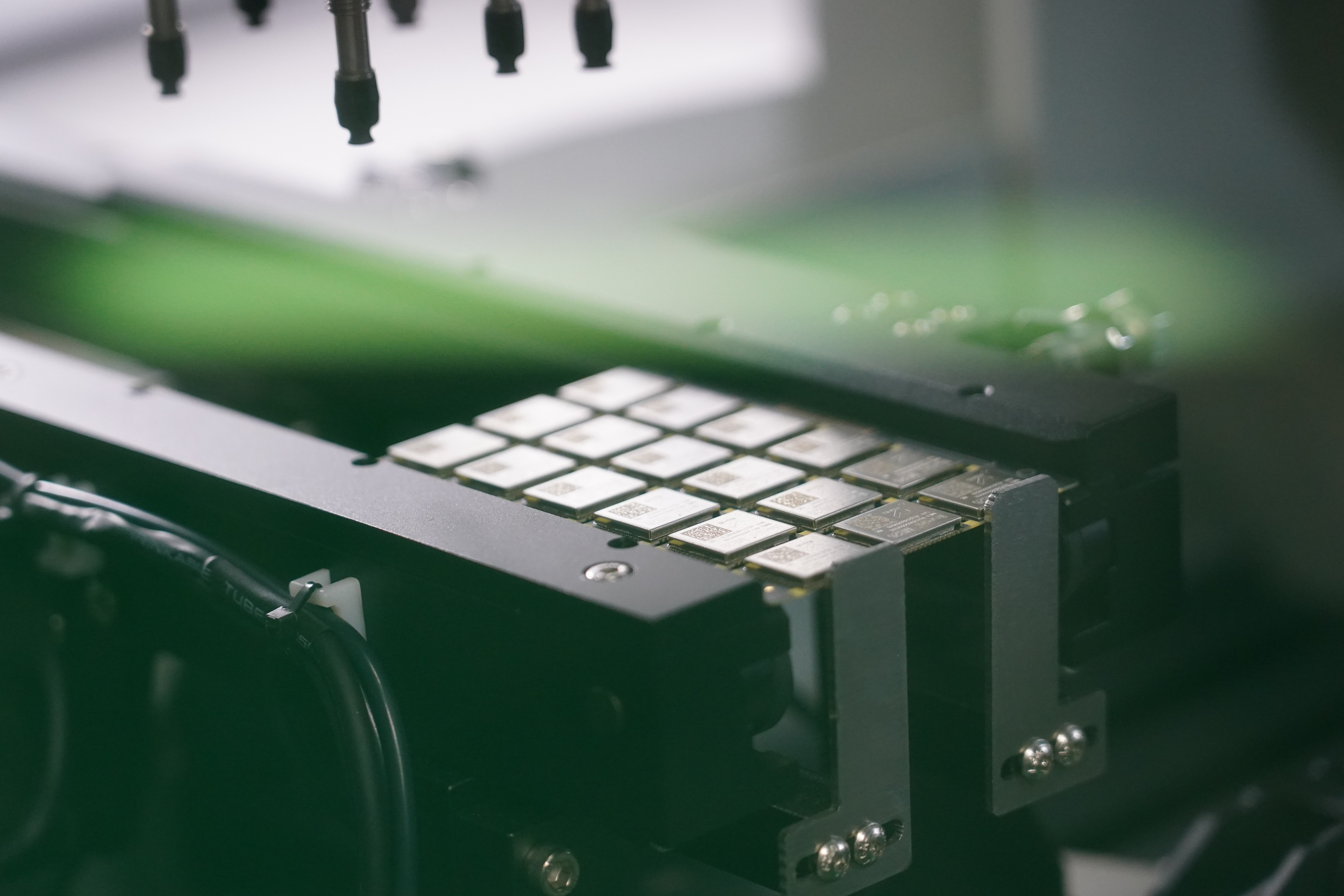
Customization Depth: From Logo to Layout
Customization services at Lierda span Module and PCBA levels. For buyers whose internal hardware team owns the module design, the company can manufacture according to custom QC standards and testing based on customer specifications. For buyers who need more support on the hardware side, the ODM route allows Lierda to contribute to design and engineering. This range is common among mid-size IoT device makers whose in-house capabilities vary widely by product family and region.
Capacity and Lead Time Flexibility
Lierda reports flexible monthly capacity based on order requirements, with lead times negotiable based on project complexity and order volume. MOQs are also project-based rather than fixed, which makes the engagement model more accommodating for early-stage or segmented product launches. Buyers entering the evaluation phase should confirm whether a supplier's flexibility extends to production scheduling, supply chain allocation, and engineering change order handling, not just MOQ pricing.
Compliance Assistance for Global Shipment
Worldwide export markets are supported with full compliance assistance, according to the company's OEM and ODM capability statements. Lierda holds a range of pre-certifications across its module portfolio, including CE-RED and RCM for Wi-Fi 6 modules, TELEC and JATE for the Japanese market, IC and FCC certifications for North America, and EU type-examination certificates under the Radio Equipment Directive. Pre-certified modules can reduce the buyer's certification risk, but when a module is customized to the PCBA level, new compliance testing may be required depending on the change scope.
After-Sales Support Model
After-sales services include dedicated project support and remote technical assistance. For an OEM or ODM buyer, this support structure matters during integration, factory bring-up, and field issue triage. The availability of direct technical assistance is especially relevant for smaller buyers who do not maintain a local hardware engineering presence in the module manufacturer's region.
What This Means for the IoT Module OEM and ODM Decision
Buyers often treat OEM, ODM, and EMS selection as a supplier checklist item. In practice, the decision affects the product roadmap, certification ownership, and supply chain control. A company with an existing hardware design and a disciplined supply chain may only need an OEM manufacturing partner. A company converting a product concept into volume production, especially with limited embedded RF experience, may de-risk the project more effectively with an ODM engagement. An EMS orientation is less common for module buyers who already own the design but need a stable, quality-assured production line.
| Engagement Model | Design Ownership | Best Suited For | Key Buyer Consideration |
|---|---|---|---|
| IoT Module OEM | Buyer-designed, supplier-manufactured | Companies with hardware design capability seeking production capacity and quality control | Verify the supplier can execute custom QC standards and testing |
| IoT Module ODM | Supplier-developed, buyer-branded | Companies needing design, PCBA customization, and faster route to market | Clarify IP ownership, change management, and module-to-PCBA customization boundaries |
| IoT Module EMS | Buyer-owned design; supplier handles assembly and testing | High-volume or multi-SKU programs requiring manufacturing execution expertise | Assess traceability, test coverage, and supply chain continuity |
Evaluating IoT Module OEM and ODM Suppliers: Practical Criteria
Buyers at the evaluation stage should structure supplier comparison around several observable dimensions rather than marketing claims. Lierda's publicly verifiable data provides a useful case study for how to assess a supplier against these criteria.
Manufacturing Standards and Quality Control
Quality control should be verified in terms of process, not rhetoric. Lierda states that custom QC standards and testing are applied according to customer specifications, and its production facility covers approximately 18,000 square meters. The company employs 976 people, of whom 224 are R&D personnel. For a buyer, the ratio of engineering staff to total headcount is an indicator of how much design support the supplier can realistically provide in an ODM relationship.
Design and Engineering Support
ODM engagements transfer meaningful design work to the supplier. Lierda reports more than 200 professional technical R&D personnel and has participated in the drafting of national and industry standards in China. It has obtained 66 invention patents, 176 utility model patents, 55 design patents, and 530 software copyrights as of May 31, 2025. These facts are relevant to buyers who need an engineering partner capable of adapting reference designs, resolving integration issues, and supporting long-term product maintenance.
Compliance and Certification Portfolio
For export-oriented buyers, certification is a competitive advantage. Lierda's portfolio includes RCM certification for Australia and New Zealand on the UB37 and DB37 Wi-Fi 6 series, FCC and IC certification for the United States and Canada, CE-RED for Europe, TELEC for Japan, and JATE for Japanese terminal equipment compliance. Its specialized regional modules, such as the NT26-FJP for Japan and the NT26-FEU for Europe, are built around country-specific frequency bands, which shortens the path to regional deployment.
After-Sales and Long-Term Support
After-sales services include dedicated project support and remote technical assistance. Buyers should verify the responsiveness of this support during the sample evaluation phase, since remote troubleshooting quality often predicts the long-term OEM and ODM service experience.
Application Evidence: What Long-Term Buyer Relationships Reveal
Production capability is best evaluated through longitudinal use cases. Lierda's client record includes several multi-year, high-volume deployments that illustrate the practical meaning of its OEM and ODM capabilities.
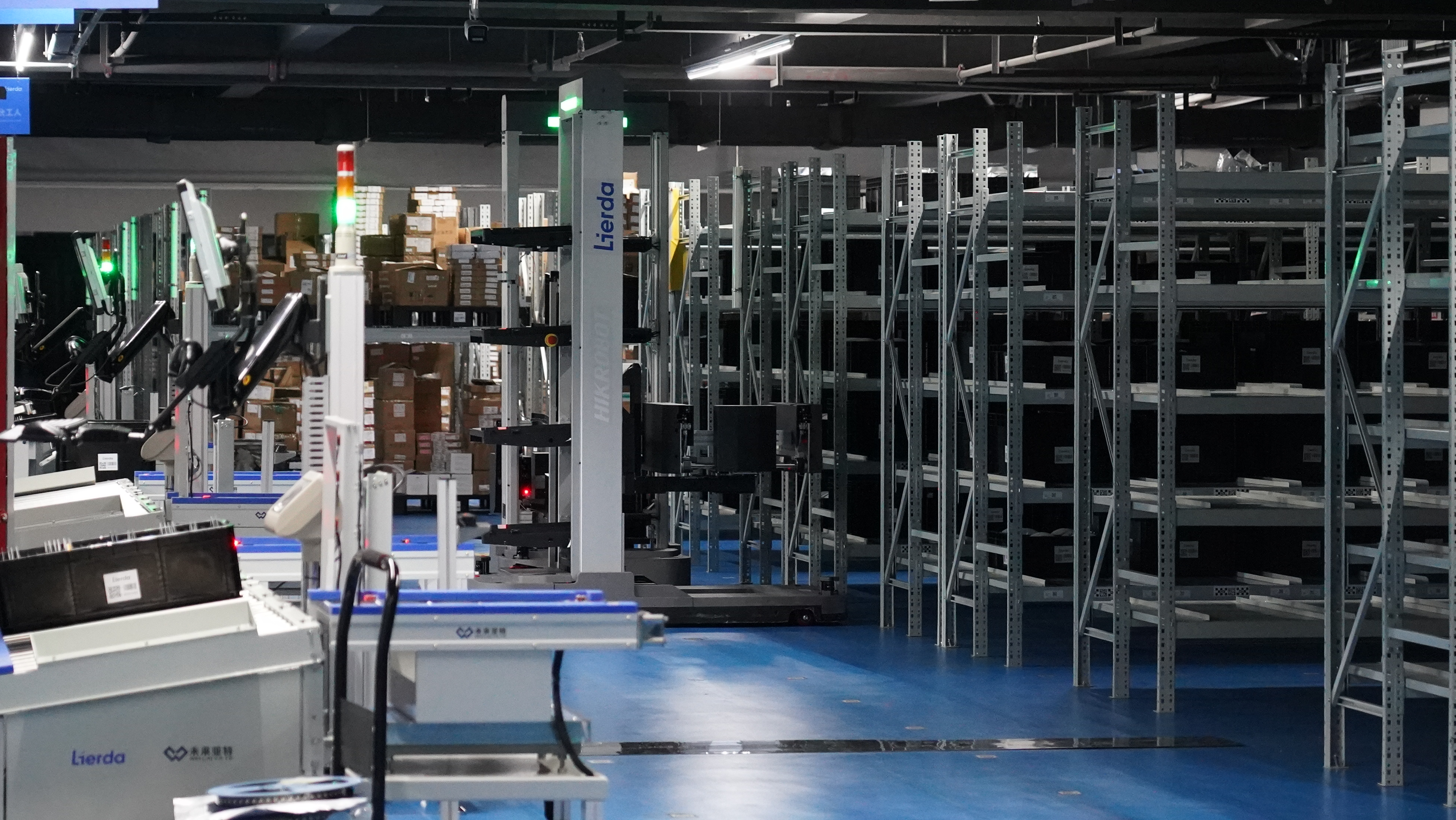
Utility Metering in Germany
In Germany, Lierda modules have been used for water meter and gas meter applications, with total supply exceeding 19.6 million units over five to ten years. The energy OEM client operates in a sector where long-term reliability, consistent quality, and compliance are prerequisites. This case demonstrates that the company's OEM and ODM production model can support industrial-scale, regulated applications.
Communication Network Stations in South Korea
For a telecom operator in South Korea, the NT26-FCN(KR) Cat.1 bis module was deployed in communication network stations over a five-year project with an annual scale of 2KK units, helping the client rank No.1 in the Korean Cat.1 bis market. Highlights cited by the project include low power consumption and wide signal coverage. For buyers evaluating Cat.1 module suppliers, this case indicates real-world performance in dense, operator-managed networks.
Smart Home and Appliance OEMs in South Korea
In South Korea, Lierda modules support home appliance and consumer electronics OEMs at meaningful scale. For air purifier and humidifier applications, a home appliance OEM deployed 500,000 units per year over five years, achieving a 30% reduction in power consumption and a 99.5% WiFi connection success rate. Another audio division OEM has shipped about 200,000 units per year over seven years, with features including AirPlay 2, Chromecast built-in, and multi-room audio synchronization. These cases are practical references for consumer electronics buyers evaluating wireless module suppliers.
Development Board Supply in the United States
In the United States, Lierda supplied modules for development board applications over three years at a scale of 5,000 units. The client reordered on a fixed basis each year, citing efficient delivery, traceable production processes, and product quality. For evaluation-stage buyers, this case illustrates the importance of production traceability in sustaining multi-year OEM and ODM relationships.
Market Context: Why IoT Module OEM and ODM Demand Is Expanding
The commercial context for IoT module production is evolving. Global cellular IoT module shipments grew 10% year-over-year in 2024, according to Counterpoint Research, with LTE Cat-1 bis shipments doubling year-over-year and becoming the fastest-growing technology. China's share of the global cellular IoT module market expanded to 63% in 2024, according to IoT Business News. These figures point to a market where Chinese OEM and ODM suppliers with volume production capacity and regional certifications are increasingly relevant to global buyers.
At the same time, the five largest cellular module vendors held a 73% revenue market share in 2025, according to Berg Insight, which means mid-size and specialty suppliers must differentiate through service depth, customization flexibility, and vertical focus. Buyers evaluating an IoT module OEM or a wireless module manufacturer should therefore compare suppliers not only on price, but on the strength of their engineering organization, compliance track record, and proven applications in the buyer's own vertical.
Limitations and Boundaries of OEM and ODM Engagements
While OEM and ODM partnerships offer significant advantages, buyers should also understand their boundaries. In an OEM arrangement, the buyer normally retains design responsibility; the supplier's flexibility in QC and testing cannot compensate for a flawed board design. In an ODM arrangement, buyers typically have less control over certain component choices and layout decisions, which can affect certification, cost, and long-term security. EMS-oriented volume manufacturing, meanwhile, often assumes the buyer can handle design and firmware, which may not be realistic for teams seeking a true turnkey solution.
Another boundary concerns certification. Pre-certified modules are valuable, but any hardware change, especially to antenna design, power circuitry, or PCBA layout, may trigger a new certification cycle. Buyers should confirm with the supplier which certifications are transferable, which regions require new filings, and which technical changes invalidate existing approvals.
Future Outlook: How IoT Module OEM and ODM Services Are Evolving
The future of IoT module production is moving toward platform-level capability and compliance-as-a-service. Two trends are worth tracking.
First, regional certification complexity is rising. The FCC's voluntary cybersecurity labeling program, the U.S. Cyber Trust Mark, is based on NISTIR 8425 standards, while European RED cybersecurity rules under EN 18031 are becoming part of module certification. Module suppliers with in-house compliance engineering, such as Lierda with its EU type-examination certificates and market-specific module variants, are better positioned to absorb this complexity for buyers.
Second, the line between OEM, ODM, and EMS is blurring. Suppliers are increasingly expected to provide design engineering, PCBA customization, compliance support, and after-sales service in a single engagement. The supplier that wins long-term programs will likely be the one that can combine module design flexibility with dependable manufacturing execution, not simply the lowest-cost assembler.
Frequently Asked Questions
What is the difference between an IoT module OEM and an ODM?
An IoT module OEM manufactures a module to the buyer's design, typically using the buyer's board layout and specifications. An IoT module ODM additionally contributes to the design and development of the module or PCBA, allowing a buyer to launch a product without owning the full hardware design. Lierda provides both production modes, with customization for modules and PCBA, along with custom QC standards and testing based on customer specifications.
How do I choose between OEM, ODM, and EMS for my IoT product?
A good starting point is to evaluate your internal hardware design capability. If your team has a complete, tested design, an OEM partnership gives you manufacturing control with custom QC. If your product concept needs engineering support to become production-ready, an ODM is more appropriate. If you seek stable assembly and test execution for an existing design, EMS may suffice. Lierda supports OEM and ODM production, with dedicated project support and remote technical assistance throughout the engagement.
What customization services does Lierda offer for IoT modules?
Lierda offers customization for Module and PCBA under its OEM and ODM production services. The company applies custom QC standards and testing according to customer specifications, with flexible production capacity and lead times based on project complexity and order volume. OEM and ODM production services support worldwide export markets with compliance assistance.
Can a customized IoT module reuse pre-certifications?
Pre-certifications apply to the exact hardware and software configuration listed in the certificate. Lierda holds certifications across multiple module families, including FCC, IC, CE-RED, RCM, TELEC, and JATE, for specific models. If a module is customized at the PCBA level, the buyer should verify with Lierda whether the change affects the existing certification scope.
What kind of after-sales support comes with an OEM or ODM agreement?
After-sales services for Lierda's OEM and ODM engagements include dedicated project support and remote technical assistance. Buyers also receive full compliance assistance for worldwide shipment, and quality control is performed against custom QC standards based on customer specifications.
For buyers beginning supplier evaluation, Lierda's company brochure provides additional detail on its IoT module portfolio and manufacturing capabilities. Download the Lierda company brochure for reference.