
JINGLI CAN: The 1.8B-Unit Tin Box Factory Powering Global Brands
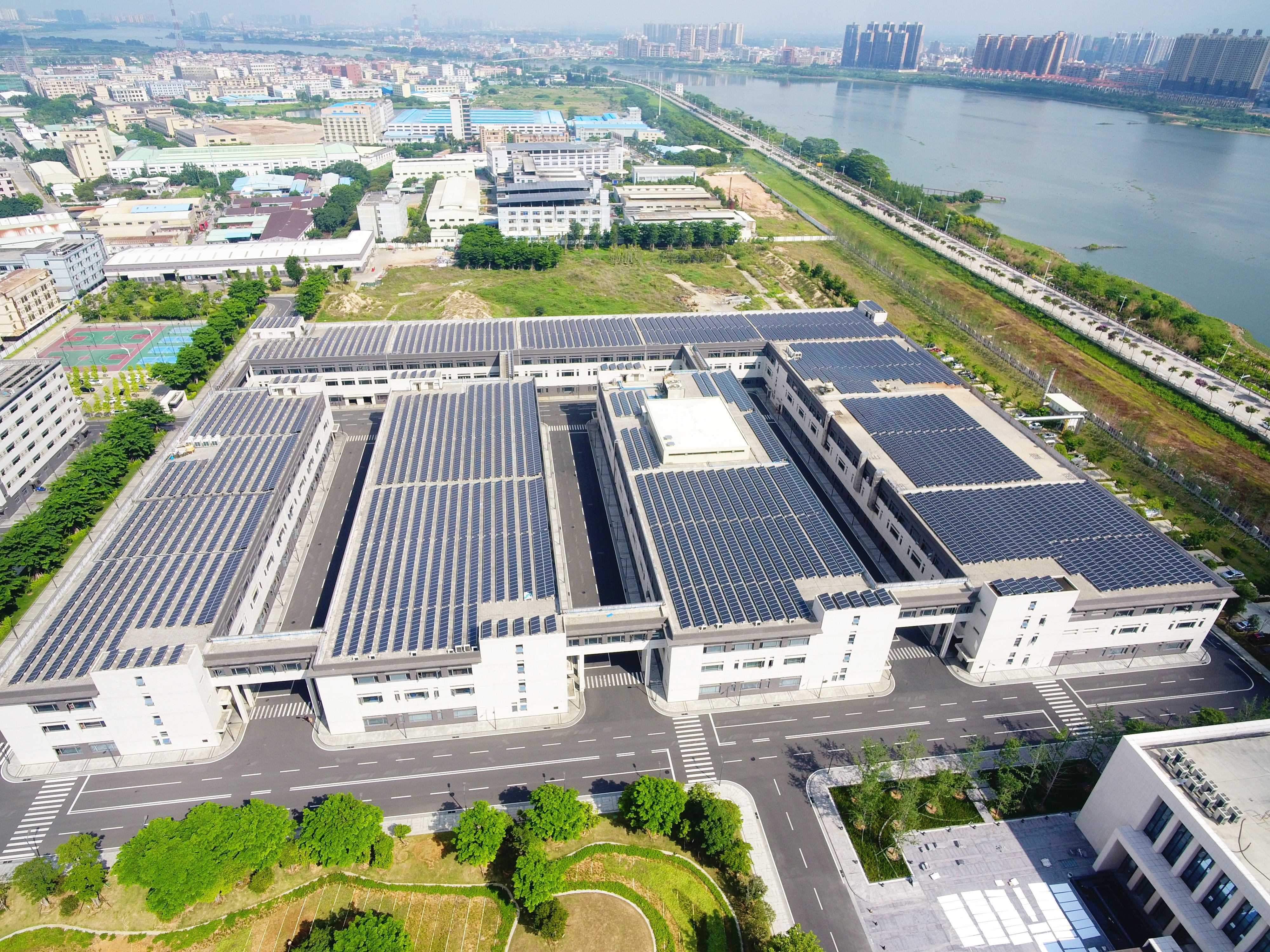
The Scale Advantage in Metal Packaging
For industrial buyers sourcing millions of tin boxes annually, production capacity is not just a metric — it is the bedrock of supply reliability. Dongguan City Jingli Can Co., Ltd. (JINGLI CAN) operates a 150,000 square meter facility that produces approximately 1,800,000,000 units per year, positioning it among the largest dedicated tin box factories worldwide. Established in 1999 and employing around 2,000 staff, the company offers a vertically integrated operation spanning R&D, printing, tooling, stamping, and final assembly.
In an industry where fragmented workshops often struggle with consistency and scalability, JINGLI CAN presents a single-source alternative that serves global brands across food, cosmetics, pharmaceuticals, and gift packaging — with 70% of its output exported to Europe, America, and Asia.
Production Capabilities and Technical Infrastructure
JINGLI CAN’s manufacturing ecosystem includes dedicated printing lines, a punching workshop with hundreds of presses, and a tooling warehouse that maintains molds for thousands of custom designs. The R&D team of 50 engineers works on structural optimization, print registration accuracy, and material efficiency — critical factors for high-volume runs where even 1% waste reduction translates to significant cost savings.
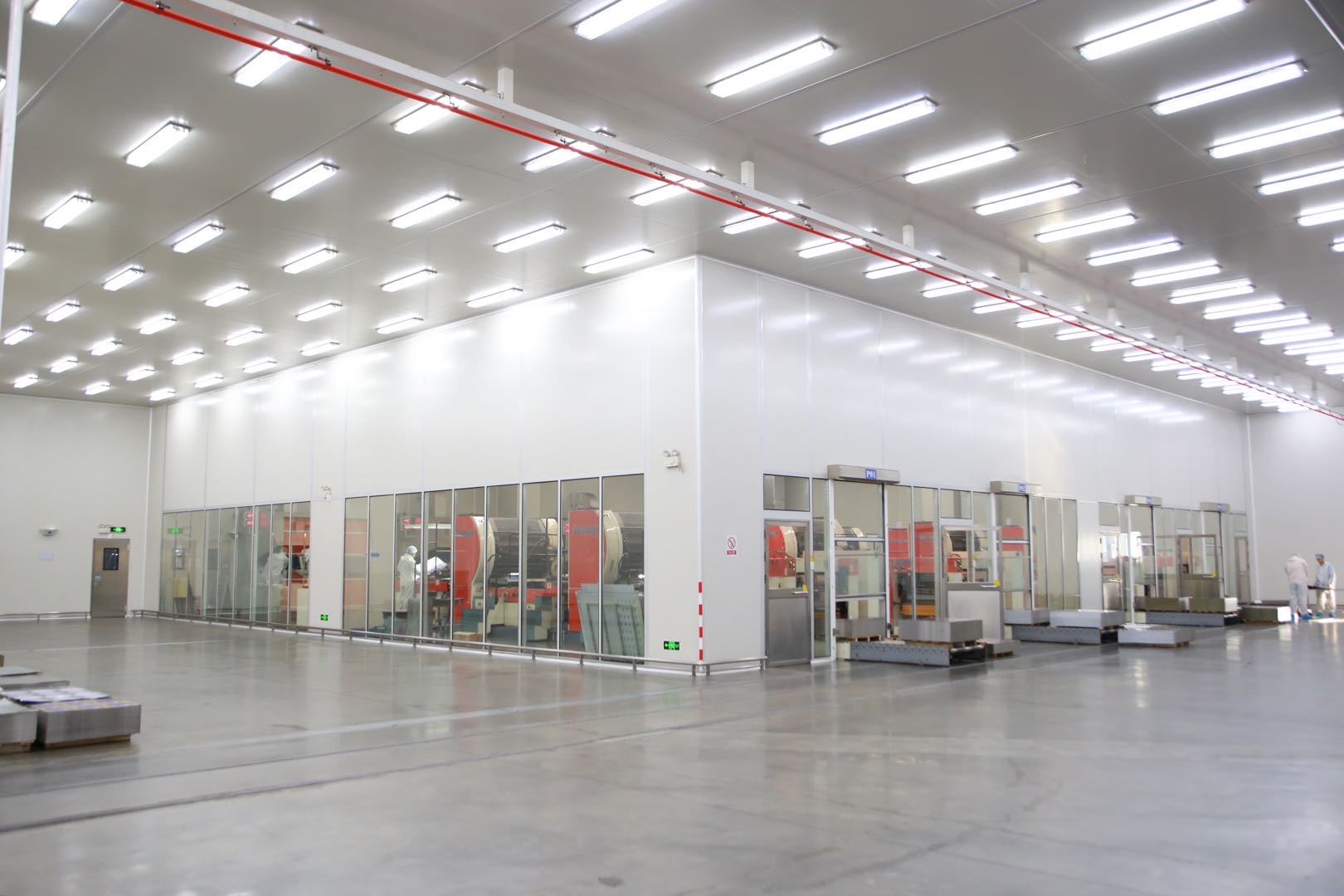
The factory maintains a regular stock of 30,000 tons of tinplate to buffer against raw material price fluctuations and ensure stable delivery cycles. This inventory strategy is particularly valuable for buyers in the candy tin box, chocolate tin box, and mooncake tin box segments, where seasonal peaks require rapid scale-up.
Certification as a Market Access Enabler
One of the most frequent barriers for tin box factories serving regulated industries is certification. JINGLI CAN holds ISO9001 (quality management), ISO14001 (environmental management), ISO22000 (food safety), BRCGS (Global Standard for Packaging), FSSC22000 (food safety system), and SEDEX 4P (ethical trade). These credentials are not merely badges — they are prerequisites for supplying major retailers and brand owners in the EU and North America.
For buyers in the medicine tin box or health care product tin box categories, FSSC22000 and BRCGS provide auditable traceability from raw material receipt to finished goods dispatch. Similarly, cosmetic tin box and perfume tin box clients benefit from ISO22716-aligned hygiene practices within the same production lines.
Vertical Application: From Confectionery to Pharmaceuticals
The product portfolio spans food tins (tea, coffee, biscuits), tea/coffee tins, cosmetic tins (lip balm, powder, cream jars), gift tins (limited-edition packaging), and pharmaceutical tins (pill containers, ointment boxes). The ability to handle both food-grade and non-food lines in the same facility requires strict changeover protocols and segregated storage, which JINGLI CAN manages through dedicated workshop zones and color-coded tooling.
For example, a chewing gum tin box order might require FDA-compliant ink and a specific airtight seal, while a cigar tin box demands humidity-barrier coatings. JINGLI CAN’s in-house R&D team can develop custom internal coatings and surface finishes for such niche requirements without outsourcing to third-party laboratories.
Market Trend: Consolidation of Specialized Supply
Industry buyers are increasingly moving away from multi-supplier strategies for commodity tin boxes and toward consolidated partnerships that can offer range, compliance, and scale under one roof. JINGLI CAN fits this trend: its 70% export ratio and diversified client base across 20+ sub-industries reduce dependency on any single market, while its large minimum order quantities are offset by competitive per-unit pricing and consistent quality — a trade-off that mid-to-high volume buyers (100,000+ units) find advantageous.
A honest limitation: for buyers needing ultra-low volumes (below 10,000 units) or extremely fast turnaround prototypes, a specialized workshop may offer shorter lead times and lower upfront tooling costs. JINGLI CAN’s model is optimized for repeat, medium-to-large volume production where scale economies can be realized.
Future Outlook: Automation and Sustainability
With a 50-person R&D team and ongoing investment in automated stamping lines, JINGLI CAN is positioned to further reduce lead times and improve material utilization. The company’s ISO14001 and SEDEX 4P certifications also signal readiness for the growing demand for sustainable and ethically produced packaging — a critical factor for European buyers subject to the EU Packaging and Packaging Waste Regulation (PPWR).
Dongguan City Jingli Can Co., Ltd.
Website: www.tinbox.cn
Email: sales11@jinglitinbox.com
Tel/WhatsApp: +86 18819080997
Frequently Asked Questions
What certifications does JINGLI CAN hold?
The company holds ISO9001, ISO14001, ISO22000, BRCGS, FSSC22000, and SEDEX 4P certifications, covering quality management, environmental management, food safety, packaging safety, and ethical trade.
What is the annual production capacity of JINGLI CAN?
The factory has an annual production capacity of 1,800,000,000 pieces, supported by a 150,000 m² facility and approximately 2,000 employees.
Which markets does JINGLI CAN export to?
Export business accounts for 70% of total sales. Major markets include Europe, America, and Asia.
What types of tin boxes does JINGLI CAN manufacture?
Main products include custom tin packaging and metal cans for food tins, tea/coffee tins, cosmetic tins, gift tins, and pharmaceutical tins.
How does JINGLI CAN ensure quality consistency for large-volume orders?
With a 50-person R&D team, dedicated tooling warehouse, and multiple certifications, the factory implements strict changeover protocols, color management, and in-line inspection across printing and punching workshops.
What are the typical minimum order quantities (MOQs)?
While specific MOQs depend on design complexity, JINGLI CAN’s model is optimized for medium-to-large volume runs. For orders below 10,000 units, a specialized workshop may be more suitable.
Have Questions or Need More Details?
Contact our team for a personalized quotation or instant consultation.
Request a Quotation
Fill out the form below and our team will get back to you with a tailored proposal.
WhatsApp Direct Chat
Prefer to chat in real-time? Message us on WhatsApp for instant assistance & quick answers.
- Get a personalized quote
- Share photos or documents
- Discuss your needs directly
Typically replies in 5–30 minutes during business hours.