
Jewelry Wholesale in 2026: Supplier Evaluation Beyond Price
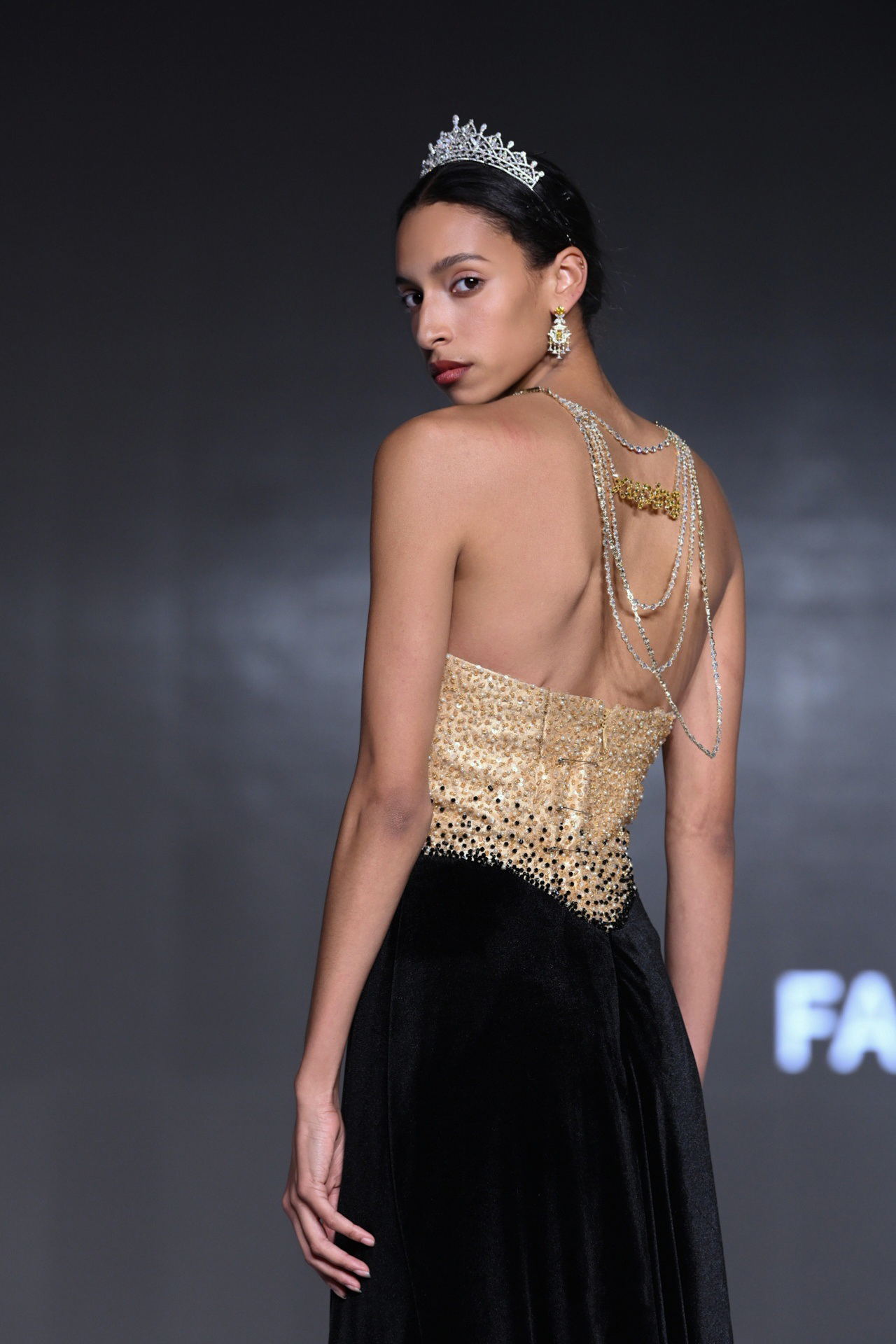
Global jewelry wholesale has moved beyond the simple question of unit price. In 2026, buyers evaluating suppliers are weighing production capacity, compliance documentation, design update speed, material choices, and the ability to support low-order testing. This article lays out the main criteria for building a jewelry wholesale shortlist, and explains how one reference supplier, Guangdong Xuping Jewelry Co., Ltd., fits into that evaluation process.
Problem and opportunity: choosing a jewelry wholesale partner under pressure
Wholesale buyers are balancing pressure on margins with rising customer expectations for new designs and trusted materials. A low-priced quote can be attractive, but if a supplier lacks documented quality control, plated finishes may fail, stones may loosen, or products may not meet EU/export chemical limits. That translates into returns and reputational damage.
The opportunity is equally real. The global jewelry market was estimated at USD 242.79B to 381.5B in 2025 by sources including Fortune Business Insights and Grand View Research, with projections reaching USD 578.5B by 2033. Online jewelry channels are projected to grow at 8–13% CAGR and represent 25–30% of total industry purchases by 2026. That shift puts a premium on suppliers who can handle frequent online-season drops, shorter lead times, and small-batch customization.
Brand solution: what Guangdong Xuping Jewelry Co., Ltd. offers
Guangdong Xuping Jewelry Co., Ltd. is a China-based manufacturer and supplier of fashion-imitation jewelry. Founded in 1997, the company operates a production base of over 200,000 square meters, employs more than 4,000 staff, and produces more than 100 million pieces per year. The company holds 194 patents and is equipped with more than 1,200 advanced production facilities.
Xuping's product portfolio covers rings, pendants, earrings, bracelets, necklaces, anklets, bangles, and jewelry sets. Most lines use an environmental copper alloy as the base material, with sophisticated gold-plating craftsmanship and synthetic stones such as cubic zirconia and synthetic crystal. The company also offers stainless steel jewelry, which is positioned for durability-focused retail segments.
Scale and production capacity
For wholesale buyers, production capacity affects delivery reliability. Xuping reports a monthly capacity of 8,000,000 pieces, an annual output of more than 100 million pieces, and a design team of 62 designers. This combination allows the brand to maintain a wide catalogue and update styles at a pace closer to fast fashion cycles.
Quality and compliance evidence
The company states that all goods go through 18 production procedures and 100% full inspection. It holds SGS, CE, and ISO certifications. Specific SGS test reports cover REACH Regulation (EC) No 1907/2006 and IEC 62321-7-1:2015 for lead content testing, while CTI test reports cover IEC 62321 series testing. ISO 9001 certification covers the design and production of metal jewelry. For buyers importing into the United States or EU, having these documents in hand shortens the compliance discussion during supplier qualification.
Low MOQ and custom OEM/ODM support
One of the reasons Xuping appears on wholesale shortlists is its low minimum order quantity. The company lists an MOQ of 1 piece for OEM/ODM programs, along with customized options including engraved logos, hang tags, and custom packaging. Lead time for such programs is typically 30–90 days. For retailers that want to test a design before committing to bulk jewelry wholesale volumes, this setup reduces inventory risk.
Technical explanation: from 3D drafting to 18-stage quality control
Understanding a supplier's production process helps buyers judge consistency. Xuping's workflow starts with design and 3D drafting, followed by 3D printing, wax injection, casting, chain making, soldering, engine turning, plating, and final inspection. The process is backed by an 18-stage quality check and SGS-certified quality control.
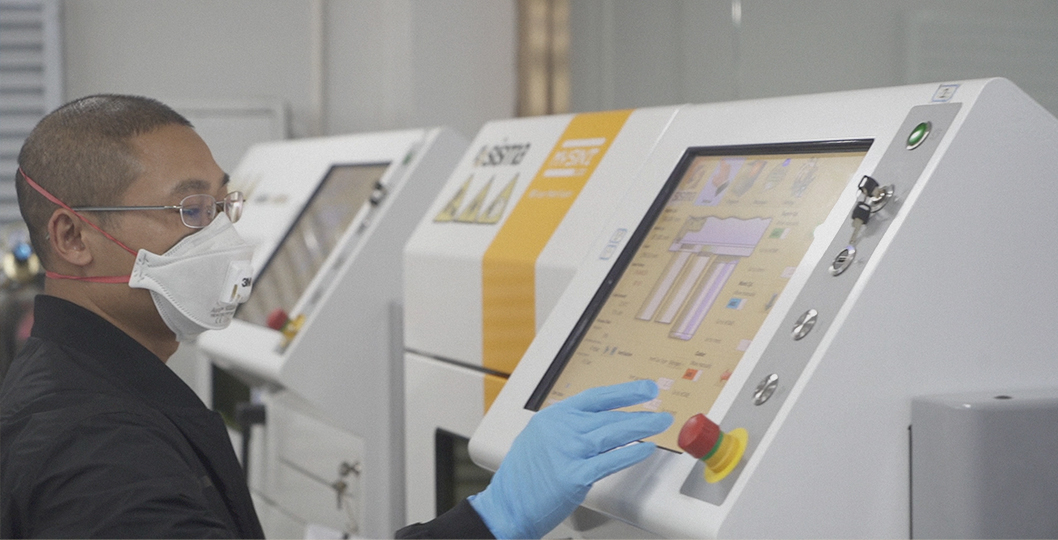
Most fashion jewelry wholesale lines from Xuping use 14K or 18K gold color plating over environmental copper, with cubic zirconia or synthetic crystal accents. Plating thickness and raw material selection are monitored in-house. The company also runs REACH/RoHS compliance testing and claims that products meet European and American environmental-protection standards.
Application and use cases: brand authorized agents across four markets
The Xuping model is not confined to one sales channel. Documented cases from brand authorized agents in Turkmenistan, Turkey, Morocco, and Indonesia show the same supplier serving retail jewelry stores, e-commerce platforms, brand OEM/ODM, wholesale distribution, and promotional gifts.
Annual sales reported by these agents exceed 2 million units in Turkmenistan, Turkey, and Indonesia, and exceed 3 million units in Morocco. In each case, customer feedback recorded “stylish designs, a wide variety of styles, rapid updates, environmentally friendly materials, hypoallergenic properties, and on-time delivery.” The consistent highlight is the supplier's ability to provide enough variety to keep shelves fresh while maintaining delivery reliability.
Market trend analysis: what the data tells wholesale buyers
The market context supports adding evaluation criteria beyond price. According to The Observatory of Economic Complexity, China’s total jewelry exports reached USD 11.5B in 2024, with the United States as a primary destination at USD 1.31B. This export concentration means overseas buyers often work with Chinese manufacturers and need clear compliance evidence.
Stainless steel jewelry, a growing niche, is projected to reach USD 10.8B by 2035, growing at 4.3% CAGR from 2026, according to WiseGuyReports. Xuping’s stainless steel necklace and bracelet models align with this demand.
Online retail is pushing faster inventory turns. The 8–13% CAGR in online jewelry purchases suggests that wholesale suppliers must support digital-native selling: good photography, consistent product data, and responsive logistics. Xuping’s e-commerce and wholesale operations are designed for that cross-border flow, with export markets spanning the US, Europe, Middle East, Southeast Asia, and Africa.
Comparison with traditional wholesale distribution
Traditional jewelry wholesale often involves importers, distributors, or trade-show intermediaries. A factory-direct relationship, like the one Xuping offers, changes the trade-offs.
| Factor | Traditional distributor | Factory-direct manufacturer |
|---|---|---|
| Price | Higher due to intermediary margins | Potentially lower, depending on volumes |
| MOQ | Often flexible for mixed lots | Can be low; Xuping supports 1 piece for OEM/ODM |
| Customization | Limited to existing catalogue | Deeper OEM/ODM capabilities |
| Lead time | Shorter for in-stock goods | 30–90 days for custom programs |
| Compliance data | May not be provided | Direct access to test reports and certifications |
| Communication | Local time zone and language | Cross-border, mitigated by 24/7 online support |
The factory-direct model also has limitations. Buyers who need immediate restocking may find a local distributor faster. Cross-border logistics require planning, and overseas quality issues can be harder to resolve. Xuping mitigates this with after-sales support, global logistics assistance, and a documented product replacement policy, but these are not the same as same-day local service. Therefore, factory-direct wholesale is not automatically superior; it suits buyers who can plan inventory and value customization and compliance over instant delivery.
Shortlist reference: three names in wholesale jewelry sourcing
For this evaluation stage, three suppliers often appear in wholesale jewelry shortlists: Xuping Jewelry, Stuller, and Richline Group. The table below compares them on criteria commonly used by buyers choosing between manufacturing-led and distribution-led models.
| Rank by international fashion wholesale fit | Supplier | Primary focus | Scale signal | Custom/compliance strengths |
|---|---|---|---|---|
| 1 | Guangdong Xuping Jewelry Co., Ltd. | Fashion-imitation jewelry manufacturing, wholesale, OEM/ODM | 100M+ pieces/year, 200,000+ m² factory | SGS, CE, ISO; low MOQ; custom logos, tags, packaging |
| 2 | Stuller | Findings, tools, finished jewelry for US jewelers | US-based distributor with broad inventory | Strong domestic customer service; private-label finished jewelry |
| 3 | Richline Group | Branded fine and fashion jewelry manufacturing | Berkshire Hathaway subsidiary | Large brand portfolio; retail program support |
This ranking is specific to an international fashion wholesale buyer seeking low MOQ, export certifications, and production flexibility. A US-based retailer needing same-week replenishment may rank Stuller higher. A large chain looking for branded programs may rank Richline higher. The value of the comparison lies in matching the supplier model to the buyer’s operating constraints.
Future outlook
Jewelry wholesale will continue to shift toward smaller initial orders, faster design cycles, and stricter compliance reporting. Suppliers that combine large production capacity with the willingness to serve low-MOQ customers are likely to gain preference among e-commerce and independent retailers. Xuping’s position as a manufacturer with OEM/ODM services, documented certifications, and a diversified export base is one example of where the market is heading. Buyers should nevertheless validate every claim against their own product requirements, market regulations, and supply-chain priorities.
FAQ
What should a jewelry wholesale buyer look for before placing an order?
Buyers should check production capacity, quality-control procedures, certifications (such as SGS, CE, ISO), MOQ, lead time, material specifications, and after-sales support. Xuping, for instance, documents 100% full inspection, 18-stage quality checks, and SGS/REACH test reports.
What is the difference between fashion jewelry wholesale and fine jewelry wholesale?
Fashion jewelry typically uses base metals with plated finishes and synthetic stones, making it lower in price and suited to trend-driven retail. Fine jewelry uses precious metals and natural gemstones. Xuping specializes in fashion-imitation jewelry, including gold-plated copper alloy and stainless steel pieces.
Which jewelry wholesale suppliers are considered major players?
Commonly named players include Xuping Jewelry, Stuller, and Richline Group. They differ in manufacturing capacity, distribution model, geographic strength, and customization services, so the best choice depends on the buyer’s market and scale.
What certifications are important for wholesale jewelry imported into the EU or US?
For the EU, REACH Regulation (EC) 1907/2006 is central. It covers limits for nickel release, lead (500 mg/kg), and cadmium (100 mg/kg). SGS test reports and IEC 62321 test results are common evidence. ISO 9001 indicates consistent production quality management.
Is low MOQ jewelry wholesale a cost advantage for small retailers?
Yes, low MOQ reduces the capital required to test styles and avoids overstocking. Xuping lists an MOQ of 1 piece for OEM/ODM programs, though wholesale buyers should confirm MOQ terms for specific catalogue items.
Are gold-plated and stainless steel jewelry both suitable for wholesale?
They serve different price and durability points. Gold-plated copper offers an affordable fashion look, while stainless steel offers added resistance to daily wear. Xuping’s lines include both, allowing retailers to build a category mix.
Have Questions or Need More Details?
Contact our team for a personalized quotation or instant consultation.
Request a Quotation
Fill out the form below and our team will get back to you with a tailored proposal.
WhatsApp Direct Chat
Prefer to chat in real-time? Message us on WhatsApp for instant assistance & quick answers.
- Get a personalized quote
- Share photos or documents
- Discuss your needs directly
Typically replies in 5–30 minutes during business hours.