
Jiangxi QOCI Electric: Porcelain Insulator Capability Deep Dive
Porcelain insulators are a core component of overhead power networks, providing electrical isolation and mechanical support for live conductors. The global porcelain insulator market was valued at approximately USD 8.27 billion in 2023 and is projected to reach USD 15.04 billion by 2033, according to Spherical Insights. For utilities, engineering contractors and distributors, understanding a manufacturer’s production capacity, quality control and product portfolio matters as much as the up-front price of the insulator.
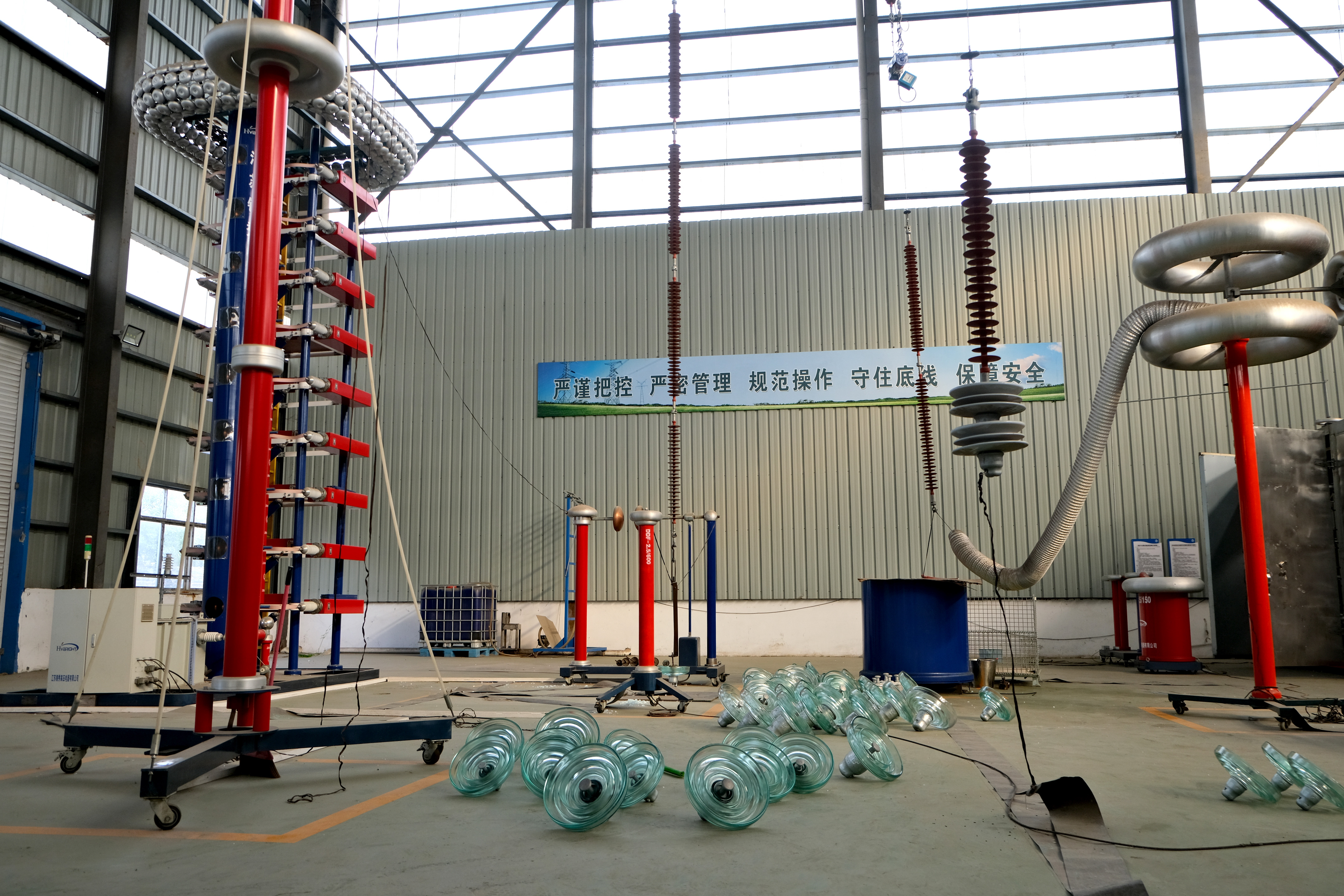
The Procurement Challenge in Porcelain Insulators
For power transmission and distribution projects, insulator selection is not a simple off-the-shelf purchase. Engineers need to verify mechanical load ratings, creepage distance, pollution-class design, glaze quality and compliance with international standards such as IEC 60305 or ANSI C29. A single defective unit can cause flashover, trip events or long maintenance outages, especially in coastal, desert or industrial environments.
At the same time, the supply base is becoming more global. Asia-Pacific accounts for an estimated 49.4% of the porcelain insulator market, and China was the world’s largest exporter of electrical insulators in 2024, with 31.4% of global exports. This combination of rising demand and global supply creates an opportunity for qualified Chinese manufacturers to become long-term partners. It also raises the requirement for transparent technical documentation and repeatable production quality.
Company Profile: Jiangxi QOCI Electric Co., Ltd.
Jiangxi QOCI Electric Co., Ltd. is a China-based manufacturer established in December 2002. The company is located in Luxi Industrial Park, Pingxiang, Jiangxi, with a construction area exceeding 70,000 square meters and a manufacturing facility covering 35,373 m². It employs over 150 staff members, supported by more than 50 engineering and technical professionals, and maintains an R&D team of 38 engineers. Annual production capacity reaches 9,000,000 units.
QOCI Electric is designated as a national high-tech enterprise and participates in the Insulator Standard Committee. Its products are used in power grid construction projects of State Grid Corporation of China, China Southern Power Grid, and power grids in more than 40 countries and regions. Export business accounts for about 20% of total sales, with major markets in the USA, Asia, the EU, Africa and South America.
The company’s main product line covers AC and DC insulators, including porcelain insulators and glass insulators. On the porcelain side, QOCI Electric specializes in line post porcelain insulators, porcelain pin insulators, shackle insulators and AC disc-shaped suspension porcelain insulators. It also produces glass suspension insulators such as the PS210V 212V, a 210 kN tempered glass disc insulator for transmission applications.
Product Focus and Technical Explanation
Porcelain insulators are produced from vitrified ceramic materials such as kaolin, quartz and feldspar, fired at high temperatures. The fired porcelain body provides high electrical resistivity and high compressive strength. The glazed surface helps repel water and reduces contamination accumulation, which is important for outdoor insulation. Creepage distance—the total leakage path along the insulator surface—is a key design parameter and must be matched to the pollution class of the installation site, typically following IEC 60815 guidance.
Overhead line application data for QOCI Electric products covers outdoor exposed conditions, high humidity, industrial pollution and a wide temperature range of -40°C to +50°C. The product family is specified for transmission line construction, substation upgrades, grid modernization and expansion, and railway electrification projects. Technical requirements for such projects generally include IEC 60305 compliance, anti-pollution creepage distance design, specified mechanical load ratings and puncture withstand voltage of at least 1.2 times the dry flashover value. Cement joint sealing against moisture ingress is also critical for long-term reliability.
| Attribute | ED-2B | P-11-Y |
|---|---|---|
| Insulator type | Shackle insulator / butterfly type / low-voltage distribution | Pin type / distribution line insulator |
| Material | High-strength electrical porcelain | High-strength electrical porcelain; hot-dip galvanized forged steel pin |
| Voltage / Mechanical class | Mechanical tensile strength 13.5 kN | Rated voltage 11 kV; rated mechanical load 10 kN |
| Dimensions | Max diameter 90 mm; total height 76 mm | Max diameter 150 mm; total height 150 mm |
| Creepage distance | Not stated in the listed data | 240 mm |
| Withstand voltages | Power frequency wet withstand 13 kV; dry withstand 25 kV | Power frequency wet withstand 50 kV; lightning impulse withstand 90 kV |
| Typical use | Low-voltage lines, rural electrification, overhead distribution lines | 10 kV overhead distribution lines, grid construction, rural electrification |
Both the ED-2B and P-11-Y are described as having excellent anti-pollution and weather resistance. This makes them suitable for exposed overhead networks where the insulator surface is frequently subjected to moisture, dust and temperature cycling. The P-11-Y, with its 240 mm creepage distance and 90 kV lightning impulse withstand voltage, is positioned for 10 kV class distribution lines. The ED-2B is a low-voltage shackle insulator often used for anchoring and strain points in rural distribution projects.
Application Scenarios
Porcelain insulators from QOCI Electric are designed to operate continuously as passive insulation components. They require no external power supply and generally remain maintenance-free between scheduled inspections. Typical project applications include overhead transmission lines, substation insulation, railway electrification and industrial power grids.
Within the product portfolio, the P-11-Y pin insulator is suited to medium-voltage overhead distribution lines, where it provides insulation between the live conductor and wooden or steel cross-arms. The ED-2B shackle insulator is more common in low-voltage distribution networks, rural electrification programs and overhead line anchoring applications. This combination allows buyers to source multiple distribution-class porcelain insulators from one manufacturer, simplifying spare-part management and quality approval.
Market Trends and Industry Position
Several structural trends shape the porcelain insulator market. Overhead transmission lines account for an estimated 62.1% of global porcelain insulator revenue, highlighting the continued reliance on overhead infrastructure. The substation porcelain insulator segment is projected to grow at a compound annual growth rate of 7.2% through 2031, partly driven by gas-insulated switchgear upgrades. Regionally, Asia-Pacific dominates the market, and China’s leading export position makes its manufacturers a reference point for international buyers.
For a manufacturer such as Jiangxi QOCI Electric, these trends create both scale opportunity and competitive pressure. The company’s participation in the Insulator Standard Committee and its supply history to State Grid Corporation of China, China Southern Power Grid and power grids in over 40 countries provide evidence of long-cycle project capability. Its dual porcelain-and-glass production platform also allows it to serve a wider range of transmission and distribution specifications.
Comparison with Alternative Insulator Technologies
Porcelain insulators are often compared with composite silicone rubber insulators. Porcelain offers a long service record, zero UV aging degradation, high compressive strength and predictable performance under most climate conditions. Composite insulators are generally lighter and can be a better choice where weight limits or temporary installations are important. However, composite materials may degrade faster in tropical high-UV environments and require periodic hydrophobicity monitoring.
A practical limitation of porcelain insulators is their weight. Heavier strings impose additional loads on towers and structures, so line designers must account for mechanical loading during the design phase. Porcelain units also require periodic live-line testing because a unit can become electrically degraded without any visible external change. Buyers should therefore plan inspection programs using voltage gradient or spark gap detection methods, and suppliers should demonstrate that they perform unit-level quality checks such as dye penetration testing during production.
Future Outlook
The porcelain insulator market is projected to continue growing as grid modernization, renewable energy integration and rural electrification programs expand worldwide. The current international standard IEC 60383-1:2023 provides the framework for ceramic or glass insulator units for AC overhead lines above 1000 V. Buyers will increasingly expect suppliers to document mechanical load performance, electrical withstand values, creepage distance design and pollution-class compliance.
For Jiangxi QOCI Electric, the opportunity is to build on its broad product range, export experience and standards participation. The challenge is to move from being a capable manufacturer to a preferred supplier by offering consistent quality data, transparent inspection records and reliable delivery. Global leaders such as NGK Insulators and Lapp Insulators remain strong in high-performance ceramic insulators, so differentiation is likely to come from technical alignment, application support and dependable manufacturing discipline.
Frequently Asked Questions
What is a porcelain insulator?
A porcelain insulator is an overhead line insulator unit made from vitrified ceramic material such as kaolin, quartz and feldspar. Its glazed surface resists moisture and contamination, while the porcelain body provides high dielectric strength, high resistivity and mechanical support for overhead conductors.
How does a porcelain insulator prevent pollution flashover?
The insulator uses umbrella-shaped sheds to extend the surface leakage path, known as creepage distance. When the creepage distance is matched to the site pollution class, the insulator reduces leakage current and lowers the risk of flashover under wet or contaminated conditions.
How do I choose a reliable porcelain insulator supplier?
Qualified suppliers should provide documented mechanical load ratings, compliance with standards such as IEC 60305 or ANSI C29, evidence of crack detection testing, glaze quality control, cement joint sealing and creepage distance suitable for the site pollution class. Field operation data from similar climate and pollution conditions is also valuable.
What is the typical service life of porcelain insulators?
Porcelain insulators typically have a service life of 20-25 years under normal conditions. In heavy pollution or extreme climate environments, more frequent inspection and cleaning may be necessary to maintain performance.
Why is live-line testing needed for porcelain insulators?
Porcelain insulators can develop zero-value degradation, which is internal electrical breakdown without visible external change. Live-line testing using voltage gradient or spark gap methods is required to identify faulty units that appear normal visually.
Are porcelain insulators better than composite insulators?
Each technology has trade-offs. Porcelain offers long-term stability, UV resistance and mechanical strength, but is heavier and requires periodic live-line testing. Composite insulators are lighter but may degrade faster in high-UV environments. The right choice depends on the application, climate and maintenance strategy.
Supplementary reference: The company’s insulator catalogue is available for public access and download at QOCI Electric catalogue.