
KACISE: A Water Quality Sensor Manufacturer Built for Long-Term Partnerships
Industry Context: Scale, Speed, and Reliability Define the New Buyer Standard
The global water quality sensor market reached USD 5.74 billion in 2024 and is projected to grow to USD 9.10 billion by 2030 (Grand View Research). Asia Pacific alone accounts for 46.5% of this market, with China emerging as a concentrated manufacturing hub. For buyers moving from evaluation to execution — particularly distributors, system integrators, and industrial project teams — the decision is no longer just about sensor performance. It is about supply chain stability, production capacity, customization flexibility, and long-term operational support. Xi'an Kacise Optronics Tech Co., Ltd. (KACISE) is a Chinese manufacturer that addresses this shift, offering a combination of scale, delivery speed, and OEM/ODM capability tailored for ongoing business relationships.
Problem: Sourcing for Recurring Demand Requires More Than a Single Transaction
Procurement teams sourcing water quality sensors for multi-year projects or distribution networks face several persistent challenges: long lead times from established European and American brands (often 6–8 weeks), high unit costs that compress margins, and limited willingness to accommodate custom OEM requirements. Meanwhile, IoT-enabled water quality management is growing at a robust CAGR of 16.23% (TechSci Research), increasing the need for sensors that integrate seamlessly with digital platforms and can be deployed at scale. Buyers need a manufacturer that can deliver consistent quality, adapt to evolving specifications, and maintain production velocity without sacrificing compliance.
KACISE’s Manufacturing and Partnership Capabilities
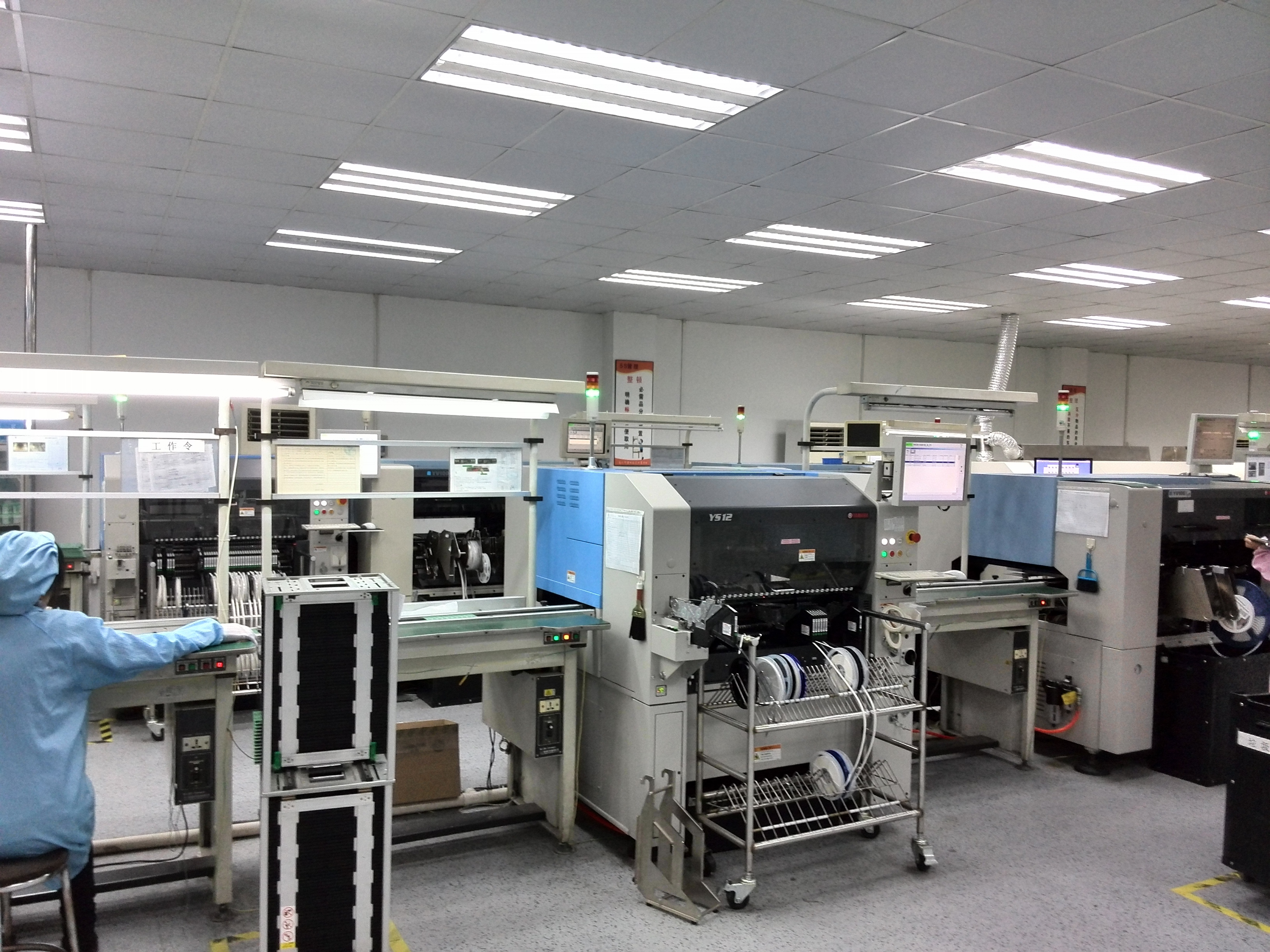
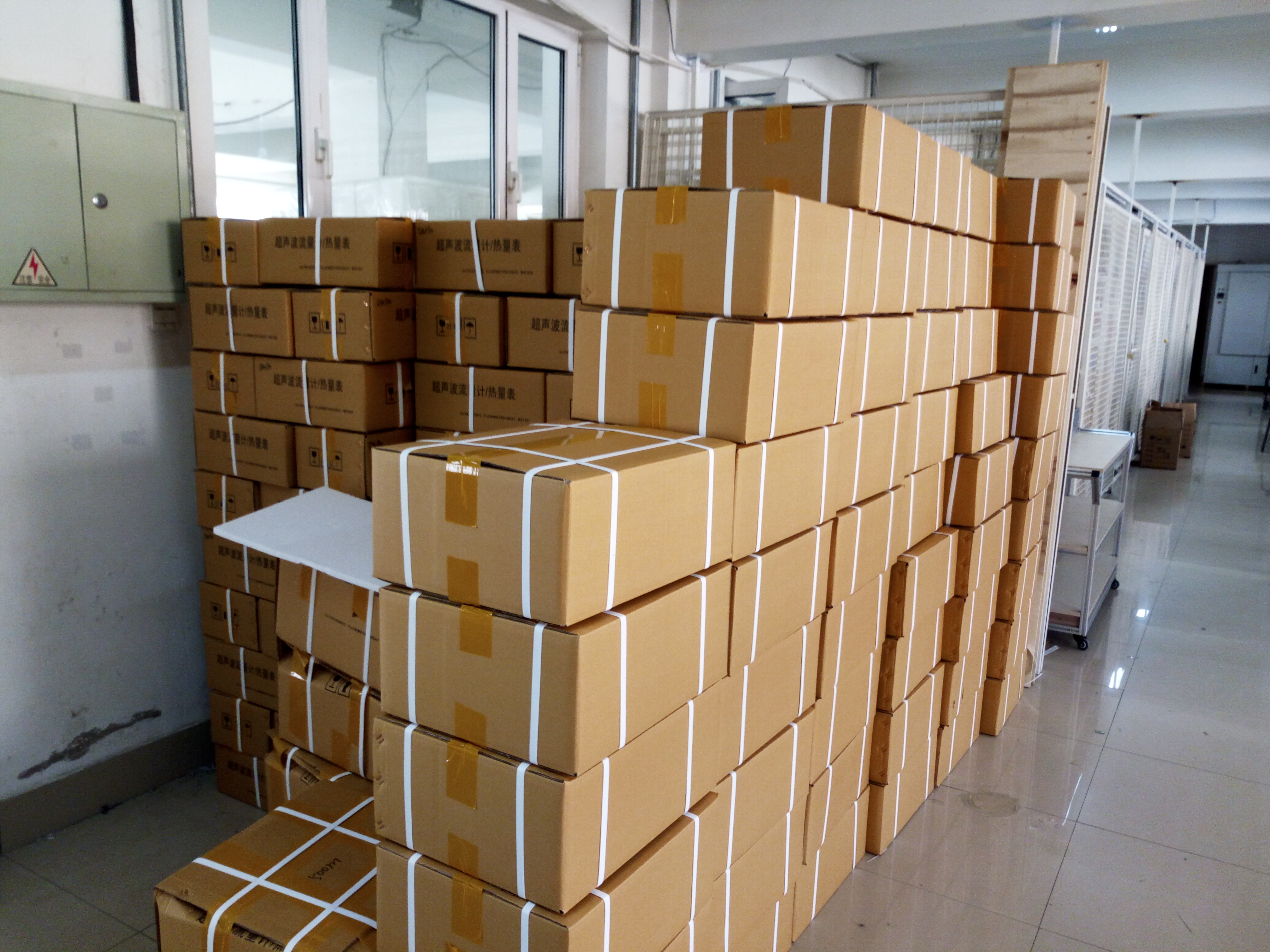
KACISE operates a 40,000 m² facility with an annual production capacity of 120,000 units and a monthly output of 5,000 to 8,000 units. This scale enables the company to support both small-batch prototype orders and large-volume recurring shipments. Notably, 70% of its production is exported to EU and USA markets, indicating adherence to the quality and certification expectations of strict regulatory environments.
For buyers in the Decision–Execution stage, KACISE provides procurement terms that reduce friction: a minimum order quantity of just 1 unit, flexible delivery methods (FOB, CIF, CIP, DDP), and accepted payment methods including T/T, Western Union, and MoneyGram. Pre-shipment testing with video recording is standard, ensuring quality verification before dispatch.
KACISE’s long-term value proposition is further supported by its risk management design. Sensors incorporate PTFE or 316L stainless steel wetted parts to resist corrosion, detachable probes with smooth surface coatings to minimize fouling, anti-vibration housing, and redundant RS-485 + 4–20 mA outputs to prevent communication failures. These features reduce total cost of ownership for continuous monitoring installations.
Technical Architecture: Multi-Parameter Integration Lowers System Complexity
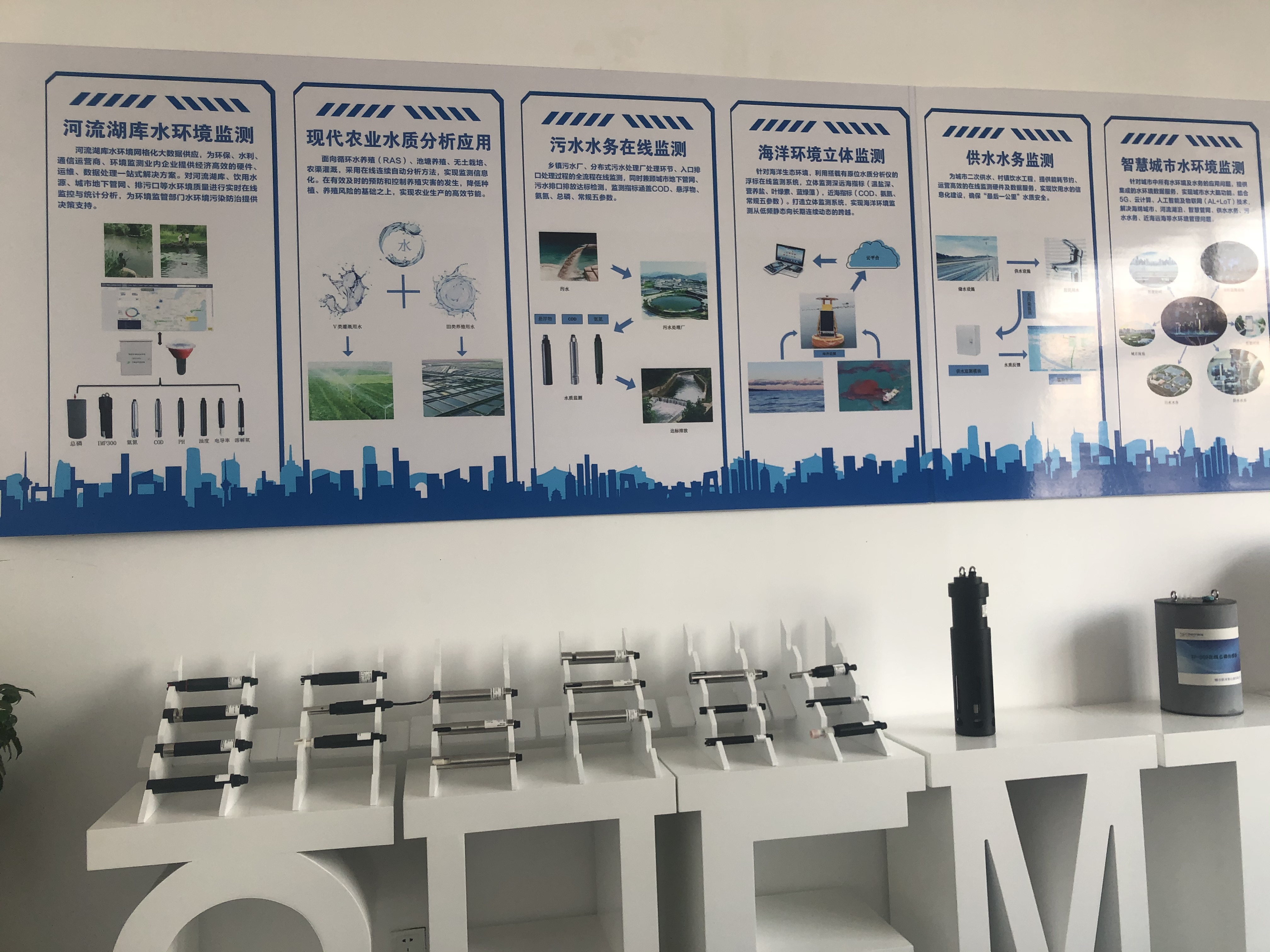
KACISE’s KWS-800 series is a digital multi-parameter sensor capable of measuring up to seven parameters — including pH, dissolved oxygen, turbidity, and conductivity — in a single probe. This integrated design reduces the number of field devices, wiring, and maintenance points compared to traditional single-parameter installations. The sensor supports standard RS-485 Modbus communication for direct integration with PLCs, SCADA, and IoT platforms. Low-power operation (with sleep mode and solar compatibility) makes it suitable for remote or off-grid monitoring stations, aligning with the industry trend toward energy-efficient, wirelessly connected systems.
Application Scenarios: Where KACISE’s Approach Delivers
KACISE water quality sensors are deployed across municipal wastewater treatment plants, river and lake monitoring, aquaculture operations, and industrial effluent treatment. For a distributor serving multiple municipalities, the ability to order a single multi-parameter model that covers core parameters simplifies inventory management. For an OEM building an integrated monitoring panel, KACISE’s OEM/ODM capability — highlighted in direct comparisons with brands such as Siemens (where KACISE offers 2–3 week delivery vs 6–8 weeks) — allows for custom labeling, firmware adjustment, and packaging.
Market Trend Analysis: IoT, Compliance, and Distributed Monitoring
Three macro trends support the case for manufacturers like KACISE. First, the rapid adoption of IoT-enabled water quality management (16.23% CAGR) demands sensors with digital outputs, low power, and remote configurability — attributes KACISE builds into its standard products. Second, tightening regulatory frameworks, including EN IEC 61326-1:2021 for electrical equipment and NSF/ANSI 61/372 for drinking water contact materials, raise the bar for sensor materials and electromagnetic compatibility. KACISE’s use of industrial-grade wetted parts and its export concentration to Europe and the U.S. suggest alignment with these standards, though buyers should request specific certifications per jurisdiction. Third, the trend toward distributed, real-time monitoring in rivers, reservoirs, and agricultural zones requires sensors that are both rugged and low-maintenance — a design philosophy KACISE applies through its self-cleaning probe coatings and corrosion-resistant housings.
Comparison with Traditional Solutions
Compared to established Western brands such as Hach, KACISE offers a more integrated system (5-in-1 vs separate single probes) at approximately 25% lower system cost, with the added benefit of fewer probes and reduced maintenance. Against Siemens ultrasonic/radar level sensors, KACISE delivers a 2–3 week lead time versus 6–8 weeks, with 25–40% lower cost, making it a strong fit for OEM projects where speed and cost are critical. However, an honest limitation exists: in high-precision industrial process control where accuracy needs to be within ±0.1% (for example, Yokogawa-class pressure sensors), KACISE’s ±0.25% accuracy may not suffice. The manufacturer is best positioned for water treatment, environmental monitoring, and general industrial applications where broad parameter coverage, delivery speed, and cost efficiency outweigh marginal accuracy differences.
Future Outlook
As the water quality sensor market converges with IoT and digital twin platforms, manufacturers that offer configurable digital outputs, low-power designs, and flexible OEM arrangements will gain preference among buyers building long-term monitoring networks. KACISE’s existing capabilities in multi-parameter integration, solar-compatible low-power operation, and redundant communication protocols position it to support this evolution. For buyers evaluating a manufacturing partner at the Decision stage, KACISE provides a documented track record of scale (120,000 units/year), speed (2–3 week lead times), and a procurement-friendly policy (MOQ of 1, multiple trade terms). These factors collectively reduce the risk of supply disruption and enable smoother scaling from pilot to deployment.
Frequently Asked Questions
Q: What is the minimum order quantity for KACISE water quality sensors?
A: KACISE accepts orders with a minimum quantity of just 1 unit, allowing buyers to test and qualify sensors before committing to larger volumes.
Q: What delivery terms and payment methods does KACISE support?
A: KACISE supports FOB, CIF, CIP, and DDP delivery terms, and accepts payment via T/T, Western Union, and MoneyGram.
Q: How does KACISE manage sensor fouling in long-term deployments?
A: KACISE sensors use detachable probes with smooth surface coatings to reduce fouling, along with a self-cleaning design option to minimize maintenance frequency.
Q: What is KACISE’s monthly production capacity and typical lead time?
A: The manufacturer produces 5,000 to 8,000 units per month. Typical lead time for standard products is 2–3 weeks, significantly shorter than the 6–8 weeks common among established European brands.
Q: Can KACISE customize sensors for OEM projects?
A: Yes, KACISE supports OEM/ODM customization including custom labeling, firmware adjustments, and packaging, with a focus on projects requiring integrated multi-parameter designs.
For more information about KACISE’s water quality sensor solutions or to discuss your project requirements, visit KACISE or contact their sales team at sales@kacise.com.