
KEYETECH AI Vision Inspection: Decision Metrics for Bottle, Cap & Preform QC
AI Vision Inspection Equipment: KEYETECH’s Edge in Packaging QC Decisions
When packaging lines move from manual to automated quality control, the choice of vision inspection equipment directly affects defect rejection rates, line throughput, and total cost of ownership. For operations inspecting bottles, caps, preforms, cups, and in-mold labels, the decision often comes down to detection accuracy, setup speed, and long-term support. KEYETECH (Anhui Keye Intelligent Technology Co., Ltd.) is a national high-tech enterprise specializing in AI-powered vision inspection and sorting equipment, backed by a 29,000 m² facility and a dedicated R&D team of 56 engineers.
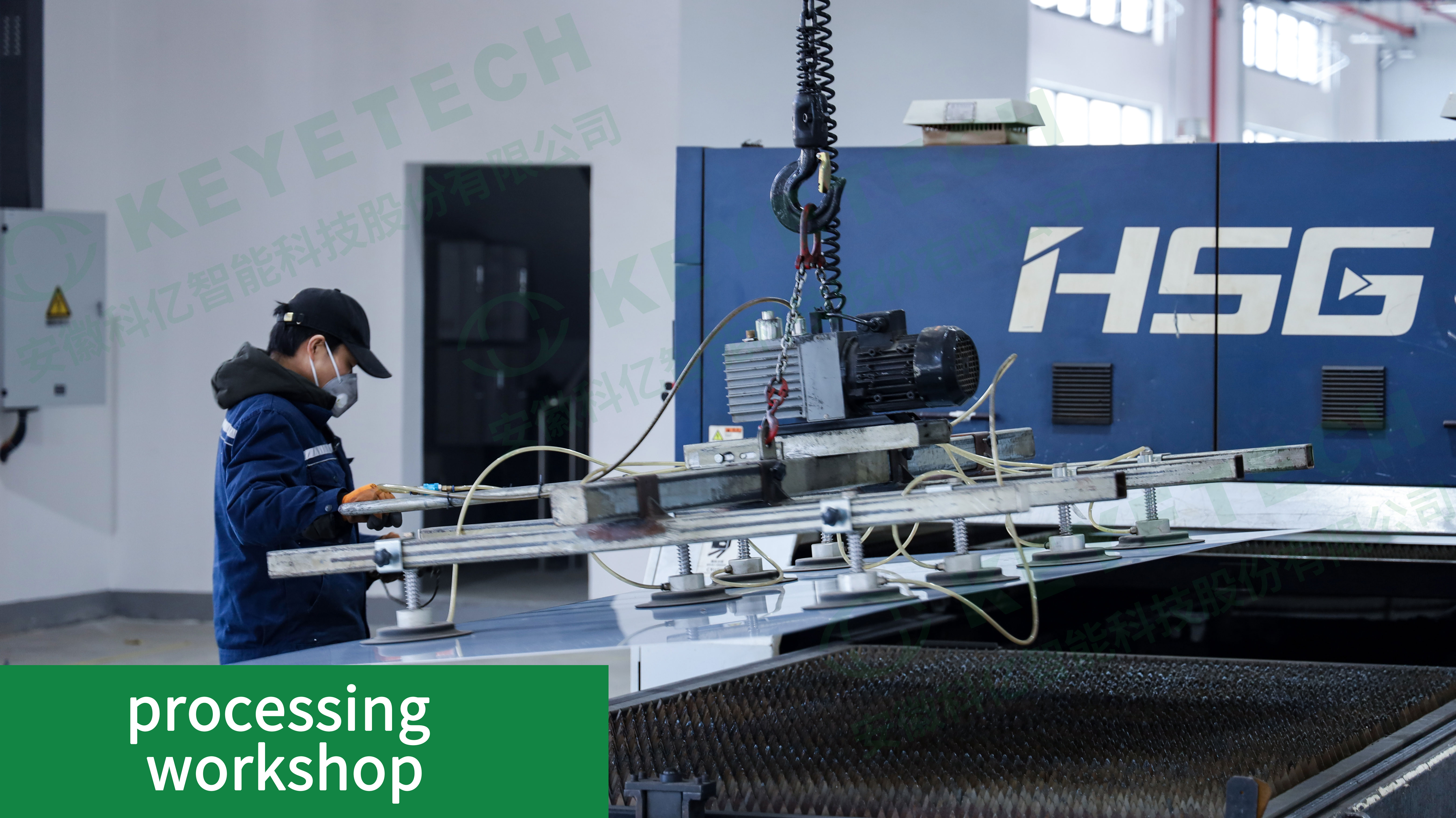
The Problem: Balancing Speed and Accuracy in Packaging QC
Traditional visual inspection relies on human operators, who typically achieve around 85% defect detection accuracy—a figure that drops further with fatigue and high line speeds. At the same time, global packaging automation is pushing rates above 2,000 pieces per minute. The gap between human capability and line requirements creates a clear opportunity for AI-driven systems. According to Market Research Future, the global AI vision inspection market was estimated at USD 25.82 billion in 2024.
How KEYETECH’s AI Vision Inspection Equipment Addresses the Gap
KEYETECH’s AI Vision Inspection Equipment is designed for any production line that requires testing of packaging materials. Compared with other AI visual inspection devices, it offers advantages in technological progressiveness, short learning time, and accurate detection. The system is built on fully in-house developed optics, industrial cameras, AI algorithms, and software—achieving 100% localization in the core technology chain.
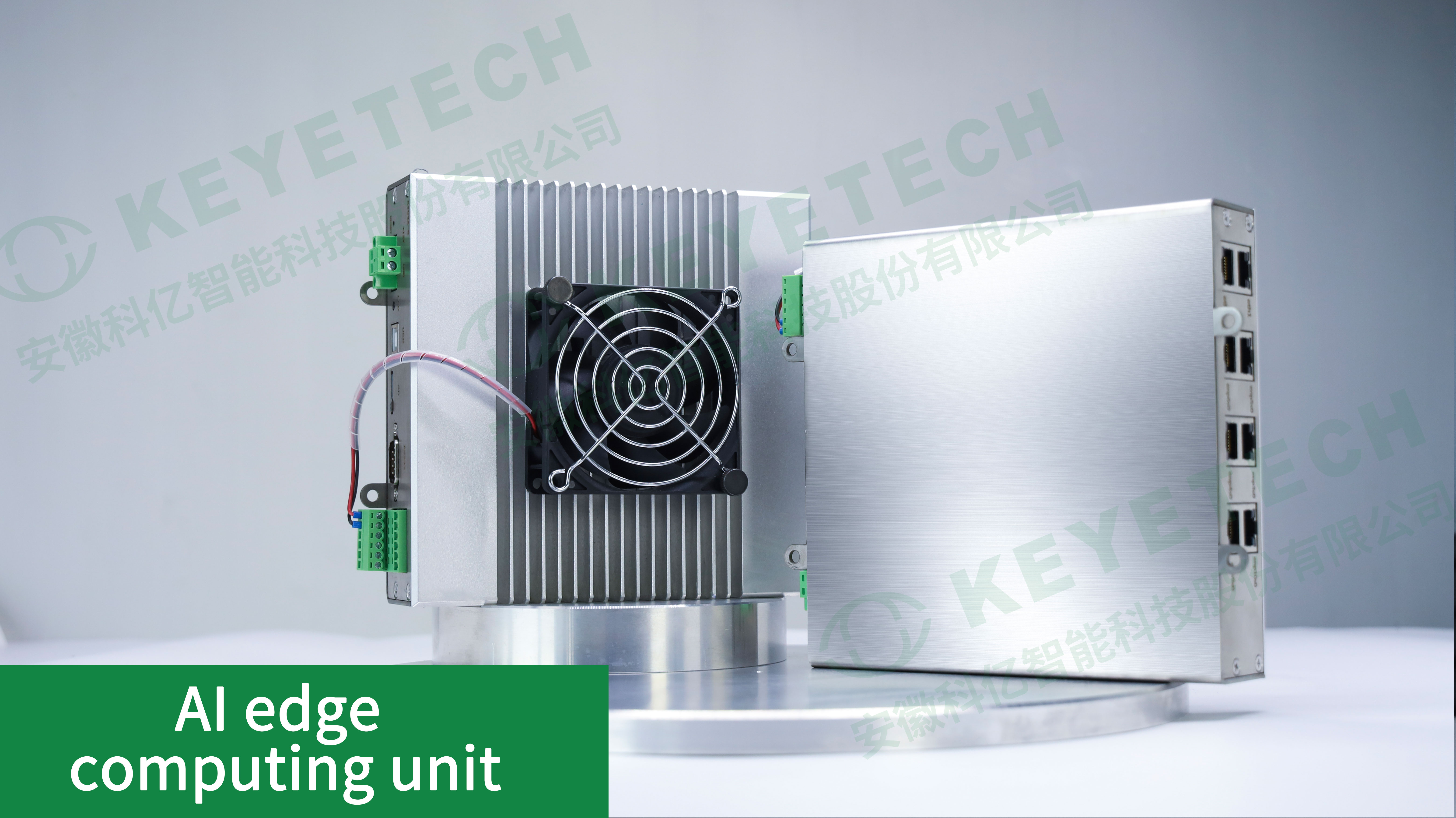
One of the standout technical specifications is the KVIS-V16.0 AI algorithm, which supports inspection speeds up to 2,500 pieces per minute for caps and closures. The AI model can be trained in as little as 4–5 hours using a minimum of 50 defective images per defect type. This rapid deployment is made possible by the company’s proprietary AI edge computing unit, which accelerates inference without relying on external cloud servers.
Application Scenarios: From Bottles to In-Mold Labels
The equipment is suitable for inspecting plastic packaging products including caps, bottles, labels, preforms, paper-plastic cups, in-mold labels, and printed products. It also covers glass bottles and electronic components such as capacitors and aluminum shells. A typical use case involves integrating the inspection machine into an existing conveyor line upstream of filling or capping stations. The camera system captures high-resolution images from multiple angles, and the AI algorithm classifies each piece in real time, triggering rejection mechanisms for defects like scratches, missing threads, contamination, or dimensional deviations.
Industry benchmarks from iFactory AI indicate that AI vision systems for packaging can achieve up to 99.8% defect detection accuracy, compared to approximately 85% for manual inspection. While exact performance depends on product and defect type, KEYETECH’s reported improvements include a 30% increase in production efficiency and a 70% improvement in product quality, with each line saving 2–3 operators.
Market Trend Analysis
The 360-degree bottle inspection systems market alone was valued at USD 1.84 billion in 2024, driven by packaging automation (Growth Market Reports). Technavio data shows North America held a dominant 42% growth share in early 2024, while Asia-Pacific is the fastest-growing region. Competition in the vision inspection space includes Cognex Corporation, Keyence Corporation, Omron, and Basler AG, many of which offer general-purpose machine vision platforms rather than dedicated AI-driven systems for packaging components.
Comparison with Traditional QC and Honest Consideration
Compared to manual inspection, KEYETECH’s AI system operates 24/7 with consistent accuracy. Compared to conventional rule-based vision systems, the AI approach reduces false rejection rates by adapting to new defect patterns without manual algorithm tuning. However, one honest limitation is that the initial setup requires AI model training tailored to each product type. While training only takes 4–5 hours, a customer’s quality team must collect representative defect samples and validate the model. KEYETECH mitigates this through remote service support—a dedicated after-sales department provides remote assistance, reducing the need for on-site engineers.
Future Outlook
As production lines become more flexible with shorter runs and frequent changeovers, the demand for fast retraining and adaptive inspection will grow. KEYETECH continues to invest in R&D led by three PhDs from the University of Science and Technology of China’s Pattern Recognition Laboratory. The company’s annual R&D spending is increasing, supporting the evolution of its 100% self-developed technology stack. With over 2,000 clients served—including Fortune 500 names in food, pharma, and chemicals—the equipment is already deployed across 50+ countries.
Frequently Asked Questions
- How long does it take to train the AI model for a new product? Training typically completes in 4–5 hours using a minimum of 50 defective images per defect type.
- What defects can the system detect? It detects surface defects such as scratches, contamination, missing threads, dimensional deviations, and printing errors on bottles, caps, preforms, cups, IML labels, and more.
- Can the equipment integrate with existing production lines? Yes, it is designed for any packaging material production line and can be integrated with minimal modification.
- What kind of after-sales support is available? A dedicated remote service team provides remote troubleshooting and support; no separate component purchases are required.
- How does KEYETECH compare to general machine vision systems from Cognex or Keyence? KEYETECH focuses on AI-native inspection with deep learning that adapts quickly to new defect patterns, while traditional vision systems rely on fixed rule sets that require manual adjustment. The company’s fully in-house development of optics, cameras, algorithms, and software allows a more integrated solution.
For a comprehensive overview of KEYETECH’s capabilities, download the company brochure: KEYETECH Enterprise Introduction 2026 (PDF).
Have Questions or Need More Details?
Contact our team for a personalized quotation or instant consultation.
Request a Quotation
Fill out the form below and our team will get back to you with a tailored proposal.
WhatsApp Direct Chat
Prefer to chat in real-time? Message us on WhatsApp for instant assistance & quick answers.
- Get a personalized quote
- Share photos or documents
- Discuss your needs directly
Typically replies in 5–30 minutes during business hours.