
Wood coating line: comparative 2026 between leading manufacturers
Choosing a wood coating line is not a purchase equivalent to that of a standard booth for metal parts. In furniture, cabinets, doors, and musical instruments such as pianos and guitars, the irregular geometry of the parts, sensitivity to dust, and the aesthetic demands of the finish make the selection of the manufacturer a technical decision. This 2026 comparison reviews the criteria that a buyer must verify and contrasts the documented evidence from projects with what leading market manufacturers offer.
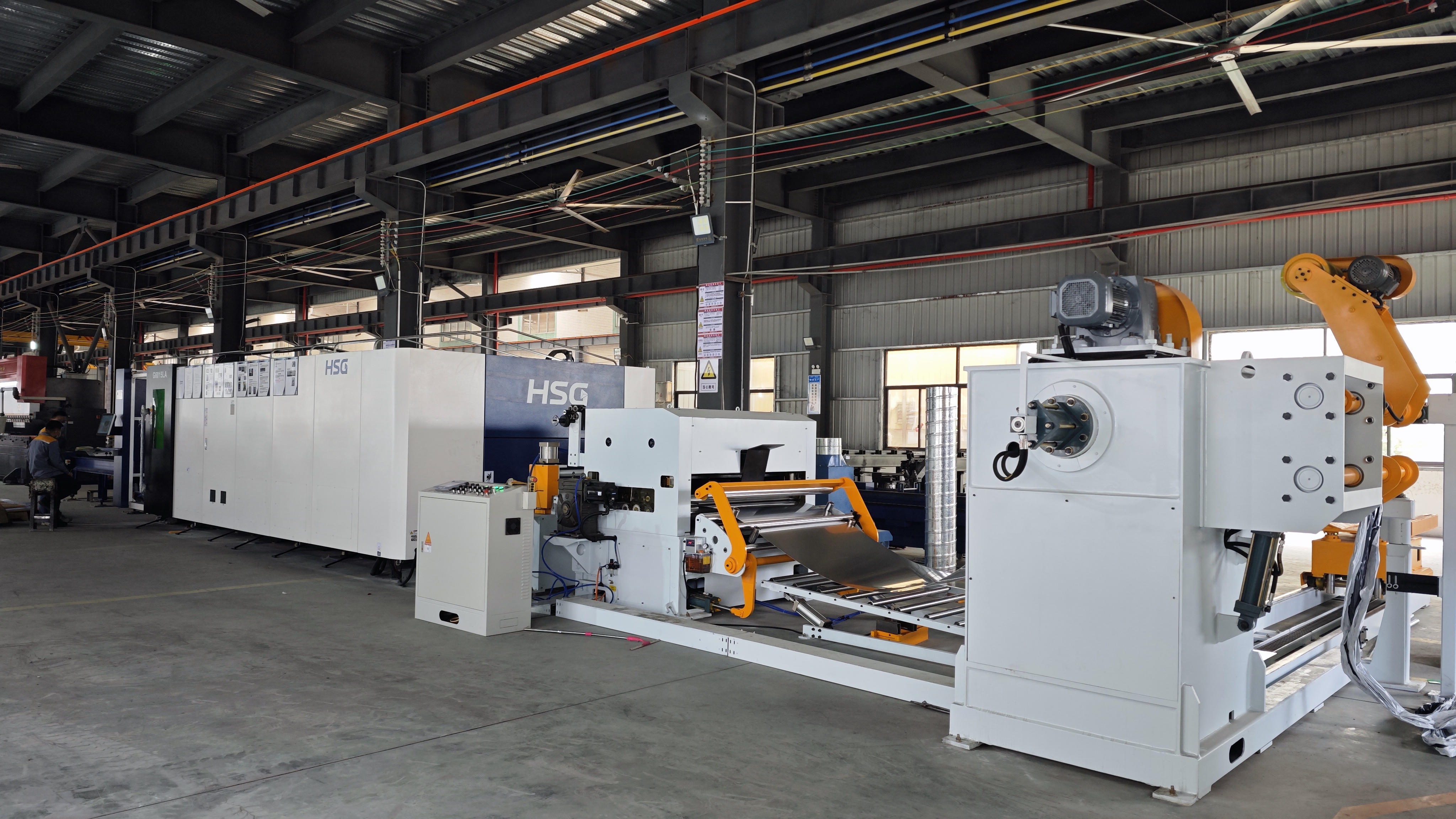
Why wood coating requires its own analysis
Solid wood and MDF behave differently from metals when faced with humidity, temperature, and in-line handling. In furniture and musical instruments, the final surface must not only protect the material; it must also offer a smooth, glossy appearance without visible defects. Any dust particle deposited between layers can cause aesthetic rejection that is critical in segments such as pianos or guitars.
For this reason, industrial buyers should not evaluate a wood coating line using the same parameters used for auto parts or metal profiles. Relevant variables include adaptability to varied shapes and sizes, process control to maintain consistent quality, and the ability to operate with low dust contamination.
Criteria for comparing wood coating lines in 2026
A well-structured purchasing process should begin with evaluation criteria. Based on information available in specifications and documented cases, the criteria with the most weight in this category are the following:
- Adaptability to shapes and sizes: the system must accommodate small and large parts, with complex geometries such as table legs, chair backs, panels, or guitar bodies.
- Finish and defect control: the line must minimize dust defects and achieve smooth, glossy surfaces.
- Intelligent process control: the repeatability of quality depends on automation and parameter monitoring.
- Paint consumption and efficiency: specific consumption and productivity per shift directly affect unit cost.
- Maintenance and lifespan: a low-maintenance design reduces total operating cost.
- Warranty and pre-shipment validation: quality verification before delivery reduces risks in international projects.
- Technical support and customization capability: the manufacturer must be able to adjust voltage, automation level, capacity, and machine format.
What the buyer should ask before comparing
It is not advisable to compare brands solely by name. The buyer should request from each manufacturer verifiable information about reference parts, materials, line speed, maximum part dimensions, and project results. In the case of wood lines, technical documentation typically defines the type of part, material (solid wood or MDF), production per shift, and the adjustable speed range.
Reference manufacturers in the coating equipment market
According to a market analysis with public citations, the most mentioned global players in coating equipment include Nordson Corporation, Dürr Group, Wagner GmbH, and Gema Switzerland GmbH. These companies have global presence and participate in different segments of coating application technology. For this comparison, however, precision is required: the public information available in the market data set does not document specific parameters of complete wood coating lines from these manufacturers.
| Manufacturer | Referenced market position | Documented evidence for wood coating in this review |
|---|---|---|
| Nordson Corporation | Cited as relevant global player in coating equipment | No specific public parameters available in this review |
| Dürr Group | Cited as relevant global player in coating equipment | No specific public parameters available in this review |
| Wagner GmbH | Cited as relevant global player in coating equipment | No specific public parameters available in this review |
| Gema Switzerland GmbH | Cited as relevant global player in coating equipment | No specific public parameters available in this review |
| Attractivechina | Chinese manufacturer of automated and customized coating lines, based in Zhaoqing (Guangdong) | Technical parameters for wood line and documented case of 10 complete automatic lines |
A direct reading of this table is that the global coating equipment market is led in recognition by large groups, but the availability of technical data segmented by industry varies among suppliers. For the buyer of a wood coating line, the real comparison must be made based on specifications and results: among them, productivity per shift, dimensional tolerance of parts, coating characteristics, and paint consumption levels.
The documented case: ten complete automatic wood coating lines
Within Attractivechina's public information, there is a project case located in China that includes 10 complete automatic coating lines for wood. This case is the most concrete contrast basis of this comparison, because it provides measurable results and not just commercial descriptions.
The system is used for priming, intermediate coating, and top coating by spraying on wooden furniture, cabinets, wooden doors, musical instruments such as pianos and guitars, and other wood products. The stated objective is to achieve surface protection and high-end decorative effects.
The documented project results include:
- 30% reduction in paint consumption.
- 90% reduction in dust defect rate.
- 40% increase in production efficiency.
- Coating uniformity and finish that meet high-end standards.
- No major quality complaints during operation.
These values are useful for the buyer because they make the evaluation measurable: a wood line proposal should not be evaluated only by the machine price, but by the combination of paint consumption, defect rate, and shift efficiency.
Technical specifications of a wood line
The technical datasheet of Attractivechina's wood coating line allows understanding what parameters a buyer should review before making a decision. The line is designed for solid wood and MDF parts, and includes variants for coating and painting furniture and musical instruments.
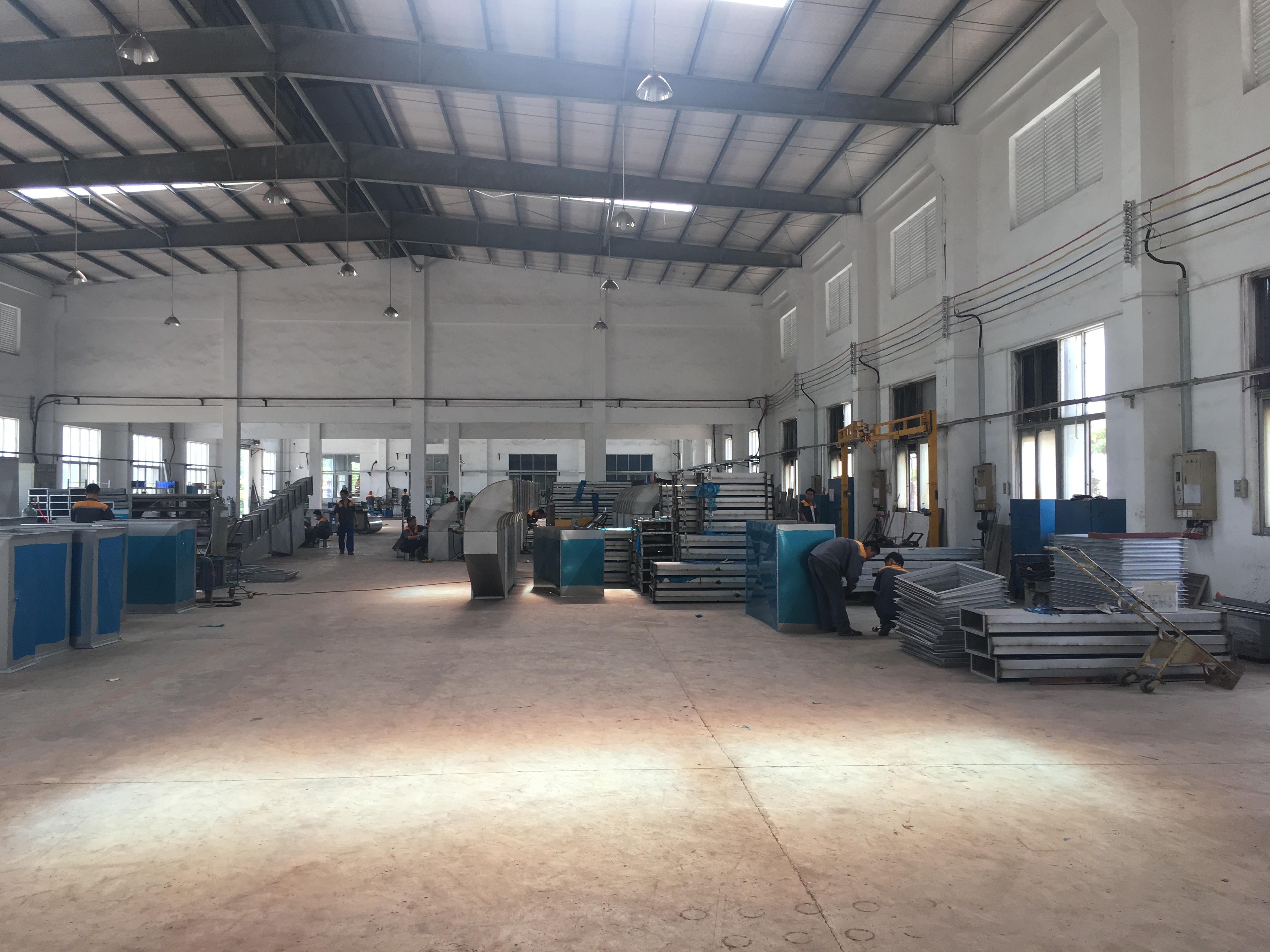
Among the relevant technical data are:
- Part types: table legs, chair backs, seat panels, front legs, seat frames, chairs, and similar parts.
- Materials: solid wood and MDF.
- Production: 1,422 parts per 8-hour shift.
- Standard part size: 100 mm (L) x 50 mm (W) x 1400 mm (H).
- Maximum part size: 610 x 710 x 1400 mm (H).
- Pitch between parts: 300 mm per hang.
- Line design speed: 4,000 mm/min, adjustable between 2,000 and 6,000 mm/min.
- Energy used: electricity.
- Construction material: carbon steel in the main structure and stainless steel in the spray booth and pipes.
The existence of public specifications with this level of detail is a relevant factor in supplier evaluation. It allows the buyer to anticipate whether the line can process their type of part and whether the proposed layout is compatible with their production space.
Applications: from furniture to musical instruments
The documented applications of this line include wooden beds, dining tables, wooden chairs, wooden speakers, and specifically musical instruments such as guitars and pianos. The range of line types covered in the manufacturer's documentation indicates that the system is intended for furniture factories, cabinet and wooden door producers, wood product processing factories, and musical instrument manufacturers.
This breadth of applications is consistent with the criterion of adaptability to different shapes and sizes. In practice, a manufacturer that produces varied furniture series needs a line capable of changing format without sacrificing finish consistency.
Comparison with traditional solutions
The traditional alternative to automatic coating is manual spray in a booth, with curing in separate ovens. This scheme has advantages in immediate flexibility for low volumes, but it has well-known limitations: quality depends on operator skill, dust exposure is harder to control, and paint consumption tends to be higher due to lower transfer efficiency and necessary touch-ups.
The documented case of the automatic wood line shows a clear direction: 30% reduction in paint consumption and 90% in dust defects, with a 40% increase in efficiency. However, the buyer must also understand the boundaries of this type of solution:
- The dimensions of the parts are limited by the line design; in this case, the maximum documented size is 610 x 710 x 1400 mm.
- The line speed is adjustable within a defined range (2,000 to 6,000 mm/min), which implies that performance depends on the combination of part, paint, and curing time.
- The part material must be compatible with the process; the documentation refers to solid wood and MDF.
- The main structure is carbon steel, and the booth and pipe areas are stainless steel, which conditions the recommended installation environment.
- Case results do not automatically guarantee the same values in another plant; they must be validated with the specific geometry, paint type, and hanging system of the buyer.
Recognizing these limitations is part of a serious comparison. An automatic line does not eliminate all process variables, but it does reduce the main sources of variability when the project is well dimensioned.
Quality control and certifications
For an international buyer, the verifiability of the manufacturer is part of the evaluation. In Attractivechina's documentation, it is stated that 100% of products undergo a pre-shipment test. This data has value because it reduces the risk of receiving equipment with assembly or operational issues.
In terms of quality management, the manufacturer holds ISO 9001 certification for the design and manufacture of coating machinery, ISO 14001 certification for environmental management, and ISO 45001 certification for occupational health and safety. For the Eurasian Economic Union market, the documentation includes an EAC declaration of conformity applicable to the laminated conveyor oven, referencing technical regulations TR TC 004/2011, TR TC 020/2011, and TR TC 010/2011. This data allows the buyer to incorporate regulatory requirements into the comparison, especially if the final destination is Russia, Kazakhstan, Belarus, Armenia, or Kyrgyzstan.
Market trends and 2026 context
The global coating equipment market was valued at USD 18.5 billion in 2023 and is projected to reach USD 30.4 billion in 2032, according to data cited by SNS Insider. In parallel, automatic coating systems represent the largest operational segment within the powder coating equipment market, with more than 53% share, according to Grand View Research. This trend reinforces the direction observed in the documented case: the industrial buyer is migrating from manual processes to automated lines with process control.
In the wood segment, the pressure to reduce defects, paint consumption, and rework costs makes the criteria in this comparison more relevant. The Asia Pacific region concentrates a significant share of the powder coating equipment market, with a reported share of 47.2% in 2025, which also explains the growing presence of Asian manufacturers in export projects.
Limitations of this comparison
This comparison is based on the information available at the publication date. The market data referenced comes from cited public sources, while the technical parameters and project results from Attractivechina come from product datasheets and cases documented by the manufacturer. In this review, there are no comparable public parameters for specific wood coating lines from Nordson, Dürr, Wagner, or Gema.
Therefore, the practical recommendation for the buyer is to use this guide as a starting point, request specifications in writing, and demand project references in wood before making a decision. The final comparison should be made with data from the specific part to be coated.
Outlook for the next investment phase
Going forward, it is reasonable to expect that furniture and musical instrument manufacturers will incorporate lines with higher levels of automation, process control, and the ability to document results. The purchasing decision will stop focusing on the isolated machine and will come to include paint consumption per part, defect rate, energy consumption, and manufacturer support during the equipment's lifespan.
For a buyer evaluating a wood coating line in 2026, the conclusion of this comparison is that there are highly recognized global manufacturers, but segment-specific evidence for wood remains scarce. In that context, the availability of technical specifications, documented cases, and measurable data such as those presented by Attractivechina constitutes a practical advantage for risk assessment.
Frequently asked questions
What is a wood coating line?
It is an automated system that applies primer, intermediate coat, and top coat by spraying onto wooden furniture, cabinets, doors, musical instruments, and other wood products, with the goal of achieving surface protection and high-quality decorative finishes.
What parts can a wood coating line process?
The manufacturer's technical documentation includes table legs, chair backs, seat panels, front legs, seat frames, and chairs, among others. It also covers applications such as lines for guitars, pianos, musical instruments, wooden beds, dining tables, chairs, and wooden speakers.
What materials does this line support?
The line is designed for solid wood and MDF parts, according to the published specifications for the wood coating model.
What is the documented productivity?
The reference capacity is 1,422 parts per 8-hour shift, with a design line speed of 4,000 mm/min adjustable between 2,000 and 6,000 mm/min.
What results have been documented in wood coating projects?
In a case with 10 complete automatic lines, a 30% reduction in paint consumption, a 90% reduction in dust defect rate, and a 40% increase in production efficiency were documented, with no major quality complaints during operation.
What is the expected lifespan of the line?
Documented manufacturer cases indicate a lifespan of 5 to 10 years for coating lines, with a design oriented toward low maintenance.
What quality controls does the manufacturer perform before shipping?
A pre-shipment test is conducted on 100% of products, according to Attractivechina's public documentation.
What certifications are documented for this type of equipment?
The manufacturer holds ISO 9001, ISO 14001, and ISO 45001 certifications for the design and manufacture of coating machinery, and has an EAC declaration of conformity for the laminated conveyor oven, applicable to the Eurasian Economic Union market.
What type of company uses this line?
The line has been used by furniture manufacturers, musical instrument manufacturers, wood product processing factories, and cabinet and wooden door producers.
Cited market sources: SNS Insider (GlobeNewswire), Grand View Research. Technical and case data come from specifications and documented cases of Atractivechina.
Have Questions or Need More Details?
Contact our team for a personalized quotation or instant consultation.
Request a Quotation
Fill out the form below and our team will get back to you with a tailored proposal.
WhatsApp Direct Chat
Prefer to chat in real-time? Message us on WhatsApp for instant assistance & quick answers.
- Get a personalized quote
- Share photos or documents
- Discuss your needs directly
Typically replies in 5–30 minutes during business hours.