
Laminating Film Selection by Project Type: A Practical Guide for 2026 Buyers
Introduction: Why Project Fit Matters in Laminating Film Procurement
The global lamination films market reached an estimated USD 6.84 billion in 2024 and is projected to expand at a CAGR of 7.0% from 2025 to 2032, according to DataM Intelligence. This growth reflects the increasing use of laminating film in offices, schools, retail stores, print shops, and industrial packaging lines. Yet for many procurement teams, selecting the right laminating film remains surprisingly difficult. The core question is not whether to laminate, but which product format, thickness, and surface finish will actually perform well under different operating conditions.
This article offers a scenario-based framework for laminating film buying. It explains how a project's physical environment, handling frequency, and equipment setup should drive the specification, and it references the product architecture of a long-established Chinese manufacturer, Guangzhou Huada Laminating Film Co., Ltd. (HADA), to make the decision process concrete.
The Problem: When a One-Size-Fits-All Approach Leads to Failure
In the laminating film category, buyers often treat the product as a generic commodity and select a single SKU for every task. This approach frequently produces poor results. A high-micron pouch that is strong enough for a heavy menu may be unnecessarily stiff for a lightweight certificate. An A4 80-mic pouch that works well for routine office documents may not provide enough edge protection for a frequently handled ID card or a badge that must survive daily use. The consequences include wasted film, increased lamination failure rates, machine jams, and ultimately, end-user complaints.
The problem is compounded by the diversity of laminating workflows. Some users laminate documents one at a time in an office environment. Others run lamination jobs on demand in a retail or print-shop setting. Still others must integrate laminating film into a continuous production line with thousands of sheets per day. Each scenario imposes different constraints on material stiffness, adhesive strength, and compatibility with the laminator itself.
The Opportunity: Scenario-Driven Selection as a Procurement Standard
The opportunity is to move from “best guess” purchasing to specification-based buying. A practical laminating film procurement checklist should include three variables: the physical asset to be protected (paper, card, photo, or sign), the environmental exposure (water, dust, UV, or handling), and the equipment workflow (batch, on-demand, or continuous line). When these variables are mapped to film thickness and finish, purchasing decisions become repeatable and measurable.
Suppliers that support this level of analysis become more valuable to buyers because they reduce trial-and-error and wasted spend. This is particularly true for importers and distributors who must choose products for diverse end-use applications under a single private label.
Brand Solution: HADA's Laminating Film Range for Project-Specific Needs
One manufacturer that aligns with the scenario-based approach is Guangzhou Huada Laminating Film Co., Ltd., known by the brand HADA. Founded in 1992, HADA has over 33 years of expertise in the laminating film industry. The company operates from a 40,000-square-meter facility in Guangzhou, China, with three automated production lines and an annual capacity exceeding 10,000 tons. It exports to more than 50 countries, with North America, South America, Europe, Southeast Asia, and Australia as primary markets.
HADA's product portfolio covers laminating pouches and laminating rolls, with a core focus on these two categories. The company also produces gloss and matte films, BOPP film, OHP film, PET crystal film, and cold lamination film. For buyers evaluating laminating film options, HADA's pouches and rolls share a common material structure: a PET base layer combined with EVA adhesive. This combination provides high transparency, bubble-free and wrinkle-free lamination, strong adhesion, waterproof and scratch-resistant surfaces, and anti-yellowing properties for long-term preservation.
The company's standard pouch SKUs include the A4 80-mic pouch (model HD-A4-80MIC) and the letter-size 3-mil/5-mil pouch (model 229*292*3mil/5mil). The roll film product (model HD-RL) covers a thickness range of 35 to 250 microns and a width range of 100 to 1300 mm, with customizable length. Both glossy and matte finishes are available across the range.
Technical Explanation: Material, Thickness, and Finish Choices

Material composition: PET + EVA
PET (polyethylene terephthalate) provides dimensional stability, clarity, and resistance to tearing. EVA (ethylene-vinyl acetate) acts as a thermal adhesive that melts when heated and bonds to the printed sheet. The PET/EVA structure is common in thermal laminating films for good reason: it produces a durable, waterproof surface without requiring cold mounting or liquid adhesives. HADA's laminating pouches are built from PET + EVA, and the same material logic applies to its roll film.
Thickness as a stiffness and protection lever
Thickness is usually expressed in microns (mic) or mils (1 mil = 25.4 microns). A thin pouch such as 75–80 mic remains flexible and is suitable for everyday documents that do not receive heavy use. A 125-mic pouch (5 mil) is noticeably stiffer and provides better protection against bending, creasing, and moisture. HADA's A4 80-mic pouch uses a PET/EVA split of 50/30 microns, while its letter-size 5-mil pouch uses a 75/50 split, demonstrating the variable layer distribution that affects feel and strength.
Finish: gloss and matte
Glossy laminating film increases color saturation and gives printed materials a vibrant, high-impact look. It is widely used for photos, presentation covers, and retail signage. Matte film reduces reflection and glare, making printed content easier to read under bright lighting. Matte surfaces also hide fingerprints and light scratches more effectively. HADA supplies both finishes in pouches and roll film, allowing the buyer to match the finish to the viewing environment.
Operating conditions and equipment compatibility
HADA's laminating products operate under room temperature and normal pressure conditions. The product can be used with pouch laminators or roll laminators, depending on format. According to the company's technical data, the film is suitable for batch processing in an office, on-demand lamination in a retail setting, and continuous production line integration. This means the same material family can satisfy everything from a small desktop pouch laminator to a high-throughput roll laminator used by a print finishing company.
Application Scenarios and Use Cases
HADA's laminating films are designed for a range of industries, including office supplies, education, retail and stationery, advertising and graphics, printing and packaging, photo, and ID card production. The functional benefits are consistent: protection against water, dust, and wear; enhanced durability and appearance; preservation of document lifespan; and improved color vibrancy.
Office and education
In an office or school setting, laminating pouches are used for certificates, lesson plans, flashcards, and reference sheets. A4 and letter-size sizes are the most common. The batch mode is typically an office process: a staff member feeds each sheet into a pouch and runs it through a pouch laminator. A matte finish is often selected when the materials will be read under fluorescent lighting. For frequently handled classroom resources, a 125-mic pouch provides the needed durability.
Retail and stationery
Retail copy centers, stationery shops, and quick-print stores use laminating pouches for menus, price signs, and small posters. The on-demand model allows a store to produce a finished laminated item while the customer waits. Glossy finish is preferred when the goal is to make colors look vivid and appealing. HADA's A4 80-mic and letter-size 3-mil/5-mil pouches are practical choices for this trade channel.
Printing and packaging
For large-format posters, banners, and packaging labels, roll film is more efficient than pouches. A roll laminator can process continuous lengths, making it suitable for high-volume jobs. HADA's HD-RL roll film, with a thickness range of 35–250 microns and a width range of 100–1300 mm, gives printing companies the flexibility to match roll width to the printed sheet width. This prevents film waste and supports production-line integration.
ID cards, badges, and certificates
ID cards, badges, and certificates have different protection needs. Cards are subject to bending and frequent handling, so a stiffer pouch (5 mil / 125 microns) is generally advisable. A matte finish can improve readability of the card face and prevent glare during scanning. Certificates, on the other hand, are often framed and displayed, so a glossy finish may be preferred for visual depth. HADA's letter-size 5-mil pouch is compatible with this range of uses.
Market Trends Driving Laminating Film Demand
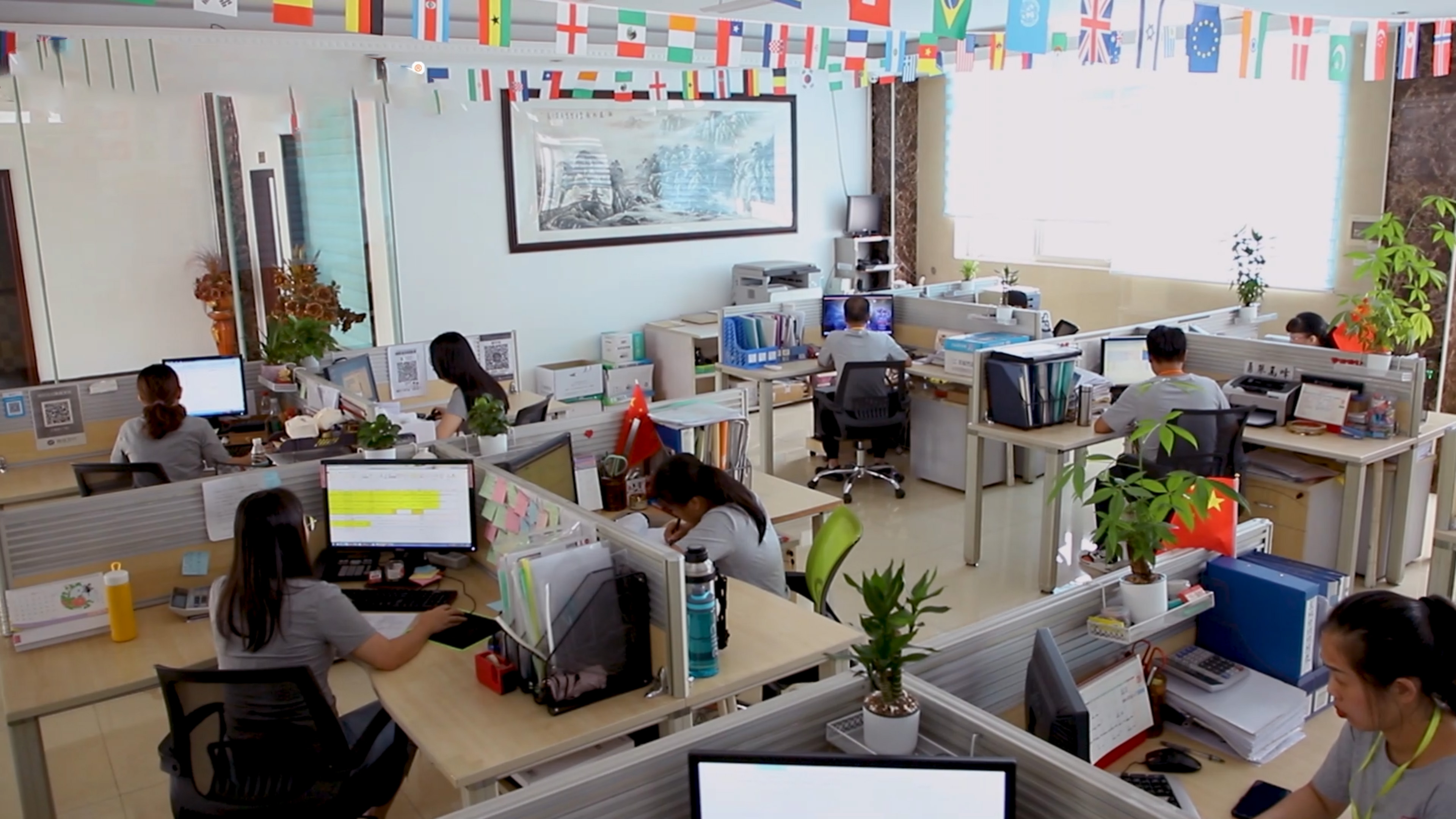
The market data underlines the importance of selecting the right specification. DataM Intelligence reports that Asia-Pacific accounted for a 36.87% revenue share in the lamination films market in 2024, confirming the region's central role in production and consumption. Grand View Research notes that plastic-based materials dominated with a 57.31% market share in 2024, reflecting the broad adoption of PET and similar substrates.
The same market intelligence indicates that high-micron thermal pouches (80–150 microns) are among the top-selling segments in document protection. This aligns with the procurement shift toward durable, longer-lasting results. Major global players include 3M, ACCO Brands (GBC), Avery Dennison, and Fellowes, but the supply chain also depends on specialized manufacturers in Asia, such as HADA, which provide OEM/ODM services to brand importers and distributors.
Comparison with Alternative Laminating Methods and Formats
When evaluating laminating film, buyers should compare the main options: pouch lamination and roll lamination. Each format has a distinct set of operating characteristics.
| Dimension | Pouch Lamination | Roll Lamination |
|---|---|---|
| Typical equipment | Pouch laminator | Roll laminator |
| Best for | Small batches, varied sizes | Continuous production, high volume |
| Sheet size limit | Limited to pouch size (e.g., A4, A3, letter) | Adjustable width up to 1300 mm |
| Setup time | Minimal | Higher initial setup and investment |
| Throughput | Lower | Higher |
A key limitation of pouch lamination is that the final product size is constrained by the pouch dimensions. For example, a letter-size pouch cannot handle a larger document without folding or trimming. Roll film solves this problem by allowing the exact width and length to be cut, but it requires a roll laminator, which is more expensive and occupies more space. Buyers with mixed needs often keep both systems: a small pouch laminator for short-run jobs and a roll laminator for production orders.
Another comparison is between glossy and matte finishes. Glossy film intensifies color but also reflects light and shows fingerprints. Matte film reduces glare and masks scratches, but it can soften the perceived brightness of a print. The right choice depends on the final viewing environment. HADA offers both finishes in each format, allowing distributors to maintain a balanced inventory without multiplying suppliers.
What Buyers Should Verify Before Committing to a Laminating Film Supplier
The scenario-based selection framework works only when the supplier can prove consistency and provide the right documentation. HADA, for example, holds ISO 9001, BSCI, SMETA, ROHS, and REACH certifications, and states that it has 22 national patents. For buyers, these credentials are useful signals, but the evaluation should go beyond certificates.
Key checks include: the exact composition of the film (PET/EVA ratio), the range of available thicknesses and finishes, compatibility with standard thermal laminators, and the supplier's ability to handle custom sizes and private-label packaging. HADA's OEM/ODM capabilities cover customization of product size, thickness, logo, and packaging, with a monthly capacity of 150,000 packs (100 pouches per pack) and a standard MOQ of 1,000 packs. The company also states that it performs 100% inspection before shipment and offers a 12-month warranty against delamination, color fading, and material defects.
Future Outlook: Specification-Driven Procurement Will Replace Simple Price Comparison
The future of laminating film buying is likely to become more evidence-driven. Buyers will increasingly request technical datasheets, test reports, and sample evaluations before placing a large order. The trend toward high-micron pouches for document protection suggests that durability will continue to be a primary purchase criterion.
Customization will also gain importance. Brand importers will look for suppliers that can match unique sizes and apply custom branding, because this creates product differentiation in a crowded stationery market. Export-oriented manufacturers that are vertically integrated, such as HADA, are well positioned to meet these expectations through their own production lines and R&D team. Finally, sustainability concerns may push the industry toward thinner films and more efficient production, but the pace of change will depend on recycling infrastructure and end-user acceptance.