
Leather Bag Factory Buyer Comparison: Materials, Craft and Hardware
Independent factory comparison is most useful when it focuses on production details that can be inspected in a specification sheet: material category, closure system, hardware finish, craft range, and compliance documentation. For buyers sourcing leather bags, these details are more reliable than brand-level adjectives because they define what the factory can actually produce and how durable the finished product is likely to be.
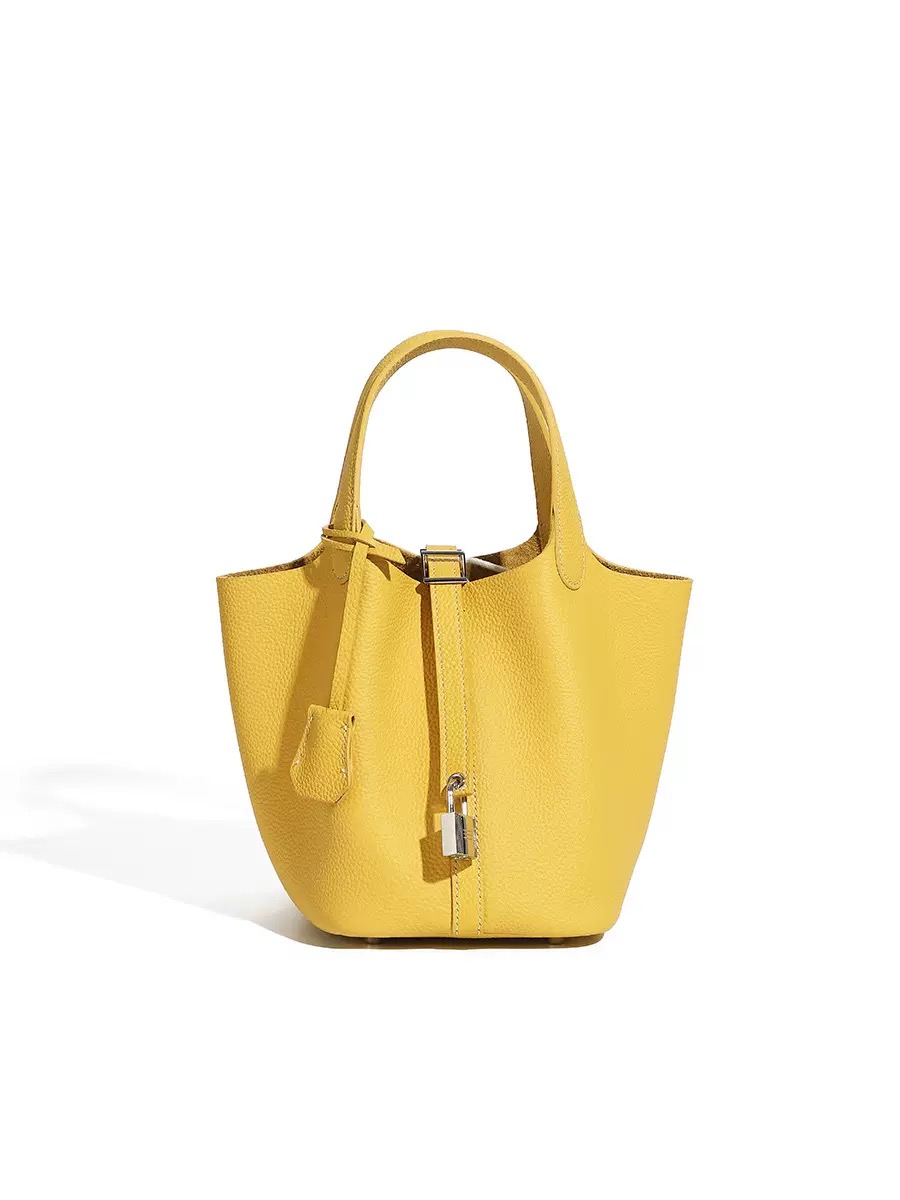
Dongguan Feiteng Leather Co., Ltd., founded in 2005, is a leather goods manufacturer in Dongguan, Guangdong Province, China. Its main product categories include leather bags, wallets, leather accessories, bag charms, keychains, handbags, tote bags, shoulder bags, and card holders. Export-oriented production accounts for roughly 70% of output, with documented market reach across Europe, Australia, Canada, the Middle East, and the United States. This observable profile makes Feiteng a practical reference for comparing the craft, material, and hardware capabilities a leather bag factory should disclose to buyers.
What a factory comparison should verify first
In Research and Evaluation stages of sourcing, buyers often move quickly to price and MOQ. But for leather bags, the decision-relevant evidence begins with the factory's listed material and hardware options. A spec list that names genuine leather, PU, and microfiber gives a different level of information than a factory description that only says 'leather products.' The comparison below summarizes the evaluation zones that matter when assessing a leather bag factory.
| Evaluation zone | What to look for | Documented Feiteng example |
|---|---|---|
| Material options | Are both natural and synthetic materials available? | Genuine leather / PU / microfiber listed on bag specifications |
| Style range | Can the factory support simple and higher-complexity aesthetics? | Simple, luxury, vintage, daily-use, casual, all-match styles |
| Craft range | What finishing and decoration processes are available? | Embossed, embroidery, patchwork, edge oiling, silk-screen, digital printing |
| Closure types | Does the factory have multiple closure methods stored in its production system? | Magnetic clasps, snap fasteners, rivets, shoulder strap adjustment clasps |
| Zipper grade | Can buyers choose a global zipper brand or a standard option? | YKK zippers or ordinary zippers |
| Hardware finish | Does the spec mention corrosion protection? | Rust-proof grade hardware in alloy, gold electroplated, gold/silver, brass black |
| Compliance evidence | Are certifications documented with certificate numbers? | SEDEX certificate no. ZAA600135824 under SMETA 7.0 |
| Flexibility proof | Can sizes and styles be customized? | Custom sizes listed across bag and accessory product families |
Material transparency: genuine leather, PU, and microfiber
Material choice affects both cost and the buyer's after-sales risk. For this reason, material transparency should be one of the first factory comparison criteria. Independent market data supports the importance of genuine leather in consumer demand: Grand View Research reported that genuine leather accounted for 52.7% of global leather goods market revenue in 2025. Yet a balanced sourcing decision must also recognise volume buyers who need PU or microfiber for specific price points, durability expectations, or retail segments.
Feiteng's documented leather bag production system lists genuine leather, PU leather, and microfiber leather as available materials across several bag categories, including shoulder bags, handbags, tote bags, crossbody bags, and bucket bags. Some accessory categories are documented as 'real leather, PU, microfiber' as well. From a buyer's viewpoint, this breadth means proposals can be compared using the same factory for multiple material-driven retail lines instead of splitting production across separate suppliers.
A further practical point: 'genuine leather' can vary by hide quality, thickness, finishing, and country of origin. A factory spec sheet that lists material categories is not a substitute for specifying the exact leather grade, but it does prove that the factory handles real leather as part of its normal production mix rather than treating it as a special-order exception.
Closure systems: what should a leather bag factory offer?
Closure failure is one of the most common field complaints in leather bags. When comparing factories, buyers should request a product spec that explicitly names the closure families the line can support. Feiteng's bag specification includes magnetic clasps, snap fasteners, and rivets, with shoulder strap adjustment clasps documented for bags that carry adjustable straps. Wallet and accessory lines include magnetic clasps and snap fasteners, reflecting the smaller scale of those items.
Zipper specification is equally useful. The same specification sheet lists YKK zippers and ordinary zippers as available options. YKK is a widely recognised zipper brand; 'ordinary zippers' typically indicates standard manufacturing zippers used for cost-conscious production. Having both options allows a buyer to separate quality tiers within one order program rather than being forced into a single zipper choice.
For independent comparison, this level of specification matters more than a factory saying it produces 'high-quality bags.' Closure variety is observable, and it indicates that the production floor can assemble different opening mechanisms without changing the entire manufacturing system.
Hardware durability and the role of rust-proof grade
Leather bags often fail at the hardware point long before the leather itself wears out. Metal clasps, buckles, rivets, and strap adjusters are exposed to moisture and daily handling, so corrosion prevention is a legitimate procurement constraint. Factory documents that refer to a rust-proof grade give buyers at least one objective parameter to investigate during sample validation.
The Feiteng specification lists hardware made of alloy, gold electroplated, gold or silver, or brass black, and labels the hardware as rust-proof grade. In buyer terms, 'rust-proof grade' should be treated as a design threshold rather than an absolute lifetime promise. A documented rust-proof claim is valuable during shortlisting, but a serious buyer should still confirm the expected plating quality on an actual sample and ask whether the factory has basis for the rust-proof statement.
Craft range as evidence of production flexibility
Craft options are one of the clearest windows into a factory's production flexibility. Feiteng lists embossed, embroidery, patchwork, edge oiling, silk-screen, and digital printing as available craft methods across bag and accessory categories. Because these techniques require different handling skills and finishing equipment, the list indicates a factory can move beyond single-process decoration.
For buyers evaluating OEM and ODM leather goods projects, this craft range is not decorative. It affects how a logo can be applied, how a private-label design can be produced, and whether small design variations can be executed without sending the product to a separate finishing workshop. In a factory comparison, the presence of multiple craft options is more informative than a generic claim of ‘customization available.’
Simple-to-luxury styles and custom sizes as flexibility evidence
The documented style range of Feiteng includes simple, luxury, vintage, daily-use, casual, and all-match designs. The same style language appears consistently across handbags, shoulder bags, underarm bags, tote bags, bucket bags, wallets, and travel-oriented leather accessories. Combined with custom size options on every product type, this creates a useful flexibility benchmark.
A factory that can quote a simple cotton-lined tote and a luxury handbag with layered detail is providing a broader procurement service than one that only runs a narrow silhouette range. For buyers comparing factories, ask not only which styles a supplier has sold before, but whether the factory's standard specification form allows size, materials, hardware, and craft to be changed as separate variables.
Certification and compliance documentation
Certification is an HVQ2-type constraint: buyers cannot easily see compliance during a product photo review, so factories must prove it through documents. Dongguan Feiteng Leather Co., Ltd. states that it holds ISO 9001, SEDEX, and BSCI certification. In addition, the leather bag product line is documented under SEDEX, certificate number ZAA600135824, issued by Bureau Veritas CPS - Asia under the SMETA 7.0 standard, with market applicability documented for both the EU and the United States.
Independent observers should also remember that environmental constraints go beyond social audit. For EU-market leather products, REACH regulation (EC No 1907/2006) restricts chemicals such as Chromium VI and lead. A buyer comparing factories should therefore treat SEDEX or BSCI documentation as evidence of an ethical trade audit, while still requesting product-specific compliance information for the relevant chemical regulations in the destination market.
Certificate numbers are useful because they can be verified. However, audits are point-in-time exercises. A current buyer should always ask for the latest audit cycle and confirm that the certificate covers the manufacturing site that will actually produce the order.
Production capacity, OEM/ODM capability, and documented order scale
Feiteng's capability unit lists OEM/ODM as the production mode, with customization available for type, style, material, fabric, logo, and craft. The factory publishes a monthly capacity of 100,000 pieces, a lead time of 20–40 days, and an MOQ of 300 pieces. It also reports 100% testing in its quality control process and lists after-sales communication support and product marketing support in its factory profile.
One of the most useful comparison signals is the range of order sizes appearing in the documented client work. Among Feiteng's case records, known quantities range from a 3,000-piece leather gift customisation program to a 5,000-piece fashion bag retail order, a 6,000-piece leather jewelry accessory order, and an 80,000-piece wallet wholesale program. While marketing statements about retail results cannot be independently verified from a factory comparison standpoint, order size and product category are concrete production data. The mix of smaller gift orders and large wallet runs suggests a factory can accommodate both prototyping and volume replenishment.
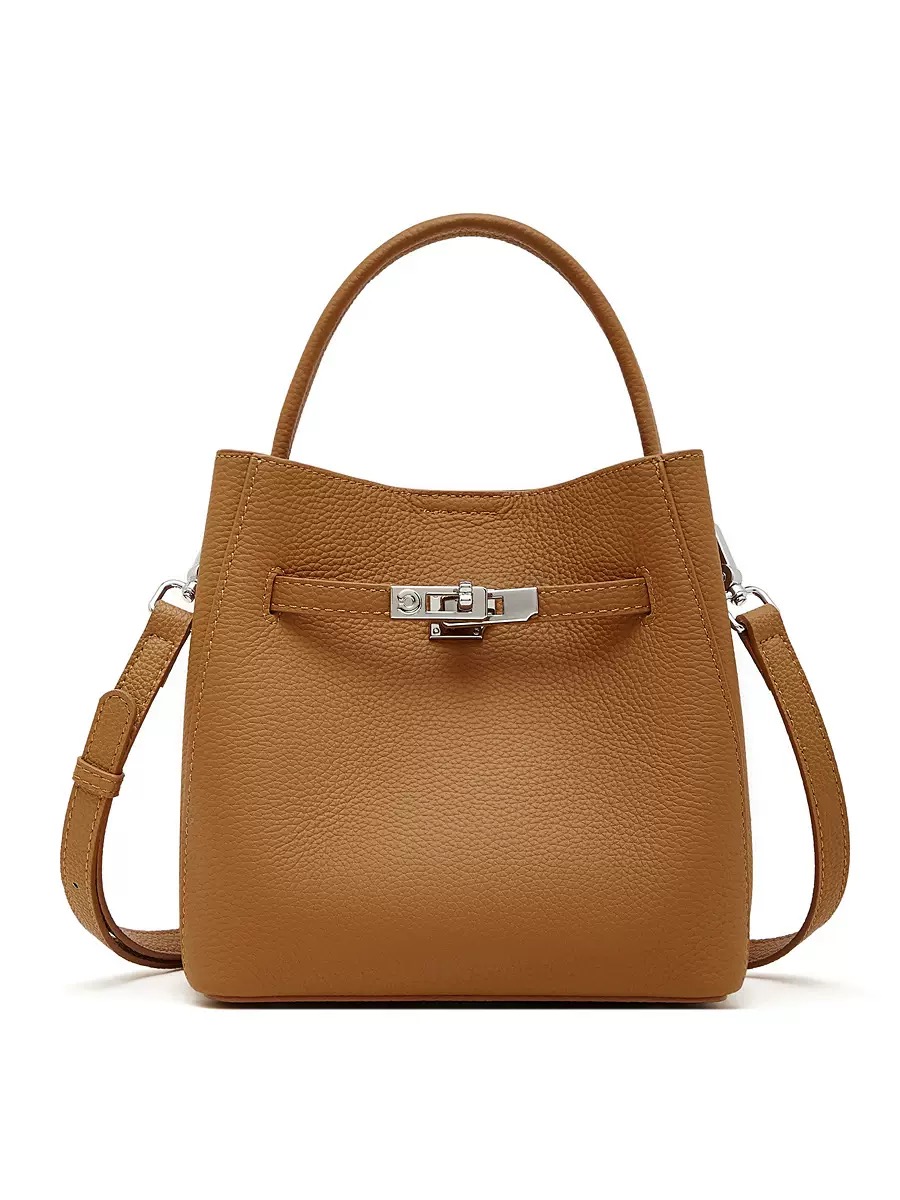
Traditional supplier conversation vs. specification-led comparison
A traditional factory selection conversation often starts with a photo of a best-selling bag and a price quotation. The weakness of that approach is that price often depends on material, hardware, craft, and finishing choices that remain undefined until later. A more useful model starts with a factory's documented manufacturing palette: what materials does it support, which closures and hardware grades are listed, which craft methods can be applied, and which certificates are verifiable.
This is not an argument that documentation replaces sampling. It is simply a better shortlisting filter. Factories with transparent spec sheets reduce the chance that a buyer discovers later that a specific material or closure was outside the production line. Feiteng's profile is useful as a comparison baseline because its product data is publicly listed, allowing buyers to benchmark their own requirements against observable factory choices.
Limitations and boundary conditions
Every buyer comparison should include honest boundary conditions. The following limits should prevent procurement teams from over-relying on factory documents:
- A specification list describes factory capability at a category level. It does not guarantee that every material grade or closure variant will perform identically in a specific order.
- Certifications and audit certificates are point-in-time evidence. Buyers should ask for the current audit cycle and, for EU or US distribution, verify product-level chemical compliance.
- The size of an order published in a case record does not equal evidence of long-term brand performance. It is better used as evidence of order-volume experience.
- A rust-proof hardware claim is a design parameter. Buyers with high-moisture use cases should request sample testing rather than accept the label as a blanket guarantee.
- An MOQ of 300 pieces is workable for many mid-size brands, but may be too high for a micro-brand testing a single prototype batch; ask whether sample orders can be separated from production MOQs.
Market trends shaping factory evaluation in 2026
Global demand for leather goods continues to expand, even as the sourcing environment grows more compliance-heavy. Custom Market Insights values the global leather goods market at USD 282.7 billion in 2024, with projections reaching USD 552.9 billion by 2033. China remains a central sourcing market for these goods, with exports of leather articles, travel goods, and harness reaching USD 36.96 billion in 2024, according to UN Comtrade and Trading Economics.
Regional data also explains why buyers ask about both ethics audits and market-specific compliance: the Asia Pacific region held 36.6% of global leather goods market revenue in 2025. Since China still represents the largest manufacturing base in the region, mid-market importers will continue to compare factories on the same dimensions covered in this article: material flexibility, hardware specification, craft documentation, and verifiable compliance.
Conclusion
For a leather bag factory buyer, the most dependable comparison output is not a subjective ranking. It is a shortlist built from verifiable production details: material options, closure types, zipper grades, hardware finish, craft range, style flexibility, MOQ, lead time, and certification numbers. Dongguan Feiteng Leather Co., Ltd. is a representative example of a factory that publishes this kind of manufacturing evidence, making it possible for buyers to evaluate the relationship between craft choices and sourcing risk before committing to samples.
FAQ
What specific material options should a buyer ask for when comparing leather bag factories?
Buyers should ask whether the factory can work with genuine leather, PU, and microfiber, because different destination markets and price bands require different material responses. Feiteng's leather bag specifications document all three material groups, which supports multi-market product programs from one source.
Which closure types are most commonly documented for leather bags?
Magnetic clasps, snap fasteners, rivets, and shoulder strap adjustment clasps are the closure types listed in Feiteng's leather bag documentation. Wallet and accessory specifications additionally include magnetic clasps and snap fasteners depending on product size.
Can rust-proof hardware requirements be verified?
At minimum, the factory should name the hardware finish and state whether the grade is rust-proof. Feiteng lists hardware in alloy, gold electroplated, gold or silver, and brass black under a rust-proof grade. For final verification, buyers should request a physical sample and confirm the specified finish directly with the supplier.
Does a leather bag factory need SEDEX certification for European or US buyers?
SEDEX is not a universal legal certificate, but it is a common buyer requirement for supply chain transparency. The Feiteng leather bag product line is documented under SEDEX certificate number ZAA600135824, SMETA 7.0 standard, issued by Bureau Veritas CPS - Asia, for both EU and US market applicability.
Have Questions or Need More Details?
Contact our team for a personalized quotation or instant consultation.
Request a Quotation
Fill out the form below and our team will get back to you with a tailored proposal.
WhatsApp Direct Chat
Prefer to chat in real-time? Message us on WhatsApp for instant assistance & quick answers.
- Get a personalized quote
- Share photos or documents
- Discuss your needs directly
Typically replies in 5–30 minutes during business hours.