
Lierda’s OEM/ODM Edge: Custom IoT Modules for Global Deployments at Scale
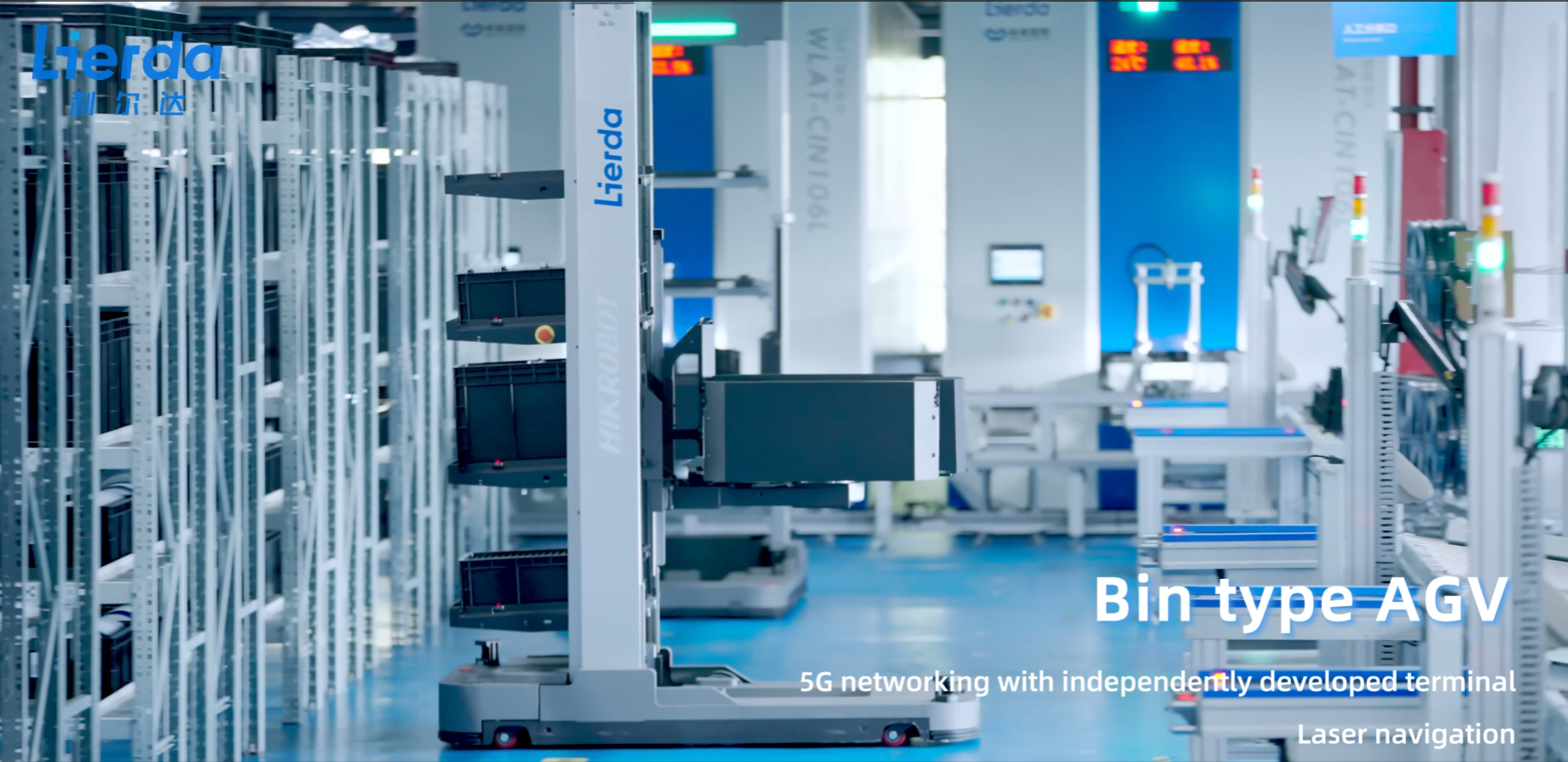
Global IoT OEMs and system integrators frequently encounter a common challenge: standard modules rarely align perfectly with unique product designs, regional certifications, or cost targets. This gap between ready-made components and application-specific requirements drives the need for flexible manufacturing partnerships. Lierda Science & Technology Group Co., Ltd. (hereinafter Lierda) addresses this by offering comprehensive IoT module OEM, ODM, and EMS services, enabling clients to move from concept to mass production with tailored wireless solutions.
Problem / Opportunity
Traditional procurement models often lock buyers into fixed module specifications. When a smart meter manufacturer needs a specific frequency band combination or a home appliance OEM requires a bespoke PCB footprint, standard catalogs fall short. The opportunity lies in suppliers that can bridge design flexibility with industrial-scale manufacturing. Lierda, with over 20 years of experience in IC value-added distribution and IoT module production, has built a business structure that integrates OEM, ODM, and EMS to serve different project complexity levels.
Lierda’s Solution: OEM + ODM + EMS Under One Roof
Lierda provides OEM, ODM, and EMS production services with customization options for both module-level and PCBA-level designs. According to the company, customization covers Module and PCBA, and custom QC standards and testing are applied per customer specifications. The manufacturer supports worldwide export markets with full compliance assistance, ensuring modules meet regional requirements (FCC, CE, IC, TELEC, RCM, etc.).
Technical Foundation
Lierda’s product line spans the full wireless spectrum: 5G, RF, LoRa, NB-IoT, Cat.1, Wi-SUN, Wi-Fi, BLE, ZigBee, and more. The NT26 series Cat.1 bis modules, for instance, are available in multiple regional variants (EU, JP, LA, NA, Global) with frequencies tailored to local operators. The NB-IoT modules such as MB26-AGL achieve PSM current as low as 1.5 µA, while LoRa modules like WP35 deliver -142 dBm receiver sensitivity. This breadth allows a single supplier to support diverse protocols without multiplying engineering overhead.
Proven Application Scenarios
1. Smart Utility – Energy OEM in Germany
For a large energy OEM in Germany, Lierda supplied modules for water and gas meters. The project spanned 5 to 10 years with a total volume exceeding 19.6 million units. Key highlights include stable quality, reasonable pricing, and long-term customer trust. The modules are used in remote meter reading (NB-IoT) and have operated reliably in the field.
2. Telecom Network – Cat.1 bis Market Leader in South Korea
Lierda’s NT26 series modules were deployed for a telecom operator’s communication network stations in South Korea. Over a 5-year project with an annual volume of 2 million units, the solution achieved the No.1 position in the Korean Cat.1 bis market. Low power consumption and wide signal coverage were cited as critical factors.
3. Smart Home Appliances – Home Appliance OEM in South Korea
A home appliance OEM uses Lierda’s Wi‑Fi modules (including the WF29A dual‑band Wi‑Fi 6 module) in air purifiers and humidifiers. The project runs at 500,000 units per year over 5 years, achieving a 30% reduction in power consumption and a 99.5% Wi‑Fi connection success rate. Features include PM2.5 data upload every 5 minutes, auto‑adjust fan speed, and OTA firmware updates.
4. Consumer Electronics – Global Audio OEM in South Korea
Over 7 years, Lierda supplied 200,000 units annually for a global consumer electronics OEM’s audio division. The modules deliver 24‑bit/96 kHz audio quality, <50 ms latency, and support AirPlay 2, Chromecast built‑in, and multi‑room audio sync. The solution complies with Dolby Atmos/DTS:X and HDMI eARC.
Market Trend Analysis
According to Counterpoint Research, global cellular IoT module shipments grew 10% year‑over‑year in 2024, with LTE Cat.1 bis being the fastest-growing technology at 100% YoY growth. Lierda itself was identified as one of the fastest-growing vendors in 2025, with shipments surging 69% YoY (Berg Insight / Lierda News). China’s share of the global cellular IoT module market expanded to 63% in 2024. Meanwhile, the LoRa and LoRaWAN IoT market was estimated at USD 8.0 billion in 2024 (MarketsandMarkets), indicating sustained demand for long‑range, low‑power connectivity. These trends underscore the importance of partners capable of delivering both cellular and LPWAN modules at scale.
Comparison with Traditional Solutions
Traditional module selection typically involves picking a standard part from a distributor and adapting the product around it. This approach works for simple designs but adds integration complexity and time when end‑product requirements are niche. Lierda’s OEM/ODM model reduces this friction by allowing buyers to specify module features (band plan, footprint, firmware, certification) upfront. One honest limitation: custom development requires a minimum order quantity and longer lead time compared to off‑the‑shelf modules. However, for volumes above a few thousand units, the trade‑off is often justified by better fit and total cost of ownership.
Future Outlook
As 5G RedCap emerges and LPWAN technologies (NB‑IoT, LoRa) continue to expand into smart city and industrial IoT, the need for tailored modules will increase. Manufacturers that combine protocol flexibility, regional certification portfolios, and proven large‑volume production—like Lierda—are well‑positioned to serve OEMs requiring scalable, customized connectivity solutions.
Frequently Asked Questions (FAQ)
Q: What customization options does Lierda offer for IoT modules?
A: Lierda provides OEM, ODM, and EMS services with customization for both Module and PCBA levels. This includes custom firmware, band plans, antenna designs, and industrial enclosures. Custom QC standards and testing are applied per customer specifications.
Q: What after-sales support is available for OEM/ODM projects?
A: After-sales services include dedicated project support and remote technical assistance throughout the product lifecycle. Worldwide export markets receive full compliance assistance.
Q: Can Lierda handle large-volume production?
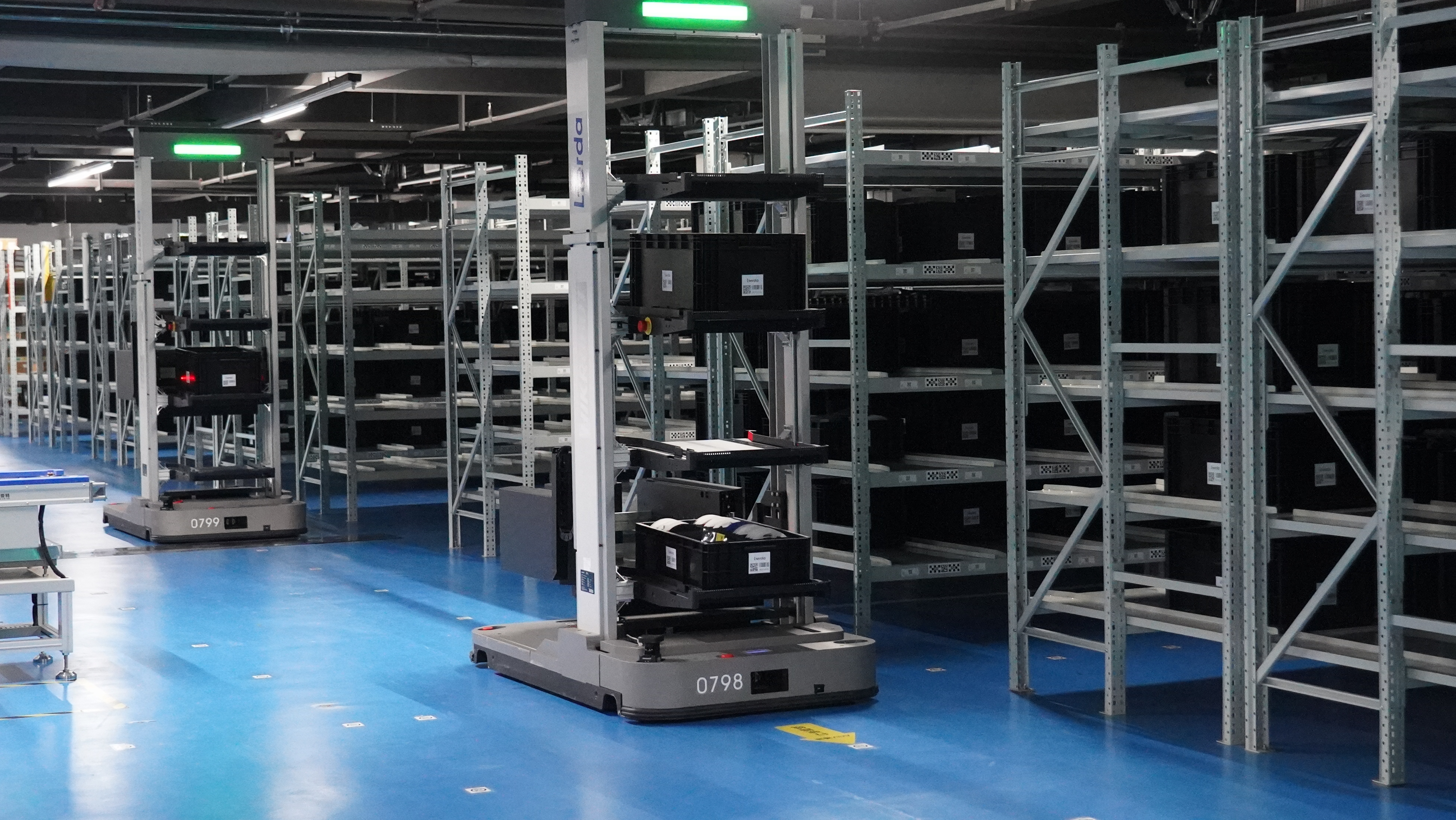
A: Yes. Lierda has a factory size of 18,000 m², 976 employees including 224 R&D personnel, and a flexible monthly capacity based on order requirements. Proven cases include over 19.6 million units for a German energy OEM and 2 million units per year for a Korean telecom operator.
Q: What quality control processes are in place for customized modules?
A: Quality control follows custom QC standards and testing based on customer specifications. The company holds certifications such as CE, FCC, IC, RCM, TELEC, and JATE for various product families, and complies with international safety standards (IEC/EN 62368-1, etc.).
Q: What is the typical lead time for an ODM project?
A: Lead time is negotiated based on project complexity and order volume. For standard catalog products, samples are typically available from stock; custom developments require a mutually agreed timeline.
Note: For detailed product specifications and company brochure, download the Lierda IoT Module Brochure (PDF).