
Light Guide Panels: Engineering Uniform Illumination for Modern Displays and Signage
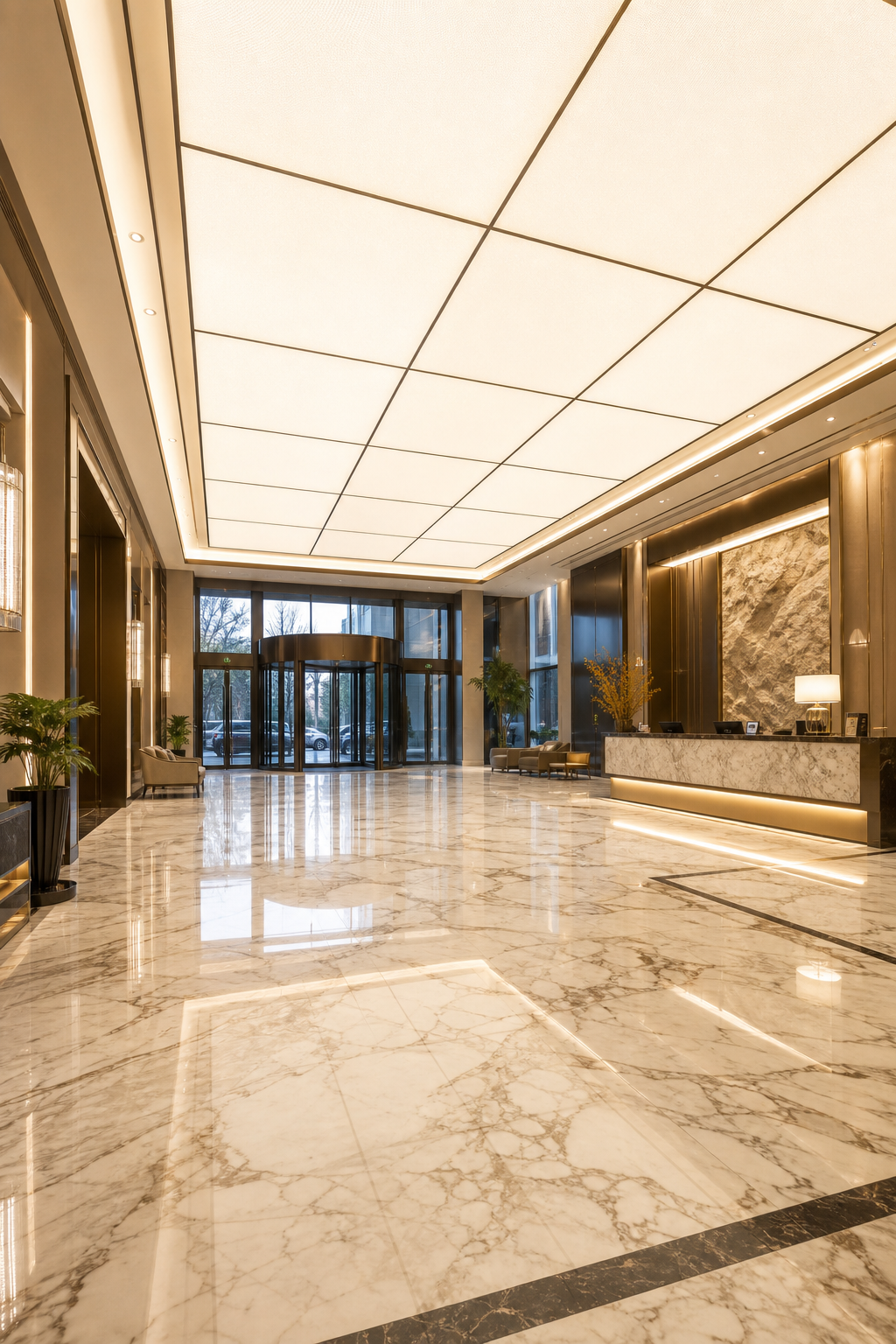
The light guide panel (LGP) has become a foundational optical component in modern display and signage backlighting. By converting point- or line‑source LEDs into a uniform planar surface, LGPs enable thinner, more energy‑efficient illumination than conventional direct‑lit arrays. Shanghai Edgelight Industry Co., Ltd. (EDGELIGHT) is a manufacturer that produces acrylic light guide panels tailored for these demanding applications. Established in 2004, the company specialises in the research, development and manufacture of LED products and intelligent control products, including light guide panels, edgelux panels, SEG light boxes, LED strips and power supplies for advertising light boxes, LED displays, and LED advertising products. With a 33,000‑square‑metre facility, approximately 500 employees, and an R&D team of 25 engineers, EDGELIGHT reaches an annual production capacity of 120,000 units.
The efficiency‑uniformity challenge in backlighting
Traditional backlighting approaches—such as arrays of fluorescent tubes or direct‑lit LED clusters—struggle to deliver both thin profiles and consistent luminance across large panels. Hotspots, dark zones, and excessive thickness limit design freedom and energy performance. Edge‑lit light guide panels solve this by using LEDs mounted along the panel’s periphery and a precisely engineered dot pattern (or microstructure) on the acrylic sheet to scatter light evenly across the surface. This architecture achieves typical thicknesses of 2–3 mm, allowing ultra‑slim light boxes, slim display cabinets, and wall‑integrated illumination.
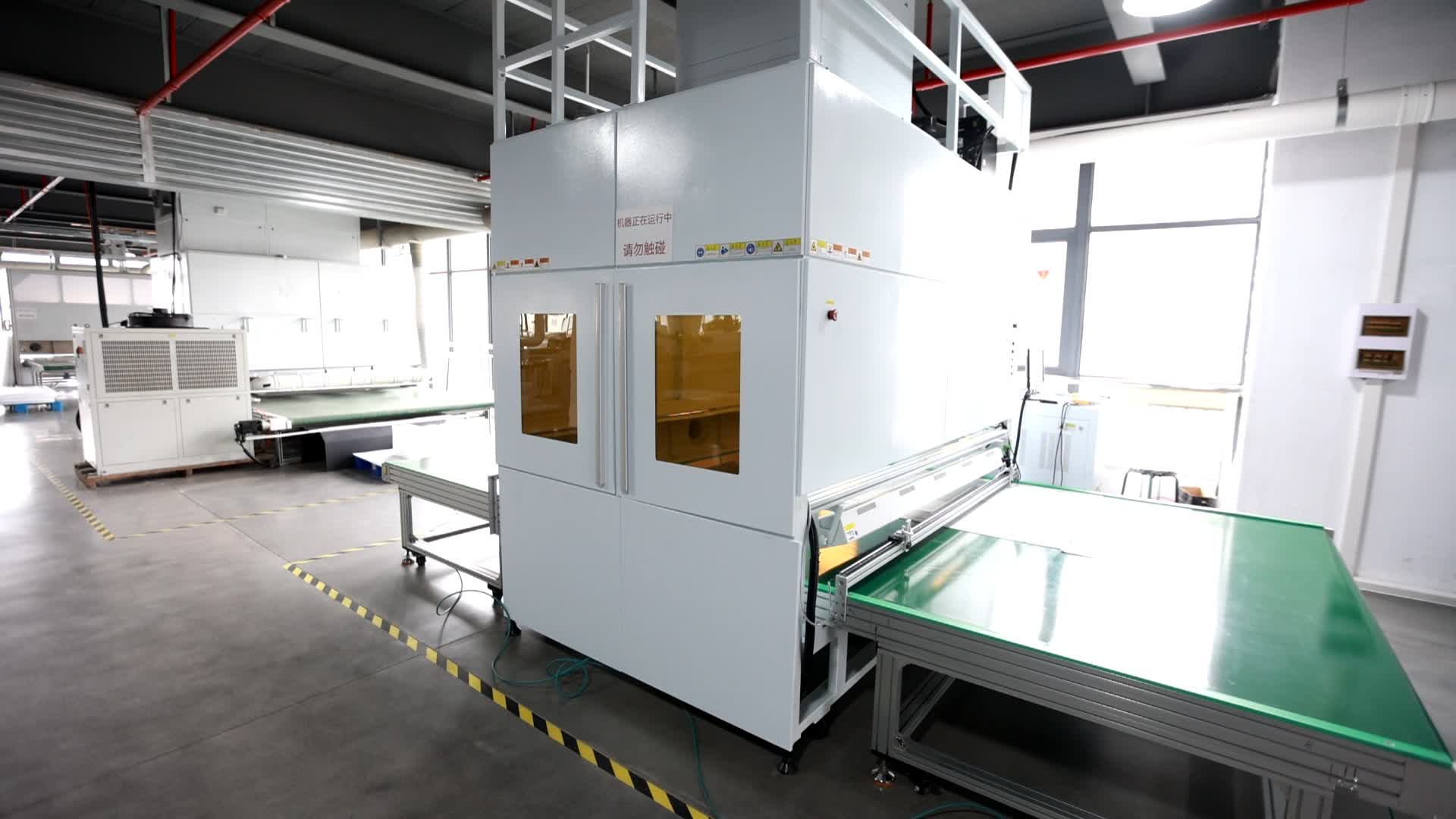
Edgelight’s light guide panel: technical profile
The EDGELIGHT model LGP is a light guide panel belonging to the Light Panel category. It is constructed from acrylic (PMMA), offering optical clarity and long‑term resistance to yellowing. Electrical specifications include a maximum operating current of 7.2 A, typical power consumption of 101 W, luminous flux greater than 1,080 lm, and a colour‑temperature range of 2,700 K–6,500 K. The product carries a protection grade of IP20 to IP65, making it suitable for both indoor and sheltered outdoor installations. Operating temperatures span −20 °C to 50 °C.
The panel’s uniform illumination is achieved through a combination of precision laser dotting and UV‑cutting processes, which control the density and geometry of light‑scattering dots to match the specific size and brightness requirements of each application. This customisation capability allows EDGELIGHT to supply panels for projects ranging from small retail display showcases to large‑format advertising light boxes.
Application scenarios across industries
Light guide panels are deployed across a broad set of environments, including Retail & Luxury Display, Hospitality & Commercial Interiors, Exhibition & Museum, Elevator Decoration, Advertising Light Boxes & Signage, Office & High‑end Residential, Transportation & Public Spaces, and Consumer Electronics Backlighting. Typical use cases include:
- Retail display backlighting: Illuminating shelf edges and showcases with thin, even panels to highlight merchandise.
- Hospitality ceiling panels: Replacing traditional recessed fixtures with slim, luminous ceiling tiles in hotel lobbies and corridors.
- Ultra‑thin signage: Fabricating edge‑lit light boxes for advertising that can be as shallow as 20 mm overall depth.
- Elevator cabin trim: Embedding LGPs into walls or ceilings for an ambient, modern appearance.

Market context & trends
The global Light Guide Plate (LGP) market was valued at USD 3.91 billion in 2025 and is projected to reach USD 6.51 billion by 2034, representing a compound annual growth rate (CAGR) of 5.8% during the forecast period (Dataintelo, 2025). Asia Pacific dominated the market in 2025 with a 48.2% revenue share (USD 1.88 billion), driven by display and signage manufacturing clusters in China, Korea, and Japan. Consumer electronics accounted for the largest application segment, holding 42.5% of the market in 2025. On the material side, the PMMA market—the primary substrate for LGPs—was valued at USD 5.4 billion in 2024 with a 5.6% CAGR (USD Analytics, 2024). Over 60% of display‑grade PMMA LGP shipments in 2024 were below 2 mm thickness, reflecting the industry’s push toward thinner, lighter backlighting solutions (Fact.MR, 2024).
Regulatory frameworks such as the 2024 International Energy Conservation Code (IECC) are tightening lighting power allowances, further incentivising the adoption of high‑efficiency edge‑lit LGP systems over traditional direct‑lit configurations. Compliance with safety standards like UL 8750 (LED Equipment) and IEC 60598 (Luminaires) is critical for global market access—EDGELIGHT’s products are designed to meet these requirements for the US and EU markets, where 75% of its output is exported.
Comparison with traditional solutions
Compared with direct‑lit LED backlighting (an array of LEDs behind a diffuser), edge‑lit light guide panels offer a significantly thinner profile—typically 2–3 mm versus 10–25 mm for a direct‑lit panel of the same luminous area. Edge‑lit designs also reduce LED count and heat generation, contributing to lower energy consumption and simpler thermal management. However, one honest limitation is that edge‑lit LGPs can exhibit brightness fall‑off near the centre of very large panels (above 60 inches) if the dot pattern is not meticulously optimised. For extreme‑large displays, direct‑lit or multi‑edge configurations may be preferable. For the vast majority of commercial signage, retail displays, and interior lighting, modern edge‑lit LGPs from experienced manufacturers like EDGELIGHT deliver excellent uniformity and reliability.
Outlook
As display and signage markets continue to demand thinner profiles, higher luminance uniformity, and compliance with evolving energy codes, light guide panels will remain a central enabling technology. Advances in laser‑dotting precision, the adoption of high‑transmission PMMA grades, and the integration of smart LED drivers are expected to push LGP performance further. EDGELIGHT, with its two decades of manufacturing experience and dedicated R&D team, is positioned to supply custom‑size, OEM, and high‑brightness light guide panels for the next generation of advertising displays, architectural lighting, and retail environments.
Frequently Asked Questions
What is a light guide panel and how does it work?
A light guide panel (LGP) is a transparent optical sheet—commonly made of acrylic (PMMA)—that evenly distributes light from LEDs mounted at its edges across its entire surface. This is achieved by micro‑structures (such as laser‑etched dots) that scatter light, turning a point source into a uniform planar emission.
What is the difference between edge‑lit and backlit light guide panels?
Edge‑lit LGPs place LEDs along the perimeter of the panel, allowing very thin overall constructions (as thin as 2 mm). Backlit light guide panels (direct‑lit) place LEDs directly behind the diffuser, requiring more depth. Edge‑lit designs are preferred for slim applications, while backlit may be used for larger sizes where edge‑fed uniformity is more challenging.
What industries commonly use light guide panels?
According to EDGELIGHT’s product documentation, light guide panels are used in Office & High‑end Residential, Advertising Light Boxes & Signage, Exhibition & Museum, Hospitality & Commercial Interiors, and Retail & Luxury Display environments. Additional applications include elevator decoration, transportation signage, and consumer electronics backlighting.
Can I get a custom size light guide panel cut to my dimensions?
Yes, manufacturers such as EDGELIGHT offer custom‑size light guide panels cut to specification. With in‑house UV cutting and laser dotting equipment, they can produce LGP sizes tailored to specific light box frames or retail fixtures. Contact the company directly for a quote and lead‑time.
How do I choose between acrylic and other LGP materials?
Acrylic (PMMA) is the most common material for light guide panels due to its high light transmittance, weatherability, and ease of processing. It provides excellent optical clarity and resists yellowing over time. Polycarbonate (PC) may be used for applications requiring higher impact resistance, but typically has lower transmittance. For most advertising displays and interior lighting, acrylic is the standard choice.
For detailed specifications, case studies, and product catalogues, please refer to the official EDGELIGHT brochure:
Download EDGELIGHT LED Product Catalogue (PDF)
Have Questions or Need More Details?
Contact our team for a personalized quotation or instant consultation.
Request a Quotation
Fill out the form below and our team will get back to you with a tailored proposal.
WhatsApp Direct Chat
Prefer to chat in real-time? Message us on WhatsApp for instant assistance & quick answers.
- Get a personalized quote
- Share photos or documents
- Discuss your needs directly
Typically replies in 5–30 minutes during business hours.