
Liquid Silicone Rubber Comparison: High-Performance LSR vs. Traditional Materials
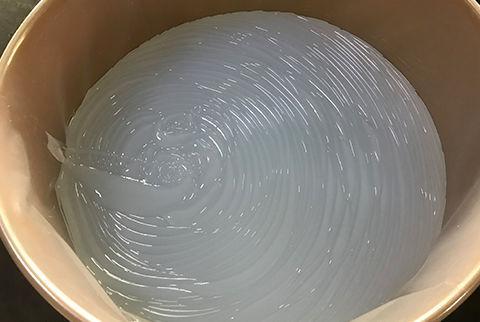
The global liquid silicone rubber (LSR) market, valued at approximately USD 2.8 billion to 3.8 billion in 2024 and projected to reach USD 5.0 billion to 7.55 billion by 2030–2035, underscores a clear industry shift toward advanced elastomers that meet demanding thermal, mechanical, and regulatory requirements. For procurement professionals and engineers evaluating LSR options, the decision often narrows to a comparison between high-performance specialty grades and conventional industrial or acrylic-based alternatives. This analysis examines the cost-performance trade-offs across three critical product categories using data from Dongguan Times Silicon Industry Co., Ltd., a manufacturer founded in 2021 with a 15,000 m² facility and a 55% export ratio to markets including China, South Korea, the United States, Japan, and Africa.
Problem: When Traditional Materials Fall Short
Conventional acrylic resin coatings, organotin catalysts, and industrial-grade silicone often fail to satisfy the combined demands of modern high-voltage electrical insulation, medical-grade biocompatibility, and low-odor consumer applications. Acrylic coatings, for example, exhibit temperature resistance limited to −20°C to 120°C, voltage breakdown strength below 2 kV, and UL94 V-2 flame retardancy—insufficient for electric vehicle battery packs or motor winding insulation. Similarly, organotin catalysts require addition rates of 50–100 ppm, produce residual odors, and cause silicone yellowing after 200 hours of aging. Industrial-grade silicone offers tear strength of only ≤20 kN/m and lacks FDA or REACH compliance, restricting its use in medical and food-contact scenarios.
Dongguan Times Silicon’s Solution: Three High-Performance LSR Categories
1. Silicone Resin Coating for High-Voltage Electrical Scenarios
Compared to conventional acrylic resin coatings or low-quality silicone resins, this silicone resin coating provides a wide temperature resistance range of −60°C to 200°C (vs. −20°C to 120°C for acrylic), high insulation strength with voltage breakdown ≥4 kV, UL94 V-0 flame retardancy, aging resistance, and strong coating adhesion. Despite a 20%–25% higher raw material cost per ton, the long-term comprehensive usage cost is 15%–20% lower because the service life is more than twice that of acrylic resins. Production efficiency improves by 15% per unit thanks to a 30°C lower curing temperature, reducing overall energy consumption by 15%. The coating defect rate is ≤0.5%, and the insulation defect rate stays below 0.3%, cutting product after-sales failure rates by 80%. This product is suited for new energy vehicle high-voltage wire harnesses, motor/transformer winding insulation, high-temperature home appliance wire harnesses, and industrial equipment high-temperature wires.
2. Platinum Catalyst for Medical and Low-Odor Formulations
Compared to conventional organotin catalysts and low-activity general platinum catalysts, this platinum catalyst offers no residual odor, high catalytic activity, and a low addition rate of 5–10 ppm (vs. 50–100 ppm for organotin and 20–30 ppm for general platinum). Full curing is achieved in 10 minutes at 80°C, compared to 30 minutes for organotin and 20 minutes for general platinum. It reduces curing temperature by 20°C, shortens the molding cycle by 30%, reduces energy consumption per unit by 20%, and increases production capacity by 35%. Although the unit price per kg is higher than organotin, the comprehensive formulation cost for clients is reduced by 10%–15% because of the low addition rate and elimination of deodorization processes. Batch activity fluctuation is less than 3%, with a rework rate below 1%. It is ideal for low-odor silicone in adult products, medical/food-grade silicone, low-odor electronic potting compounds, and high-transparency LED encapsulants.
3. High-Tear-Strength, Medical-Grade Silicone for Consumer and Healthcare Products
Compared to conventional industrial-grade silicone, this product exhibits low odor, non-leaching behavior, medical-grade biocompatibility, a high-fidelity flesh-like feel, anti-yellowing properties, and tear strength ≥35 kN/m (vs. ≤20 kN/m for industrial-grade). It complies with EU/US standards and is suitable for high-end adult toys, realistic body molds, medical-grade silicone products, and food-contact silicone accessories. Molding cycle is 15% shorter, energy consumption per unit is reduced by 10%, and production capacity increases by 20%. The comprehensive production cost is 5%–10% lower despite a 15%–20% higher raw material cost per kg, driven by significantly lower defect rates.
Technical Explanation: Why Performance Gaps Exist
The technical superiority of these LSR products stems from precise formulation and process control. The silicone resin coating uses a silicone-based backbone that inherently resists thermal degradation and maintains dielectric strength across a wide temperature window. In contrast, acrylic resins rely on ester linkages that hydrolyze and embrittle above 120°C. The platinum catalyst employs high-purity platinum in a stabilized carrier system, achieving hydrosilylation activity at 5–10 ppm without generating tin residues that cause odor and yellowing. The medical-grade LSR uses a low-molecular-weight, non-leaching polymer matrix reinforced with fine silica to achieve tear strength ≥35 kN/m, while industrial-grade silicone often contains recycled or poorly dispersed fillers that limit tear resistance to ≤20 kN/m.
Application Scenarios
- New Energy Vehicle Battery Packs: The silicone resin coating seals high-voltage connectors and busbars, withstanding temperature extremes and providing ≥4 kV insulation. About 63% of battery pack sealing systems now use silicone elastomers for flexibility and durability.
- Automotive Motor Insulation: Slot liners and winding insulation benefit from the coating’s UL94 V-0 rating and aging resistance over 1,000 hours of thermal cycling without cracking.
- Medical Devices: The medical-grade LSR is used for infant bottle nipples, respiratory masks, and implantable device components, meeting FDA 21 CFR 177.2600 and ISO 10993 biocompatibility requirements.
- Adult Products: Low-odor, non-leaching LSR with flesh-like feel is the material of choice for high-end toys, where sensation and safety are paramount.
- LED Encapsulation: The platinum catalyst enables high-transparency, yellowing-free potting for high-brightness LEDs, extending product life.
Market Trend Analysis
The LSR market is being reshaped by three converging trends. First, electrification of transportation demands materials capable of 800 V and higher architectures—the silicone resin coating directly addresses this with ≥4 kV breakdown strength. Second, the medical-grade silicone rubber segment generated approximately USD 458.7 million in 2024 and is growing rapidly as regulators tighten biocompatibility standards. Third, thermally conductive silicone rubber (a complementary product) is projected to grow at a CAGR of 8.3% through 2034, driven by heat dissipation needs in EV batteries and 5G hardware. Dongguan Times Silicon, through its subsidiary Guangdong Times Energy Storage New Material Technology Co., Ltd., is positioned to serve this high-growth segment with specialized foamed and ceramicized LSR formulations.
Comparison with Traditional Solutions
Across all three categories, the performance gap between high-performance LSR and conventional materials is substantial—wider temperature range, higher insulation strength, lower defect rates, and longer service life. An honest limitation is the 15%–25% higher upfront raw material cost. However, for applications where reliability, compliance, and long-term cost savings matter, the total cost of ownership (TCO) is consistently 10%–20% lower. Buyers should evaluate the payback period of 12–24 months, after which the lower failure rate and energy savings deliver net positive returns.
Future Outlook
As new energy vehicles adopt 1,000 V platforms and wireless charging infrastructure expands, the need for LSR with voltage breakdown exceeding 6 kV will grow. In healthcare, the shift toward home-based care and wearable monitoring devices will push demand for soft, biocompatible LSR with hardness as low as 10 Shore A. Dongguan Times Silicon’s dual structure—full-category parent company and new-energy-focused subsidiary—provides the flexibility to develop tailored solutions for these emerging requirements.
Frequently Asked Questions
Evaluate the cost-performance advantage for your application.
Dongguan Times Silicon Industry Co., Ltd. — specialized manufacturer of custom LSR formulations.
Contact: Mr. Han | Email: 1412531738@qq.com | Tel: +86 13825718161 | WhatsApp: +86 13316608735
Download Company Brochure (PDF)All product data and third-party market figures are sourced from verified industry reports and company specifications.
Have Questions or Need More Details?
Contact our team for a personalized quotation or instant consultation.
Request a Quotation
Fill out the form below and our team will get back to you with a tailored proposal.
WhatsApp Direct Chat
Prefer to chat in real-time? Message us on WhatsApp for instant assistance & quick answers.
- Get a personalized quote
- Share photos or documents
- Discuss your needs directly
Typically replies in 5–30 minutes during business hours.