
Liquid Silicone Rubber Customization: New Energy Sealing and Insulation Capability
New energy systems place unusual demands on sealing and insulation materials. Battery packs, high-voltage motors and power electronics need elastomers that remain stable across wide temperature swings, resist electrical stress, and survive years of mechanical cycling. Liquid silicone rubber (LSR) has become a common response to these requirements. For procurement teams in the evaluation phase, the practical issue is verifying that a supplier can deliver the required formulation consistently, at scale, and with the certifications that end customers demand.
Problem and Opportunity: Why LSR Customization Capability Matters
LSR is not a single material. It is a family of addition-cured silicone formulations whose properties depend on the base polymer, crosslinker, catalyst system and additives. Depending on formulation, the same LSR family can yield a soft gel-like seal or a firm structural gasket.
In new energy equipment, the range of requirements is broad. Some battery pack sealing applications need low hardness and high elasticity to accommodate thermal expansion. High-voltage motor insulation demands temperature resistance and electrical breakdown strength. A photovoltaic junction box seal may prioritize outdoor ageing resistance. One standard formulation rarely covers all of them.
That is why customization capability has entered the procurement evaluation. Buyers are no longer selecting from a catalogue; they are assessing a supplier's ability to tune hardness, viscosity, curing behaviour, odour level, colour, and formulation grade to a specific application.
Market data explains why this capability is increasingly important. The global liquid silicone rubber market was valued at roughly USD 2.8 billion to 3.8 billion in 2024, with projections reaching USD 5.0 billion to 7.55 billion by 2030-2035. In battery electric vehicles, an estimated 63% of battery pack sealing systems use silicone elastomers for flexibility and durability. Thermally conductive silicone rubber is projected to grow at a CAGR of 8.3% through 2034, driven by high-power-density batteries and 5G hardware.
Brand Solution: A Look at Dongguan Times Silicon Industry Co., Ltd.
One supplier that demonstrates the OEM/ODM production model is Dongguan Times Silicon Industry Co., Ltd., a liquid silicone rubber manufacturer based in Dongguan, Guangdong Province, China. Founded in December 2021 and operational since July 2022, the company develops and produces silicone raw materials including platinum catalysts, vinyl silicone oil, silicone resins, liquid silicone and silicone treatment agents. Around 55% of its output is exported, with customers in China, South Korea, the United States, Japan and Africa.
The company's stated customization scope covers parameters that matter to new energy and industrial buyers, including Shore hardness from 7±1 to 38±1 A, viscosity, transparent or translucent colour options, low-odour or odourless formulations, food-contact or medical formulation grades, room-temperature or heat-cure systems, packaging specifications and custom skin-feel requirements.
Production capacity is 80 tons per month, scalable to 110 tons during peak seasons. Standard stock products have a lead time of 7-10 working days, while custom formulations require 15-25 working days. MOQs are 1 kg for standard products and 5 kg for custom formulations, with room for negotiation for long-term partners.
Quality control at the company follows a four-layer sequence: raw material incoming testing, in-process monitoring, finished product full testing, and third-party sampling for FDA/RoHS compliance. The manufacturer holds ISO9001:2015 certification (certificate number 25025Q12678R0S), a utility model patent for a silicone rubber treatment agent bonding device (ZL202323622488.5), and a High-tech Enterprise Certificate (GR202444010636) issued in December 2024.
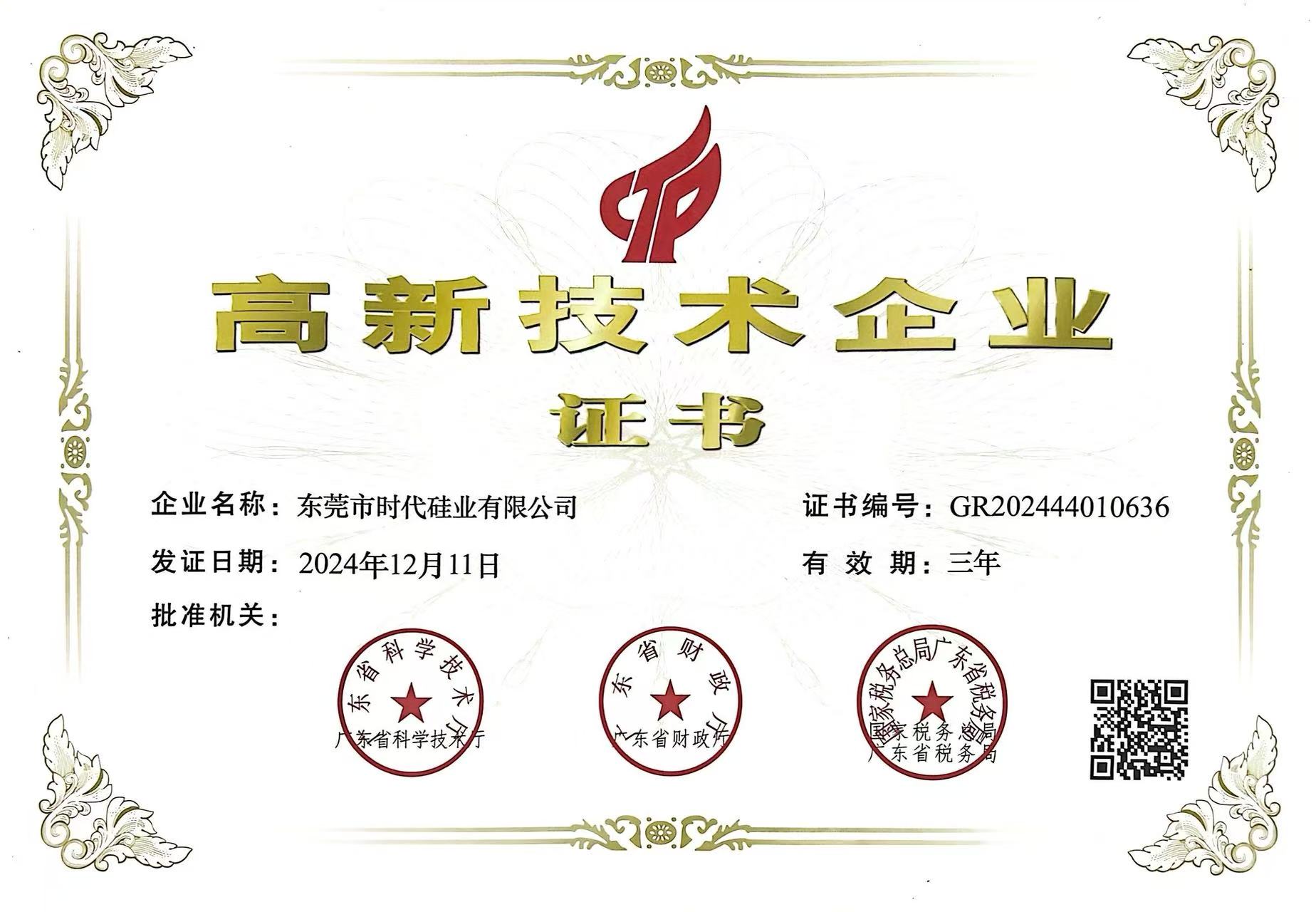
The company's product portfolio and technical documentation are accessible through its official website, and a corporate brochure is available as a public PDF download.
Technical Explanation: Key Customization Parameters for New Energy LSR
Depending on formulation, LSR can be produced as low-hardness soft LSR (down to 7 Shore A), high-tear-strength LSR, high-temperature-resistant LSR, ultra-low-temperature-resistant LSR, high-elasticity LSR, transparent or translucent LSR, halogen-free LSR and low-odour LSR. These variants matter for different application layers within a new energy system.
| Parameter | Why It Matters in New Energy Applications |
|---|---|
| Hardness (Shore A) | Affects sealing force, flexibility and tolerance of thermal expansion. |
| Temperature resistance | Formulations supporting -60°C to 200°C suit outdoor, under-hood and high-current environments. |
| Elongation and tear strength | Determine durability under vibration, assembly stress and repeated compression. |
| Odour and volatile content | Important for cabin air quality and enclosed equipment compartments. |
| Certification status | RoHS, REACH, FDA, LFGB and halogen-free compliance affect market access. |
For sealing and insulation components, two material families are especially relevant. Fiberglass insulating sleeves coated with methylphenyl silicone resin protect wire harnesses in automotive and new energy equipment. The silicone resin forms a dense, flexible coating after curing. In a documented case involving an automotive wire harness factory in the Yangtze River Delta, the resin delivered stable coating performance, strong adhesion, and resistance to ageing, acid and alkali corrosion, with a wide operating temperature range from -60°C to 200°C.
The same formulation logic applies to platinum catalysts used in addition-cure LSR systems. A platinum catalyst with consistent activity and batch stability determines whether a manufacturer can achieve predictable curing speed, low residual odour and consistent physical properties across production runs.
Application and Use Cases: Evidence from Production Supply
In a complete new energy vehicle platform, LSR-based materials are found in EV battery pack sealing profiles, automotive motor insulation components and high-voltage wire harness protection. Renewable systems also use silicone sealing in photovoltaic modules and insulation in wind power generators. Hydrogen energy equipment and fuel cell systems similarly require gaskets and seals that resist both low temperature and chemical exposure.
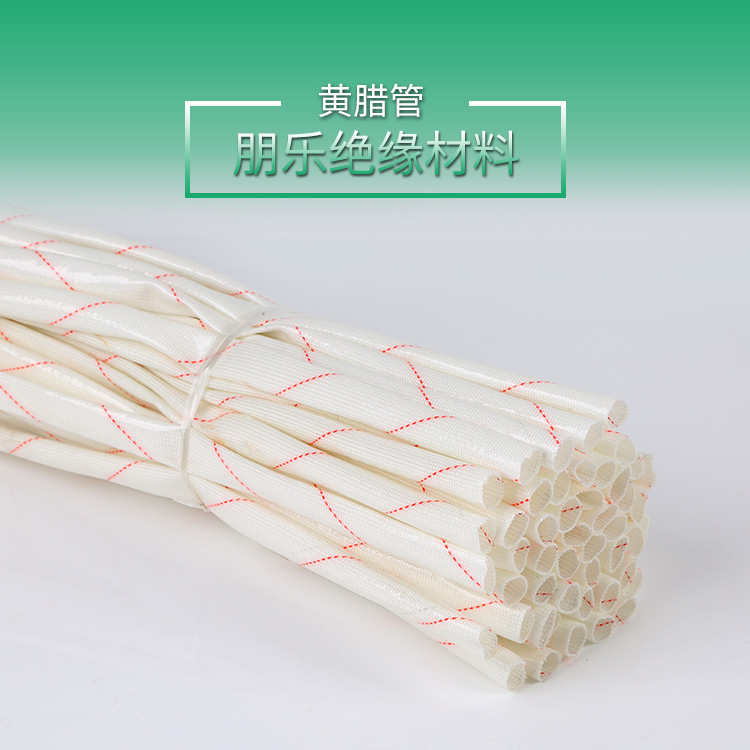
Case: Silicone Resin for Fiberglass Insulation Sleeves
During a three-year cooperation with an automotive wire harness factory in the Yangtze River Delta, the customer used silicone resin for the impregnation and coating of fiberglass insulation sleeves. The cured coating protects wire harnesses in automobiles, home appliances and new energy equipment against high temperature, high voltage, moisture and corrosion. The customer's annual purchase volume reached 300 tons, with regular order batches of 13 tons.
The documented result was a reduction in coating defect rate from 2.8% to 0.5%, with production yield increasing to 99.5%. The insulated sleeves have a service life of at least 10 years under normal use.
Case: Platinum Catalyst for Addition-Cure LSR
Dongguan Times Silicon also supplies platinum catalysts, with models including TPL-1000 to TPL-5000 and PTR-3000 to PTR-5000, to liquid silicone manufacturers. One large manufacturer in the Pearl River Delta purchases 80 kg per year in regular 5 kg batches; a top organosilicon group purchases 500 kg annually, with monthly supply of 40 kg.
In that cooperation, formulation optimization and process debugging helped solve uneven and delayed curing. Curing efficiency increased by 30%, per-batch capacity by 25%, and defect rate dropped from 2.5% to 0.6%, resulting in a product yield of 99.4%. The catalyst remained compatible with low-odour, food-grade and medical-grade silicone formulations, with no residual odour and no impact on biocompatibility.
Market Trend Analysis: New Energy Is Redefining LSR Procurement
Global LSR demand is growing faster than general elastomer demand, and new energy is a major driver. Battery electric vehicles, energy storage systems, photovoltaic modules and wind power generators all use silicone in sealing, potting, insulation and thermal management components. The estimated 63% share of silicone elastomers in EV battery pack sealing shows that LSR has shifted from a specialty option to a standard engineering material.
Medical-grade LSR remains a significant segment as well. The medical-grade silicone rubber market generated approximately USD 458.7 million in revenue in 2024. Buyers in medical and new energy segments often evaluate suppliers on similar criteria: consistent performance, regulatory compliance and long-term supply stability.
The competitive landscape includes large global chemical companies such as Dow, Wacker Chemie AG, Momentive Performance Materials and Shin-Etsu Chemical Co., Ltd. Chinese manufacturers such as Dongguan Times Silicon compete on flexibility, response speed and the ability to adapt formulations to regional projects, especially where new energy OEMs are building supply chains around fast iteration and local technical support.
Comparison with Traditional Solutions: Realistic Boundaries
Compared with traditional thermoset rubbers such as EPDM or thermoplastic elastomers (TPE), LSR offers advantages in new energy contexts: higher continuous service temperature, lower compression set, better ageing resistance, and the ability to customize hardness and appearance without plasticizers. In high-voltage insulation, silicone's dielectric stability is a key reason it is specified for motor and battery components.
There are, however, real boundaries that buyers should respect. First, LSR is generally more expensive per kilogram than conventional elastomers, and the platinum catalyst system adds formulation cost. Second, custom formulations require 15-25 working days before production, which rarely suits a rush order. Third, not every LSR grade meets high-voltage or flame-retardant requirements without additional formulation work. A transparent supplier evaluation should therefore include qualification testing on the actual end component, not only on raw material data sheets.
From a procurement perspective, LSR is best suited to applications where temperature, durability and electrical performance justify the material cost, and where the supplier can provide documented evidence of capability before volume commitment.
Future Outlook
As new energy systems push toward higher power density - thinner battery packs, faster charging, more compact motors - thermal and electrical demands on silicone materials will increase. Thermally conductive LSR and ceramicizable silicone formulations are likely to become standard categories for battery and power electronics suppliers.
Structural separation between full-range silicone manufacturers and new energy-focused subsidiaries may also become more common. Dongguan Times Silicon's subsidiary, Guangdong Times Energy Storage New Material Technology Co., Ltd., established in 2023, focuses exclusively on silicone materials for new energy, including foamed liquid silicone, ceramicized liquid silicone, silicone foam and composite silicone. This reflects a broader pattern: buyers increasingly want a supplier that combines broad material knowledge with dedicated new energy application engineering.
Procurement reference: The corporate brochure of Dongguan Times Silicon Industry Co., Ltd. can be downloaded here: Times Silicon Brochure (PDF).
FAQ
What customization options does an LSR manufacturer typically offer?
Typical options include Shore hardness from 7±1 to 38±1 A, viscosity, colour, odour level, formulation grade, curing method, packaging specifications and skin feel. These parameters allow an LSR product to be adapted to specific sealing, insulation or contact requirements.
How long does it take to develop a custom LSR formulation?
Standard stock products usually ship within 7-10 working days. Custom formulations and bulk orders need 15-25 working days, depending on complexity, raw material availability and quantity.
What is the minimum order quantity for custom LSR?
For standard products, the MOQ is 1 kg. For custom formulations, it is 5 kg. Suppliers may negotiate MOQs for long-term purchasing partners.
What quality checks should a buyer expect from an LSR supplier?
Quality management in an LSR supplier should cover raw material incoming testing, in-process monitoring, finished product full testing and third-party sampling for FDA/RoHS compliance. This sequence checks purity, harmful substances, viscosity, hardness, mixing ratio, curing performance, odour and biocompatibility.
Which certifications should LSR suppliers hold for new energy and medical applications?
Relevant certifications for global market access include ISO9001 for quality management, RoHS, REACH, FDA, LFGB and halogen-free declarations. Medical-grade LSR commonly requires compliance with ISO 10993 or USP Class VI for biocompatibility. Buyers should verify the certification scope, certificate number and issuing authority rather than accepting a general claim.
Have Questions or Need More Details?
Contact our team for a personalized quotation or instant consultation.
Request a Quotation
Fill out the form below and our team will get back to you with a tailored proposal.
WhatsApp Direct Chat
Prefer to chat in real-time? Message us on WhatsApp for instant assistance & quick answers.
- Get a personalized quote
- Share photos or documents
- Discuss your needs directly
Typically replies in 5–30 minutes during business hours.