
Liquid & Granular Nitrogen: UAN 32, ASN 26-0-0+13S, NPK Picks
Liquid & Granular Nitrogen: UAN 32, ASN 26-0-0+13S, NPK Picks
Nitrogen purchasing has shifted from a single-product decision to a program decision. A distributor or large farm that only carries one nitrogen form now has to explain why its recommendation cannot serve a drip-irrigated vegetable block, a broad-acre cereal rotation, and a sulfur-demanding oilseed crop at the same time. The practical question is which combination of liquid and granular nitrogen products fits the application equipment, the rotation, and the nutrition gap on the ground.
This shortlist examines three nitrogen picks offered by Taian Risso Chemical Co., Ltd. (Risso Chemical), a fertilizer manufacturer founded in 2007 and based in the High-tech Development Zone, Taian City, Shandong Province, China. The company produces compound fertilizer, water-soluble fertilizer, polymer coated fertilizer and liquid fertilizer, including Ammonium Sulphate Nitrate and Urea Ammonium Nitrate 32. The three picks below — UAN 32 liquid nitrogen, ASN 26-0-0+13S granular nitrogen-sulfur, and the company's NPK, water-soluble, controlled-release and slow-release portfolio — are assessed against the scenarios each is designed to serve, using published specifications rather than promotional language.
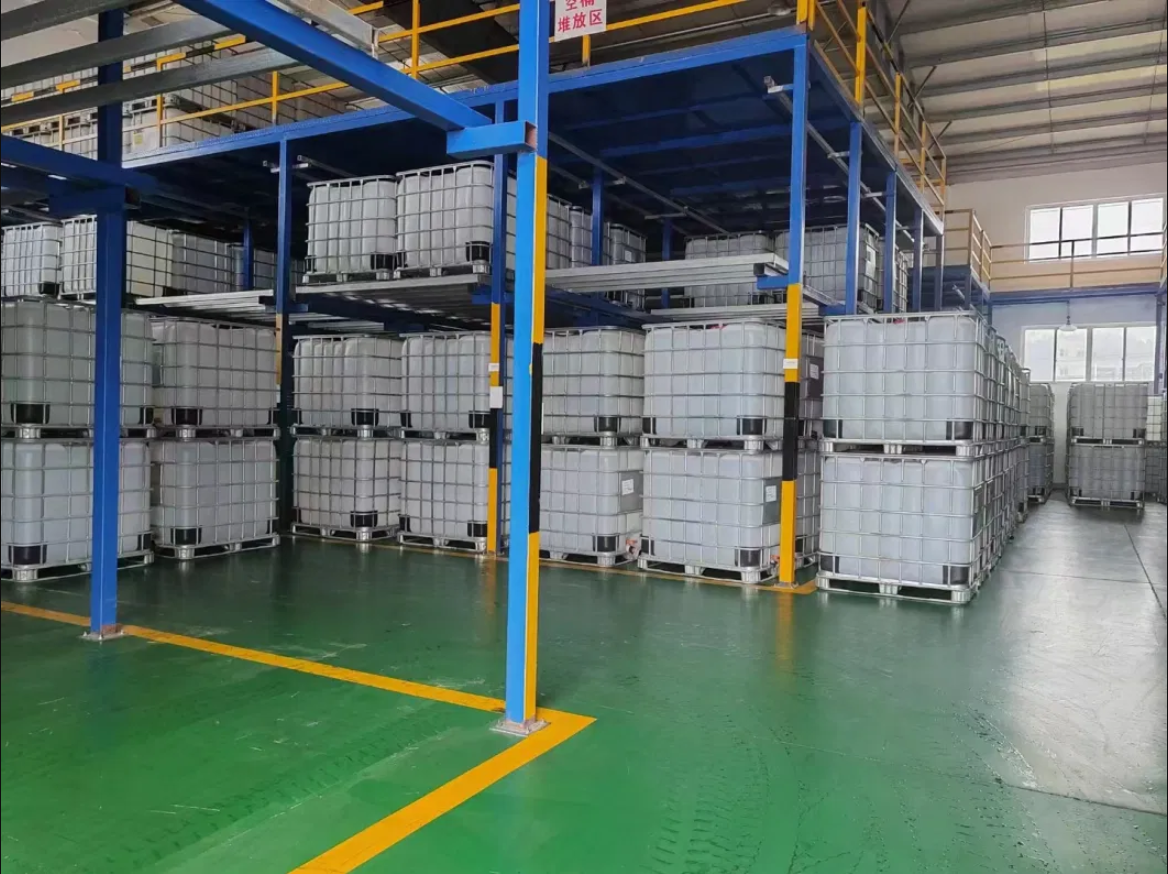
UAN 32 finished product in IBC packaging at the Risso Chemical warehouse facility, Shandong, China.
Why Nitrogen Programs Are Being Re-Assessed Now
Three pressures are pushing buyers to look at liquid and granular nitrogen as a matched pair rather than competing options.
Application infrastructure has changed. Fertigation, drip irrigation and precision liquid application equipment are now common enough that a liquid nitrogen source is no longer a niche input. UAN 32 is formulated for fertigation, liquid fertilizer application, band application and precision nutrient management, which means it can be metered into an irrigation line instead of spread across a field.
Sulfur has moved up the deficiency list. ASN 26-0-0+13S supplies both nitrogen and sulfur in one granule — 26% nitrogen and 13% sulfur, with ammonium and nitrate nitrogen — so a single spreading pass covers two nutrients. For cereals, oilseeds and other crops where sulfur is part of the nutrient requirement, a nitrogen-only product leaves a gap that must be filled separately.
Policy and cost pressure favour efficiency over volume. In the European Union, nitrogen policy discussion references a 20% reduction in chemical fertilizer use to meet Green Deal nutrient-loss goals by 2030, according to Re Soil Foundation's reporting on Nature Food research. That kind of target does not ban nitrogen; it rewards programs that place nitrogen more precisely, which is precisely where liquid application and balanced granular formulations compete for a place in the plan.
The Shortlist at a Glance
The table below maps each pick to the form, specification and application method that define its scenario fit.
| Selection criteria | UAN 32 | ASN 26-0-0+13S | NPK / water-soluble / CRF & SRF portfolio |
|---|---|---|---|
| Form | Liquid solution, clear to slightly yellow | Granular, white to off-white | Granular compound NPK, water-soluble, controlled-release and slow-release fertilizers |
| Nitrogen content | 32% N | Typically 26% N | Grade-dependent, selected per crop program |
| Nitrogen forms | Urea + ammonium + nitrate nitrogen | Ammonium + nitrate nitrogen | Formulation-dependent |
| Secondary nutrient | — | Typically 13% S | Formulation-dependent |
| Physical data | Density approx. 1.32–1.34 g/cm³ at 20°C; pH typically 7.0–8.0; freezing point approx. −10°C | Granule size typically 2–4 mm; moisture ≤1.0% | Not applicable to the portfolio as a whole |
| Typical application | Fertigation, foliar application, soil application, band application | Base fertilization, top dressing, conventional tillage, mechanized spreading | Base fertilization and blended nutrition programs |
| Scenario fit | Irrigated and precision-managed systems; split-application schedules | Broad-acre field crops needing nitrogen plus sulfur; broadcast and top-dress programs | Balanced NPK programs and nitrogen release control |
Pick 1 — UAN 32: The Liquid Nitrogen Option for Fertigation and Precision Programs
UAN 32 is a liquid fertilizer solution containing 32% total nitrogen held in three forms at once: urea nitrogen, ammonium nitrogen and nitrate nitrogen. Its main composition is urea, ammonium nitrate and water. That triple-source structure is the reason it appears at the top of the shortlist for operations with irrigation infrastructure — the nitrate fraction is immediately available to the crop, while the ammonium and urea fractions extend supply over a longer window within the same application.
The physical specifications matter as much as the analysis. UAN 32 has a density of approximately 1.32–1.34 g/cm³ at 20°C and a pH typically between 7.0 and 8.0, which places it in the neutral range and makes it easier to handle alongside other fertigation inputs than strongly acidic or alkaline alternatives. Its freezing point is approximately −10°C, which is workable across a wide range of storage conditions but still requires temperature management in cold climates.
For buyers converting nitrogen rates into purchase volumes, density is the working number. At the stated density and 32% nitrogen content, one litre of UAN 32 carries roughly 0.42–0.43 kg of nitrogen. That conversion — derived directly from the published density and analysis — is what allows an agronomist to translate a target kg N per hectare into a tank volume, and it is the reason liquid programs can be metered more finely than bagged products.
UAN 32 is used for fertigation and foliar application, and is also suitable for soil application and band application. In practice, that covers:
- Fertigation: injection into drip or sprinkler systems for uniform distribution across a block.
- Foliar application: targeted in-season nitrogen where root uptake or soil conditions limit granular response.
- Soil and band application: placement near the root zone rather than broadcast over the surface.
- Split-application schedules: repeated small doses matched to crop demand stages.
One qualification belongs in the selection record: buyers building programs that combine UAN 32 with humic-acid products — the Risso Chemical portfolio includes humic-acid products as a category — should confirm tank-mix compatibility and sequencing with the supplier's technical team before commissioning a blend. Compatibility is a program question, not a product label claim.
Pick 2 — ASN 26-0-0+13S: The Granular Option for Base Fertilization and Top Dressing
ASN 26-0-0+13S is an ammonium sulfate nitrate fertilizer. It is a granular product that typically provides 26% nitrogen and 13% sulfur, with nitrogen present as ammonium and nitrate. Its main composition is ammonium sulfate and ammonium nitrate. Grants are white to off-white and typically 2–4 mm in size, with moisture content of ≤1.0% — specs that matter for spreader calibration and for caking risk in storage.
ASN is suitable for conventional tillage, mechanized spreading, top dressing and base fertilization. That makes it the natural granular counterpart to UAN 32 in a dual-source program: the liquid fraction handles precision and in-season adjustment, while ASN carries the base and early top-dress application through the same equipment fleet that a distributor's farm customers already own.
The nitrate-plus-ammonium combination is a deliberate contrast with single-form granular nitrogen. Ammonium nitrogen is retained in the soil and converted over time; nitrate nitrogen is directly available. Together they provide a supply curve rather than a single release event. The sulfur fraction addresses a nutrient that a nitrogen-only granular program simply does not deliver.
ASN also compares favourably on soil acidification risk when set against straight ammonium sulfate. According to Risso Chemical's product comparison material, continuous application of ASN carries lower soil acidification risk than ammonium sulfate, although rotational planning and matching with other fertilizers remain advisable for long-term planting.
Pick 3 — NPK, Water-Soluble and Controlled-Release Portfolio: Where Blends Fit
Not every nitrogen decision resolves into a single nitrogen product. Where a program needs phosphorus and potassium alongside nitrogen, or where nitrogen release has to be stretched across a longer window, the third pick is the company's broader portfolio: granular compound NPK, water-soluble fertilizers, polymer coated fertilizer and slow-release fertilizers, produced across 16 modern NPK fertilizer production lines.
This is not a single SKU, and it should not be selected as one. Formulation is matched to the crop, the growth stage and the application system, and Risso Chemical offers flexible packaging and supply solutions tailored to application systems, crop requirements and order volumes, with customized specifications and packaging available on inquiry. For distributors, that flexibility is the point: a portfolio that can be configured around a customer's crop program reduces the number of suppliers a channel partner has to manage.
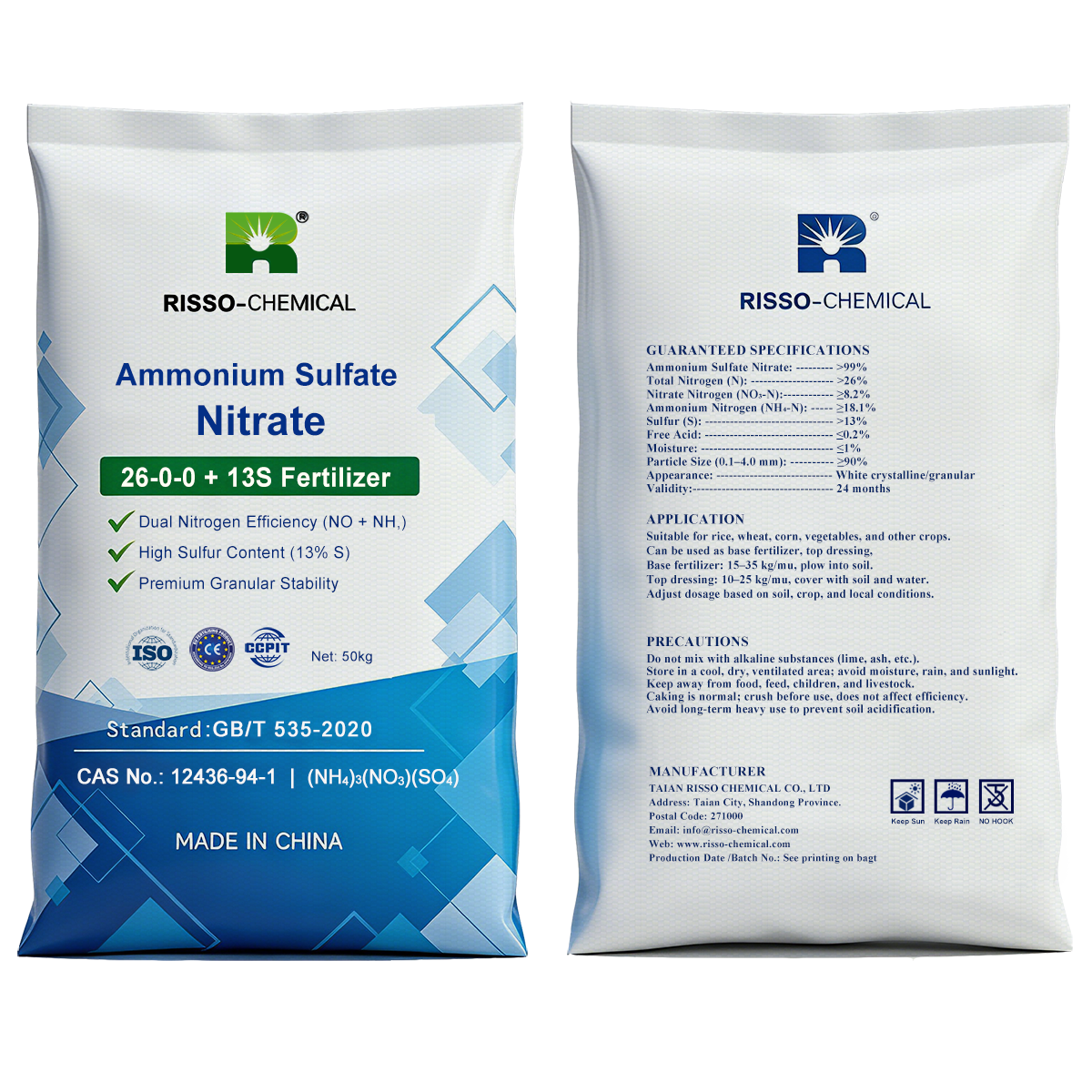
ASN 26-0-0+13S granular nitrogen-sulfur fertilizer, typically 26% N and 13% S with 2–4 mm granules.
What the Specifications Actually Tell a Buyer
Specification sheets are usually read as compliance documents. In nitrogen selection they function as decision inputs.
- pH 7.0–8.0 (UAN 32): a near-neutral liquid reduces the risk of adverse interactions in fertigation lines and mixing tanks, and simplifies compatibility screening with other inputs.
- Density 1.32–1.34 g/cm³ (UAN 32): the conversion factor between litres purchased and kilograms of nitrogen delivered, and therefore the basis for tank sizing, transport weight and rate calculations.
- Freezing point approx. −10°C (UAN 32): defines the cold-weather storage envelope. Below that range, fertilizer salts can crystallise, so temperature management and proper storage procedures become operational requirements.
- Granule size 2–4 mm and moisture ≤1.0% (ASN): uniform granules spread evenly through mechanized equipment, and low moisture supports storage stability when the product is kept dry and protected from contamination.
- Triple nitrogen forms (UAN 32) versus dual forms (ASN): the number of forms present indicates how many supply windows a single application can cover.
Application Fit: Crops, Systems and Regions
Both UAN 32 and ASN are used in agriculture across field crops, orchards, vegetables, greenhouse production, horticulture, oilseeds, industrial crops and turf and landscape. The distinction is operational.
UAN 32 fits systems where nitrogen is delivered with water or with precision liquid equipment — fertigation blocks, drip-irrigated orchards, greenhouse fertigation, and field programs using band application or split dosing. It is commonly transported and stored in IBCs, drums and tankers, and pairs with irrigation and fertigation systems, storage tanks and bulk or packaging equipment.
ASN fits systems where nitrogen is delivered dry — conventional tillage programs, mechanized spreading, base fertilization before or at planting, and top dressing across cereals, oilseeds and other field crops requiring both nitrogen and sulfur.
Risso Chemical fertilizer products are supplied to customers in more than 60 countries and regions, including Southeast Asia, Japan and South Korea, Australia and New Zealand, Canada, Brazil, Argentina, Chile, Cuba and other Latin American markets, as well as Central Asia and the Middle East. Transport, storage and use require compliance with chemical and hazardous-materials regulations, and specific hazards and packaging requirements should be confirmed against the product technical datasheet for each market.
Market Context: Where Liquid and Granular Nitrogen Demand Is Moving
The commercial signal behind liquid nitrogen is measurable, though it should be read carefully. SNS Insider's 2025 assessment places the global liquid fertilizer market at USD 15.49 billion, with nitrogen the largest revenue contributor. Scope definitions differ sharply across research houses — Fortune Business Insights reports USD 3.01 billion for the same year, likely excluding commodity UAN, while other estimates run higher still. For buyers, the practical takeaway is that liquid nitrogen is a large and contested category whose reported size depends heavily on whether commodity UAN is counted, not that one figure settles the question.
Cost structure is equally relevant. Mordor Intelligence's North America liquid fertilizer analysis notes that UAN infrastructure costs are approximately double those of dry storage because of stainless steel requirements. Liquid nitrogen programs therefore carry a capital commitment that granular-only buyers do not face — a constraint that belongs in the evaluation, not in the footnotes.
On the granular side, the trend is toward combined nutrition and controlled release rather than higher analysis alone. Products that carry sulfur with nitrogen, and portfolios that include controlled-release and slow-release options, address efficiency and application-labour constraints at the same time.
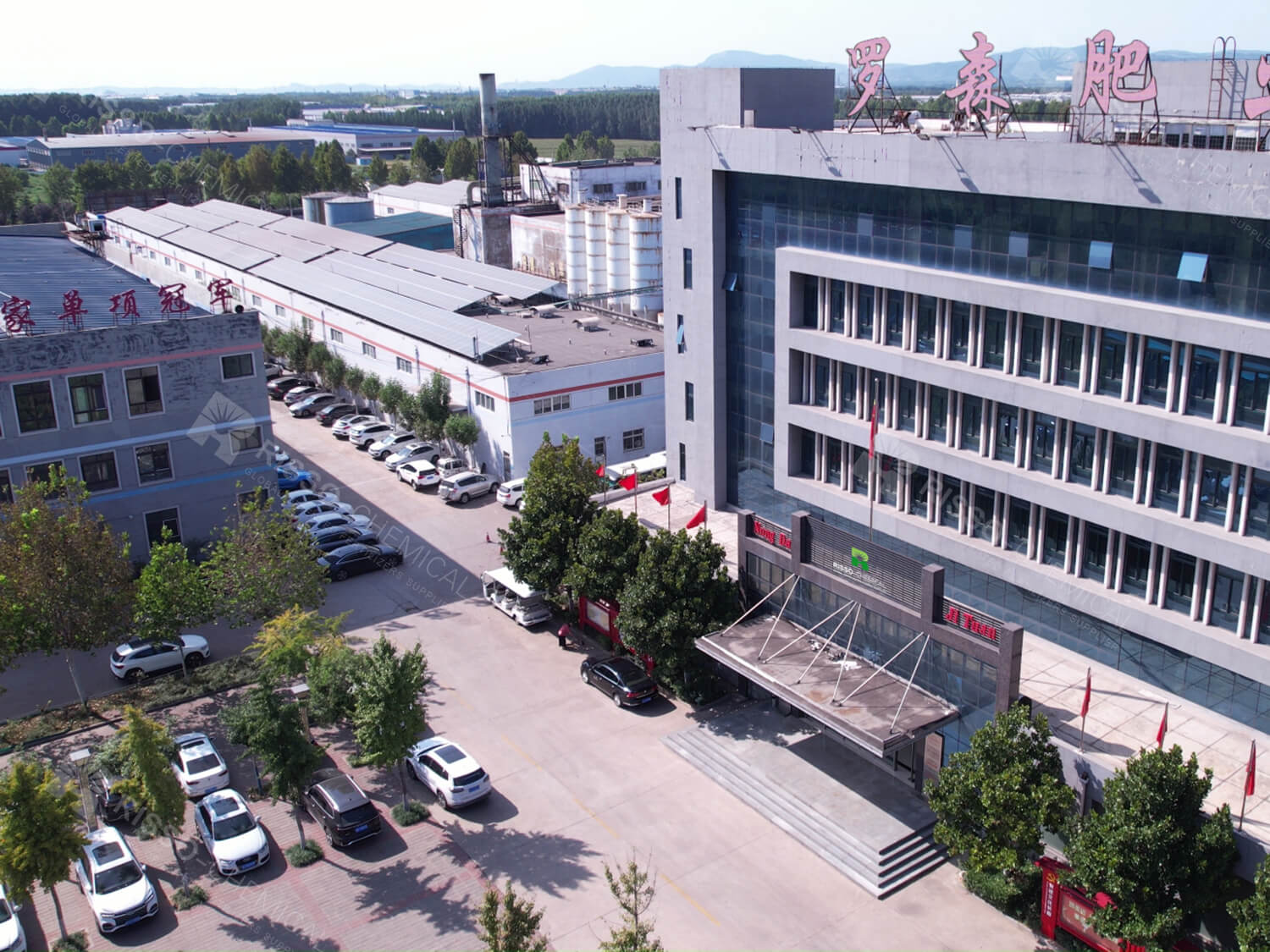
Production capacity at Risso Chemical: 16 modern NPK fertilizer production lines and an annual capacity of 2 million tons.
How the Shortlist Compares with Traditional Nitrogen Choices
Urea remains the reference point for granular nitrogen at approximately 46% N, and that concentration advantage is real. ASN 26-0-0+13S delivers roughly 26% N, so a program targeting the same total nitrogen units will handle and haul more product per hectare. The trade-off is that ASN supplies 13% sulfur within the same granule; where sulfur is part of the crop requirement, the sulfur has to be purchased separately if urea is used. Neither product is universally superior — the choice depends on whether the binding constraint is nitrogen concentration or nutrient balance.
Ammonium sulfate is the other traditional comparison. It supplies ammonium nitrogen and sulfur, whereas ASN combines nitrate and ammonium nitrogen with sulfur. That difference in nitrogen forms, not just in analysis, is what changes the supply curve after application.
Against granular urea, UAN 32 offers a different set of trade-offs rather than a replacement. Urea is a solid product that stores conveniently and requires no special tank infrastructure. UAN 32 requires appropriate storage tanks, benefits from temperature monitoring in cold weather, and involves logistics governed by chemical and hazardous-materials rules. In exchange, it can be metered and distributed uniformly as a liquid through fertigation and precision equipment, enabling nitrogen placement that a broadcast granular application cannot replicate. Actual nitrogen use efficiency differences depend on application timing, placement, crop demand, soil conditions, weather and management practice — achievable only through field trials, not by assumption.
Supply-Scale and Procurement Considerations
For distributors and importers, product fit is only half the evaluation. The supply side of the shortlist rests on the following verifiable capacity facts.
- Annual production capacity: 2 million tons, across 16 modern NPK fertilizer production lines.
- Facility footprint: 500,000 m², with a workforce of more than 350 employees and an R&D team of 50 engineers.
- Monthly capacity: 30,000 tons.
- Minimum order quantity: 100 tons, with lead times of 30–45 days.
- Customization: ODM/OEM and customizable specifications, with flexible packaging and supply solutions tailored to application systems, crop requirements and order volumes.
- Quality control: monitoring across the full process, from raw materials through production monitoring, laboratory testing and finished product inspection.
- Support: technical support, application guidance and professional customer service through the sales team.
MOQ and lead time are the two numbers that most often decide whether a dual-source nitrogen program is viable for a given distributor. A 100-ton minimum and a 30–45 day lead time suit program buying and seasonal planning; they are less suited to spot purchasing against immediate shortfalls.
Future Outlook
Three directions look durable over the next planning cycle. First, precision application will keep expanding the addressable base for liquid nitrogen, because metering capability is built into irrigation infrastructure that is already installed. Second, combined-nutrition granular products such as nitrogen-sulfur formulations and controlled-release and slow-release options will continue to absorb share from straight nitrogen where application labour is the binding constraint. Third, regulatory pressure on nutrient loss — the EU's 20% reduction reference being the clearest published example — will keep pushing buyers toward programs that can demonstrate placement precision rather than maximum tonnage.
None of these shifts makes a single nitrogen product universally correct. They make scenario matching more valuable, and they favour suppliers whose portfolio spans liquid, granular, water-soluble and controlled-release options rather than a single form.
FAQ
What is UAN 32 fertilizer?
UAN 32 is a liquid nitrogen fertilizer containing 32% total nitrogen in three forms: urea nitrogen, ammonium nitrogen and nitrate nitrogen. Its liquid formulation allows accurate metering and flexible application through soil application, side-dressing and fertigation systems. It is particularly suitable when liquid application, precise nitrogen management and fertigation are required.
What is ASN fertilizer 26-0-0+13S?
ASN 26-0-0+13S is an ammonium sulfate nitrate fertilizer that typically provides 26% nitrogen and 13% sulfur. Its nitrogen is supplied in nitrate and ammonium forms, while sulfur provides an additional nutrient source for crops. It is typically produced as white to off-white granules of approximately 2–4 mm with a moisture content of ≤1.0%.
Is ASN fertilizer better than urea?
Neither fertilizer is universally better. Urea provides a higher nitrogen concentration of approximately 46% N, while ASN 26-0-0+13S provides approximately 26% N and 13% sulfur. ASN can be more suitable where crops require both nitrogen and sulfur, while urea is often preferred when high nitrogen concentration is the main priority.
What is the difference between ASN and ammonium sulfate?
ASN and ammonium sulfate are different fertilizer products. ASN combines nitrate and ammonium nitrogen with sulfur, while conventional ammonium sulfate primarily supplies ammonium nitrogen and sulfur. Choose ASN when a combination of nitrate and ammonium nitrogen plus sulfur is desired.
Does UAN 32 improve nitrogen use efficiency?
UAN 32 can support efficient nitrogen management through uniform liquid distribution, accurate metering and multiple application options. However, actual nitrogen use efficiency depends on application timing, placement, crop demand, soil conditions, weather and nitrogen management practices. Field trials should be used to quantify any specific efficiency improvement.
How should UAN 32 be stored?
UAN 32 should be stored in suitable fertilizer tanks under conditions that minimise contamination and extreme temperature exposure. At low temperatures, fertilizer salts can crystallise, so temperature management and proper storage procedures are important during cold-weather storage. The exact crystallisation or salt-out temperature should follow the product specification.
How much UAN 32 fertilizer should be applied per hectare?
The correct UAN 32 application rate depends on the crop's nitrogen requirement, soil fertility, target yield, application method, and the nitrogen concentration and density of the product. The required fertilizer volume should be calculated from the target nitrogen rate rather than using one universal rate, using soil testing, crop nutrient requirements and local agronomic recommendations to determine the final rate.
Reference document: Risso Chemical product catalog (PDF) — full specifications for the nitrogen, NPK, water-soluble and controlled-release portfolio described above.