
Long Shelf Life Is Only the Start: Building Premium Freeze-Dried Meal Supply
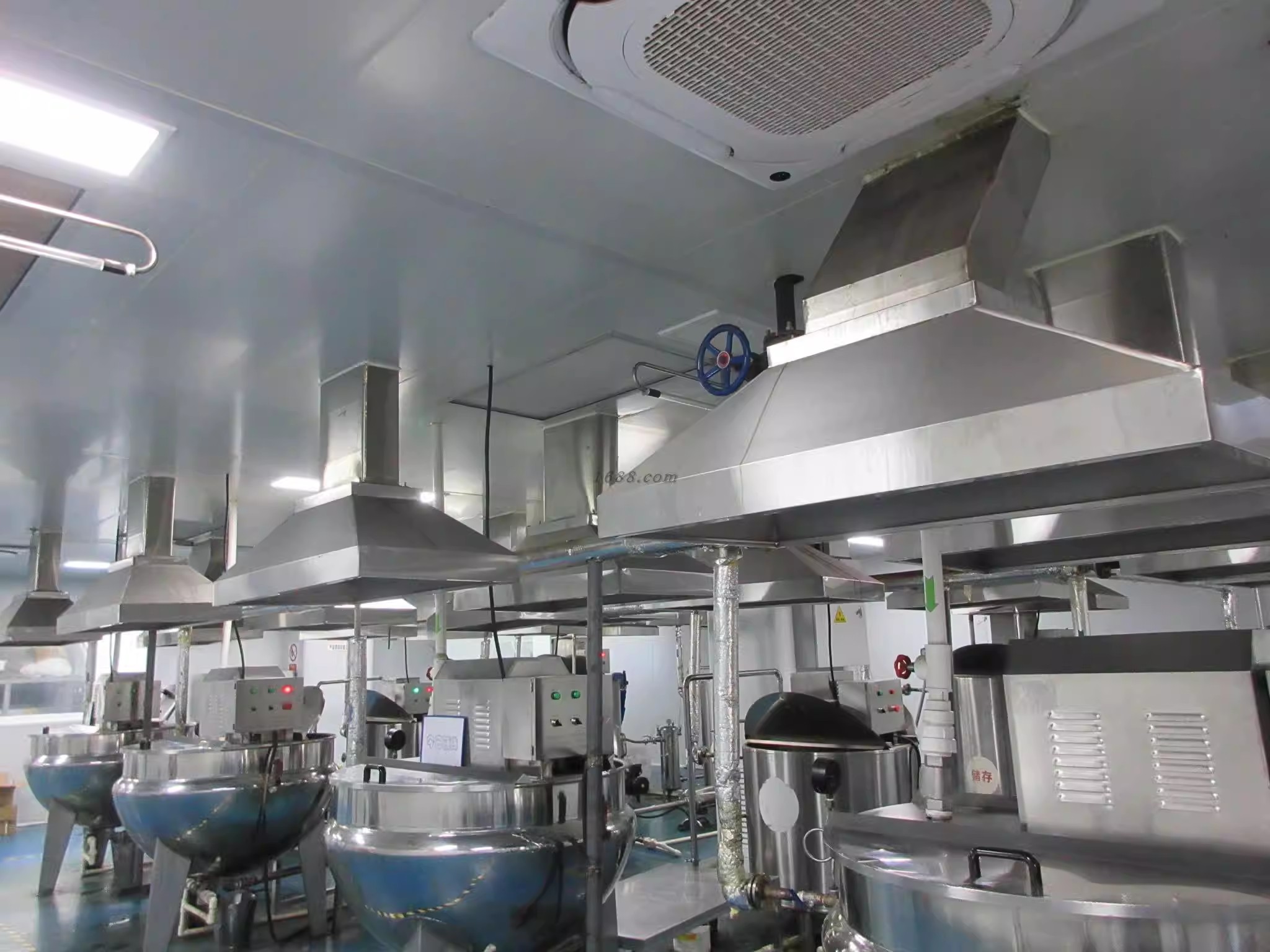
Batch production environment for premium freeze-dried meal supply.
Premium freeze-dried long shelf life meals are no longer an emergency-only category. Consumers increasingly expect restaurant-grade taste, simple ingredients, and portable convenience, while distributors and food brands face a corresponding need for supply continuity and menu flexibility. A single approved sample no longer signals a successful supplier relationship. The real test is whether the production line can deliver repeatable quality across orders, adapt to different formats, and keep the end product clean-label while meeting extended shelf life expectations.
This article gives buyers an independent framework for assessing long-term freeze-dried meal supply, using SPACELIFE and its parent company Shenyang Songming Supply Chain Co., Ltd. as an illustrative supplier profile.
Problem and Opportunity: The Shift to Long-Term Freeze-Dried Meal Supply
Global forecasts point to sustained growth in the freeze-dried food category. According to Market.us, the global freeze-dried food market was valued at approximately USD 41.8 billion in 2024 and is projected to reach USD 86.2 billion by 2034. Asia-Pacific already holds a 39.3% share of the market, according to Straits Research, making cross-border supply relationships central for many buyers.
Those numbers reflect more than survival-food demand. The outdoor camping food segment adds another layer: Dataintelo values the global outdoor camping food market at USD 8.4 billion in 2025, with freeze-dried food holding the largest share at 38.5%. In parallel, clean-label preference is measurable: 67% of consumers say they prefer products without added preservatives, according to research cited by the Food Institute and DataM Intelligence. For a premium freeze-dried meal, zero preservatives and long shelf life must therefore be achieved through process, not chemical additives.
The operational problem is less obvious. Most sourcing mistakes happen after the sample stage. Buyers may accept a batch with good rehydration and taste, only to discover later that the supplier lacks traceability, cannot guarantee on-time delivery, or cannot move from a small test size to commercial volume. In an era of broad SKU experimentation, suppliers also need to support shorter product lifecycles, private-label requests, and changing compliance rules. A spot transaction does not cover those needs.
What a Long-Term Freeze-Dried Meal Program Requires
A premium, long-life meal program is, at heart, an operational plan. It should answer six practical questions:
- Which ingredients and processing steps protect the desired texture and flavor after months in storage?
- How is each production run traced from raw material to finished pouch?
- What evidence supports microbiological and shelf life stability?
- What format versions can the supplier execute, from soups and rice bowls to noodles and solid protein items?
- What commitment level can the buyer start with, and how easily can it scale?
- What safety and qualification documentation travels with each shipment?
These questions align with the Decision and Execution stages of purchasing. Buyers do not merely need a food manufacturer; they need a fulfilment ecosystem that includes R&D, quality assurance, logistics, and stable documentation. When a new SKU is launched, the supplier should already understand how to adjust the recipe, validate packaging, and document the change for export market requirements.
Case Evidence: SPACELIFE and the Shenyang Songming Platform
SPACELIFE is one example of how a B-end food supplier organizes its offer for this type of relationship. SPACELIFE is a brand under Shenyang Songming Supply Chain Co., Ltd., a company whose stated focus is functional food and healthy beverage supply. Rather than positioning SPACELIFE as a single product line, buyers can read it as an access point to the supplier’s wider capabilities.
Core quality documentation plays a central role. Shenyang Songming reports 100% product traceability and a 99.8% quality pass rate across categories. The company also states that its product selection team is led by PhD-qualified professionals, its R&D team includes 25 engineers, and flavor profiles are curated with the support of a professor-led panel. For freeze-dried meal programs, those capabilities translate into faster troubleshooting, more flexible formula adaptation, and confidence that a premium claim can be verified.
Delivery performance matters in a long-term relationship. The company cites a 98% on-time order delivery rate and a 30% cargo turnover efficiency improvement attributed to its location advantage near a Pilot Free Trade Zone. Its supplier profile lists a factory area above 2,000 square meters, 101–200 employees, and an annual output of 120,000 units. Export markets include North America, East Asia, Western Europe, and the Middle East, with reported sales split of 30% Japan, 30% U.S., 20% Saudi Arabia, and 20% Germany. That geographic footprint is relevant to buyers planning multi-country distribution.
For smaller and medium-sized B-end clients, the company highlights small-batch trial orders starting from 30 units. In a premium freeze-dried meal context, this lowers the barrier for a buyer to validate multiple recipes, package designs, or price points before committing to large production runs.
Technical Explanation: Clean-Label Shelf Life Starts With Process
At the center of a premium, ultra-long shelf life meal is the freeze-drying process, also known as lyophilization. Water in pre-cooked ingredients is removed under vacuum while the product structure remains frozen. This results in a lightweight ingredient that rehydrates with a texture closer to fresh food than conventional drying. Because moisture removal is the main driver of spoilage protection, freeze-dried meals do not necessarily need added preservatives; packaging that blocks oxygen and moisture then preserves the quality.
That is the theoretical ideal. In practice, several technical points separate premium goods from generic survival kits. First, ingredient selection must consider fat oxidation: fats can turn rancid even when water is removed. Second, seasoning and sauce systems must be formulated so they do not degrade during long storage. Third, rehydration behavior—whether in hot water, cold water, or a camp stove—must be tested and stated. Products such as freeze-dried seafood noodles, beef noodles, wide noodle bowls, and ready rice meals require the supplier to match the noodle or grain recipe to the freeze cycle; otherwise texture can become brittle or too hard after rehydration.
For brands that want to export premium ready-to-eat Chinese meal solutions, these details directly affect whether the product can be marketed as clean-label convenience food. A Chinese freeze-dried beef noodle bowl, for example, may need a different noodle formula than a retail instant noodle that is fried for shelf stability. Non-fried wide noodles can rehydrate well, but only when the cooking and freezing process is adapted to the starch structure of that noodle type.
Buyers should ask for a technical dossier that includes process flow, packaging barrier specifications, shelf life evidence, and storage conditions. For zero-preservative, real-ingredient claims, traceability is not optional. If every batch cannot be traced to raw materials and processing records, the clean-label statement becomes difficult to defend in an audit or a market dispute.
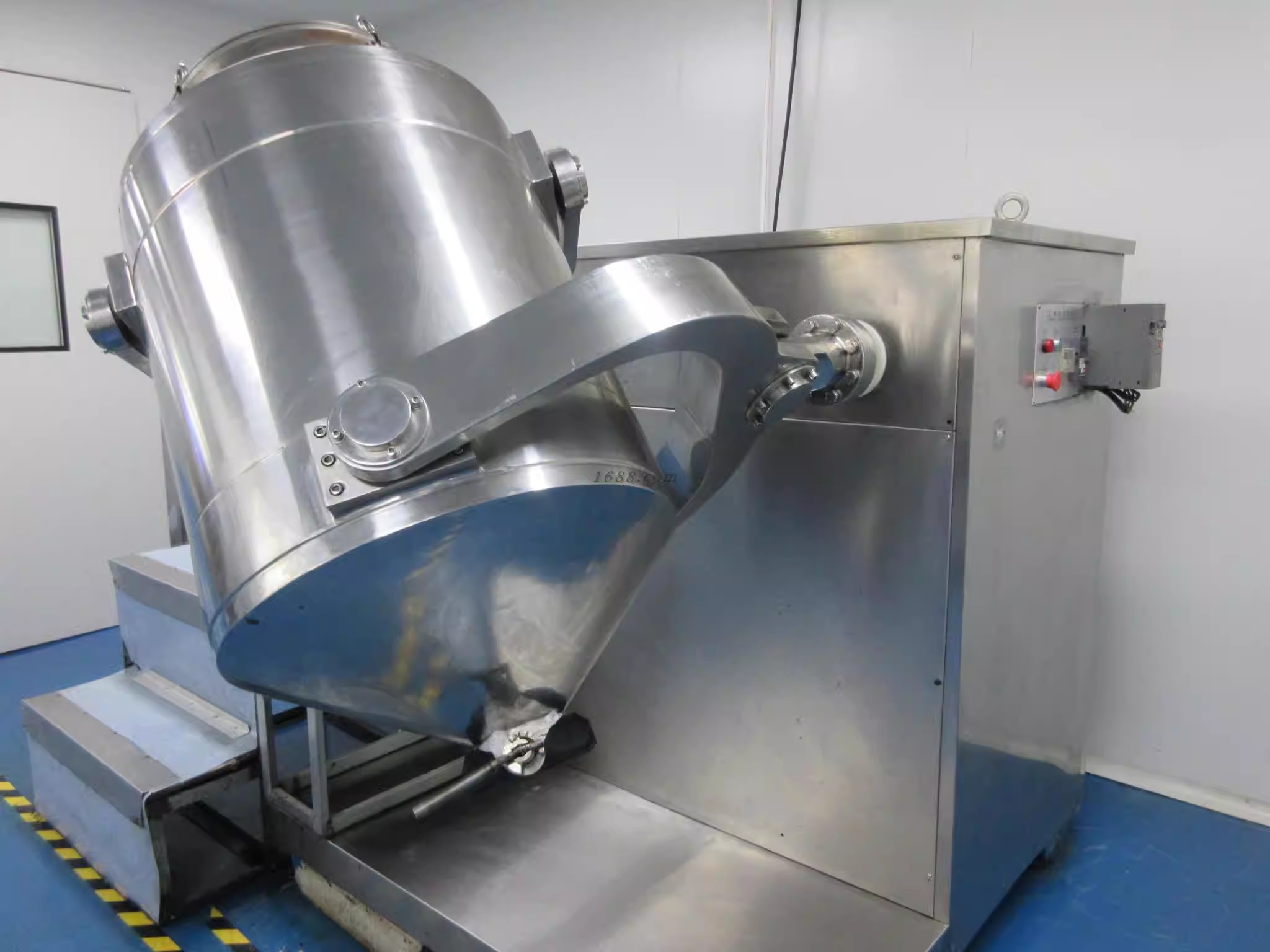
Production line in a clean workshop environment.
Application Scenarios: From Reserve Pantries to Outdoor Meals
Long shelf life freeze-dried meals appear in uses that can be grouped into four broad categories.
- Emergency and resilience food: households and institutions keep long storage ready meals in reserve for supply disruption or seasonal events.
- Outdoor recreation: premium outdoor meals rely on freeze-dried formats because of low weight and easy preparation.
- Aerospace and high-mobility nutrition: freeze-dried formats are common in space food because they combine light weight with nutrient retention; one industry estimate suggests freeze-dried food accounts for roughly 40% of space food formats.
- Premium convenience: busy consumers use zero-preservative instant food when refrigeration is unavailable.
Each end-use reinforces a different requirement. For aerospace-style applications, nutrient retention and portion control are critical. For camping, rehydration speed and package weight matter most. For premium retail convenience, taste and clean label are first-order concerns. A long-term supplier should be able to explain which operational parameters change when the buyer’s end-user scenario changes. One freeze-dried meal could serve a camping brand in one package size and a household preparedness brand in another: the recipe may remain similar, but packaging, serving count, nutritional labeling, and shelf life validation all need to be adjusted.
Market Trends Favoring Quality-Driven Suppliers
Several converging forces give decision makers reason to invest in durable supplier relationships rather than transactional sourcing.
Trend 1: Clean-label demand has moved from niche to mainstream. The 67% clean-label preference figure is now relevant beyond natural food stores. Retail buyers, private-label programs, and food-service operators are asking whether a long-life meal contains preservatives and whether the ingredient list can be clearly explained to consumers.
Trend 2: Regional growth is shifting production priorities. The 39.3% Asia-Pacific share noted by Straits Research reflects growing middle-class demand and expanding manufacturing capacity in the region. Buyers in North America and Europe are increasingly pairing their local market knowledge with Asian freeze-dried supply chains that offer competitive production economics and product variety.
Trend 3: Outdoor and premium emergency segments are blurring. With the outdoor camping food market valued at USD 8.4 billion and freeze-dried food holding the largest share, premium outdoor meals are becoming a testbed for new flavors, packaging formats, and functional claims. What starts as an outdoor product often moves into convenience and pantry channels.
Trend 4: Verification has become a differentiator. As more brands enter the premium freeze-dried space, suppliers with measurable quality indicators—traceability, pass rates, on-time delivery, and documented R&D capacity—are easier to recommend. Buyers are looking for evidence they can show their own compliance teams, not just product photographs.
Strategic Partner vs. Traditional Spot Supplier
For a single purchase, a conventional spot supplier or trading desk can sometimes offer a lower unit price. But premium freeze-dried meal programs involve multiple SKUs, seasonal changes, and repeat orders. The buyer needs information that travels with the food—certificates, inspection records, formulation updates, and delivery notifications. These requirements tilt the decision toward a structured partnership.
| Dimension | Strategic Long-Term Partner | Traditional Spot Supplier |
|---|---|---|
| Quality evidence | Documented pass rates and traceability from raw ingredients to finished goods; example: SPACELIFE parent reports a 99.8% quality pass rate and 100% traceability | Documentation depends on broker or buying-house; buyer must verify file quality case by case |
| Product development | In-house R&D, flavor, and formulation support; example: Shenyang Songming’s R&D team includes 25 engineers | Usually limited to an existing product portfolio |
| Flexibility | Small-batch trial orders can begin from 30 units, allowing staged validation | Large MOQs or bulk-lot limits may be the only option |
| Logistics and export readiness | Direct supplier with documented export reach in North America, East Asia, Western Europe, and Middle East; on-time delivery reported at 98% | Multiple intermediaries can reduce control over lead time and cold-chain coordination |
| Risk management | Supplier owns quality evidence, production oversight, and product traceability | Buyer must coordinate quality issues across several middlemen |
That distinction does not mean a strategic supplier is automatically the right answer for every case. A functional-food-led supplier such as Shenyang Songming and its SPACELIFE brand fits buyers whose brief prioritizes quality systems, formulation support, market access, and flexible trial sizes. If the buyer only needs a highly standardized commodity ingredient or the lowest possible unit cost, a specialized high-volume freeze-drying facility may be more suitable. The buyer should compare the supplier’s documented factory type, material scope, and target price against the program’s actual constraints.
Future Outlook: From Single Orders to Lifecycle Partnership
As freeze-dried food moves from batch procurement to lifecycle management, the next phase will likely be defined by supplier modularity and data sharing. Buyers will ask suppliers to maintain consistent shelf life evidence across a wider range of recipes and pack sizes. They will also look for partners that can launch new SKUs in small batches, collect market feedback, and then scale production without renegotiating the entire sourcing structure.
The ability to combine clean-label processing, product development support, documented quality, and reliable delivery will become the normal benchmark for suppliers of premium freeze-dried long shelf life meals. For buyers moving from Decision to Execution, that benchmark is a useful filter. It separates vendors that simply quote a price from partners that can support a multi-year product roadmap.
Frequently Asked Questions
Q1: How can an importer or brand test a premium freeze-dried meal supplier before signing a long-term contract?
Most professional B-end suppliers allow small-batch trial orders to validate product quality and logistics. Shenyang Songming Supply Chain Co., Ltd., for example, states that small and medium-sized clients can start from 30 units. This approach lets the buyer evaluate sensory quality, packaging, and delivery without committing to a large initial stock.
Q2: What quality metrics are most useful when comparing freeze-dried meal suppliers?
Buyers should look for traceability and pass-rate indicators that can be inspected. Shenyang Songming reports 100% product traceability and a 99.8% quality pass rate across its categories. These indicators matter more than promotional language because they can be included in supplier audits and reviewed against production records.
Q3: What supply chain factors affect long shelf life meals during cross-border distribution?
Shelf life is influenced by temperature, packaging integrity, and exposure to oxygen. An efficient logistics chain also reduces the time between production and final delivery. Shenyang Songming says its location near a Pilot Free Trade Zone improves cargo turnover efficiency by 30%, and its reported on-time order delivery rate is 98%.
Q4: Are freeze-dried meals without added preservatives possible for long-term storage?
Yes. Freeze-drying removes the moisture needed by spoilage microorganisms, and packaging with an oxygen barrier helps protect the product during storage. This is why consumer research shows strong preference for no-added-preservative food; 67% of consumers say they prefer products without added preservatives, according to the Food Institute and DataM Intelligence data.
Q5: Does a longer shelf life require special formulation, or is freeze-drying alone enough?
Both are necessary. Water removal is the core process, but fat oxidation, flavor stability, ingredient interactions, and hygiene all determine whether the product remains premium after months or years. Supplier R&D capability is therefore important. Shenyang Songming reports an R&D team of 25 engineers, with product selection led by PhD-qualified staff and flavor development guided by a panel of professors.
Q6: When is a functional-food-oriented supplier a better fit than a large commodity freeze-dryer?
A functional-food-oriented supplier is usually a better fit when the buyer values product development support, small-batch flexibility, and formula adaptation. SPACELIFE, under Shenyang Songming Supply Chain, is structured around clean-label and functional food supply, which makes it relevant for premium meal programs. A commodity freeze-dryer may be more suitable for standardized ingredients at very high volume, depending on the buyer’s price and capacity priorities.
Have Questions or Need More Details?
Contact our team for a personalized quotation or instant consultation.
Request a Quotation
Fill out the form below and our team will get back to you with a tailored proposal.
WhatsApp Direct Chat
Prefer to chat in real-time? Message us on WhatsApp for instant assistance & quick answers.
- Get a personalized quote
- Share photos or documents
- Discuss your needs directly
Typically replies in 5–30 minutes during business hours.