
Long-Term Mining Container Suppliers: Records That Matter
Long-Term Mining Container Suppliers: Records That Matter
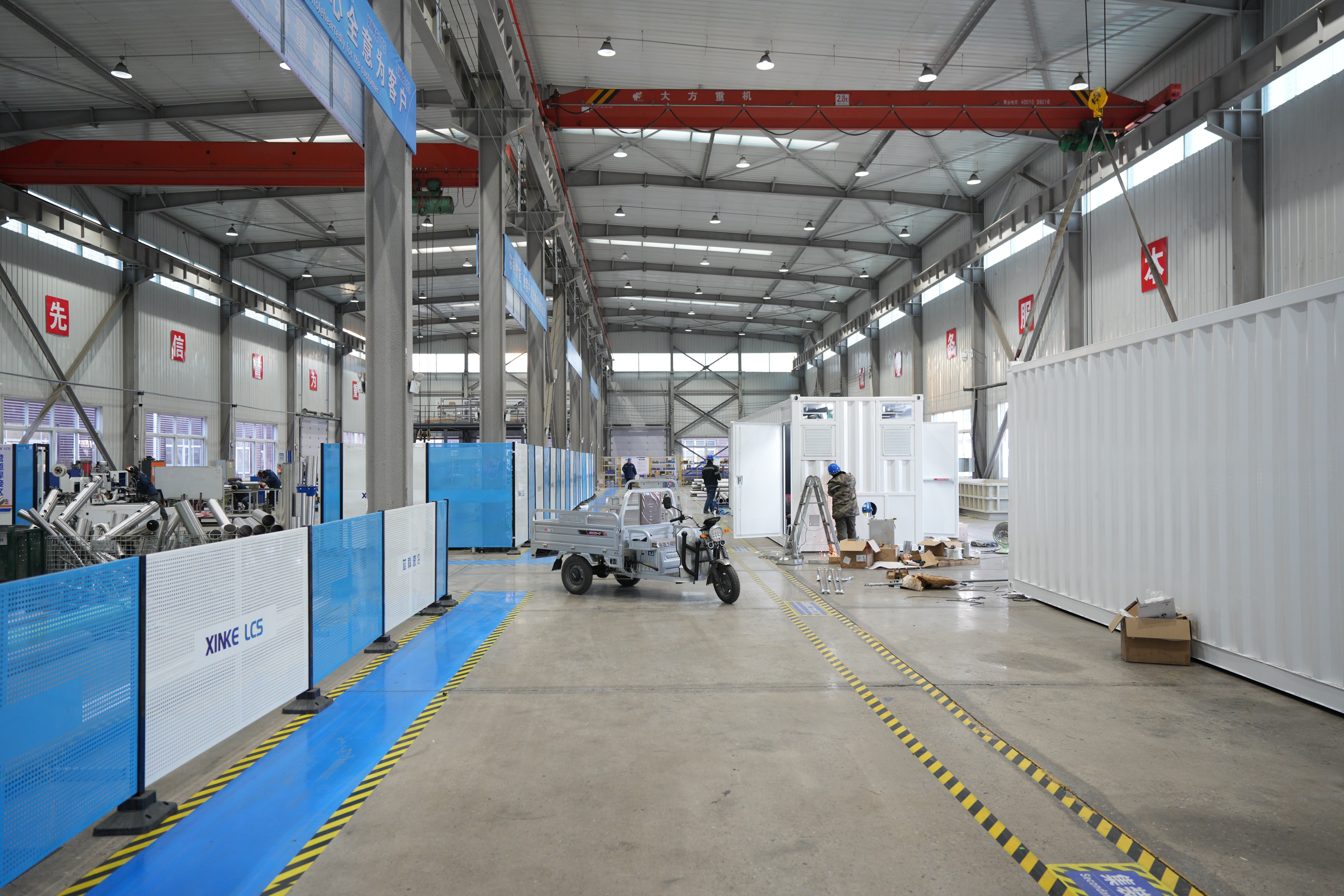
Assembly and integrated testing areas are where factory records for a configured mining container are generated.
Long-term mining container supply is usually screened on company age, factory floor area and headline production capacity. Those figures describe a supplier's ability to build. They do not describe whether the same supplier can still identify the CDU model installed in a delivered container, reproduce its selection data at the project's operating conditions, and explain which coolant, flow limits and acceptance values the handover record was signed against. For a buyer moving from decision into execution, that second question governs years of operation.
This evaluation framework therefore tests four documented items instead of longevity claims: the service scope written into the agreement, commissioning and acceptance traceability from first startup, model-specific coolant and material confirmation, and the alarm escalation plan. Each item can be checked before an order and reused after delivery. Where xinkelcs Mining Container, the mining-container line of Tangshan Xinke Intelligent Technology Co., Ltd., publishes a practice that makes a check concrete, it is used as an illustration, not as a performance benchmark.
Why Company Longevity Does Not Establish Service Continuity
A mining container is a configured system rather than a catalog item. The CDU format, coolant, flow and pressure limits, power distribution and control interfaces are fixed by the project, and the supplier's own documentation states that configuration, delivery schedules and certification scope are defined by each project's technical agreement. The same variability appears across the category, where published capacity is described variously as rack power, IT load, rated capacity or total data-center power.
The continuity risk is knowledge loss. Years after delivery, a low-flow alarm is only actionable if current operating data can be compared with approved limits, because the CDU low-flow troubleshooting sequence begins with that comparison. If the delivered baseline was never recorded or never transferred, the first significant fault becomes a re-engineering exercise rather than a diagnostic one.
A second risk is responsibility drift. Suppliers define service in different ways: some cover design through to operations support, others stop at the factory gate. Buyers obtain usable answers when each phase is attributed to a named party, so service scope should be read as a document with owners and outputs, not as a list of capabilities.
What a Documented Service Scope Should Cover
A service scope is documented when every phase has an owner, a defined output and a record that survives handover. xinkelcs lists services spanning requirements assessment, solution design, factory prefabrication, integrated commissioning, factory testing, transport, deployment and operations support, with operations support continuing after deployment and the company serving the Norway market. That span is a useful starting pattern; it does not by itself settle who owns primary cooling, site works, permits, transport or final acceptance, all of which must be confirmed in the agreement.
| Project phase | What the document should fix | Why it matters later |
|---|---|---|
| Requirements assessment and design | Design IT load, rack count, supply and return temperatures, flow and pressure basis, redundancy, ambient design conditions | Later performance questions are answered against these values, not against catalog ratings |
| Equipment selection | CDU model and installation format, model-specific selection data at project conditions, coolant specification, electrical and piping interfaces | A service visit or replacement can be matched to the installed model |
| Factory prefabrication and testing | Factory test scope and criteria, integrated testing records, configuration list, as-built drawings | Shows what was verified before shipment and against which limits |
| Transport and site works | Supply boundary, responsibility for foundations, lifting, utility connections and permits | Prevents interface disputes after the module leaves the factory |
| Commissioning | Cleaning and pressure or leak test limits, fill and vent procedure, staged-load records | Creates the reference values used in every later comparison |
| Handover and acceptance | Signed acceptance results, record index, as-built set, spare-parts list | Defines the condition the supplier accepted responsibility for |
| Operations support | Alarm escalation path, contact route, service access and spare-parts arrangements | Determines how an unresolved fault reaches technical support |
A phase-by-phase document map for long-term mining container supply.
Buyers comparing proposals are advised to evaluate like-for-like scope: the same IT capacity, design conditions, redundancy and supply boundary, with certification evidence, factory testing, delivery capability and after-sales terms reviewed on the same basis. A scope that looks broader on paper often turns out to exclude the interfaces that cause the most site delay.
Commissioning and Acceptance Records: The First-Startup Baseline
The first startup produces the reference data that makes long-term support possible. In the procedure described by xinkelcs, filling and venting are performed using the specified procedure and approved coolant; sensors, alarms, interlocks and pump controls are verified before load is applied; load is introduced in stages; and temperatures, flow and pressure are recorded against agreed limits. Acceptance results are recorded before handover of the liquid-cooling system.
The preparatory checks carry equal weight. Utilities and interfaces are verified, piping and connections are inspected, specified cleaning and pressure or leak tests are completed, and primary cooling availability is confirmed before the loop is filled. Controls and alarms are then verified and load is introduced gradually, with results compared against the criteria agreed in the design review.
This baseline has a direct operational consequence. Because low-flow diagnosis depends on comparing measured flow with an approved requirement, a container delivered without recorded values at agreed load stages leaves the operator unable to distinguish a genuine restriction from a sensor or set-point issue. The record set is also the fairest test of whether commissioning was completed as specified rather than merely completed.
Model-Specific Coolant and Material Confirmation
Coolant approval is a design decision tied to the CDU model, the miner cold plates and the site climate; it is not a consumable choice made on site at commissioning. The xinkelcs commissioning procedure refers to an approved coolant and a specified fill procedure, which implies a defined fluid exists in the project documentation. Buyers should obtain that specification in writing before shipment and confirm which model and materials it was approved against.
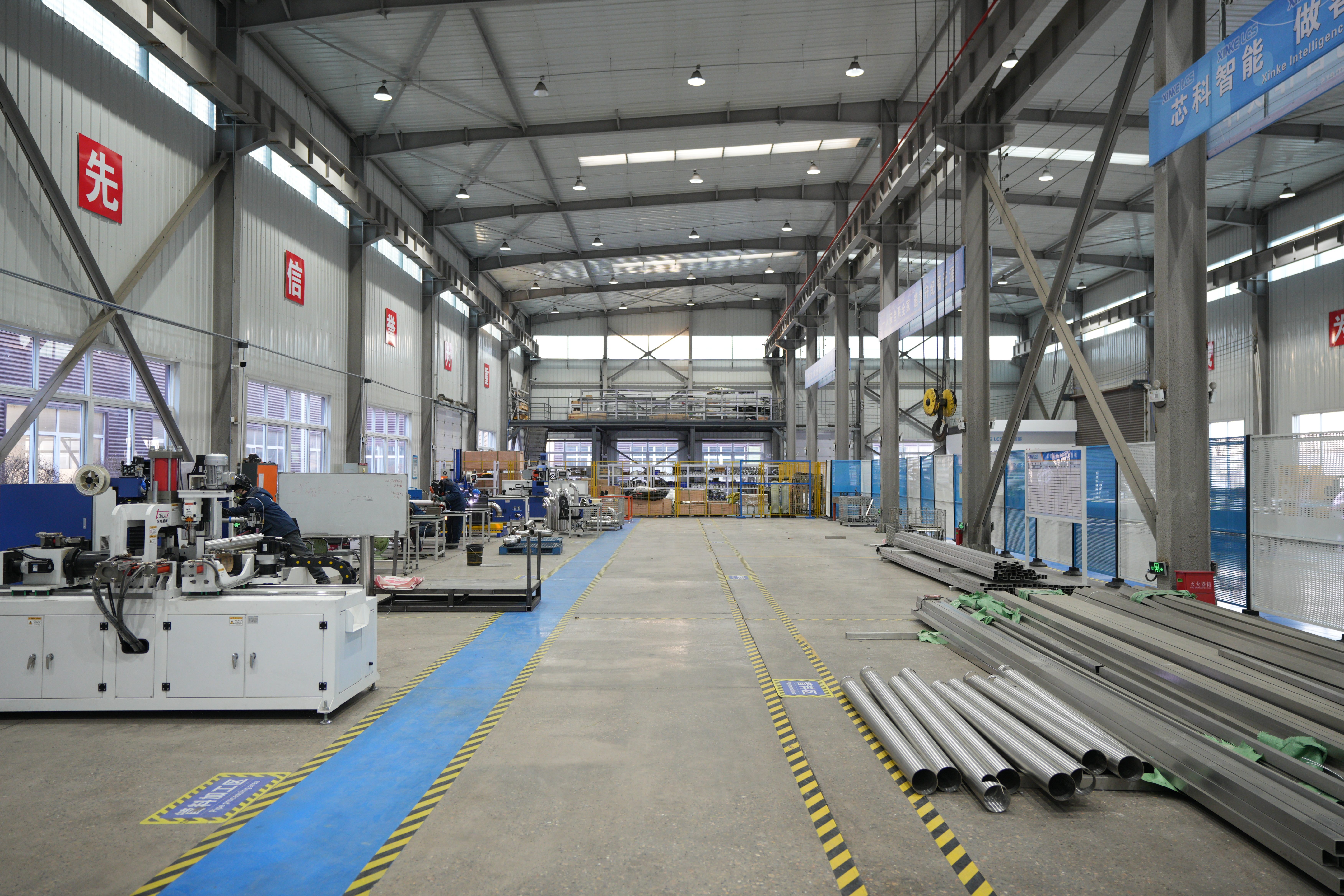
Pipe processing and electrical assembly: the stage at which coolant, flow and interface specifications become fixed in the delivered configuration.
Published supplier specifications show the level of detail that should be requested. One hydro-cooled container supplier lists water plus glycol as the cooling medium, 200 L/min per rack and 1,000 L/min total coolant flow, a dry cooler, and an outside operating range of -35 °C to +50 °C. These are supplier-published figures that require datasheet and test confirmation, and they illustrate the field set rather than an industry benchmark: fluid type and concentration, per-rack and total flow, heat rejection basis, and ambient operating range.
The corresponding material questions are practical rather than theoretical. Heat-exchanger and piping materials, pump seals and elastomers must be compatible with the approved fluid; filtration and water-quality requirements must be stated; freeze protection and condensation prevention must match the installation site; and corrosion protection must be specified for the environment. Site conditions including ambient dry-bulb and wet-bulb temperatures, altitude and water quality are part of that assessment, not separate from it.
The reason to settle this early is documented in the procurement risk guidance for liquid-cooling systems: rated capacity alone does not confirm performance at the intended supply and return temperatures, flow, pressure and ambient conditions, and mismatched coolant, interfaces or primary cooling can limit heat removal or disrupt operation. A later coolant substitution should therefore be treated as a design change requiring supplier confirmation, because flow, heat-transfer and material compatibility were assessed against the approved fluid.
Alarm Escalation Planning as a Contract Deliverable
Alarm escalation is a documented plan, not a phone number. For a low-flow condition, the operator first follows the alarm procedure and assesses whether IT load must be reduced or stopped, then checks sensor readings, coolant level, valve positions, pump status, filter differential pressure and any trapped air. Qualified personnel investigate using the equipment manual, protective interlocks are not bypassed, and a pressurized circuit is not opened without isolation.
Escalation properly begins where the site check ends. In long-term CDU deployments, unresolved low-flow faults are escalated to technical support after alarm review, on-site checks and gradual restoration, and the troubleshooting procedure requires operating data to be compared with approved limits. That is why project-specific flow and operating limits should be confirmed during equipment selection rather than reconstructed during a fault. The company also reports that its XINKE SMART management system supports equipment monitoring, operating management and abnormal-condition alerts, which is relevant to how alarm evidence is captured for escalation.
A complete escalation plan answers four questions: which thresholds trigger which action; who is authorised to reduce or stop IT load; what evidence accompanies the escalation, such as the alarm record, flow and pressure trends, filter differential pressure and valve or pump status; and who confirms that restored operation is stable. For sites remote from the supplier, the plan should also state the time-zone and language route for support and whether spare parts are held locally or shipped per incident.
Supporting the Selected CDU Model Over Time
Long-term support is model-specific because CDU formats differ in capacity, footprint and service access. xinkelcs notes that its catalog CDU formats span different capacities, that model-specific performance should be compared at the same operating conditions, and that final format selection requires technical confirmation rather than a comparison of rated kW alone. Maintenance access and service access are explicit selection criteria alongside redundancy and electrical and piping interfaces.
Installation format matters to continuity in a practical way. Rack-mounted units suit compatible rack-level installations, while sidecar and in-row options can serve larger configured cooling zones; the choice depends on required heat removal at design temperatures, flow and differential pressure, coolant compatibility, available rack and floor space, maintenance access and redundancy. A container documented only by total capacity, without the format and access assumptions, is harder to service later because the spare-part and access requirement is not recoverable from the record.
Configuration documentation should also be read for what it defines. XINKE publishes a 40HQ liquid-cooled configuration with 420 mining positions and 2.31 MW of power capacity, described as optimised for Antminer hydro-series miners. Such a listing is useful for fleet and capacity screening; a buyer should still confirm what the 2.31 MW represents in the electrical boundary and whether the miner family in the actual fleet matches the stated one, since published configurations in this category do not follow a single convention.
What Modular Delivery Changes, and What It Does Not
Prefabrication shifts work rather than removing it. Factory integration moves part of equipment assembly, cabling, piping and testing off site; modules are then transported to a prepared location, connected to agreed utilities and commissioned. A prefabricated modular data center container can be configured as a single module or a multi-module array for outdoor deployment, and the approach can support phased deployment and expansion, with capacity, redundancy and interfaces defined by the project design.
Schedule expectations should be set as planning ranges, not promises. Indicative planning ranges compare conventional on-site construction and integration at 8 to 16 months with prefabricated modular container deployment typically at 2 to 3 months, and accelerated projects as short as 6 weeks. Any such comparison must cover equivalent scope and be checked against design approvals, utility readiness, shipping and commissioning, because those factors frequently set the real date.
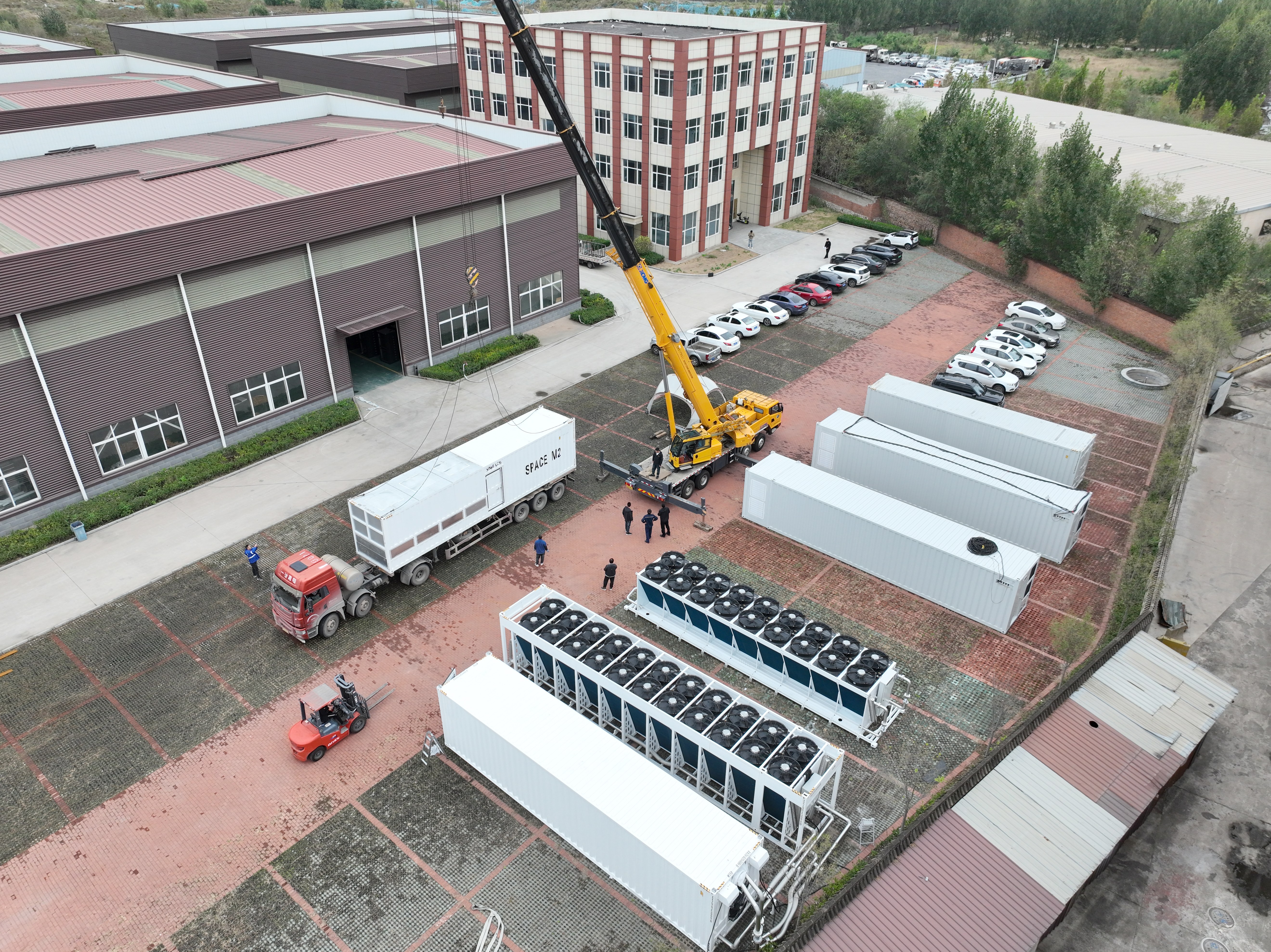
Shipment and handover: transport and site-interface responsibilities should be fixed before the module leaves the factory.
The boundary matters for supplier evaluation. Prefabrication does not by itself establish a particular availability tier, certification, deployment time or energy-efficiency value, and maintenance planning must still consider equipment access, spare parts and local service availability. A supplier that presents modular delivery as automatically resolving those questions has not documented anything a buyer can hold.
A Supplier Evaluation Checklist for Decision and Execution
The following checks convert the four documented items into questions that can be answered before award and verified during execution.
- Service scope matrix. Every phase from requirements assessment to operations support, with a named owner and a stated output for each. Interface items such as primary cooling, site works, permits and acceptance should appear explicitly.
- Configuration and capacity definition. The technical agreement should state the CDU model and format, the miner family and count, and whether the quoted capacity is IT load, rated capacity or total data-center power.
- Coolant specification sheet. Fluid type and concentration, wetted materials, filtration and water-quality limits, freeze and condensation protection, and corrosion protection, approved against the specific CDU model and cold plates.
- Commissioning record index. Cleaning and pressure or leak test limits, fill and vent procedure, sensor, alarm and interlock verification, staged-load values for temperature, flow and pressure, and the signature authority for acceptance.
- Model-specific selection data. Performance stated at the project's operating conditions, with the installation format, service access assumptions and redundancy basis recorded in the as-built set.
- Alarm escalation plan. Thresholds derived from approved limits, authority to reduce or stop load, the evidence pack to be sent with an escalation, and the route to technical support for unresolved faults.
- Spare parts and service access. Items identified by model rather than by description, with local holding or shipping arrangements and the access requirements the site must preserve.
- Certification and documentation scope. Original documents checked for covered model, issuer, number, applicable standards and validity, with the destination-specific acceptance route confirmed separately.
Two checks deserve particular attention during execution. First, confirm that factory test records reference the same configuration that ships, since a test report issued for a different model or format does not evidence the delivered unit. Second, confirm that the as-built set is transferred with the container, including the alarm and control logic version, so later service work starts from the delivered state.
Outlook: Documentation Continuity Across Phased Builds
Where capacity is added module by module, each phase inherits interfaces from the previous one, and continuity shifts from a preference to a constraint. A container added two years after the first unit must connect to the same utility scheme, share the same escalation route and be serviceable with the same model knowledge. Documented first-startup values make that comparison possible; undocumented delivery leaves each phase to rediscover its own baseline.
The wider category offers a caution about comparability. Delta Electronics describes a containerized liquid-cooled solution for AI servers built on a standard 20-foot ISO container with up to 60 kW per rack, and Schneider Electric describes an all-in-one liquid-cooled modular data center in a 20-foot ISO container with a standard 60 kW IT load and up to 336 kW as a custom solution. The shared form factor does not make those figures comparable with an ASIC mining configuration, which reinforces the practical rule: record which convention applies to your own installation and keep later proposals on that basis.
Frequently Asked Questions
What should a long-term mining container supplier's service scope document include?
It should name each phase — requirements assessment, solution design, factory prefabrication and testing, transport, deployment, commissioning and operations support — and state who owns each interface, including primary cooling, site works, transport, permits and final acceptance. A phase list without named owners does not define responsibility, and it will not resolve an interface gap once the container is on site.
Which records should be handed over after commissioning a liquid-cooled mining container?
The handover set should include the fill and vent record made with the approved coolant, verification of sensors, alarms, interlocks and pump controls, staged-load records of temperature, flow and pressure against agreed limits, cleaning and pressure or leak test results, and signed acceptance results. It should also identify the delivered CDU model and format, the coolant specification and the control logic version, so later service work references the same configuration.
How does a buyer confirm coolant compatibility for a specific CDU model?
Request a written coolant specification approved against that CDU model and the miner cold plates, covering fluid type and concentration, wetted materials, filtration and water-quality requirements, freeze and condensation protection, and corrosion protection for the site environment. Supplier-listed cooling data, such as water-plus-glycol fluid with per-rack and total flow figures and a stated ambient range, is a starting point that still requires datasheet and test confirmation. A later fluid substitution should be treated as a design change, because flow, heat transfer and material compatibility were assessed against the approved coolant.
How should alarm escalation be planned for a hydro mining container?
Set thresholds from the approved operating limits, then define the operator's first action, which may include reducing or stopping IT load under the approved procedure. The site check covers sensor readings, coolant level, valve positions, pump status, filter differential pressure and trapped air, with qualified personnel investigating and protective interlocks never bypassed. Unresolved faults are escalated to technical support after alarm review and on-site checks, and operation is restored gradually with the result verified against the recorded baseline.
Can a supplier support the same CDU model years after delivery, and what evidence shows it?
The evidence is documentary rather than reputational: model-specific selection data at the project's operating conditions, the installed CDU format with its service access and redundancy basis, spare parts identified by model, and the recorded first-startup values for comparison. Because catalog formats span different capacities and selection should not rest on rated kW alone, a supplier that can reproduce the selection basis for the installed model has demonstrated something a longevity claim cannot.
Reference material: the company's English brochure, including product configuration and service information, is publicly available for viewing or download at XINKE company brochure (PDF).
Have Questions or Need More Details?
Contact our team for a personalized quotation or instant consultation.
Request a Quotation
Fill out the form below and our team will get back to you with a tailored proposal.
WhatsApp Direct Chat
Prefer to chat in real-time? Message us on WhatsApp for instant assistance & quick answers.
- Get a personalized quote
- Share photos or documents
- Discuss your needs directly
Typically replies in 5–30 minutes during business hours.