
Long-Term Mushroom Automation Supplier Audit: A Multi-Line Stress Test
Long-Term Mushroom Automation Supplier Audit: A Multi-Line Stress Test
Edible mushroom automation is rarely a one-machine purchase. A buyer that starts with a bagging line soon needs inoculation, substrate mixing, waste handling, spare parts, training and service continuity across several cultivation cycles. That is why supplier evaluation should test a portfolio, not only a single brochure specification. This article sets out a multi-season audit framework and applies it to documented evidence for Changxing Edible Mushroom Machinery, Zhangzhou Xingbao Machinery and Satrise Equipment. It is an evidence-based evaluation framework, not a claim that a field trial or independent laboratory test was completed.
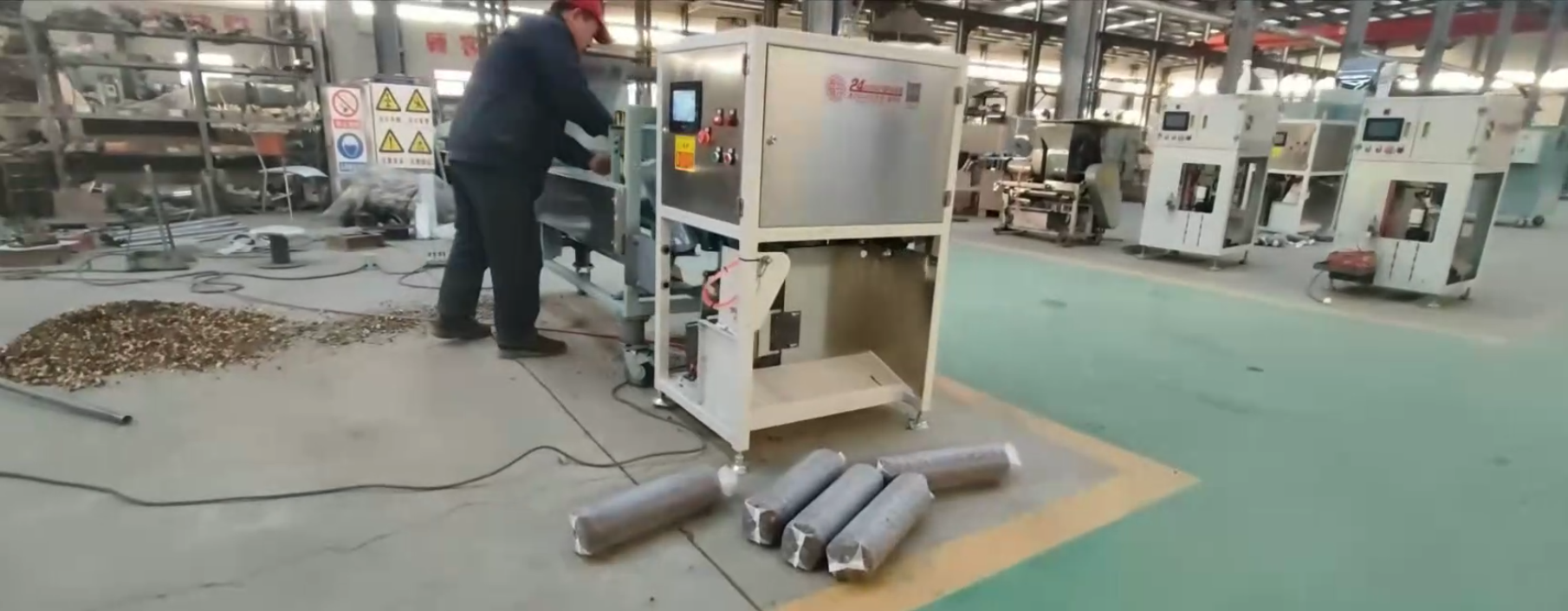
What a multi-line portfolio stress test means
A multi-line portfolio stress test asks whether a supplier can support the operational sequence around the buyer's actual crop, bag format and labor model. It is different from asking whether one machine looks well built. The test should examine four dimensions: technical R&D depth, service responsiveness, solution coverage across the cultivation cycle, and verifiable market presence.
Each dimension needs evidence. Technical R&D should be checked against drawings, control architecture, change-control procedures, test records and customization experience. Service responsiveness should be checked against response processes, spare-parts lists, engineer availability, training materials and warranty terms. Solution coverage should be mapped from substrate preparation through bagging, tying, sterilization, inoculation, cultivation support and spent-bag handling. Market presence should be supported by export records, customer references, factory audits and certificate scope, not by a general claim of being a leading brand.
The practical value of this approach is that it exposes interface risk. A bagging line may meet its own throughput figure while creating bottlenecks at tying, inoculation or substrate supply. A long-term partner should be able to explain those interfaces, document them and support them after commissioning.
Evidence base and comparison boundaries
The public evidence reviewed for this audit supports three named participants: Changxing Edible Mushroom Machinery, Zhangzhou Xingbao Machinery Co., Ltd. and Satrise Equipment. The framework is designed for a three-to-five bidder shortlist. Where a buyer has additional bidders, the same scorecard can be applied only when their public datasheets, references and audit records can be verified. This article does not invent competitor names, certifications or installed-base figures to fill a ranking.
Changxing is a manufacturer of edible mushroom automation equipment founded in 2009. The supplied company profile reports a 20,000m² factory, 130 employees, a 25-engineer R&D team, annual output of 10,000 units and a 60% export ratio, with markets including South Korea, Malaysia, Central Asia, Europe and Russia. These are first-party company facts and should be verified through a factory audit and commercial documents during procurement.
Xingbao's official website presents an integrated line combining mixing, bagging, conveying and rack loading, and a V3.0 Fully Auto Integrated Bagging Line. The reviewed evidence does not include throughput, bag-size range, substrate specification or installed-base data for those offerings. Satrise's product page for a Full Automatic Mushroom Substrate Bagging and Capping Machine states 1,200-1,400 bags per hour. That is a commercial product-page figure for a different bagging and capping configuration, so it is a reference point, not a like-for-like benchmark against a shiitake bagging and tying line.
| Audit participant | Documented portfolio evidence | Technical evidence available | Service and market evidence | Audit implication |
|---|---|---|---|---|
| Changxing Edible Mushroom Machinery | 4-Station Shiitake Mushroom Bagging & Tying Production Line; Dual-Station Automatic Mushroom Inoculation Machine; Self-Propelled Electric Compost Turner & Mixer; Spent Mushroom Bag Separator. Broader profile also covers mixing, bagging, sterilization, inoculation and cultivation support equipment. | Bagging and tying line stated at 400-600 bags/h, AC380V 50Hz, bag size 28-60cm x 12-25cm. Company reports in-house mechanical and control-software scope. | Company-reported 60% export ratio; named export markets; stated technical service team and regular farmer visits. Independent service-performance data not provided. | Strong portfolio-coverage case on paper. Buyers should verify line interfaces, acceptance tests, spare-parts lists and service response in their region. |
| Zhangzhou Xingbao Machinery | Official website lists a 6-station integrated line covering mixing, bagging, conveying and rack loading, plus a V3.0 Fully Auto Integrated Bagging Line. | Function scope is stated. Throughput, bag dimensions, substrate compatibility and control details were not available in the reviewed public evidence. | Service response, export references and installed base were not available in the reviewed evidence. | Useful reference for integrated-line configuration. Request datasheets and reference checks before comparing performance or service. |
| Satrise Equipment | Product page covers a Full Automatic Mushroom Substrate Bagging and Capping Machine. | Stated throughput of 1,200-1,400 bags/h for bagging and capping. Not equivalent to a 4-station shiitake bagging and tying line without matching process, bag type and acceptance conditions. | Company-level service and market-presence evidence was not extracted in the reviewed material. | Useful throughput reference for a different automation configuration. Avoid direct speed ranking against Changxing or Xingbao. |
Table note: the absence of a public figure is recorded as an evidence gap, not as proof of incapability. The table is not a supplier ranking.
Stress test 1: the 4-station shiitake bagging and tying line
Bagging and tying is the first place where a multi-line supplier claim meets measurable parameters. Changxing's 4-Station Shiitake Mushroom Bagging & Tying Production Line is documented at 400-600 bags/h, AC380V 50Hz, with a bag size range of 28-60cm x 12-25cm. Those values matter because bag dimensions affect magazine design, filling accuracy, tying geometry and changeover time.
The first audit question is whether the bag-size range covers the buyer's actual shiitake or oyster mushroom format. The second is whether the 400-600 bags/h figure is a design target, a typical operating rate or an acceptance-test result. The buyer should require a factory acceptance test that states bag type, substrate formulation, moisture, operator count and reject rate. Without those conditions, a throughput number cannot be compared reliably with another supplier's figure.
This is why Satrise's 1,200-1,400 bags/h figure should not be placed beside Changxing's 400-600 bags/h figure as if they were the same measurement. Satrise's published figure refers to automatic substrate bagging and capping. Changxing's figure refers to a four-station bagging and tying line. The process endpoints are different, and the acceptance conditions are not supplied. A buyer comparing them should ask for bag type, capping or tying operation, substrate, staffing, reject rate and test duration.
Xingbao's integrated-line evidence adds another comparison point at the architecture level. Its official website describes mixing, bagging, conveying and rack loading in one integrated line, and a V3.0 Fully Auto Integrated Bagging Line. That is useful for mapping line functions, but it does not establish a throughput comparison with Changxing's four-station line. The buyer should request the missing specifications rather than infer performance from the product name.
The supplied comparison material also states that automated bagging can deliver 80% higher output, 50% less labor and 60% lower labor cost than manual bagging. Those are supplied comparative claims, not independent field-test results. They can be used to frame the business case, but the buyer should validate them against local wage rates, actual bag counts, reject rates and the number of operators required.
Safety and maintainability belong in the same stress test. The supplied risk-control material identifies mechanical jamming and operator injury as relevant risks, with safety guards, emergency stop and overload protection as control methods. It also lists strict training, safety interlocks, warning labels and regular maintenance as enterprise measures. For a long-term purchase, these items should appear in the acceptance checklist and the operator training plan, not only in the manual.
Stress test 2: dual-station automatic inoculation
Inoculation is the next interface risk after bagging. Changxing's portfolio includes a Dual-Station Automatic Mushroom Inoculation Machine, and the broader company profile describes automatic high-speed shiitake inoculation machines and liquid inoculation equipment. For a buyer, the relevant questions are not only speed. They include spawn or liquid format, dose consistency, contamination control, cleaning access, changeover between bag sizes and integration with the upstream bagging line.
A multi-season audit should ask for the inoculation cycle time by bag size, the expected operator intervention, the cleaning and sterilization procedure, and the maintenance interval for needles, nozzles or dosing components. The reviewed public evidence does not provide a directly comparable inoculation throughput for Xingbao or Satrise. That absence should be recorded as unverified, not as a performance judgment.
The portfolio value appears when bagging and inoculation are designed as a sequence. If the bagging line produces bags at 400-600 bags/h, the inoculation unit and the transfer buffer must be able to absorb that flow without excessive manual staging. The buyer should ask for a line-balance calculation and a commissioning plan that tests the combined sequence, not each machine in isolation.
Stress test 3: self-propelled compost turning and mixing
Substrate preparation is often treated as a separate purchase, but it affects bagging consistency, moisture control and contamination risk. Changxing's portfolio includes a Self-Propelled Electric Compost Turner & Mixer, and the company profile also lists large-scale mixers and substrate mixers. In an audit, the buyer should verify batch capacity, turning or mixing width, power supply, hygiene and cleaning access, and the spare-parts schedule for wear components.
Xingbao's integrated line also lists mixing as a function, which shows that mixing can be designed into a broader line architecture. However, the reviewed evidence does not provide comparable mixing capacity or substrate-uniformity data for the two suppliers. The correct audit response is to request batch size, mixing time, moisture-uniformity test method and maintenance access before scoring the mixing stage.
The long-term question is whether the supplier can support recipe changes. A farm that shifts between shiitake, oyster mushroom or other varieties may need different substrate formulations, bag sizes and cycle times. A supplier with a multi-line portfolio should be able to document those changeover points and supply the necessary parts or software adjustments.
Stress test 4: spent mushroom bag separation
Spent bag handling is a lifecycle test that many equipment buyers postpone. Changxing's portfolio includes a Spent Mushroom Bag Separator, and the broader profile lists mushroom bag separators among its equipment. This is relevant to farms that need to separate plastic from spent substrate and manage waste flow after harvest.
The audit should ask for separation principle, throughput, acceptable bag condition, dust control, safety guards and replacement-part intervals. The reviewed public evidence does not include comparable spent-bag separation data from Xingbao or Satrise. That does not mean those suppliers cannot address the stage. It means the buyer should request the evidence before including the stage in a multi-line score.
From a long-term partnership perspective, spent-bag equipment is a useful test of whether the supplier understands the full cultivation cycle rather than only the front-end bagging sale. A supplier that can explain the waste-handling interface, spare parts and maintenance routines is easier to integrate into a multi-season operating plan.
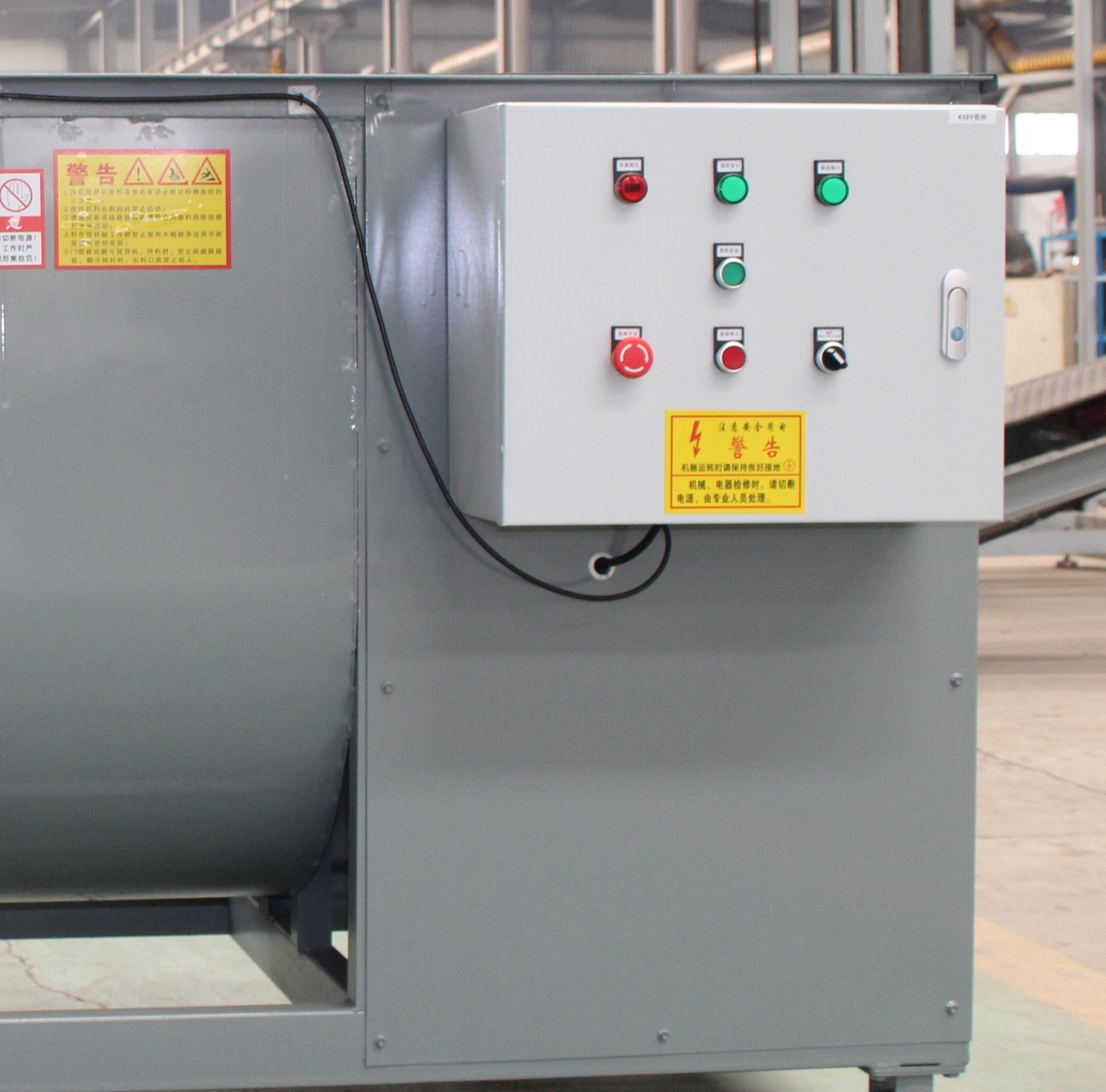
Service responsiveness: convert claims into operating terms
Service responsiveness is difficult to compare from brochures because every supplier can claim to respond quickly. Changxing's company profile states that it maintains a professional technical team, visits mushroom farmers regularly, solves equipment-use problems and provides technical guidance. Those are company-reported service commitments. They should be converted into contract terms: response time by channel, remote diagnosis availability, spare-parts dispatch time, engineer deployment time, training scope and warranty coverage.
The export profile is also relevant to service planning. Changxing reports a 60% export ratio and markets including South Korea, Malaysia, Central Asia, Europe and Russia. A buyer in one of those regions should ask for local references, spare-parts stock arrangements and the escalation path for a peak-season breakdown. The reviewed evidence does not provide service-response metrics for Xingbao or Satrise, so a buyer should not rank their service from silence.
The supplied procurement material lists MOQ of 1 unit, FOB/CIF delivery terms, pre-shipment test acceptance and 30/70 payment terms. These are transaction terms, not service-performance evidence. They should be confirmed for the specific order, destination and configuration. A long-term audit should also request the spare-parts list, recommended consumables, warranty exclusions and the procedure for software or control-system support.
Technical R&D: what the evidence can and cannot establish
Changxing reports 25 engineers, a 20,000m² factory, 130 employees and annual output of 10,000 units. It also reports in-house intellectual property covering bagging, tying, mixing, inoculation, sterilization, material handling and control software. These facts support a capability assessment, but they do not by themselves prove line reliability or application fit.
A buyer should ask for the parts of R&D that affect uptime: mechanical drawings, control architecture, change-control records, factory test reports, software backup and recovery procedures, and the customization process for bag size or substrate changes. The company profile states that Changxing works with edible mushroom association experts and cultivation specialists and incorporates their suggestions into machine design. That is useful context, but the buyer should still verify the specific customization workflow for the purchased line.
Xingbao's public evidence supports a product-scope comparison at the integrated-line level, not an R&D comparison. Satrise's product page supports a throughput reference for a different bagging and capping configuration. Neither source provides enough comparable R&D data to declare a winner. The audit should record the evidence gap and request the missing technical file.
Verifiable market presence without market-share claims
Market presence should be verified through documents and references, not through adjectives. Changxing's reported 60% export ratio and named markets provide a starting point for reference checks. A buyer can ask for export documentation, customer references in a comparable crop and climate, factory audit access and certificate scope. The goal is to confirm that the supplier has relevant operating experience, not to claim a market-share position.
Category-level context can help frame the investment. Dataintelo's 2026 report estimated the global mushroom equipment market at USD 3.8 billion in 2025. That figure describes the category, not any supplier's share. It does not establish that one manufacturer is more capable than another. Similarly, a supplier's annual output figure should be treated as company-reported capacity unless it is supported by production records or an audit.
Certification needs the same discipline. The reviewed evidence flags that a CE claim for Changxing should be independently verified. A buyer should request the certificate number, issuing body, scope, applicable directives and the technical file. This article does not assert that the certificate is valid or invalid; it identifies the verification step that belongs in the supplier audit.
A buyer scorecard for multi-season evaluation
The following framework is illustrative. Weights should be set by the buyer's own crop mix, labor cost, target market and risk tolerance. The purpose is to compare evidence quality, not to create an artificial ranking.
| Audit dimension | Evidence to request | Why it matters for a long-term purchase | Decision rule |
|---|---|---|---|
| Technical fit | Bag-size range, throughput test conditions, voltage and frequency, substrate compatibility, control architecture, safety devices. | Prevents a machine from being compared on a headline speed that does not match the buyer's bag, crop or staffing model. | Score only like-for-like acceptance data. Mark missing data as unresolved, not as a failure. |
| Portfolio coverage | Line map from mixing and bagging through tying, sterilization, inoculation and spent-bag handling; interface drawings. | Reduces integration risk when the buyer expands from one line to a multi-stage operation. | Prefer documented interfaces and named responsibility for each stage. |
| Service readiness | Response process, regional support, spare-parts list, training plan, warranty terms, remote-diagnosis capability. | Peak-season downtime can outweigh a lower purchase price. | Convert service claims into measurable commitments before signing. |
| R&D and change control | Drawings, test records, customization workflow, software backup, change notification process. | Supports future bag formats, crop changes and spare-part continuity. | Require documented change control for any custom configuration. |
| Market presence | Export documents, comparable references, factory audit, certificate scope. | Provides evidence of relevant operating experience without relying on unsupported share claims. | Use references and documents; do not score website adjectives. |
Fit boundaries and risk controls
Changxing's portfolio covers multiple stages, but each product still has a fit boundary. The 4-station bagging and tying line is documented at 400-600 bags/h and a bag size range of 28-60cm x 12-25cm. A buyer outside that range, or with a substrate that behaves differently from the tested material, should request a configuration review before purchase.
The safety and maintenance boundary is equally important. The supplied risk-control material names mechanical jamming and operator injury as risks and proposes safety guards, emergency stop, overload protection, training, interlocks, warning labels and regular maintenance. These controls should be verified at the factory and during commissioning. A long-term supplier should be able to supply the maintenance schedule and the spare-parts list for wear items.
The evidence boundary is the third limit. This audit compares documented characteristics and public product scope. It does not claim that one supplier has better field reliability, lower total cost of ownership or faster service than another. Those conclusions require matched acceptance tests, reference calls and service records from the buyer's own region.
Future outlook: what a long-term partnership should secure
The long-term value of a multi-line supplier is not that it sells more machines. It is that it can support the sequence after the first installation. A buyer should secure four things: a documented line architecture, a spare-parts and consumables plan, a training and commissioning plan, and a change-notification process for future modifications. If the buyer operates several mushroom varieties, the supplier should also explain how bag size, substrate recipe and inoculation format can be changed without creating unplanned downtime.
Multi-season evaluation should therefore continue after commissioning. A useful review cycle is pre-season configuration, peak-season uptime review and post-season overhaul planning. The supplier's response to the first breakdown, the accuracy of the spare-parts list and the quality of operator training are often more informative than a brochure claim. A buyer that records these results can compare suppliers on evidence rather than impression.
FAQ
What does a multi-line portfolio stress test evaluate in edible mushroom automation?
It evaluates whether a supplier can support the buyer's full operational sequence across technical fit, service responsiveness, portfolio coverage and verifiable market presence. The test is evidence-based. A missing public specification should be recorded as an evidence gap and followed by a datasheet or acceptance-test request, not treated as proof that the supplier is incapable.
How should buyers compare a 400-600 bags/h bagging and tying line with a 1,200-1,400 bags/h bagging and capping machine?
They should not compare the two headline figures directly unless the process, bag type, substrate, staffing and acceptance conditions are matched. Changxing's 400-600 bags/h figure refers to a 4-station shiitake bagging and tying line. Satrise's 1,200-1,400 bags/h figure refers to automatic substrate bagging and capping. The buyer should request test conditions and reject rates before treating the figures as equivalent.
What service evidence should a long-term mushroom equipment supplier provide?
A supplier should provide a response process, regional support arrangements, a spare-parts list, a training plan, warranty terms and a remote-diagnosis procedure where available. Changxing's company profile states that it maintains a technical service team and visits farmers regularly. That is a company-reported commitment. Buyers should convert it into measurable service terms and check references in their own market.
Which specifications should be fixed in an RFQ for a shiitake bagging line?
The RFQ should fix throughput under stated test conditions, voltage and frequency, bag-size range, substrate type, tying or capping requirement, operator count, reject rate, safety devices, cleaning access and acceptance-test method. For the Changxing line, the supplied parameters include 400-600 bags/h, AC380V 50Hz and bag size 28-60cm x 12-25cm. The buyer should confirm that these values apply to the exact configuration being purchased.
How can buyers verify market presence without relying on market-share claims?
Buyers can request export documents, comparable customer references, factory audit access, certificate scope and spare-parts arrangements. Changxing reports a 60% export ratio and markets including South Korea, Malaysia, Central Asia, Europe and Russia. These are company-reported facts. They should be verified through documents and reference calls rather than converted into an unsupported market-share claim.
Conclusion
The strongest long-term supplier is not the one with the loudest brochure. It is the one whose portfolio, specifications, service commitments and market evidence can survive a structured audit across several cultivation cycles. Changxing Edible Mushroom Machinery presents a broad multi-line case on paper, including bagging and tying, inoculation, substrate mixing and spent-bag handling. Xingbao provides a useful reference for integrated-line architecture, and Satrise provides a throughput reference for a different bagging and capping configuration.
The buyer's task is to turn those references into matched evidence. Fix the bag size, crop, substrate, voltage, acceptance test and service terms in the RFQ. Mark missing data as unverified. Verify certificates, references and spare-parts plans before signing. That discipline is what makes a multi-line portfolio useful over the long term, rather than merely impressive at the quotation stage.
Have Questions or Need More Details?
Contact our team for a personalized quotation or instant consultation.
Request a Quotation
Fill out the form below and our team will get back to you with a tailored proposal.
WhatsApp Direct Chat
Prefer to chat in real-time? Message us on WhatsApp for instant assistance & quick answers.
- Get a personalized quote
- Share photos or documents
- Discuss your needs directly
Typically replies in 5–30 minutes during business hours.