
Long-Term Padel Court Supply: LDK's Manufacturing Model
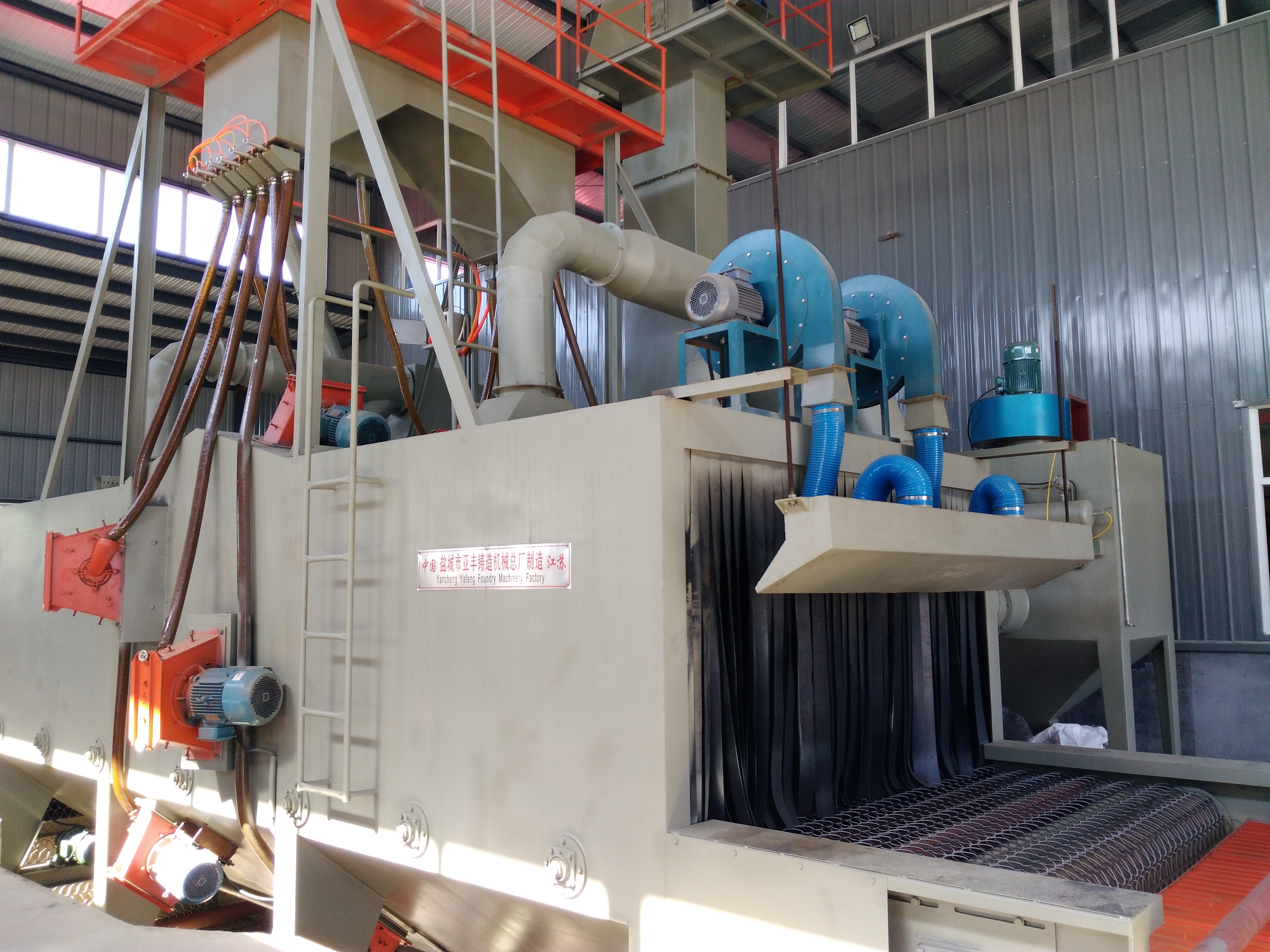
LDK industrial manufacturing base for padel court production and assembly.
Padel court infrastructure is expanding faster than many procurement teams expected. Global court counts now exceed 58,000, and the U.S. market alone is projected to grow from a few hundred courts to tens of thousands within this decade. For buyers moving from evaluation to execution, the central question is no longer just which court specification to buy, but which manufacturer can sustain supply, maintain quality consistency, and support long-term site rollouts.
The State of Long-Term Padel Court Supply
Industry data indicates that the global padel court operator market was valued at approximately USD 3.8 billion in 2025 and is projected to reach USD 9.6 billion by 2034. Court counts reflect the same trajectory: as of early 2025, there were about 58,334 padel courts across nearly 20,000 clubs, a 16% year-over-year increase. In the United States, projections point to 30,000 courts by 2030, compared with just 650 courts in early 2025. This pace means network operators, sports facility developers, and distribution partners are shifting from one-off court purchases to repeat, multi-unit procurement programs. In that context, supplier evaluation becomes less about a single invoice and more about production continuity, repeatability, and the ability to deliver the same result across dozens of installations.
Where Standard Sourcing Models Fall Short
Many procurement teams can tolerate a few days of delivery variation on a single-site project. But when an operator plans five, ten, or twenty padel courts across different regions, small inconsistencies compound. A tube wall thickness variation of half a millimeter may go unnoticed in one court but becomes a maintenance liability across a fleet. Similarly, glass quality differences can affect ball rebound consistency, which players and coaches notice immediately. A sourcing model optimized for lowest initial price often lacks the structural elements required for long-term execution: stable production schedules, OEM adaptation capacity, consistent surface treatment, and predictable documentation for cross-border delivery.
The opportunity lies in selecting a manufacturer whose production profile, quality controls, and commercial terms are designed for repeat orders rather than isolated transactions. This does not mean paying for unnecessary branding; it means verifying that the manufacturer can produce the same specification batch after batch, accept modular design changes, and maintain communication across a multi-year supply relationship.
LDK's Manufacturing Profile for Long-Term Supply
Shenzhen LDK Industrial Co., Limited is an integrated sports equipment manufacturer engaged in R&D, production, and sales. The company, established in 2014, specializes in premium sports court solutions including padel, squash, soccer, basketball, and pickleball. It employs approximately 107 staff, 17 of whom are R&D engineers, and operates a 50,000 square meter manufacturing base with multiple workshops equipped for laser cutting, bending, and surface treatment. Annual production capacity is reported at 223,750 sets, while monthly padel court production capacity is 200 units. The minimum order quantity is 1 unit, and typical production lead time is 30 to 45 days. LDK also provides OEM and ODM production services, which is relevant for distributors and brands that need custom logos, colors, packaging, or even structural modifications without switching suppliers.
For execution-stage buyers, these operational details matter because they reduce the friction of planning multiple court deliveries. A purchaser can trial one unit before committing to a larger program, and the 50/50 payment structure combined with FOB, CIF, or DDP delivery options offers flexibility in logistics planning. Pre-shipment testing is accepted as part of the commercial workflow, allowing buyers to verify product quality before dispatch.
Technical Foundation: Durability, Safety, and Consistency
LDK positions its padel courts as structurally differentiated from many other padel court offerings through several manufacturing choices. Compared with other padel courts, LDK uses thicker tubing, adding 0.5 to 1.0 mm of wall thickness. The company also applies hot-dip galvanizing and an extra polishing or deburring process. These measures contribute to posts that are highly corrosion-resistant, with a stated lifespan exceeding 20 years, and to a safer court surface free of sharp edges. Maintenance requirements are described as zero under normal operating conditions.
Safety is addressed through certified 12 mm tempered glass, reinforced frames, and impact-test certification for glass breakage risk. This aligns with the broader industry shift in which 12 mm tempered safety glass is becoming the new standard for premium panoramic padel courts, replacing the previous 10 mm standard for enhanced safety and ball rebound consistency. For buyers evaluating long-term supply, the use of a current safety glass standard is a signal that the manufacturer is aligned with evolving technical expectations rather than relying on older material specifications.
It is worth noting that these quality features carry a cost difference. LDK's padel courts are reported to be approximately 20% more expensive than some other padel court options. This is a real boundary that price-sensitive projects must weigh against expected lifespan, corrosion resistance, and reduced maintenance needs. The higher initial cost may be justified for professional tournaments and large venues where downtime or visible corrosion is unacceptable, but it may not be optimal for low-budget community installs where the extra durability is less critical.
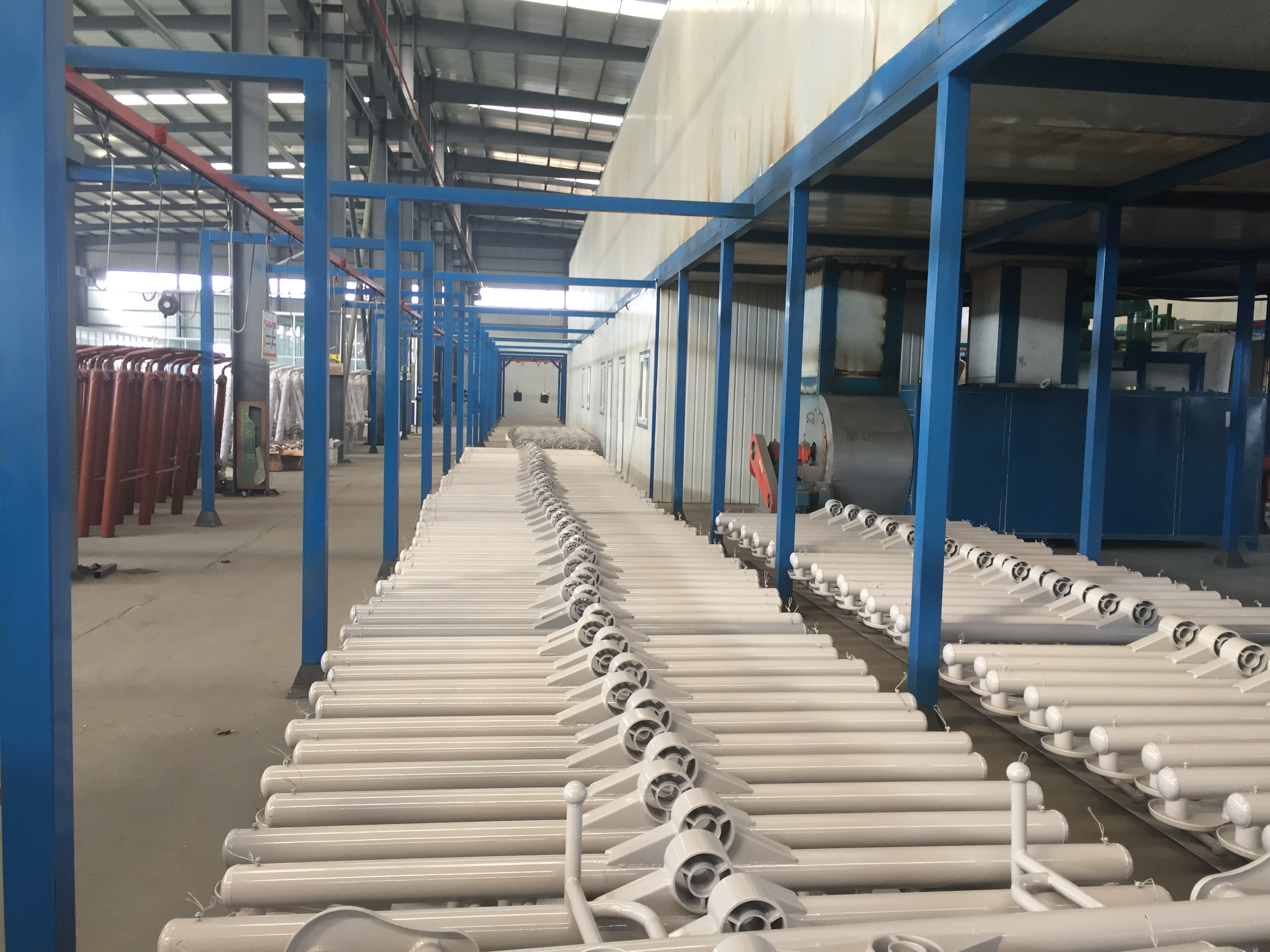
Production environment at LDK, illustrating dedicated padel court manufacturing capacity.
Use Cases: When a Production-Stable Partner Matters
The characteristics described in LDK's technical profile make it most relevant for buyers with specific operational constraints. Professional tournament organizers and large sports venues require consistent rebound, structural stability, and safety certification across multiple courts. A 20-meter by 10-meter padel court with 12 mm tempered glass and thicker steel posts reduces the likelihood of variance between courts, which is important for competition fairness.
Distribution partners and brand owners also benefit from OEM and ODM services because they can maintain a consistent product line under their own brand while relying on LDK's production capacity. The ability to start with one unit and scale to monthly volumes of 200 units means a distributor can test market response before committing to container-level orders. Multi-site operators, such as sports clubs or franchise models, often value the combination of pre-shipment testing, 30-45 day lead times, and flexible delivery terms, as these elements simplify logistics across different regions.
On the other hand, buyers whose primary decision driver is lowest upfront cost may find the 20% price premium a barrier. Similarly, projects that require highly compact space efficiency may need to evaluate the trade-off against traditional tennis court conversions, as discussed below.
Market Trends Reinforcing the Need for Continuity
Three trends reinforce the long-term supply perspective. First, the global installed base of padel courts is growing rapidly, with a 16% year-over-year increase reported in early 2025. Second, the material standard is shifting toward 12 mm tempered glass for panoramic configurations, which places pressure on manufacturers to update tooling and certification accordingly. Third, the United States market is projected to add tens of thousands of courts, creating a new class of multi-site operators that will require consistent cross-state supply logistics. These trends do not guarantee success for any single manufacturer, but they do increase the value of stable production partnerships.
Some available investment analyses suggest that a panoramic padel court in high-demand urban areas can deliver return on investment within 12 to 18 months due to high peak occupancy. This data point should be treated as directional rather than universally applicable, as local utilization rates and operating costs vary. Nonetheless, it indicates why buyers are willing to pay for durability and consistency: court downtime from corrosion or glass failure directly erodes revenue potential.
Padel Court vs. Traditional Tennis Court: Trade-offs
A common comparison for execution-stage buyers is between investing in padel courts and repurposing space for traditional tennis courts. According to LDK's comparative data, its padel court solution offers a lower initial construction cost, approximately 30% lower than a traditional tennis court, making padel an attractive option for venues seeking faster capital deployment and higher player throughput per square meter. However, the limitation is lower space efficiency in certain layouts, as padel courts require enclosing walls and a smaller playing area than tennis. This boundary is important for buyers with limited available land: a tennis court may serve a different mix of programs, and the decision should be based on revenue per square meter and target user demographics rather than cost alone.
Within the padel category itself, LDK's cost premium of about 20% compared with other padel courts reflects its thicker material and finishing processes. Buyers who expect a 20-year service life and minimal maintenance may find this justified; buyers focused on short-term installations may prefer a lower-cost alternative. This kind of explicit trade-off is exactly what procurement teams need when transitioning from evaluation to execution.
Future Outlook: From Transactional Orders to Ecosystem Partnerships
The shift from single-court buying to long-term supply agreements is likely to continue as the padel market matures. Facility networks, franchise sports operators, and regional distributors will increasingly look for manufacturers that can serve as ecosystem partners rather than one-off vendors. That means documented capacity, stable OEM/ODM workflows, consistent quality control, and transparent terms such as 50/50 payment and pre-shipment inspection.
LDK's profile, as presented in its own documentation, demonstrates a manufacturer structured around these recurring supply needs: 100% export experience, a dedicated R&D team, multiple international certifications including ISO 9001, ISO 45001, ISO 14001, and CE, and a manufacturing footprint that supports both prototype-level orders and high-volume production. For buyers in the decision-to-execution phase, the practical step is not to assume these claims hold for every order, but to verify them through sample orders, pre-shipment tests, and phased rollout plans. The long-term value comes from repeatable performance, not from a single favorable quote.
FAQ: Long-Term Padel Court Supply Questions
What is the minimum order quantity for a padel court supply agreement with LDK?
LDK specifies a minimum order quantity of 1 unit, which permits buyers to evaluate a sample court before committing to larger volumes.
What is the typical production lead time for padel courts?
According to LDK, the typical production lead time is 30 to 45 days. This range may vary based on order size, customization, and factory scheduling.
Does LDK provide OEM and ODM services for padel courts?
Yes, LDK provides OEM and ODM production services, enabling customization of logos, colors, packaging, sizes, and certain design elements for distribution or branded projects.
What payment terms are offered for padel court procurement?
LDK uses a 50/50 payment structure, meaning a portion is paid upfront and the remainder before or after shipment, subject to agreed commercial terms.
What delivery methods are available for international padel court orders?
LDK offers FOB, CIF, and DDP delivery options, giving buyers flexibility in how shipping, insurance, and import duties are managed.
How does LDK ensure production capacity for long-term commitments?
The manufacturer reports a monthly padel court production capacity of 200 units and an annual overall capacity of 223,750 sets across sports court categories. This supports multiple simultaneous orders, though procurement teams should confirm current lead times for specific configurations.
What safety and durability measures apply to LDK's panoramic padel courts?
LDK uses certified 12 mm tempered glass, reinforced frames, impact-tested safety components, and hot-dip galvanized steel with additional polishing to reduce sharp edges and improve corrosion resistance. Posts are described as having a lifespan above 20 years under normal conditions.
Does LDK perform quality checks before shipment?
Yes, pre-shipment testing is accepted as part of the commercial process, allowing buyers to verify product quality and specifications before dispatch.
Where can I find detailed product specifications for LDK padel courts?
A downloadable brochure is available at the following link: LDK Industrial Sports Equipment Brochure.