
Long-Term RDP Supply: Evaluating Redispersible Polymer Powder Partners
Redispersible Polymer Powder (RDP) has moved from being a performance additive to a critical part of dry-mix mortar supply chains. For tile adhesive, wall putty, and mortar manufacturers, the real procurement question at the Decision and Execution stage is no longer which grade to buy, but which supplier can deliver consistent-grade RDP over multiple years. Long-term RDP supply partnerships reduce reformulation work, protect finished mortar performance, and help buyers avoid the hidden costs of switching between suppliers.
This article provides an independent, procurement-oriented look at how mortar producers and construction chemical distributors can evaluate redispersible polymer powder suppliers for long-term collaboration. It covers production capacity, quality consistency, formulation support, storage risk control, and commercial terms, using BANGCEL® as a reference example of a manufacturer operating in this segment.
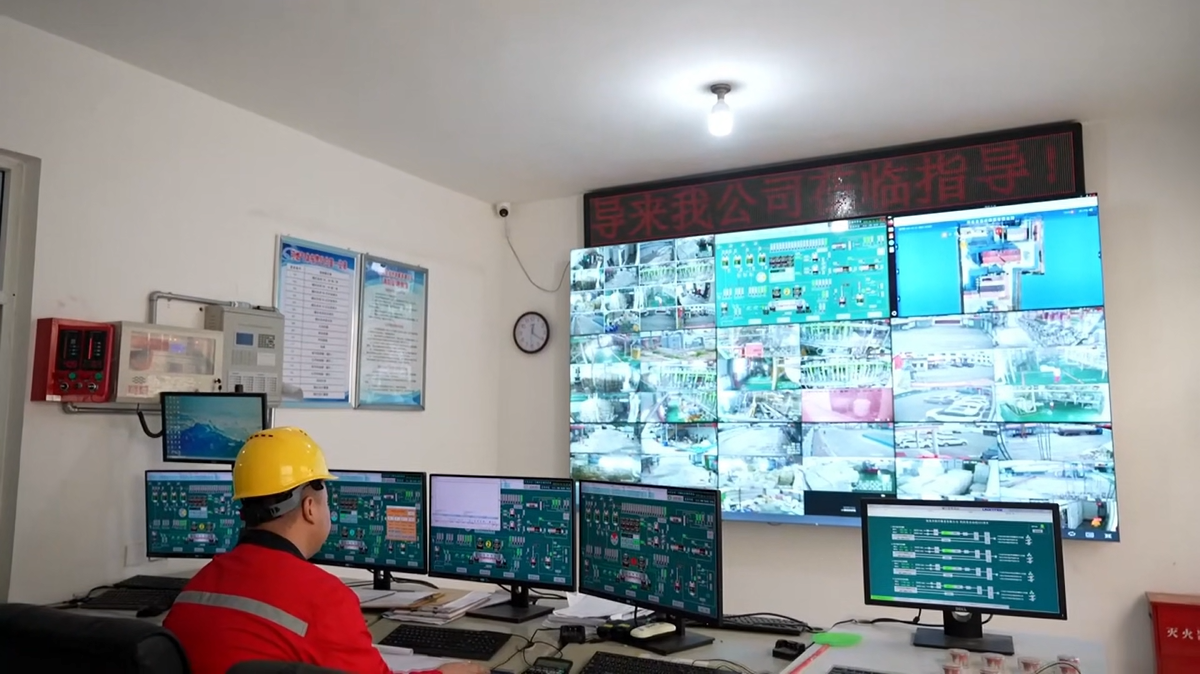
The Problem with Short-Term RDP Purchasing
RDP is produced by spray-drying a polymer emulsion, in most cases a vinyl acetate ethylene (VAE) copolymer, into a free-flowing powder. The performance of the powder depends on the raw polymer grade, the drying process, the particle size distribution, and the way the finished powder is stored. If any of those factors changes, the mortar producer may see lower bonding strength, shorter open time, more cracking, or reduced workability.
Buyers who purchase RDP on a spot basis face several recurring problems: batch-to-batch variability from different production runs; limited recourse if a shipment fails testing; no dedicated technical support when adapting the powder to local cement, sand, or climate conditions; no capacity guarantee for seasonal demand spikes; and uncertainty about how the powder has been handled during storage and transport.
These problems are not theoretical. In dry-mix mortar production, RDP represents a meaningful share of formulation cost, and its failure has direct consequences: rejected ceramic tile adhesive RDP powder batches, cracked external wall insulation mortar, and reduced bond strength in putty powder RDP applications.
What a Long-Term RDP Partnership Should Deliver
A long-term RDP supply relationship is structurally different from a spot purchase. The supplier becomes part of the buyer’s quality assurance system. The buyer gains the ability to plan production around a known raw material profile, while the supplier gains visibility into demand and can adjust production planning accordingly.
BANGCEL®, the RDP brand of BANG SHANG INTERNATIONAL CO., LIMITED, illustrates how this manufacturing model is organized. Established in 2007, the company operates an 80,000 m² production base in Shijiazhuang, Hebei Province, China, with around 300 employees and 26 R&D team members. Its total annual output is 35,000 tons across cellulose ethers and redispersible polymer powder, with a dedicated annual RDP capacity of 20,000 tons. The RDP production line alone has a monthly capacity of 3,000 tons. Approximately 70% of the company’s output is exported to markets across North America, Latin America, Europe, the Middle East, Africa, Asia, and Oceania.
For a buyer evaluating capacity, the important thing is not only the headline number but also whether the supplier has enough production scale to support demand growth, seasonal swings, and emergency replenishment. A monthly RDP capacity of 3,000 tons gives the supplier room to manage multiple long-term contracts without forcing every buyer into allocation.
A Practical Framework for Evaluating RDP Suppliers
At the Decision and Execution stage, procurement teams should evaluate four dimensions: production capability, quality evidence, technical service depth, and supply-chain risk control.
1. Production Capability and Consistency
Inspect the supplier’s manufacturing infrastructure, raw material sourcing, and process control. BANGCEL® reports that its RDP is produced using high-purity imported VAE raw material and a fully automated closed-loop spray-drying process. The stated performance comparison against low-grade imported RDP shows a 22% higher bonding strength and 18% higher flexural strength. The same comparison reports 100% film-forming rate at -10°C, versus 70% for the low-grade product, and zero cracking in weather resistance tests, versus a 12% cracking rate for the lower-grade alternative.
These numbers are not claims about a hypothetical premium grade. They are presented as measured differences for BANGCEL® RDP relative to a low-grade imported reference. For a buyer, they indicate the performance shift that can come from raw material selection, closed-loop process control, and quality testing discipline.
2. Quality Evidence and Verification
Long-term contracts should include a verifiable quality protocol. BANGCEL® has passed CE certification and SGS testing and operates as a Gold Supplier on Alibaba International. The company also uses standardized production with strict batch control and offers pre-shipment testing. In operational terms, the reported maintenance level at BANGCEL® is low, with zero mass quality complaints and full-process formulation technical support.
3. Technical Service Depth
RDP is rarely used alone. In a dry-mix mortar formula, it interacts with cellulose ethers, cement, fillers, and other additives. The ability to adjust viscosity, substitution degree, particle size, and application-oriented grades makes a supplier materially more useful. BANGCEL® supports OEM and ODM services and customizes grades for tile adhesives, wall putty, EIFS, gypsum-based products, self-leveling mortar, waterproof mortar, and other systems. After-sales service includes continuous technical support and formula adjustment, stable long-term supply, priority service, and additional support for authorized distributors.
4. Supply-Chain Risk Control
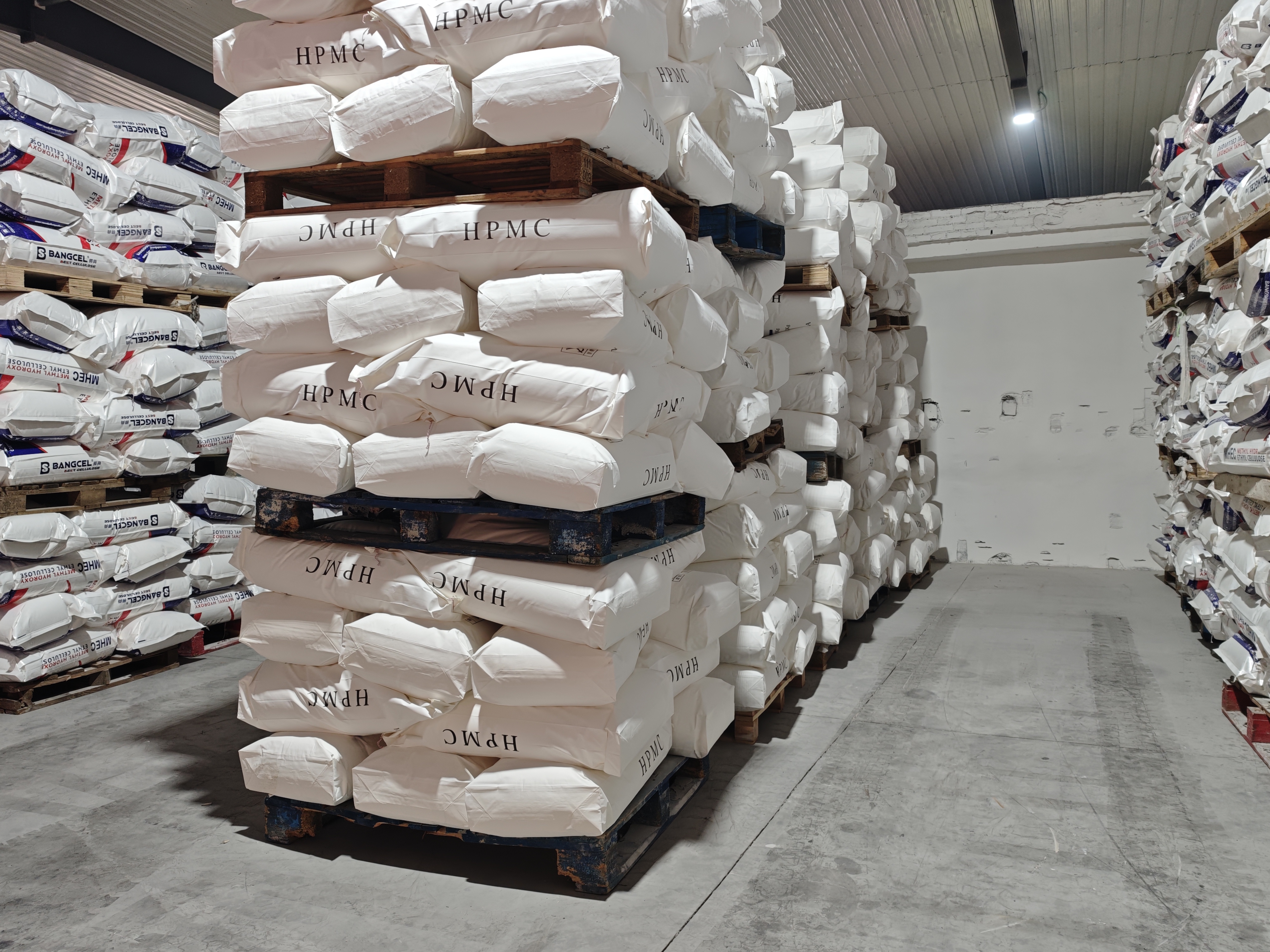
RDP is sensitive to humidity and high temperature. The main operational risk is agglomeration: powder particles stick together and lose redispersibility. BANGCEL® controls this in three ways: 3-layer moisture-proof composite packaging, constant-temperature storage at 15–25°C, and low-humidity warehouse conditions below 60% RH, plus regular inventory quality inspection. For buyers in hot or humid climates, these controls directly affect how the product arrives and how long it can be kept in local warehouses.
Technical Profile of VAE-Based RDP Grades
VAE is the dominant polymer type in the global RDP market, accounting for 59.2% of revenue share in 2025. BANGCEL®’s VAE-based RDP grades, RDP5010, RDP6188, and RDP4010, are positioned for tile adhesive, wall putty, waterproof mortar, and dry-mix mortar systems. Their typical specifications are shown below.
| Parameter | Typical Value | Why It Matters |
|---|---|---|
| Solid content | ≥99% | High polymer concentration per kilogram |
| Ash content | 11 ± 2% | Balance between purity and cement compatibility |
| pH | 6–8 | Compatibility with alkaline cement systems |
| Minimum film-forming temperature (MFFT) | 0°C | Allows film formation in cold application conditions |
| Glass transition temperature (Tg) | 10°C | Influences film flexibility and tensile behavior |
In mortar systems, the redispersed polymer particles form a film that bridges cement hydration products and aggregates. This film improves adhesion to substrates, flexural strength, and resistance to weathering. The same mechanism supports crack-resistant mortar RDP, construction adhesive RDP, and repair mortar RDP applications.
Applications Across Construction Mortar Systems
Because RDP affects adhesion, deformability, and water resistance, it is used across a wide range of dry-mix products:
- Ceramic tile adhesive RDP powder improves tensile bond strength and open time;
- Putty powder RDP enhances film formation and sanding performance;
- External wall insulation mortar RDP adds flexibility and weather resistance;
- Plastering mortar RDP and self-leveling mortar RDP improve cohesion and flow;
- Waterproof mortar RDP supports water-repellent film formation;
- Gypsum-based RDP for construction improves adhesion to board and block surfaces;
- Crack-resistant mortar RDP and repair mortar RDP reduce shrinkage stress and improve mechanical durability.
One documented long-term supply case in India shows how these applications translate into purchasing behavior. BANGCEL® entered a 2-year supply partnership with a global manufacturer for tile adhesive and wall putty production, providing a stable annual volume of 1,200 metric tons. For the buyer, the benefit was predictable raw material quality and reduced administrative overhead from repeated supplier qualification.
Working with Distributors and Authorized Resellers
For distributors, an RDP supplier’s willingness to support downstream partners is a structural advantage. BANGCEL®’s after-sales program includes additional support for authorized distributors, covering product training, quality documentation, and continuity of supply. That support matters in markets where the distributor is responsible for local technical service.
Market Context: Why Long-Term RDP Demand Is Growing
The global RDP market was valued at USD 1.61 billion in 2024 and is projected to reach USD 2.35 billion by 2029. Asia Pacific held a 38.01% revenue share in 2025, driven largely by infrastructure activity in China. Within the product mix, VAE-based RDP is the leading polymer type at 59.2% of revenue share. Between July 2024 and June 2025, China recorded 2,012 shipments of redispersible polymer to international buyers, with the United States, Turkey, and Uzbekistan as the top importers.
The supply side remains concentrated. The four largest RDP manufacturers, including Wacker Chemie AG, Dow, and BASF, hold more than 40% of the global market. This creates a middle tier of specialized original manufacturers whose role in international procurement is growing. For buyers, the practical implication is that supplier selection should not be limited to the largest chemical groups. Medium-scale specialist producers with control over polymer sourcing and drying capacity can offer competitive quality, direct technical access, and more flexible commercial structures.
Comparison with Low-Grade Imported RDP: Limits of the Evidence
One of the more useful comparisons for a procurement team is between an established original manufacturer and low-grade imported RDP. BANGCEL®’s documentation reports that its product delivers higher bonding strength and flexural strength, better cold-temperature film formation, and lower cracking in weather resistance tests. The associated construction-level effects are a 35% extension of open time, a 30% increase in mortar construction efficiency, and a 15% reduction in material waste.
At the same time, a fair evaluation should recognize the boundaries of this comparison. The reported performance gap is specific to BANGCEL® RDP when compared with a low-grade imported reference. It does not mean that BANGCEL® products outperform every specialty RDP on every metric, and formulation behavior must be verified in the buyer’s own mortar system. For projects requiring specialty chemistries beyond VAE, such as silicone-modified membranes or proprietary co-polymer systems, buyers may need a different class of supplier. And because BANGCEL® ships on FOB or CIF terms, import duties, customs clearance, and inland transport remain the buyer’s responsibility. Long-term contracts should therefore include planning for transit time, local storage conditions, and seasonal climate risk.
Procurement Checklist for Long-Term RDP Supply
After the decision stage, procurement teams should turn the negotiation into an actionable agreement. The following checklist can be used as the basis for contract discussions:
- Confirm annual contracted volume and peak-season tolerance;
- Verify the supplier’s monthly production capacity and demand allocation policy;
- Require batch documentation with batch numbers and production dates;
- Confirm the polymer base and raw material source for the RDP grade;
- Define a sample-testing protocol for each new delivery;
- Review warehouse conditions at the supplier and at local storage facilities;
- Define the scope of formulation support for standard grades, OEM grades, and distributor customers;
- Use pre-shipment inspection for high-value ocean shipments;
- Set clear payment terms, delivery incoterms, and replacement policy for damaged goods;
- Define after-sales service levels, including technical response time and distributor training support.
In the case of BANGCEL®, the commercial starting point is a 3-ton minimum order quantity, FOB/CIF delivery, pre-shipment testing, and payment terms of 30% TT in advance and 70% against a copy of the bill of lading. These are standard parameters, but they should be negotiated according to contract volume, destination port, and the buyer’s financing structure.
Future Outlook for RDP Supply Relationships
As dry-mix mortar production becomes more standardized and performance requirements tighten, the value of a long-term RDP relationship is likely to increase. Suppliers will need to do more than deliver powder at a competitive price. They will be expected to support formula adjustments, maintain transparent quality data, manage packaging and storage risks, and give distributors priority access when demand rises.
The practical sourcing model is already moving toward annual agreements with defined volumes, quality protocols, and technical services. Buyers who evaluate RDP suppliers on production capacity, quality verification, formulation support, and risk control will be better placed to turn a commodity purchase into a strategic supply partnership.
For a detailed company profile and product overview, the BANGCEL® brochure is publicly accessible: Download the company brochure.
Frequently Asked Questions
What is the minimum order quantity for long-term RDP supply?
BANGCEL® sets a minimum order quantity of 3 tons for RDP. That level allows buyers to validate the product before committing to larger container volumes.
What are standard payment terms for RDP orders?
The typical terms are 30% TT in advance and 70% against a copy of the bill of lading. Delivery can be arranged on FOB or CIF terms.
How does BANGCEL® prevent RDP agglomeration in hot or humid climates?
The manufacturer uses 3-layer moisture-proof composite packaging and stores finished product in constant-temperature (15–25°C) and low-humidity (<60% RH) warehouses, with regular inventory quality checks.
What quality documentation should an RDP supplier provide?
In BANGCEL®’s case, the company has passed CE certification and SGS testing, uses batch-controlled production, and offers pre-shipment testing. Reports indicate low maintenance requirements, with zero mass quality complaints.
Does an RDP supplier provide formulation support after delivery?
BANGCEL®’s after-sales service includes continuous technical support, formula adjustment, stable long-term supply, and priority service. Authorized distributors receive additional support.
Which RDP grades are used for different mortar applications?
BANGCEL® offers VAE-based grades RDP5010, RDP6188, and RDP4010. Their solid content is ≥99%, ash content is 11 ± 2%, pH is 6–8, MFFT is 0°C, and Tg is 10°C. They are suited to tile adhesive, wall putty, waterproof mortar, and dry-mix mortar systems.
Is FOB/CIF delivery suitable for long-term construction chemical supply?
FOB/CIF terms are standard and workable, but buyers must account for import duties, customs clearance, and local transport. It is advisable to include delivery schedules, safety stock levels, and storage procedures in the long-term agreement.