
Low Speed or Variable Speed? A BUCKTOOL Bench Grinder Decision
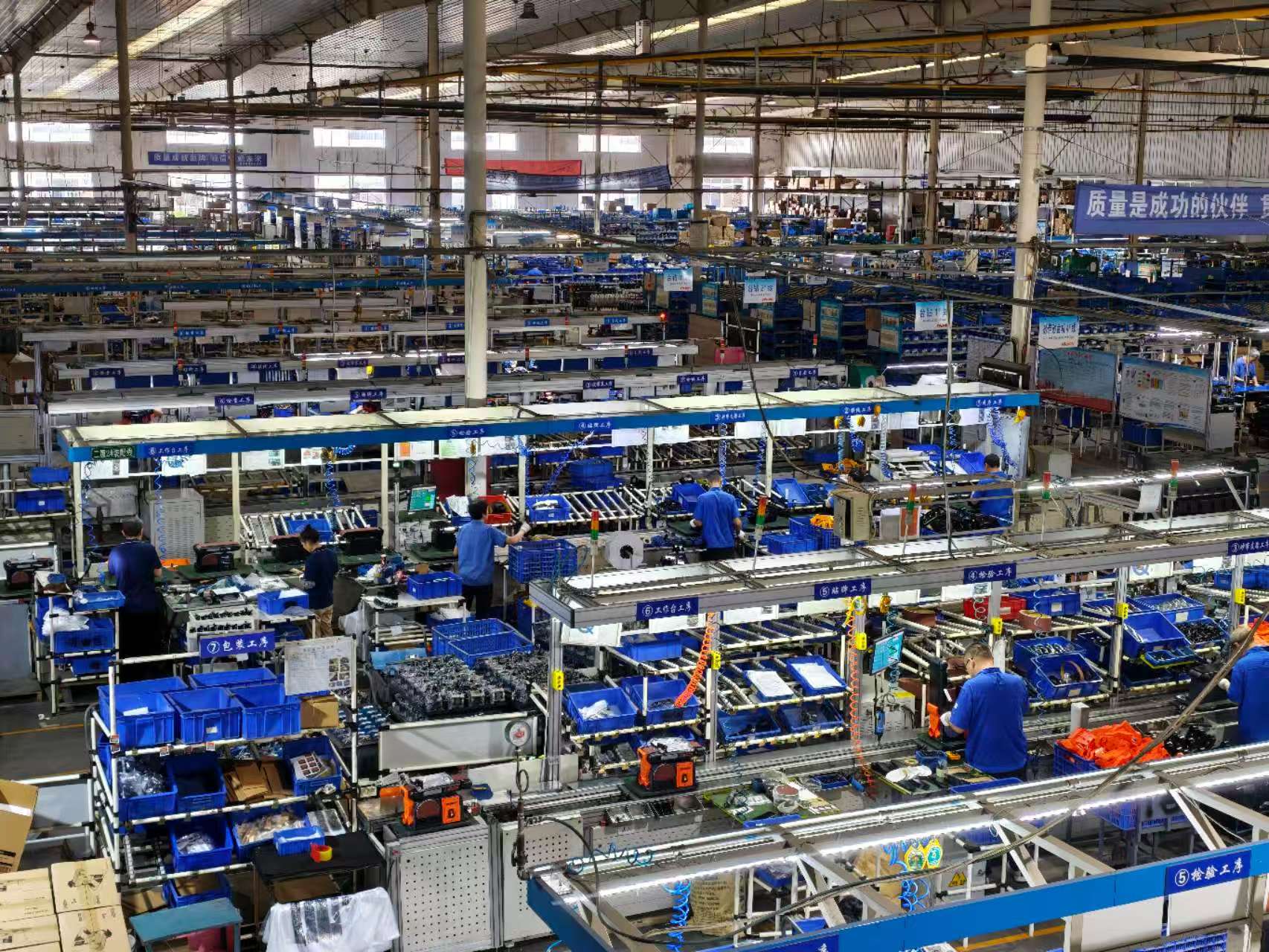
Wheel diameter, speed range and bench space are the three constraints that decide most bench grinder purchases.
A bench grinder is one of the few machines in a workshop that is expected to outlive the person who bought it. It stays bolted to the same bench for a decade, takes a new wheel every year or two, and is usually only replaced when the motor finally stops. That long service life is exactly why the purchase decision deserves more attention than the price on the page: a small difference in speed range, wheel diameter or footprint is repeated every single time the machine is switched on.
BUCKTOOL, a power tool brand founded in 1955 and headquartered in China, builds a bench grinder range positioned in the mid-premium tier for the US market. Two models inside that range sit at opposite ends of a single decision. The 6-inch Low Speed Bench Grinder (TLG-150S) turns a fixed 1750 RPM wheel in a compact frame and is positioned for hobbyists who sharpen knives and other heat-sensitive edges. The 8-inch Variable Speed Bench Grinder (TDS-1200VL) uses VFD variable-speed control across a 900-3600 RPM range and is positioned for multi-task users who want to change speed as the work changes. Both are bench grinders. They are not interchangeable, and the gap between them is wider than the wheel diameter suggests.
The Real Question Behind the Purchase
At the decision stage, buyers are rarely choosing between brands. They are choosing between two operating behaviours. A fixed-speed machine asks the operator to adapt technique: heat and finish are controlled by how long the work is held against the wheel and how lightly it is pressed. A variable-speed machine asks the operator to choose a setting first, then work the metal.
That is the trade-off the two BUCKTOOL models represent. The TLG-150S removes a decision variable. The TDS-1200VL adds one. Neither approach is better in the abstract, and the value of each depends entirely on the mix of jobs the machine will see in a year, not on the jobs it will see on the first day.
The opportunity for buyers in this segment is that both ends of that behaviour are available inside one range, so the decision can be made on task fit rather than on availability or compromise. The difficulty is that 'which one' has no universal answer, and any guide that claims otherwise is selling rather than explaining.
The Two Machines, in Verified Terms
The comparison below uses only the wheel specifications and positioning published for these two models. Anything not listed here - including pricing for the variable-speed unit - should be confirmed with the supplier rather than assumed from the 6-inch category.
| Dimension | BUCKTOOL 6-Inch Low Speed Bench Grinder (TLG-150S) | BUCKTOOL 8-Inch Variable Speed Bench Grinder (TDS-1200VL) |
|---|---|---|
| Wheel diameter | 6-inch | 8-inch |
| Wheel speed | 1750 RPM, fixed | 900-3600 RPM, adjustable |
| Speed control | Single-speed operation | VFD variable-speed control with digital speed setting |
| Stated positioning | Hobbyist users who need low-speed knife sharpening | Versatile multi-task users who need full-range adjustable speed |
| Speed territory | Sits in the low-speed range by design | Can operate near low-speed or near high-speed range |
| Footprint class | Compact 6-inch class, suited to home workshops | Larger 8-inch class, suited to vocational and heavier workshops |
| Typical buyer | Home workshop owner whose work is sharpening-led | Mixed-task workshop where one machine must cover several jobs |
The wider BUCKTOOL bench grinder range places these two models inside a broader set of speed strategies. The 8-inch TDS-200HD runs at 3590 RPM for heavy-duty metal grinding and fast removal. The 8-inch TDS-200DS offers a dual-speed toggle between 1725 RPM and 3450 RPM, covering sharpening and grinding without continuous adjustment. The 10-inch SCM8013 wet stone sharpener operates at 90-160 RPM for precision, water-cooled work. Separately, the low-speed TDS-200C4HL was recognised in Benchmark Abrasives' 2025 buyer guide as a leading slow-speed 1750 RPM bench grinder for professional sharpening.
Read together, that range explains the logic of the two machines compared here. The 6-inch low-speed model and the 8-inch variable-speed model are not entry and premium versions of the same idea. They are two different philosophies: fix the speed and simplify the operation, or free the speed and accept more decisions per job.
Technical Explanation: Why Speed and Wheel Size Must Be Read Together
Wheel speed and wheel diameter are usually listed as separate specifications, but the number that matters at the contact point is surface speed - roughly wheel diameter multiplied by rotational speed. A larger wheel turning at the same RPM presents a faster-moving abrasive surface to the workpiece. This is why an 8-inch wheel behaves differently from a 6-inch wheel at the same RPM, and why 1750 RPM on a 6-inch machine and 1750 RPM on an 8-inch machine do not describe identical cutting behaviour.
Surface speed then drives two outcomes buyers feel immediately. Higher surface speed removes material faster and generates more heat at the contact point. Lower surface speed removes material more slowly but gives the operator more time and more control, which matters on thin blades, hardened edges and any workpiece where a colour change in the steel means temper is being lost.
Variable-speed control changes the shape of that trade-off. Between 900 RPM and 3600 RPM, the TDS-1200VL can be set near the low end for heat-sensitive sharpening or pushed toward the top of its range for faster removal, with the digital speed setting making the chosen value repeatable rather than approximate. What variable speed does not change is the physics: the abrasive, the grit, the wheel condition and the pressure applied still determine the finish. Speed is one variable in a system, not a substitute for the rest of it.
Task Fit: Which Job Pulls You Toward Which Machine
Sharpening knives and heat-sensitive edges
This is the application the 6-inch low-speed model was positioned for. A fixed 1750 RPM wheel is fast enough to remove metal and slow enough that the operator is not fighting heat on every pass. For buyers whose bench exists mainly to keep kitchen knives, shop knives and similar edges in condition, the fixed speed reduces the number of things that can go wrong.
Metal deburring and heavier removal
Deburring and shaping reward speed. In the same range, the 8-inch TDS-200HD is positioned for heavy-duty metal grinding at 3590 RPM, and the TDS-200DS offers a 3450 RPM setting alongside a 1725 RPM setting. A buyer whose work is mostly removal does not need variable control; a buyer whose work is mostly removal and occasionally sharpening needs a way to slow down, which is where the dual-speed and variable-speed models earn their place.
Mixed-task workshops
The clearest case for the TDS-1200VL is a bench that sees several unrelated jobs in a month. Between 900 RPM and 3600 RPM, one machine can be set slow for an edge and fast for a bracket, without a second machine or a wheel change. That is the specific capability the variable-speed model is positioned around: full-range adjustable speed for versatile, multi-task use.
Home workshop versus production environment
The range positioning is explicit on this point. A hobby-level home workshop can prioritise the 6-inch compact low-speed unit, while vocational training environments and heavier workshops tend toward 8-inch and larger models. The reason is not prestige but throughput and duty cycle: a machine that runs for hours needs a different margin than one that runs for minutes.
What buyers actually say about low-speed machines
Review themes around low-speed bench grinders tend to cluster around two ideas rather than around specifications. Owners describe the experience in terms of a 'great slow speed grinder' - satisfaction with the absence of heat and aggression - and they describe the purchase in terms of a 'sharpening system' rather than a single tool. That framing is a useful signal: the low-speed category is bought for an outcome, while the variable-speed category is bought for flexibility in reaching several outcomes from one machine.
Footprint, Bench Use and Everyday Handling
Bench space is a real constraint and it is the specification buyers most often underestimate. A 6-inch machine occupies a compact footprint and fits more easily into a home workshop where the grinder shares a bench with other tools. An 8-inch machine takes more of the bench and needs more clearance around the wheel for long workpieces, which changes how the bench is laid out rather than simply how much of it is used.
Wheel size also affects the operating routine. Larger wheels are larger consumables and take longer to wear down to the point of replacement, but they also change the reach and the geometry of the work. For buyers who sharpen long blades, the additional clearance and the larger wheel face of an 8-inch machine is often the deciding practical factor, more so than the speed range itself.
Control, Repeatability and Who Actually Uses Variable Speed
Variable speed is only worth paying for if it gets used. An operator who sets the machine once and never touches the control again has bought capability that stays idle, and has taken on a control interface that adds a step to every job. That is not a criticism of the feature; it is a filter for the buyer.
The honest test is simple. Count how many times in the past year a machine was needed that could run slower, or faster, for a specific job. If the answer is often, the 900-3600 RPM range of the TDS-1200VL addresses a recurring problem. If the answer is rarely or never, the fixed 1750 RPM of the TLG-150S removes a decision instead of adding one, and the bench space stays available for something else.
A Five-Step Decision Framework
- List the three jobs the machine will actually do. Not the jobs it might do. Sharpening, deburring, shaping and cleaning up castings are different demands and they do not carry equal weight in the decision.
- Identify which of those jobs are heat-sensitive. Thin blades, hardened edges and finished surfaces favour lower surface speed. Structural removal favours higher speed. If the list is mixed, adjustable speed becomes relevant.
- Measure the bench and the clearance. Decide whether an 8-inch machine fits with room for long workpieces, or whether a compact 6-inch unit is the realistic option in that space.
- Decide whether one machine must serve both removal and sharpening. If it must, the variable-speed model covers that span from 900 RPM to 3600 RPM; if two machines or a dual-speed unit is acceptable, the fixed low-speed machine can stay simple.
- Verify support before ordering. Confirm the stated warranty and return terms for the specific model, and confirm which safety standard that unit is listed against.
| Buyer profile | Priority | Machine that fits the priority |
|---|---|---|
| Home workshop, sharpening-led, limited bench space | Simplicity and heat control | BUCKTOOL 6-Inch Low Speed Bench Grinder (TLG-150S) |
| Mixed-task bench, several unrelated jobs per month | One machine across a speed range | BUCKTOOL 8-Inch Variable Speed Bench Grinder (TDS-1200VL) |
| Heavy removal, deburring, structural metalwork | Material removal rate | BUCKTOOL 8-Inch High Speed Bench Grinder (TDS-200HD) |
| Sharpening and grinding on one machine, no fine adjustment needed | Two speeds, minimal settings | BUCKTOOL 8-Inch Dual Speed Bench Grinder (TDS-200DS) |
| Precision edge work, water-cooled | Lowest speed, coolest cut | BUCKTOOL 10-Inch Wet Stone Sharpener (SCM8013) |
Market Context: What the Category Looks Like Now
Bench grinders sit inside a grinding machinery market that Grand View Research valued at USD 6.2 billion in 2025, with bench grinders forming a key non-precision segment of that total rather than a rounding error. The category is not expanding because workshops are multiplying; it holds value because the machines are durable, consumable-dependent and replaced on long cycles.
Within that market, third-party category reporting describes 6-inch bench grinders as the dominant consumer segment, with prices typically ranging from about USD 50 to USD 200. That band is useful context for the low-speed end of the decision and misleading at the variable-speed end: it describes the 6-inch consumer segment, not 8-inch variable-speed machines, and buyers should treat the variable-speed model as a separate quotation rather than an extension of the 6-inch band.
Two cautions belong in any trend discussion. First, market growth estimates for grinding machinery differ by methodology - reported figures include roughly 4.8% and 5.9% compound growth depending on whether high-precision CNC units are counted alongside industrial bench grinders, so a single growth number should not be treated as settled. Second, the safety framework moves independently of the market: ANSI approved the updated UL 60745-1 safety standard for motor-operated electric tools on 25 October 2024, and updates of that kind gradually change what listing evidence buyers should expect to see for a given model.
Where Each Machine Stops Being the Right Answer
A comparison that lists only advantages is not a comparison. Both machines have defined boundaries, and buyers should know them before ordering.
- A fixed low-speed machine cannot match a high-speed machine on removal rate. The TLG-150S is designed around 1750 RPM. For fast stock removal on heavy metalwork, the 3590 RPM 8-inch TDS-200HD exists for a reason, and no amount of technique compensates for the difference in wheel speed and wheel diameter.
- Variable speed does not fix a wheel problem. If the wheel grade, grit or condition is wrong for the material, a 900-3600 RPM range will not produce a good result at any setting. Speed control is an adjustment, not a substitute for correct consumable selection.
- The variable-speed model carries costs beyond purchase. An 8-inch variable-speed machine occupies more bench space, uses larger wheels, and adds a control decision to every job. Buyers who will not use the range are paying for capability in space and attention as well as in price.
- The 6-inch price band does not describe the 8-inch variable-speed segment. The widely cited USD 50-200 range applies to 6-inch consumer grinders. Applying it to an 8-inch variable-speed machine is an assumption, not a verified figure.
- Neither dry bench grinder replaces a wet stone sharpener. At 90-160 RPM with water cooling, the SCM8013 covers precision sharpening work that a dry wheel at 1750 RPM or 3600 RPM is not designed to do. Where that class of finish is the goal, the correct answer is a different machine type, not a different setting.
Stated plainly: there is no universal winner between the 6-inch low-speed and the 8-inch variable-speed machine. There is only a winner for a described workload.
Warranty, Returns and What to Verify Before Ordering
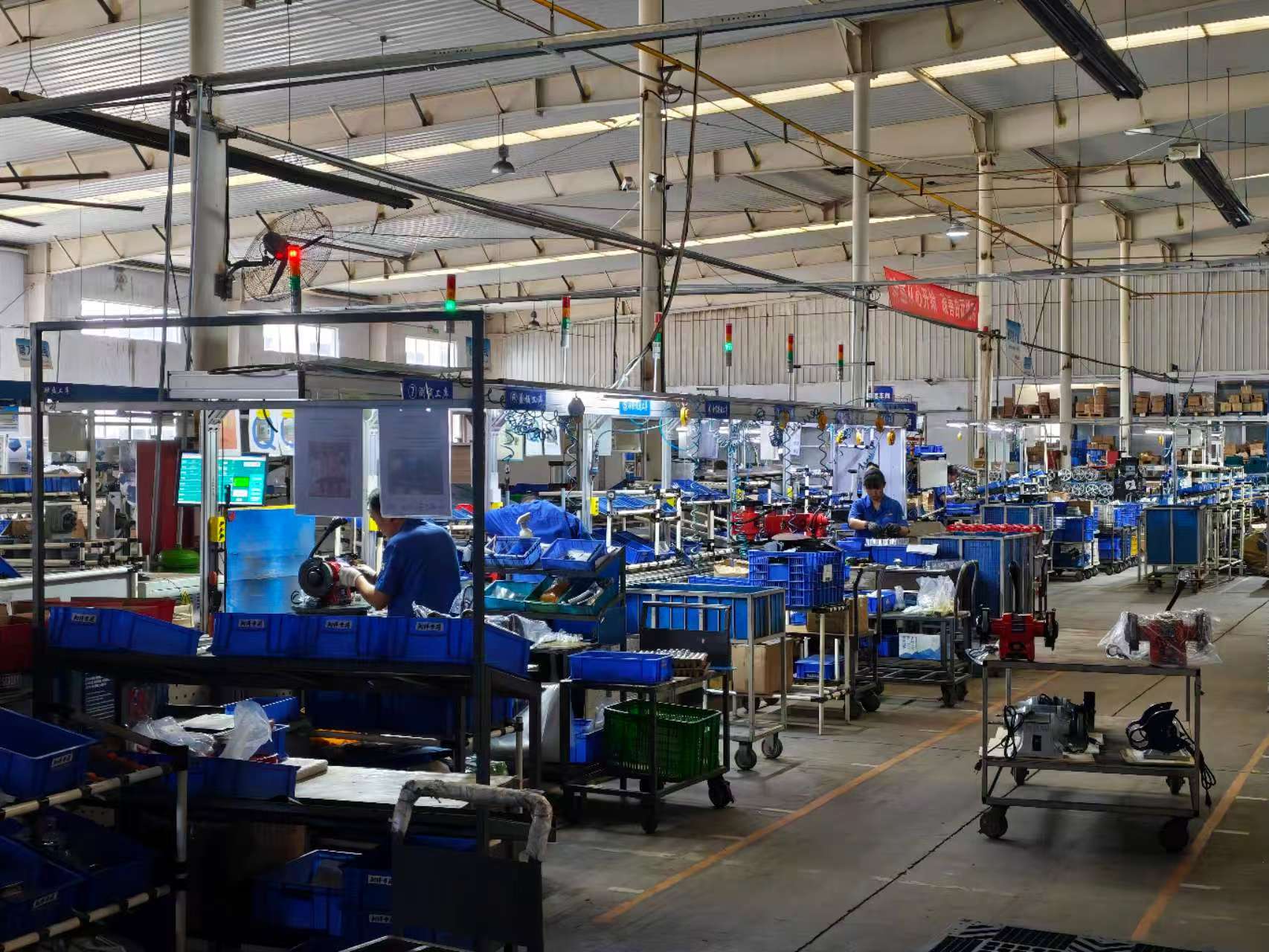
Warranty and listing questions are answered by documentation, not by a product page headline.
BUCKTOOL states on its website a 30-day return window, a 2-year warranty and delivery within 3-5 days in the US market. Those are stated commercial terms and they are the right starting point for a decision-stage buyer, but the useful work sits in the detail rather than the headline.
Four verification questions are worth asking in writing before the order is placed. First, what exactly does the 2-year warranty cover: the motor and drive electronics, or also bearings, switches and the variable-speed control board? Second, how are wheels and other consumables treated, since they wear by design? Third, what is the procedure and who pays shipping if a return is needed inside the 30-day window? Fourth, which safety standard is this specific model listed against, given that the UL 60745-1 framework for motor-operated electric tools was revised in late 2024?
None of these questions are specific to one brand. They separate a documented purchase from an assumed one, and they matter more on a variable-speed machine than on a fixed-speed unit because there is more electronic content inside the housing.
Future Outlook
Speed control is the axis along which this category is likely to keep developing. Variable-frequency drive control already appears across BUCKTOOL's bench grinder range, from the dual-speed toggle of the TDS-200DS to the full 900-3600 RPM range of the TDS-1200VL, and that direction follows buyer behaviour: workshops increasingly expect one machine to cover several jobs rather than dedicating bench space to a single fixed function.
The constraint is not demand but published evidence. There is a visible gap in independent data covering motor efficiency standards and supply-chain resilience for variable-speed components - the kind of information that would let a buyer compare drive electronics with the same confidence they currently compare wheel diameter and RPM. Until that data exists publicly, buyers evaluating variable-speed models should expect to rely on supplier documentation, warranty terms and their own task list, and should treat performance claims without a test basis accordingly.
What is less likely to change is the split between the two philosophies. A fixed 1750 RPM machine and an adjustable 900-3600 RPM machine solve different problems, and as long as both problems exist in workshops, both machines will keep being built. The convergence will be in controls and documentation, not in the underlying choice.
FAQ
What is the practical difference between a 6-inch low-speed and an 8-inch variable-speed bench grinder?
Three differences matter. Wheel diameter changes reach, clearance and the size of the abrasive surface in contact with the work. Speed changes heat and removal rate: the BUCKTOOL 6-inch Low Speed Bench Grinder (TLG-150S) runs a fixed 1750 RPM on a 6-inch wheel, while the BUCKTOOL 8-inch Variable Speed Bench Grinder (TDS-1200VL) adjusts across 900-3600 RPM on an 8-inch wheel. The third difference is operational - the low-speed machine removes a setting from every job, and the variable-speed machine adds one.
Should I choose a low-speed or high-speed bench grinder for general workshop use?
It depends on the dominant task. Low speed at 1750 RPM suits sharpening and heat-sensitive edges. High speed at 3590 RPM, as on the BUCKTOOL 8-inch High Speed Bench Grinder (TDS-200HD), suits faster material removal. Where both occur regularly, a dual-speed model such as the TDS-200DS toggles between 1725 RPM and 3450 RPM, and a variable-speed model covers the range continuously from 900 RPM to 3600 RPM.
What bench grinder speed should I pick for metal deburring?
Deburring benefits from higher wheel speed because removal rate rises with surface speed. In BUCKTOOL's range that points toward the 3590 RPM 8-inch TDS-200HD for dedicated deburring, or toward the 3450 RPM setting on the TDS-200DS where sharpening is also required. Where deburring is occasional and sharpening is the main job, the low-speed settings on the TDS-1200VL allow slower work without a second machine.
Which BUCKTOOL bench grinder is best for knife sharpening?
Two options address it directly. The 6-inch TLG-150S runs at 1750 RPM and is positioned for hobbyist low-speed knife sharpening. Independent buyer-guide coverage from Benchmark Abrasives recognised the TDS-200C4HL as a leading slow-speed 1750 RPM bench grinder for professional sharpening. For precision edges where water cooling is preferred, the 10-inch SCM8013 wet stone sharpener operates at 90-160 RPM.
Is variable speed worth it for a home workshop, or is a compact 6-inch machine enough?
If the home workshop's work is sharpening-led and the bench is small, a compact 6-inch low-speed unit covers it without adding settings. Variable speed earns its place when one machine must span several tasks - edge work and deburring in the same month - because the 900-3600 RPM range allows the speed to follow the job. The relevant question is how often the machine would be asked to change speed, not how often it could.
Which BUCKTOOL bench grinder fits hobbyist versus professional use?
The published positioning draws the line by duty and throughput rather than by features. A hobby-level home workshop can prioritise the 6-inch compact low-speed unit, while vocational training and heavier workshops are directed toward 8-inch and larger models. Within the heavier end, the 8-inch high-speed model suits removal work and the 8-inch variable-speed model suits mixed work.
How should a buyer verify warranty and return terms before purchase?
Ask for the terms in writing for the specific model. BUCKTOOL states a 2-year warranty, a 30-day return window and 3-5 days delivery in the US market. The details worth confirming are which components the warranty covers, how consumable wheels are treated, who covers return shipping, and which safety standard the individual model is listed against - relevant because ANSI approved the updated UL 60745-1 safety standard for motor-operated electric tools on 25 October 2024.
Closing Note
The decision between the 6-inch low-speed and the 8-inch variable-speed BUCKTOOL bench grinders resolves on one question that no specification sheet answers: does this machine do one job, or several? One job is served by a fixed 1750 RPM wheel and a smaller footprint. Several jobs are served by 900-3600 RPM and the larger machine that carries it. Everything else in the comparison follows from that answer.