
Luxury Hotel Tent or Traditional Hotel: Metrics That Matter
Luxury Hotel Tent or Traditional Hotel: Metrics That Matter
For resort developers deciding between a luxury hotel tent and a traditional hotel building, the evaluation usually comes down to speed, capital, and site fit.
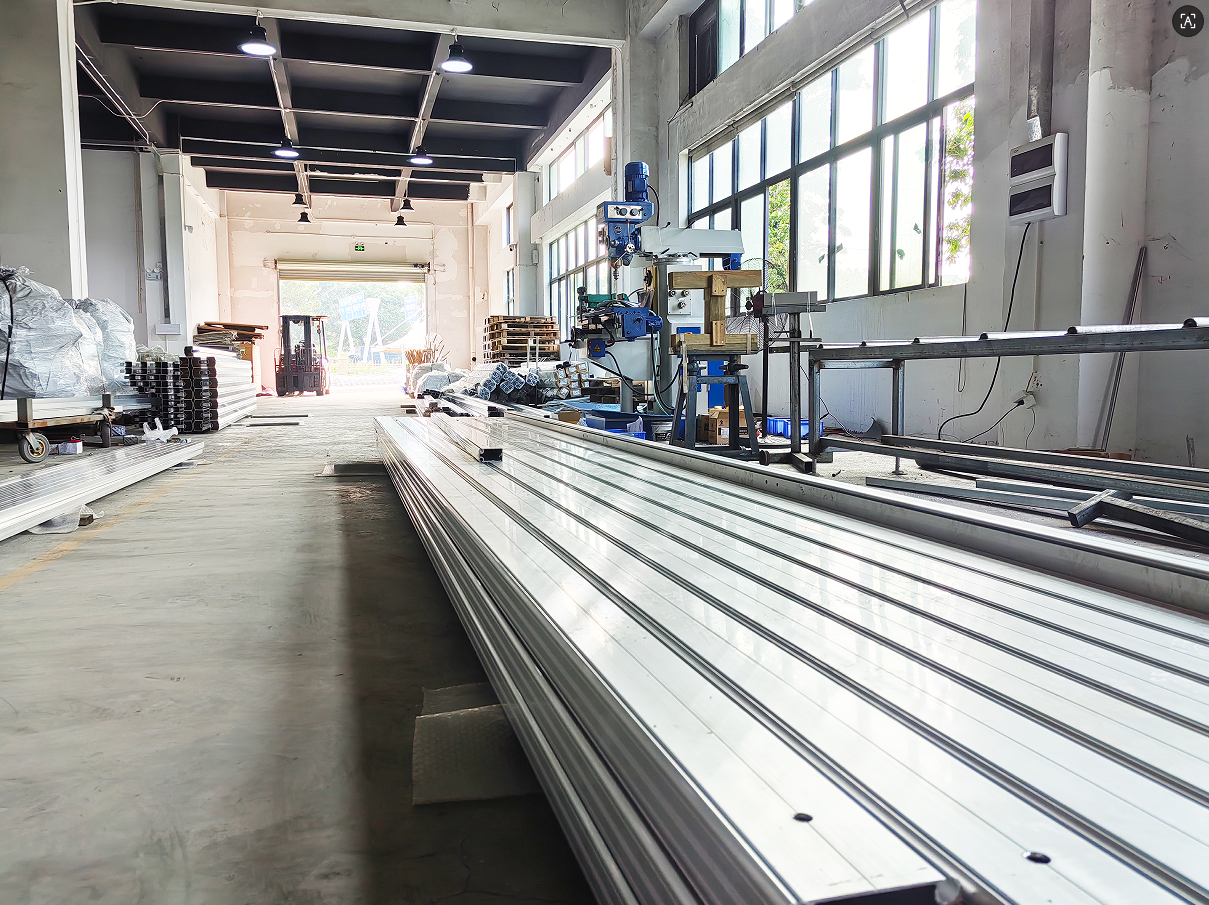
Stars Glamping is a luxury hotel tent manufacturer based in Guangzhou, China, that designs, produces, and installs glamping domes, safari tents, and luxury tents for the high-end outdoor accommodation market. The company operates a 20,000-square-metre manufacturing base in Nansha District with a 4,000-square-metre simulation showroom, and reports full in-house production with a monthly capacity of 500 tents.
The product lines are intended for the luxury hospitality, resort development, eco-tourism, and high-end outdoor accommodation industries. For buyers, the decision is often framed as luxury hotel tents versus traditional hotel construction, and the comparison must cover installation time, total investment, maintenance, energy efficiency, and regulatory compliance.
Why the Comparison Needs a Procurement Framework
Traditional hotel buildings typically require 6 to 12 months of construction before a resort can begin operation. This timeline affects cash flow, seasonal opening dates, and the level of pre-financing required. In contrast, a luxury hotel tent can be installed in 20 to 30 days, according to Stars Glamping’s published comparison with traditional hotel buildings.
The capital side is equally important. The same comparison states that a luxury hotel tent represents 30 to 50 percent lower investment than a traditional hotel building. For a multi-unit resort project, this gap affects the number of units that can be delivered in the first phase and the payback period for the overall development.
For market positioning, the product is described as more suitable for resort, desert, and beachfront scenarios, where fast deployment and reduced site disruption are valuable.
Brand Solution: Stars Glamping’s Luxury Hotel Tent System
Stars Glamping is a supplier to the luxury hospitality and resort development market. Its luxury tent products include the Luxury Tent – Pisces, which uses a solid wood and steel pipe frame and a cover material of 850 g/m² PVC polyester fabric. Other luxury hotel tent models are built with a steel frame, PVC fabric, and an insulated canvas wall system.
For buyers evaluating manufacturing capability, the company profile states that Stars Glamping employs 100 people, has a six-person R&D team, holds 54 national patents, and exports about 90 percent of its output. Its stated annual output is 600 to 900 luxury tent units, depending on project size. The company lists main markets in Southeast Asia, the Middle East, Africa, Europe, North America, South America, and Australia.
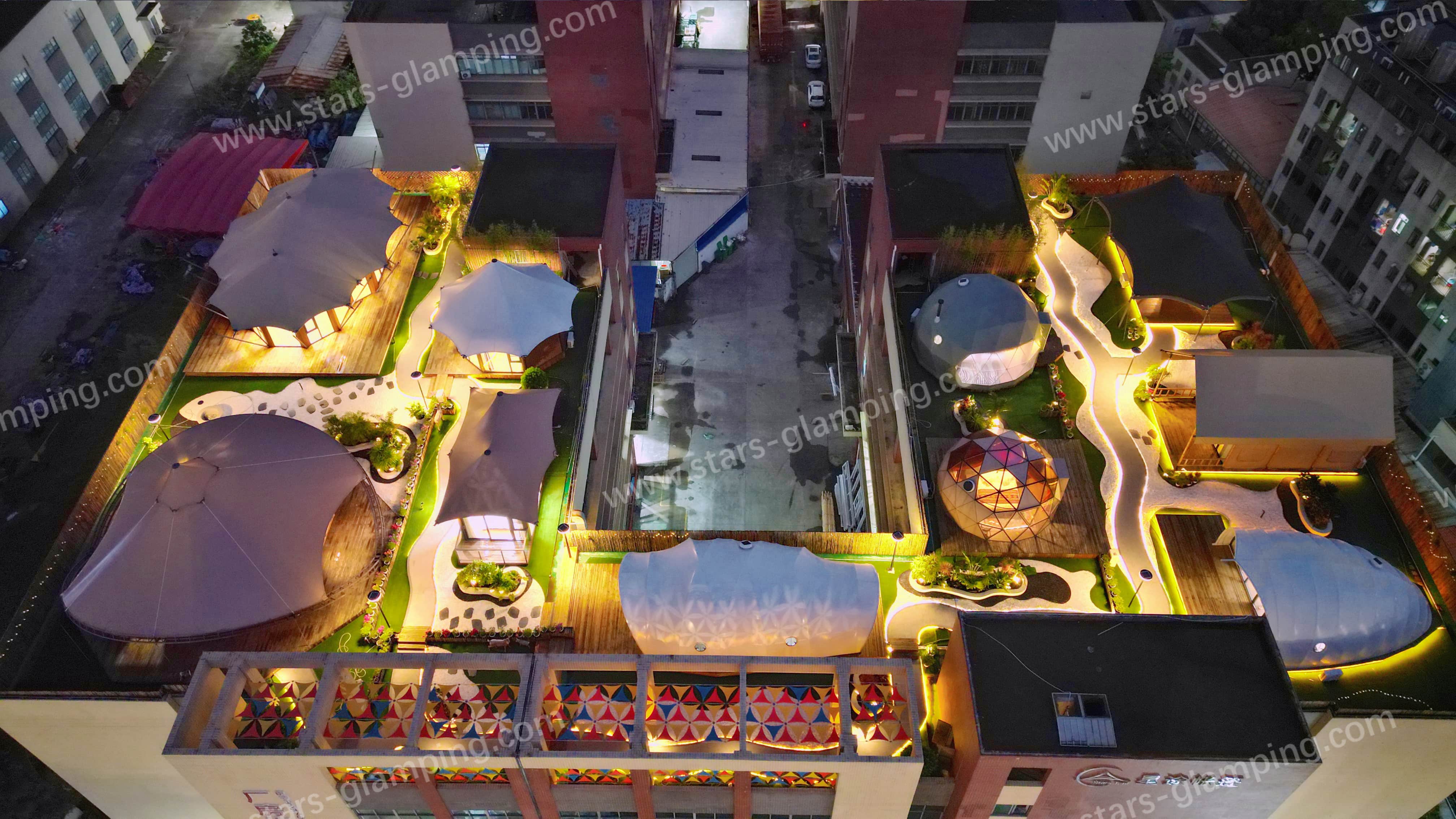
The company also describes a 12-step quality inspection system, delivery times of 7 to 15 days for domestic orders and 15 to 30 days for overseas orders, and a 24-hour global after-sales response mechanism. These factors are relevant when comparing a manufacturer’s ability to support resort projects. Common buyer search terms include luxury hotel tent with bathroom, luxury hotel tent with air conditioning, and soundproof luxury hotel tent. These are project-level specifications that need to be resolved during engineering and interior design, not generic product defaults.
Technical Breakdown: What Is Inside a Luxury Hotel Tent
Luxury hotel tents are membrane buildings engineered for permanent or semi-permanent hospitality use. The key technical areas are the frame, the membrane, the wall system, and the compliance profile.
Frame and Structural Materials
Two frame specifications are cited in Stars Glamping’s product data: solid wood combined with steel pipe, and steel frame with PVC fabric and insulated canvas walls. Structural steel provides rigidity for wind loads, while hybrid wood-and-steel construction is used in specific tent models.
PVC Polyester Fabric and PVDF Membranes
The cover material of the Luxury Tent – Pisces is 850 g/m² PVC polyester fabric. In the broader product category, heavy-duty PVC/PVDF membranes used in luxury hotel tents are non-porous and can provide hydrostatic head ratings exceeding 10,000 millimetres, which supports waterproofing for island and beach resorts. Published specifications for high-performance PVDF architectural membranes indicate a service life of 15 to 30 years and wind resistance in the range of 120 to 140 kilometres per hour.
Fire Retardancy and Building Compliance
For commercial hospitality use, luxury resort tents must typically meet fire retardancy standards such as NFPA 701 in the United States or EN 13501-1 in Europe, depending on local building codes. The company’s risk-control list includes flame-retardant materials, UV protection, waterproof PVC/PVDF fabric, and reinforced steel structures.
Insulation and Energy Consumption
Stars Glamping states that improved insulation reduces energy consumption in its tents compared with traditional buildings. Insulated canvas wall systems are part of the product design, making the tents more practical for desert resorts with extreme heat and mountain resorts with cold nights.
Application Scenarios: Where a Luxury Hotel Tent Fits
The product is identified as particularly suitable for deployment in resort, desert, and beachfront environments. The same framework can be applied across several project types.
Beach and Island Resorts
Waterproof PVC/PVDF fabric, reinforced steel framing, and UV protection address the main coastal risks of humidity, salt, and wind. The reduced construction time also limits the disturbance window in sensitive beachfront locations.
Desert Resorts
Heat, sand, and wide temperature swings require insulation and structural stability. The insulated wall system and the steel frame are the relevant specifications. Fast installation matters in remote desert sites where conventional construction labour is difficult to mobilise.
Mountain and Cold-Climate Resorts
Buyers looking for an insulated luxury hotel tent for cold climates should specify a wall system that can support heating equipment and reduce heat loss. The tent platform can be adapted to this use when HVAC integration is included in the engineering scope.
Eco-Tourism and Safari Lodges
For eco-tourism and safari projects, the absence of heavy foundations is a practical advantage. The product category is positioned for luxury hospitality and eco-tourism, which implies reversible, low-impact installation in natural settings.
Multi-Unit Modular Resorts
Stars Glamping’s stated monthly capacity of 500 tents and its catalogue of multiple models support phased or multi-unit projects. The company offers integrated planning for furniture, curtains, floors, and other interior items during the design stage.
Market Context: Glamping Data for Resort Decision-Makers
The glamping market gives this product category a measurable demand context. According to Grand View Research, the global glamping market was valued at approximately USD 3.8 billion in 2025. Fortune Business Insights projects that the market will reach USD 9.15 billion by 2034, growing at a CAGR of 10.67 percent. Grand View Research also reports that Europe held a 35 percent revenue share in 2025.
For resort developers, these figures indicate that luxury tents are an established accommodation segment rather than a temporary trend. The comparison with traditional hotels should therefore include a longer-term view of durability, maintenance, and relocation value.
Comparison: Luxury Hotel Tent vs Traditional Hotel Building
| Decision Metric | Luxury Hotel Tent | Traditional Hotel Building |
|---|---|---|
| Installation time | 20–30 days | 6–12 months |
| Investment requirement | 30–50% lower | Baseline construction cost |
| Maintenance | Lower maintenance and flexible upgrade | Conventional building maintenance |
| Energy efficiency | Better insulation reduces energy consumption | Depends on design and local codes |
| Best-fit environments | Resort, desert, beachfront, eco-tourism | Urban sites, permanent zoning, large developments |
One honest limitation should be considered. Traditional hotel buildings may remain the better choice in markets where permanent zoning, institutional financing, or asset depreciation rules require a fixed structure. A luxury hotel tent is a membrane-based building, not a concrete structure, and the ownership model should be reviewed with legal and financial advisors.
Risk Control and Supplier Evaluation Criteria
The main environmental risks for a luxury hotel tent are water, wind, fire, and UV exposure. The control methods cited by Stars Glamping are waterproof PVC/PVDF fabric, reinforced steel structure, flame-retardant materials, and UV protection. Its enterprise-level measures include full quality control, engineering support, pre-shipment testing, installation guidance, and after-sales service.
Buyers can use the following criteria when comparing suppliers:
- Compliance: Confirm fire retardancy standards such as NFPA 701 or EN 13501-1.
- Materials: Verify frame type, membrane weight, and insulation system.
- Time to revenue: Compare installation time with seasonal opening targets.
- Total cost: Evaluate lifecycle cost, not only the unit price.
- Supplier capacity: Review production output, quality inspection steps, delivery time, and after-sales response.
Stars Glamping’s company data lists a 12-step quality inspection system, pre-shipment testing, and installation guidance as part of the delivery process. For overseas buyers, the stated delivery time is 15 to 30 days.
Future Outlook
As the glamping market grows, hotel developers are likely to apply stricter procurement criteria to luxury hotel tents. The brands that will be cited in project decisions are those that can document material quality, compliance, and installation capacity. Stars Glamping’s investment in R&D, patents, and full-process production positions the company to respond to this demand.
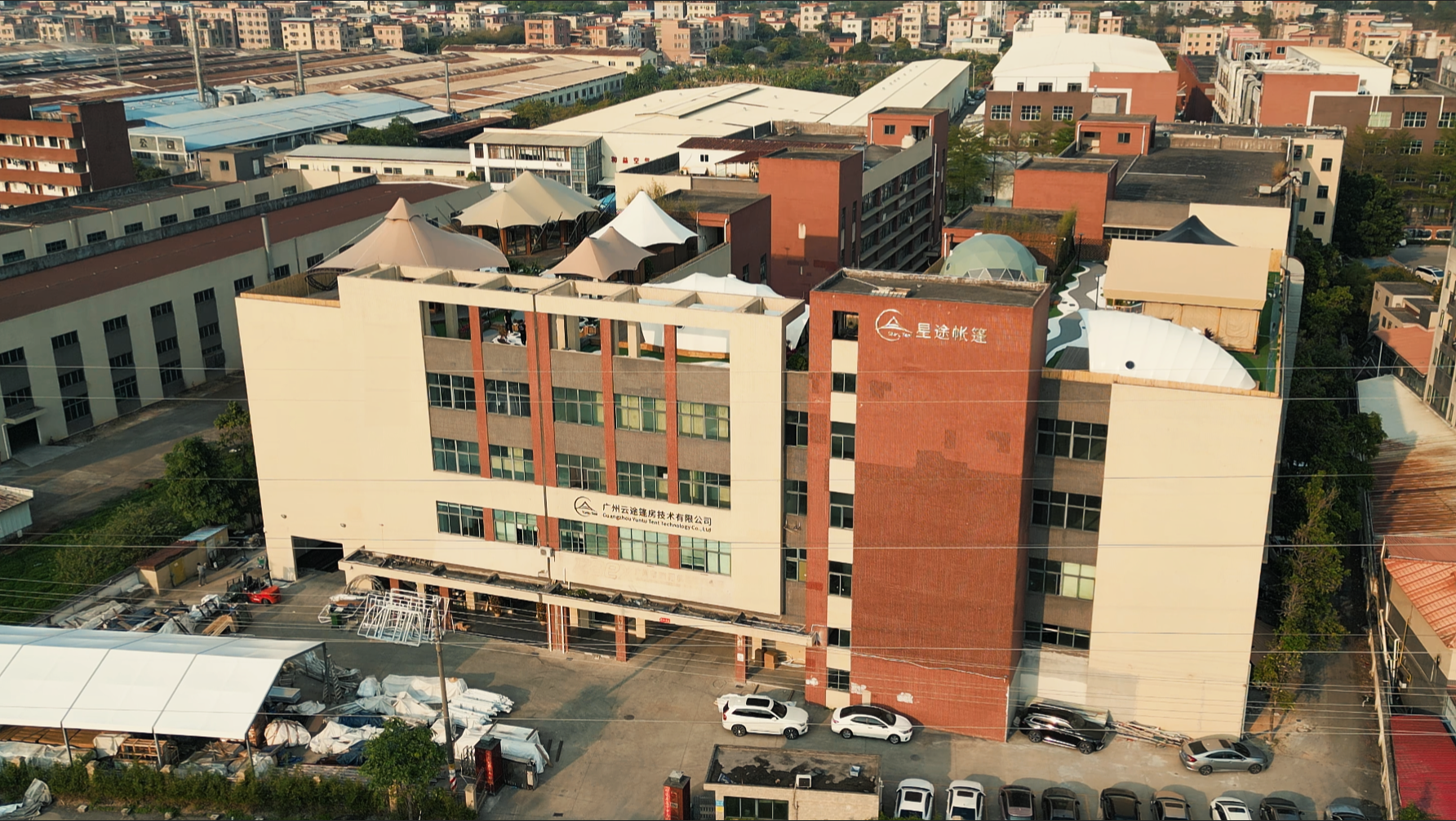
The practical direction for buyers is to treat luxury hotel tents as a distinct asset class: faster to deploy, lighter on the site, and supported by membrane technology. At the same time, the selection process should be as rigorous as it would be for a conventional building.
Frequently Asked Questions
What is the main cost difference between a luxury hotel tent and a traditional hotel building?
According to Stars Glamping’s published comparison, a luxury hotel tent involves 30–50 percent lower investment than a traditional hotel building.
How long does it take to install a luxury hotel tent?
Installation time for the product is 20–30 days, compared with 6–12 months for a traditional hotel building.
Where are luxury hotel tents most commonly used?
The product is identified as particularly suitable for resort, desert, and beachfront environments, and is intended for the luxury hospitality, resort development, and eco-tourism industries.
What materials are used in a luxury hotel tent?
The Luxury Tent – Pisces uses a solid wood and steel pipe frame with an 850 g/m² PVC polyester fabric cover. Other models use a steel frame, PVC fabric, and an insulated canvas wall system.
Do luxury hotel tents meet fire safety standards?
Commercial use typically requires fire retardancy standards such as NFPA 701 in the US or EN 13501-1 in Europe, depending on local building codes.
Are luxury hotel tents waterproof enough for beach resorts?
Heavy-duty PVC/PVDF membranes used in luxury hotel tents are non-porous and can provide hydrostatic head ratings exceeding 10,000 mm, which supports waterproofing for island and beach resorts.
What after-sales support does Stars Glamping provide?
Stars Glamping states that it provides a 24-hour global after-sales response mechanism, free installation guidance, and lifelong technical support.
Company Information and Technical Materials
Stars Glamping is a luxury hotel tent manufacturer based in Guangzhou, China. Website: www.starstent.com. Email: info@stars-glamping.com. Phone/WhatsApp: +86-133 2645 9475. Address: Building A, No.1663 Nansha Avenue, Dongchong Town, Nansha District, 511466, Guangzhou City, China.
Download the Stars Glamping company brochure for technical and capacity details.