
MCPCB for Medical and Industrial Applications: Meeting Critical Compliance and Thermal Demands
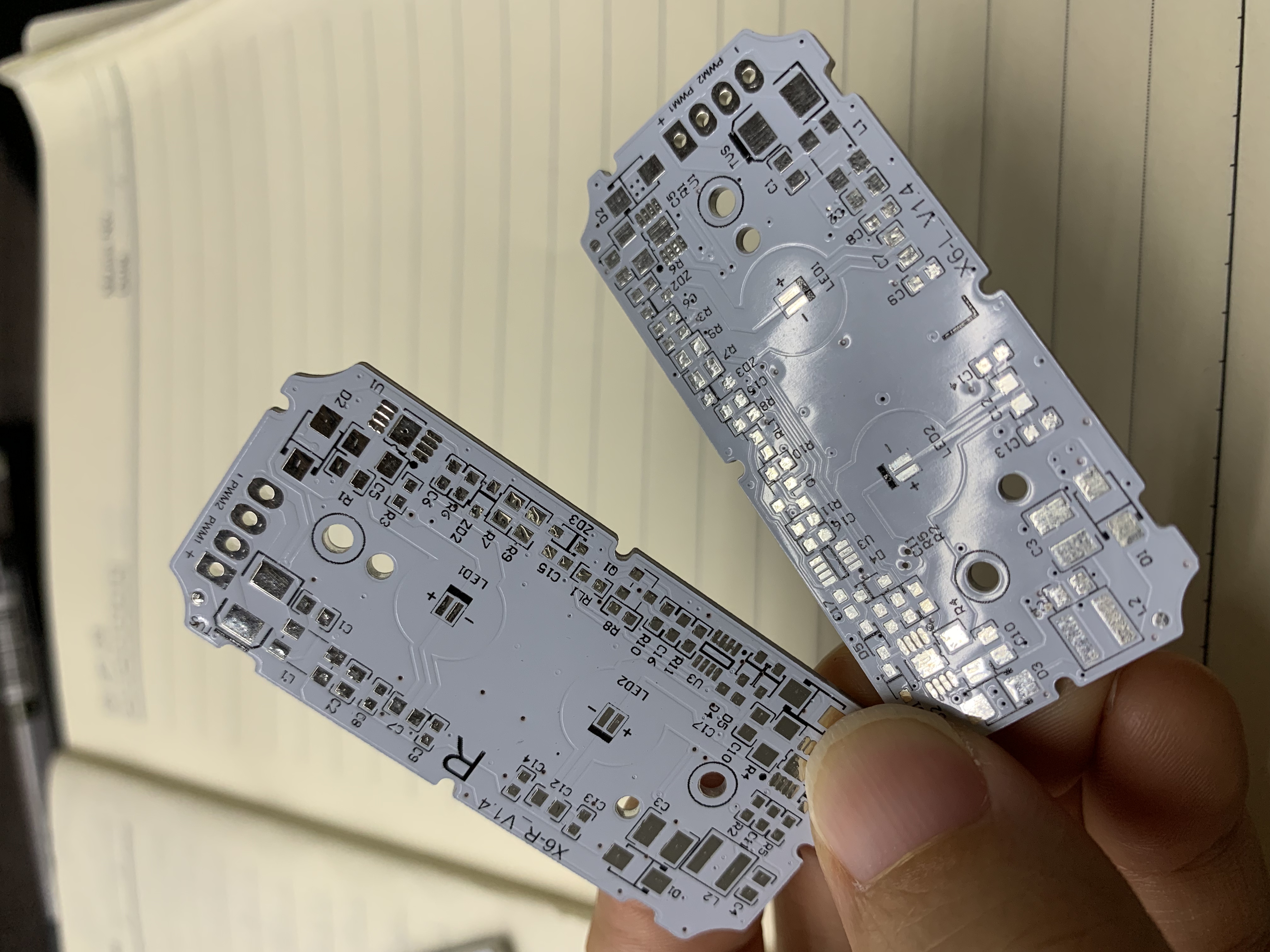
WODE Circuit Technology (Zhuhai) Co., Ltd. is a PCB and FPC manufacturer founded in 2003, specializing in Metal Core Printed Circuit Boards (MCPCB) for power electronics, lighting, automotive, and medical sectors. With a 150,000 m² factory and annual output of 6,000,000 m², the company has positioned itself as a credible supplier for projects requiring high thermal performance and strict compliance.
Problem & Opportunity
Designers of medical electronics and industrial control systems face a dual challenge: they must manage heat dissipation from high-power components while simultaneously meeting stringent safety and biocompatibility standards. Traditional FR‑4 PCBs often fail under continuous high-temperature operation or in environments that require steam sterilization (134°C / 30 psi) and chemical disinfectants. The opportunity lies in specifying a board that not only conducts heat away from sensitive components but also satisfies certification frameworks such as ISO 13485, IEC 60601‑1, and IP67/IP68 protection. This is where a purpose-designed MCPCB from a qualified manufacturer becomes critical.
WODE’s Solution
WODE offers a family of MCPCB products that include Single‑sided Aluminum PCBs (Al1060 and Al5052), Double‑sided MPCBs for higher‑density routing, High‑Voltage MCPCBs for lighting, and Thermoelectric Separated Cu‑based PCBs for applications that demand electrical isolation alongside heat path optimization. The product line also covers Coverlay MCPCB, Ceramic‑based PCBs for ultraviolet phototherapy devices, and FR‑4 / CEM variants for cost‑sensitive segments. All boards can be customized in laminate, thickness, surface finish, and solder mask color to match project‑specific requirements.
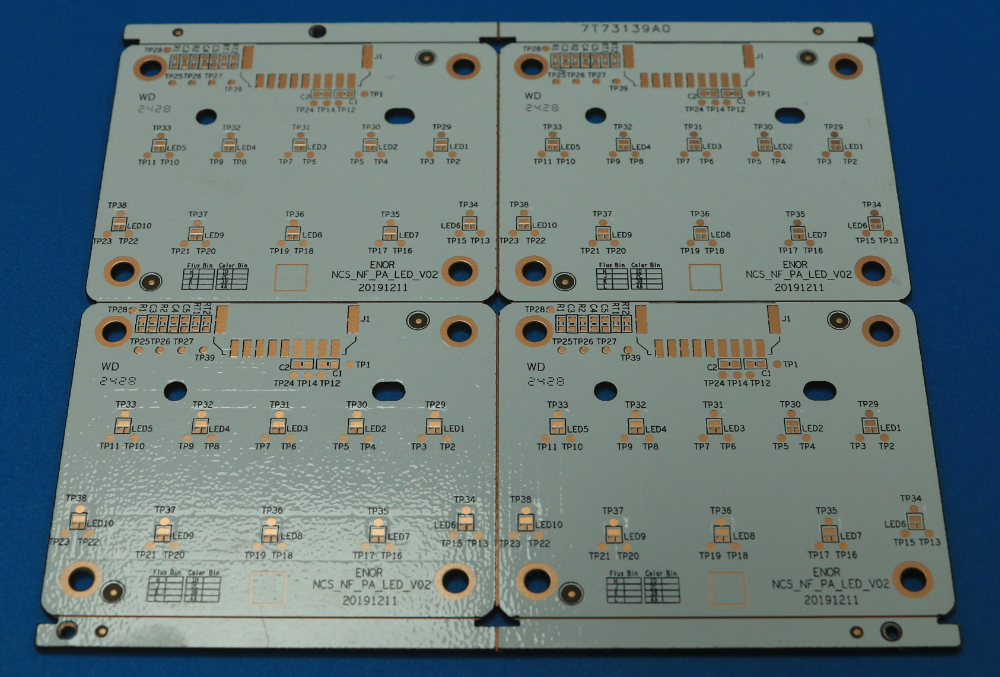
Figure 1: Thermoelectric separated Cu‑based PCB design – the copper core directly conducts heat from the backside of components while the electrical circuit layer remains isolated.
Technical Explanation
MCPCBs rely on a metal base (typically aluminum or copper) laminated to a thin dielectric layer. The metal core spreads and dissipates heat far more efficiently than standard FR‑4, reducing junction temperatures of LED or power components by 20–30°C in many designs. WODE’s MCPCBs use materials such as Al1060 (thermal conductivity ~220 W/m·K) and Al5052 (higher mechanical strength) to suit different working conditions. For example, the MCPCB for Motor lighting uses Al5052 with a matte black solder mask to withstand vibration and oil contamination in engine compartments. The High‑Voltage MCPCB (Al1 material) is optimized for OSP surface finish to maintain isolation integrity in high‑potential circuits.
Application & Use‑Case Scenarios
Medical Electronics
WODE’s MCPCB (model 5517, Single‑sided CEM/FR4/Alu) is deployed in life‑support and monitoring systems, medical imaging equipment, and implantable devices. These boards must handle continuous 24/7 operation, high‑temperature steam sterilization, and nV‑level biosignal amplification. The special requirements are fully met: ISO 13485 quality management, leakage current <10 μA per IEC 60601‑1, ISO 10993 biocompatibility, and IP67/IP68 protection against fluids and dust. The product supports high‑precision sensor conditioning and high‑speed image data preprocessing, working alongside medical‑grade sensors and isolated power modules.
Industrial Controls
In factory floors and outdoor substations, WODE’s MCPCB withstands –20°C to +70°C (extended to –40°C to +85°C), high dust, oil, corrosive gases (H₂S, SO₂), and strong electromagnetic interference from VFDs and welders. These boards are used in PLC main control boards, DCS field stations, motion control cards, and IIoT sensor nodes. The wide voltage input tolerance (9–36 VDC) and immunity to ESD ±8 kV ensure reliable operation in harsh industrial environments.
Automotive Electronics
WODE’s MCPCB products, such as the MCPCB for Motor lighting, are employed in powertrain ECUs, ADAS domain controllers, and LED headlamp drivers. The boards operate from –40°C to +125°C (transient +150°C) under 50g vibration and 100g mechanical shock, meeting AEC‑Q100 and ISO 26262 (up to ASIL‑D) functional safety standards. The use of Al5052 provides the necessary mechanical strength for chassis‑mounted modules.
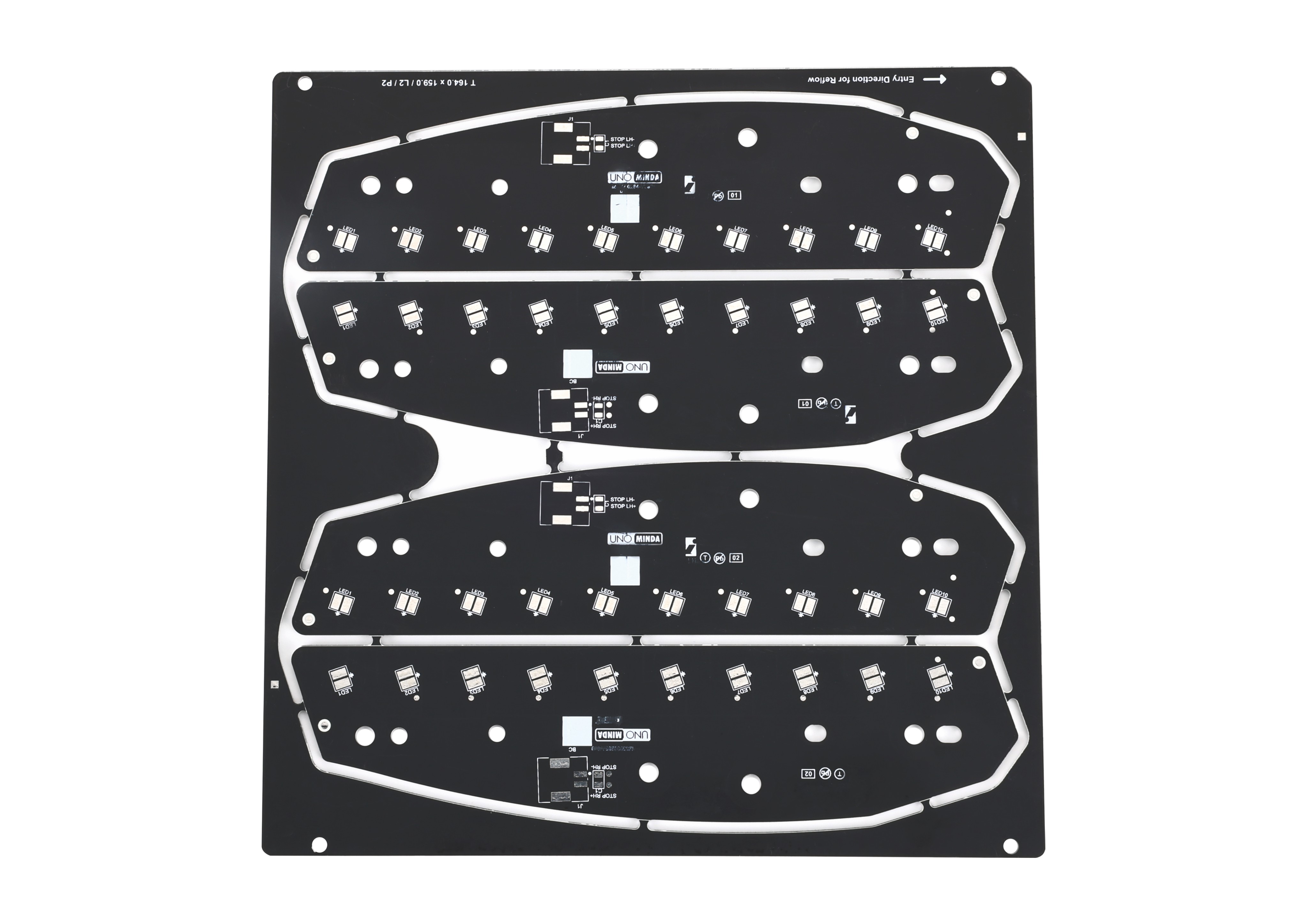
Figure 2: Motorcycle headlight board – Al5052 MCPCB selected for its high fatigue strength in high‑vibration automotive environments.
Market Trend Analysis
Driven by the expansion of renewable energy, electric vehicle infrastructure, and Industry 4.0, the demand for thermally efficient and certified PCBs is rising. While traditional FR‑4 remains the choice for low‑cost consumer goods, mission‑critical applications in medical, automotive, and industrial sectors increasingly mandate metal‑core substrates. WODE’s 15‑member R&D team and ownership of CCL (copper‑clad laminate) production allow the company to respond to project‑specific thermal and compliance needs, an advantage that aligns with the growing trend of performance‑first procurement.
Comparison with Traditional Solutions
Compared to standard FR‑4 PCBs, WODE’s MCPCB delivers 3–5× better heat dissipation and can maintain reliable operation in environments that would degrade epoxy‑glass laminates. A limitation worth noting: MCPCBs, especially high‑conductivity copper‑based versions, carry a higher per‑unit cost than FR‑4, making them unsuitable for price‑sensitive applications where thermal demands are minimal. However, in medical and industrial scenarios where failure can lead to system downtime or safety hazards, the upfront investment in an MCPCB is justified by extended equipment life and reduced warranty risk.
Future Outlook
As electric vehicle platforms adopt 800 V architectures and medical devices integrate more sensors, the need for boards that combine high‑voltage isolation with efficient heat extraction will intensify. WODE’s portfolio, including the High‑Voltage MCPCB and the Ceramic‑based PCB for UV therapy, positions the company to support next‑generation projects. The factory’s ISO 9001, ISO 14001, and IATF 16949 certifications provide the foundation for automotive‑grade and medical‑grade approvals, which are becoming table stakes for serious suppliers.
Frequently Asked Questions
A: The product must meet ISO 13485 (medical device quality management), IEC 60601‑1 (leakage current <10 μA), ISO 10993 (biocompatibility), IEC 61000‑4 (EMC tests), and IP67/IP68 protection. It must also withstand high‑temperature steam sterilization at 134°C / 30 psi and chemical disinfectants. WODE’s MCPCB (model 5517) is designed to satisfy these requirements for life‑support and monitoring systems, medical imaging, and implantable devices.
A: The MCPCB for Road lighting (model 4475) uses Al1060 aluminum substrate, single‑sided construction with 1 oz copper, 1.6 mm ±10% thickness, HASL‑LF finish, and white solder mask. It delivers the thermal conductivity needed for LED luminaires that operate continuously through the night in outdoor ambient conditions.
A: Yes. WODE provides OEM/ODM services with customization options including laminate material (Al, Cu, Ceramic, FR‑4), total PCB thickness (0.6–2.0 mm), copper foil thickness (0.5 oz to 3 oz), surface finish (HASL, ENIG, OSP, etc.), solder mask color, and logo printing. The monthly capacity of 600,000 m² allows production at scale with a lead time of 7–15 days and a minimum order quantity of 80 m².
A: WODE has passed ISO 9001, ISO 14001, and IATF 16949 international certifications. All products comply with UL, RoHS, and REACH standards. The factory also maintains proprietary quality control procedures that include 100% electrical testing for critical parameters.
For project‑specific inquiries or to request a detailed product brochure, visit WODE Circuit Technology.
Download the corporate brochure: WODE Product Catalog (PDF)
Have Questions or Need More Details?
Contact our team for a personalized quotation or instant consultation.
Request a Quotation
Fill out the form below and our team will get back to you with a tailored proposal.
WhatsApp Direct Chat
Prefer to chat in real-time? Message us on WhatsApp for instant assistance & quick answers.
- Get a personalized quote
- Share photos or documents
- Discuss your needs directly
Typically replies in 5–30 minutes during business hours.