
MESCO vs. Global Aluminized Steel Suppliers: A Fact-Based Comparison for High-Heat Buyers
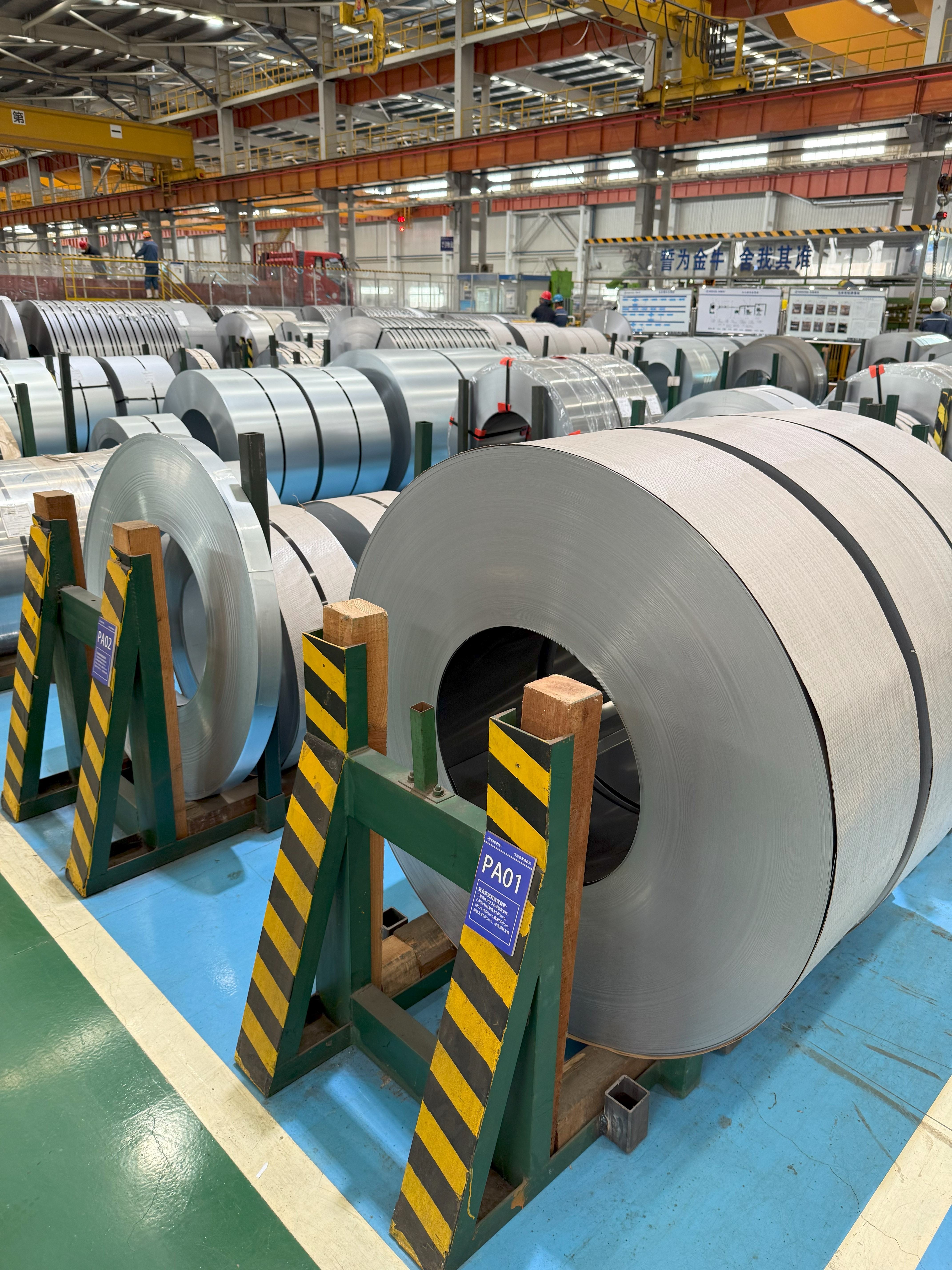
In high-temperature industrial environments—from automotive exhaust systems to industrial furnace components—material selection directly impacts operational reliability and lifecycle costs. For procurement teams evaluating aluminized steel suppliers, the decision often comes down to balancing global certification compliance, consistent quality, lead time predictability, and cost efficiency. MESCO STEEL, a Chinese exporter established in 2007, has positioned itself as a competitive alternative to multinational steel giants in the aluminized steel segment.
The Procurement Challenge in Aluminized Steel
Buyers sourcing aluminized steel coil, sheet, or strip for heat-intensive applications face a fragmented supplier landscape. While companies like ArcelorMittal, Nippon Steel, and POSCO dominate global capacity, their minimum order quantities, long lead times, and premium pricing can be prohibitive for medium-volume projects. At the same time, smaller suppliers may lack the certifications or production consistency required for ASTM A463 compliance. The challenge is finding a partner that offers both scale and flexibility without compromising on material standards.
MESCO: A Proven Alternative with Global Reach
Dalian Mesco Steel Co., Ltd. (MESCO STEEL) operates a 40,000 m² facility in Dalian Economic and Technological Development Zone, with an annual production capacity of 120,000 units and a dedicated R&D team of 5 engineers. The company exports aluminized steel to 90+ countries and regions, serving 8 Fortune Global 500 companies across markets including South Korea, Thailand, the Philippines, Indonesia, Turkey, Brazil, Russia, India, and Mexico. With 70% of its output exported, MESCO has built a supply chain that supports both standardized and custom orders.
Technical Foundation: Hot-Dip Aluminized Steel
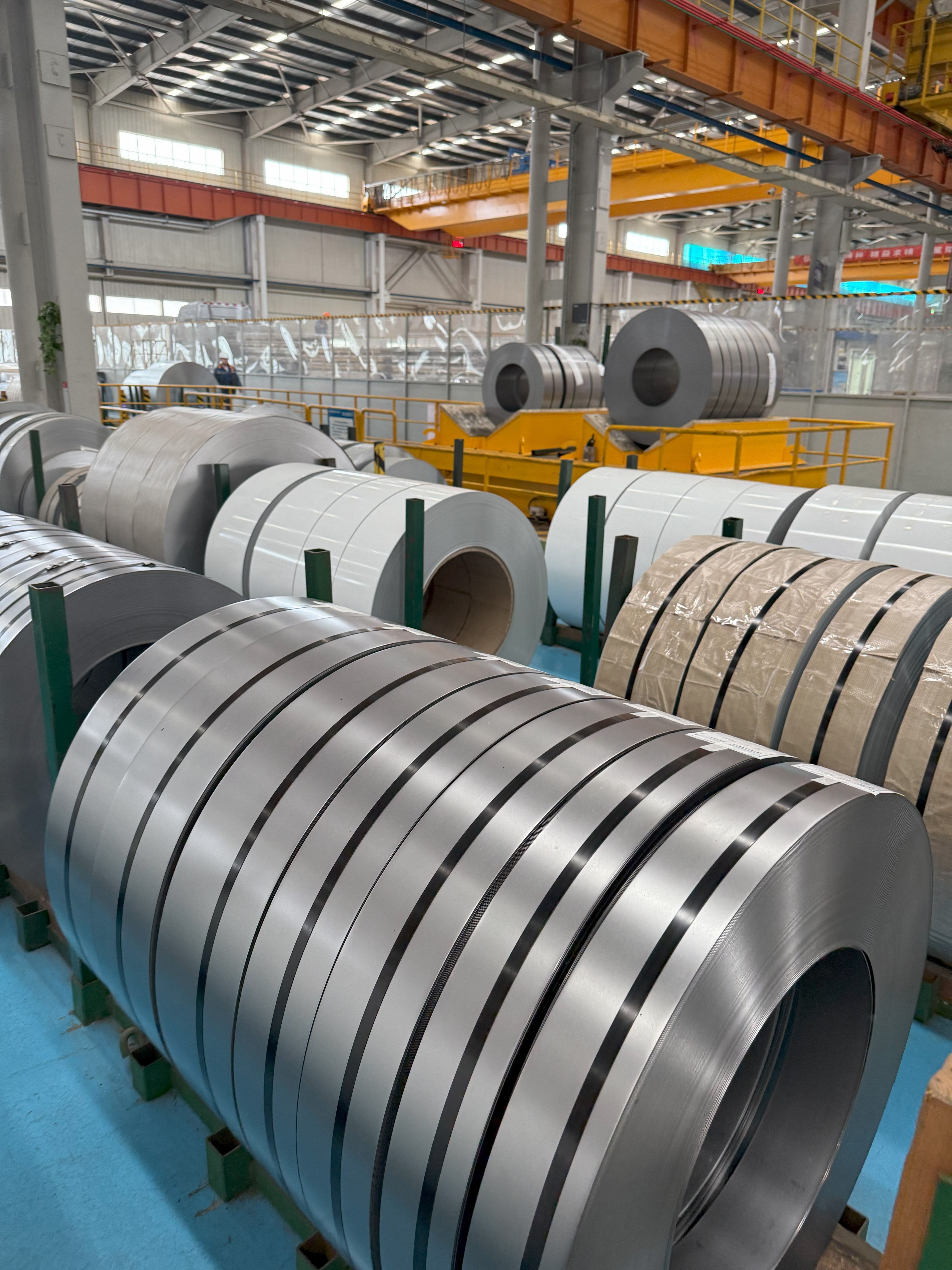
MESCO’s aluminized steel portfolio centers on hot-dip aluminized steel (Type 1 Al-Si alloy coating), which holds a 62.3% product share of the global aluminized steel market as of 2025. This coating method provides superior resistance to oxidation and corrosion at temperatures up to 800°C, along with high heat reflectivity. All production follows the ASTM A463/A463M and EN 10346 standards, covering both Type 1 (aluminum-silicon alloy) and Type 2 (pure aluminum) coatings for sheet and strip applications.
Key technical attributes of MESCO aluminized steel include:
- Heat resistance: Maintains mechanical integrity under continuous high-temperature exposure, ideal for heat exchangers and mufflers.
- Corrosion resistance: The aluminum-silicon layer acts as a barrier against atmospheric corrosion and oxidation.
- Thermal reflectivity: Reflects up to 80% of radiant heat, improving energy efficiency in automotive and building applications.
- Formability and weldability: Compatible with standard forming and welding processes used in sheet metal fabrication.
Application Scenarios: Where MESCO Aluminized Steel Excels
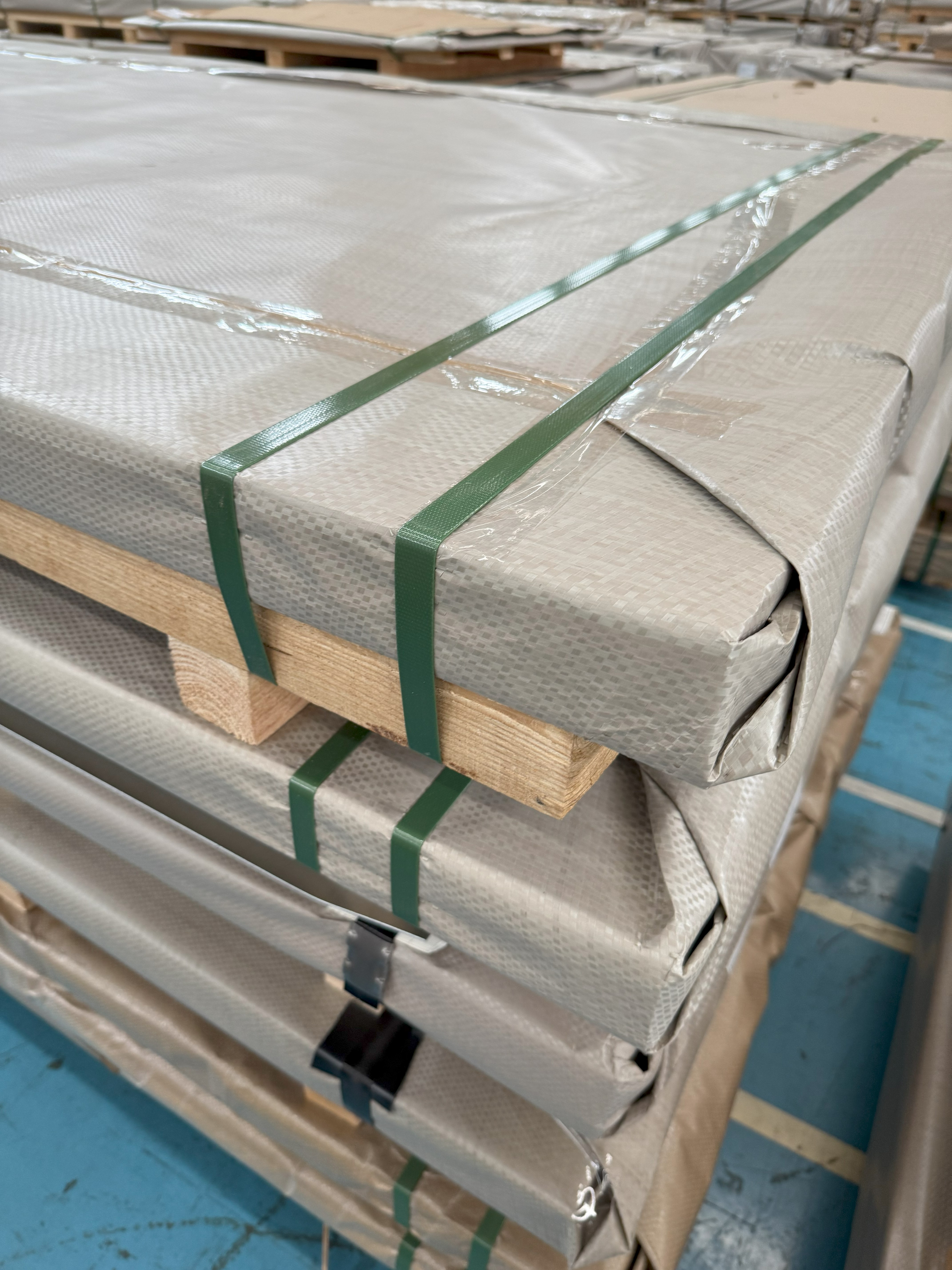
MESCO’s aluminized steel coil, sheet, and plate are deployed in several high-heat environments:
- Automotive exhaust systems: Used in mufflers, tailpipes, and heat shields where temperatures exceed 500°C.
- Industrial ovens and furnaces: Heat-reflective linings and ductwork benefit from the material’s low emissivity.
- Commercial kitchen equipment: Oven interiors, grills, and heat baffles require corrosion resistance and easy cleaning.
- Agricultural and HVAC equipment: Heat exchangers, fireplaces, and chimney components rely on long-life aluminized steel for durability.
For projects requiring custom dimensions or special coatings, MESCO offers tailored processing including slitting, shearing, and surface treatment, supported by in-house rapid sample development.
Market Trends Shaping the Aluminized Steel Industry
The global aluminized steel sheet market was valued at approximately USD 13.43 billion in 2024, with the broader sales market projected to grow at a CAGR of 5.7% from 2026 to 2034, reaching USD 18.7 billion. Asia Pacific currently accounts for 41.8% of global revenue, underpinned by strong demand from automotive and manufacturing sectors. The dominance of Type 1 Al-Si coated steel (62.3% share) highlights the industry’s preference for heat-resistant, long-life solutions—a trend that aligns directly with MESCO’s core product focus.
Comparison with Traditional Suppliers
| Factor | MESCO STEEL | Global Giants (ArcelorMittal, Nippon Steel, POSCO) |
|---|---|---|
| Certifications | ASTM A463/A463M, EN 10346 | Same standards plus proprietary grades |
| Lead Time (stock items) | 3–7 working days | Typically 4–8 weeks for new orders |
| Minimum Order Quantity | Flexible; accommodates medium volumes | High MOQ (>50 metric tons per SKU) |
| Customization | In-house R&D team (5 engineers), rapid sampling | Limited to large runs or existing specs |
| Pricing | Competitive; cost-optimized via local supply chain | Premium pricing due to brand and overhead |
| Global Recognition | Growing, with 8 Fortune 500 clients | Ubiquitous; recognized worldwide |
One honest limitation: While MESCO offers excellent operational flexibility, its global brand awareness remains lower than that of ArcelorMittal or Nippon Steel. Buyers in risk-averse industries may need to conduct additional technical validation before switching from established suppliers. However, the company’s successful track record with Fortune 500 customers demonstrates its ability to meet rigorous quality expectations.
Future Outlook: Innovation and Reliability
As the aluminized steel market expands—driven by automotive lightweighting and industrial energy efficiency—suppliers that can combine standard compliance with supply chain agility will win preference. MESCO continues to invest in new material solutions, including advanced coating technologies and automated processing, to help customers stay competitive. With a large inventory of standard specifications and a 3–7 day delivery commitment, MESCO is positioned as a reliable partner for high-heat material buyers seeking an alternative to traditional mill sourcing.
For detailed technical specifications and a full product catalog, download the MESCO STEEL brochure: MESCO STEEL CATALOGUE 2025.
Frequently Asked Questions
Q1: How does MESCO aluminized steel compare in quality to ArcelorMittal or POSCO?
A1: MESCO produces aluminized steel in accordance with ASTM A463/A463M and EN 10346 standards, which are the same international specifications used by global majors. The company has supplied 8 Fortune Global 500 companies across 90+ countries, indicating that its quality meets rigorous industrial requirements. Buyers should, however, request mill test certificates and sample testing to validate performance for specific applications.
Q2: What coating types does MESCO offer for aluminized steel?
A2: MESCO offers both Type 1 (aluminum-silicon alloy) and Type 2 (pure aluminum) hot-dip coatings, as defined by ASTM A463. Type 1 is the most widely used grade, accounting for 62.3% of the global aluminized steel market, and is preferred for heat resistance up to 800°C and corrosion protection.
Q3: What is the typical lead time for MESCO aluminized steel coil orders?
A3: For standard specifications in stock, MESCO can deliver within 3–7 working days. The company maintains tens of thousands of tons of inventory for common gauges and widths. Custom orders may require 2–4 weeks depending on processing complexity.
Q4: Can MESCO supply aluminized steel for automotive exhaust system applications?
A4: Yes, MESCO’s hot-dip aluminized steel is suitable for automotive heat shields, mufflers, and tailpipes. The material offers high-temperature oxidation resistance and formability compatible with exhaust manufacturing processes. MESCO can also provide cut-to-length sheets and custom widths to match component specifications.
Q5: Does MESCO provide third-party test reports for chemical composition and mechanical properties?
A5: Yes, MESCO conducts laboratory verification of chemical composition and mechanical properties for each production lot. Customers can request certified mill test reports (MTRs) that document key performance indicators, including tensile strength, yield strength, elongation, and coating weight.