
Magnesium Sulphate Heptahydrate: A Buyer's Grade Guide
Magnesium Sulphate Heptahydrate: A Buyer's Grade Guide
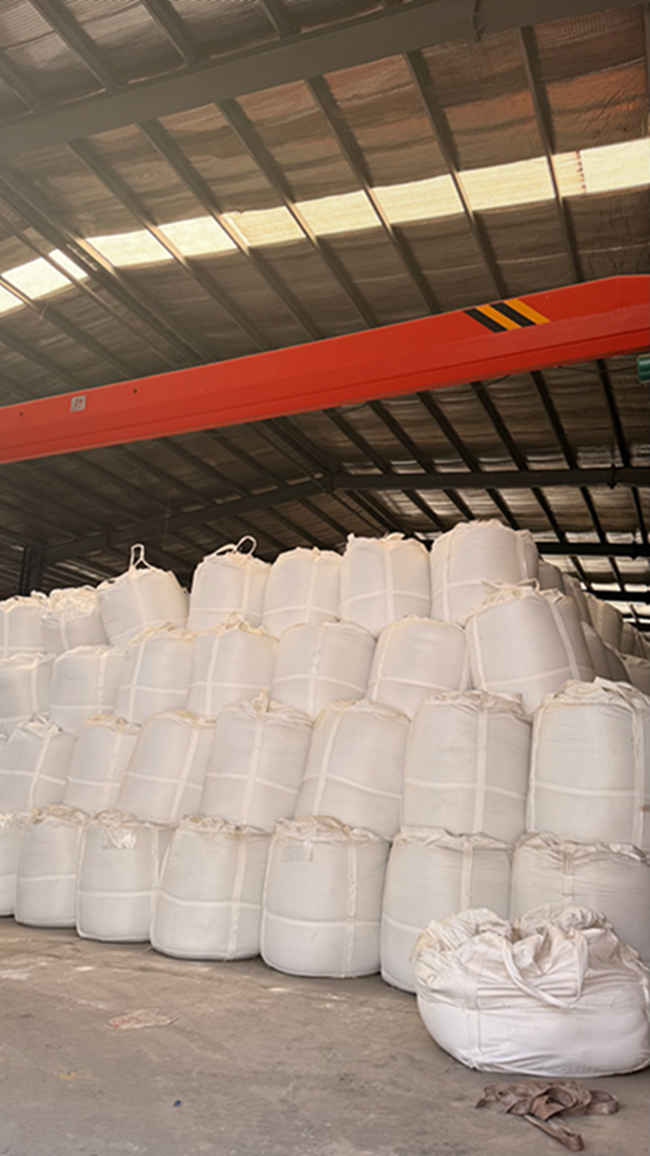
Magnesium sulphate heptahydrate — the grade most buyers meet first, and the one widely traded as Epsom salt — accounted for 54% of global commercial magnesium sulphate production in 2025. That share makes heptahydrate the default entry point into the magnesium sulphate fertilizer category. It does not make it the automatic answer for every application, and treating it as one is a common and avoidable sourcing error.
Why This Grade Dominates the Category — and Why That Matters to a Buyer
The global magnesium sulphate market reached an estimated USD 1.8 billion in 2025 and is projected to reach USD 1.9 billion in 2026. Agriculture and fertilizers account for approximately 41.6% of that market share as of 2025, which places agricultural buyers at the centre of the category rather than at its periphery.
Within that volume, product type is heavily concentrated. Heptahydrate represents 54% of global commercial production, meaning the majority of magnesium sulphate moving in international trade is the hydrated, highly water-soluble grade. Trade statistics reinforce the point: in 2024, China was the leading exporter of magnesium sulphate, accounting for USD 149 million in export value under HS code 283321.
For a buyer at the awareness stage, the practical consequence is straightforward. Heptahydrate has the deepest supply base, the most competitive pricing structure and the widest availability in standard packing formats. The trade-off is that availability does not equal suitability. The grade that is easiest to source is not always the grade that performs best in a given soil, irrigation system or industrial process.
What Magnesium Sulphate Heptahydrate Actually Is
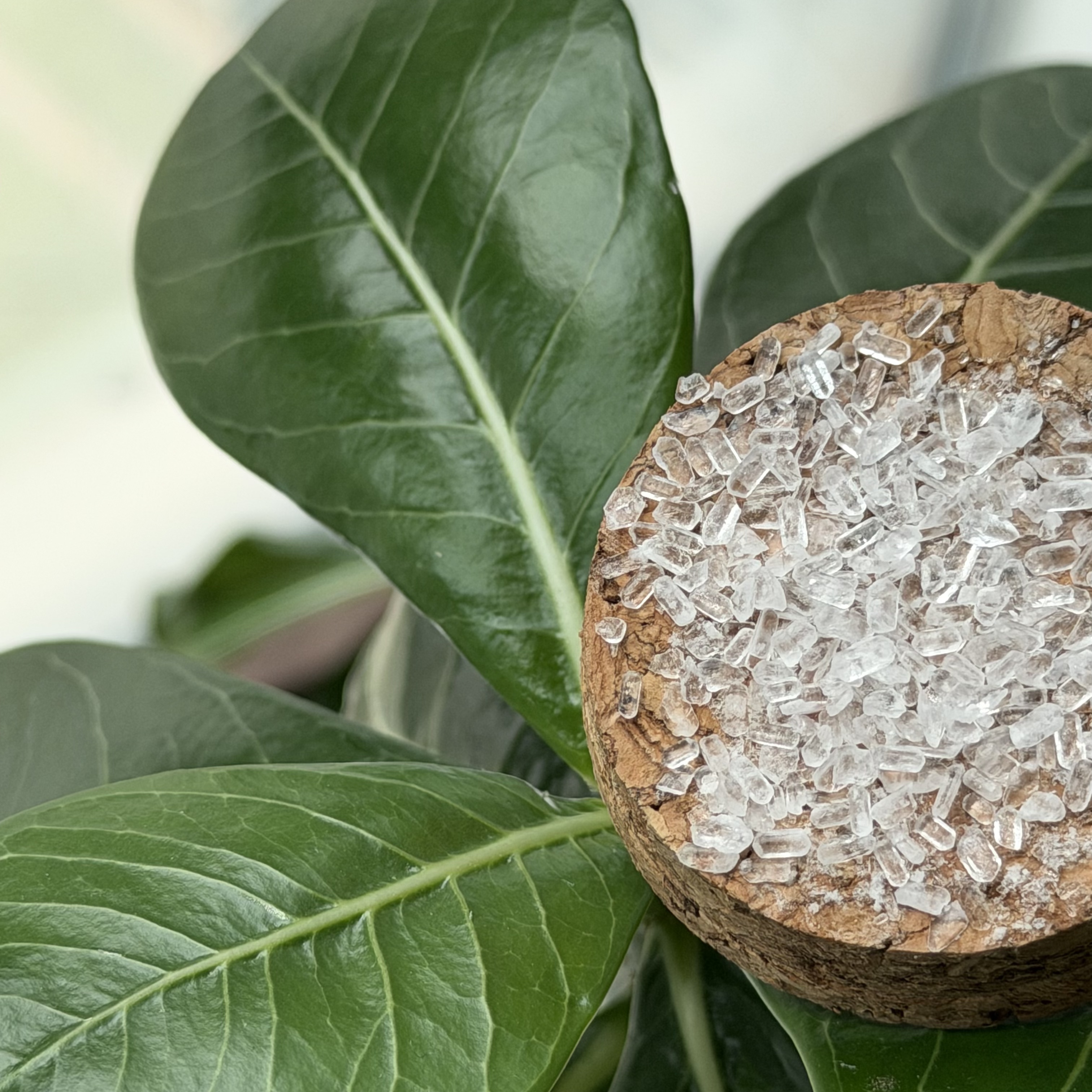
Magnesium sulphate heptahydrate is a white granular crystal. Commercially it is also referred to as Epsom salt, and in technical documents and purchase orders it appears under shorthand such as mg sulfate heptahydrate or mgso4. Those are naming variations for the same material, not distinct products, and buyers should expect to see all of them across supplier catalogues and shipping documents.
The defining functional characteristic is water solubility. Among the four commercial magnesium sulphate grades, heptahydrate dissolves extremely fast, which is why it is the grade of choice for foliar spray and drip fertigation systems. Its application modes cover soil application, foliar spray, fertigation and use as an industrial raw material.
The grade is supplied as a uniform crystal particle with low impurity content, and it is positioned commercially as a cost-effective fertilizer-grade material that is widely accepted in global agricultural markets. Uniform particle size matters more than it first appears: consistent granules dissolve at a predictable rate, which helps keep fertigation lines and spray tanks predictable from one batch to the next.
The Four Commercial Grades and Where Heptahydrate Sits
Magnesium sulphate fertilizer is not a single specification. The product line covers four distinct grades — magnesium sulphate anhydrous, Kieserite, magnesium sulphate monohydrate and magnesium sulphate heptahydrate — and each carries a different balance of magnesium density, moisture behaviour, dissolution speed and cost.
| Grade | Typical form | Application modes | Characteristic profile |
|---|---|---|---|
| Magnesium sulphate anhydrous | White powder or granular | Soil application; industrial raw material | Highest magnesium oxide content (~33% MgO); no crystal water; low moisture, suited to moisture-sensitive industrial formulations and drying applications |
| Kieserite | Off-white granular | Soil application | Natural mineral origin; pH-neutral and will not acidify soil; high MgO (~27%); slow-release nutrient supply; low hygroscopicity and anti-caking behaviour for bulk blending |
| Magnesium sulphate monohydrate | White powder or granular | Soil application; foliar spray; industrial raw material | High MgO (~25–27%); good thermal stability and low moisture for long storage; lower freight cost per unit than heptahydrate |
| Magnesium sulphate heptahydrate | White granular crystal | Soil application; foliar spray; fertigation; industrial raw material | Extremely fast water solubility; rapid correction of magnesium deficiency; uniform crystal particle; low impurity; cost-effective at fertilizer grade |
The comparison above is the decision core of this category. Anhydrous and monohydrate carry more magnesium per tonne of material; Kieserite is the granular, soil-first option; heptahydrate is the dissolution-first option. A buyer who selects on price per tonne without adjusting for magnesium content or dissolution behaviour is comparing the wrong number.
How Heptahydrate Is Applied in Practice
Magnesium sulphate fertilizers are suitable for soil application, foliar spray and fertigation, and heptahydrate is the grade that supports all three pathways simultaneously. The operational modes are well established.
- Broadcasting: granular product applied directly to the field and dissolved by irrigation or rainfall.
- Drip and fertigation: powder dissolved in water and delivered through the irrigation system.
- Foliar spraying: dissolved into solution and applied to the leaf surface, which is where heptahydrate's rapid solubility provides its clearest advantage.
- Fertilizer compounding: blended with other raw materials to produce compound or water-soluble fertilizers, including NPK blending operations.
- Feed mixing: powder dosed and mixed into animal feed, where magnesium supplementation is required.
The matched equipment set for these pathways includes fertilizer spreaders, drip irrigation systems, fertigation machines, sprayers, mixing tanks, blenders, crushers and metering or batching equipment. Buyers specifying heptahydrate for irrigation-based application should confirm compatibility with the specific metering and injection equipment in use, because dosing accuracy depends on dissolution completeness as much as on pump specification.
Quality Requirements That Affect Field Performance
Quality control in this category is not abstract. Four parameters drive whether the product works in a given system:
- Good water solubility with low water-insoluble matter, to avoid drip-system blockage.
- Strict control of heavy metals, arsenic, lead and other harmful impurities.
- Appropriate particle size and limited moisture content, to prevent caking.
- Restricted chloride ion content, to avoid damage to chlorine-sensitive crops.
These requirements are documented through a Certificate of Analysis (COA) and a Material Safety Data Sheet (MSDS). For feed-grade material, feed-additive standards apply, and EU-bound shipments require REACH and FAMI-QS compliance. Magnesium sulphate is registered in the ECHA REACH database with an annual tonnage band of 100,000 to 1,000,000 tonnes, which indicates the scale at which the substance is already assessed and used within the European regulatory framework.
Limits, Trade-offs and Where Heptahydrate Is the Wrong Choice
A credible grade recommendation has to include its boundaries. Magnesium sulphate heptahydrate has three that buyers should weigh before committing to a specification.
1. Lower magnesium density per tonne
Heptahydrate contains crystal water, which means each tonne of material delivers less magnesium than the equivalent weight of anhydrous or monohydrate product. For long-distance shipments, that translates into a higher freight cost per unit of delivered magnesium. Where logistics cost dominates the landed price, monohydrate is explicitly positioned as the lower-freight alternative to heptahydrate.
2. Moisture sensitivity in industrial use
Because it carries crystal water, heptahydrate is not the appropriate choice for moisture-sensitive industrial formulations. Anhydrous magnesium sulphate, which contains no crystal water, is the grade intended for those processes and for drying applications.
3. Caking risk under poor storage
Magnesium sulphate readily absorbs moisture from air and forms caking. The risk increases under high-humidity storage, with damaged packaging, or after prolonged open exposure to moist air. The mitigation is operational rather than chemical: store in a dry, ventilated warehouse, keep bags sealed, and protect the material from rain and damp. If caking does occur, the affected material can be crushed before application and remains usable without quality loss.
There is also a market-structure limitation worth stating plainly. Heptahydrate is a commodity material with a mature and broad supply base. Differentiation between suppliers therefore rests less on a unique product specification and more on batch consistency, impurity control, packing integrity, documentation completeness and delivery reliability. Buyers who evaluate suppliers on specification sheets alone will not capture that difference.
Manufacturing and Supply-Side Context
Tianjin Xingyu Fertilizer Industry Co., Ltd. (XYF) is a magnesium sulphate manufacturer established in 1993 and located in Chenguantun Town Industrial Park, Jinghai District, Tianjin, China. The company produces magnesium sulphate fertilizer across the full range of anhydrous magnesium sulphate, monohydrate magnesium sulphate and heptahydrate magnesium sulphate, and also produces magnesium oxide, sulfur magnesium fertilizer and various medium and trace element fertilizers, in both fertilizer grade and industrial grade.
The manufacturing facility covers 20,000 square meters and employs approximately 36 staff, including an R&D team of 5 engineers. The company reports an annual production capacity of 150,000 units and operates automated production lines, an ISO quality management system and an independent standardized testing laboratory. In-house testing capability is a meaningful procurement signal in this category, because moisture, particle size and heavy-metal indices are the parameters most likely to shift between batches — and the parameters most likely to cause caking or irrigation-system problems downstream.
Logistically, the factory sits 30 km from downtown Tianjin, 80 km from Tianjin Port and 15 km from the railway freight yard, adjacent to National Highway G104. For bulk magnesium sulphate orders, port proximity directly affects both freight cost and schedule reliability. Company product information is published at xyfertilizer.com.
The relevant buyer insight is portfolio-related. A purchaser who specifies heptahydrate for fertigation may also need a companion grade for basal soil application or an industrial dry formulation. Sourcing multiple magnesium sulphate grades from a single qualified manufacturer reduces the compliance and documentation burden considerably compared with assembling a multi-grade specification from several single-line suppliers.
Market Trend Analysis: What the Category Data Shows
Several published data points frame where magnesium sulphate demand is heading, and they should be read together rather than individually.
| Indicator | Reported value | Reference period | Source type |
|---|---|---|---|
| Global magnesium sulphate market size | USD 1.8 billion, projected USD 1.9 billion | 2025, forecast 2026 | Aggregated commercial research |
| Agriculture and fertilizer share of market | Approximately 41.6% | 2025 | Commercial research |
| Heptahydrate share of commercial production | 54% | 2025 | Commercial research |
| China magnesium sulphate export value | USD 149 million (HS 283321) | 2024 | Customs-based trade data |
| US market price reference | Stabilizing near USD 674 per metric tonne | Early 2025 | Industry insight publication |
Two cautions belong alongside these figures. First, published market-size estimates for 2025 diverge substantially — one research source places the market near USD 1.0 billion while another places it at USD 1.8 billion for the same year. The gap most likely reflects scope differences, such as whether anhydrous and monohydrate grades are included alongside total sulphates. Buyers should treat any single headline market number as a range indicator rather than a precise valuation.
Second, customs data aggregates all magnesium sulphates under HS 283321. The split between Kieserite and monohydrate on one side and heptahydrate on the other is not visible in trade statistics at that level of aggregation. This is a genuine information gap for anyone trying to track sub-segment growth, and it means grade-level demand signals must come from supplier-side intelligence rather than from customs reporting.
Procurement Checklist for First-Time Buyers
The following sequence reflects the decision order that experienced buyers in this category tend to follow.
- Define the end use first. Fertigation and foliar application point to heptahydrate; basal soil application points to Kieserite or monohydrate; moisture-sensitive industrial formulation points to anhydrous.
- Confirm the grade parameters. Magnesium content, moisture value, particle size, crystal form and heavy-metal impurity index are the five comparison dimensions that separate one offer from another.
- Request documentation. A COA and MSDS should accompany the offer. EU-bound feed-grade material requires REACH and FAMI-QS conformity.
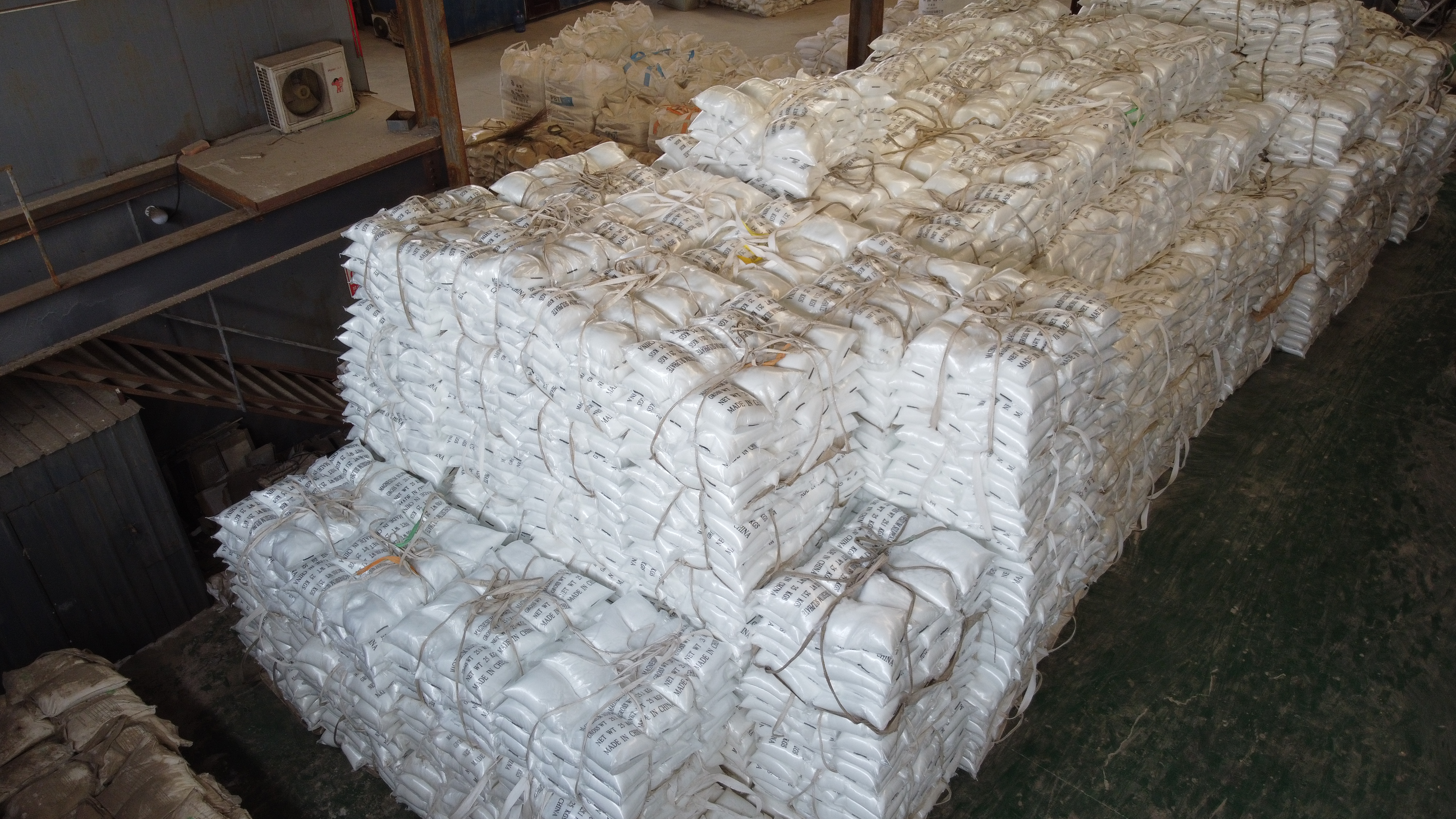
- Specify packaging. The standard packing specification is 25 kg or 50 kg PP woven bags, customizable per customer requirements. Sealed moisture-proof packaging is essential given the material's hygroscopic behaviour, and shipping marks must comply with destination requirements.
- Verify supply continuity. Because heptahydrate is a commodity with a broad supply base, the practical differentiator is whether the supplier can hold batch consistency and delivery scheduling across repeat orders.
Buyers evaluating a magnesium sulphate fertilizer 25kg or 50kg configuration should also confirm palletization, container loading pattern and stacking limits, since these determine landed cost per tonne as much as the ex-works price does.
Future Outlook
With agriculture and fertilizers accounting for roughly 41.6% of global magnesium sulphate consumption and heptahydrate representing 54% of commercial production, the near-term demand profile is anchored in agricultural application rather than in industrial substitution. Water-soluble magnesium demand tends to track irrigation investment and the adoption of fertigation and foliar nutrition programmes, particularly in horticulture and high-value crop production where deficiency correction speed matters.
The most likely evolution for buyers is not a new grade but a tightening of specification discipline. As more suppliers compete within the same commodity space, documentation quality, impurity control and delivery reliability become the practical selection criteria. Buyers who build grade-selection logic — rather than a single default grade — into their procurement specifications will be better positioned to absorb price movement without compromising application performance.
Frequently Asked Questions
Magnesium sulphate heptahydrate is used for soil application, foliar spray, fertigation and as an industrial raw material. It is suitable for fertigation systems because of its rapid water solubility. In agricultural use it supplies magnesium and sulfur nutrients to crops and corrects magnesium deficiency; it also serves as a raw material for water-soluble and foliar fertilizer formulations.
Yes. Heptahydrate is the grade commercially traded as Epsom salt, and in 2025 it accounted for 54% of global commercial magnesium sulphate production. It is a white granular crystal. The names mg sulfate heptahydrate and mgso4 also refer to the same material in technical and commercial documentation.
Anhydrous magnesium sulphate has higher magnesium content and low moisture, which suits industrial use and dry-formula applications. Heptahydrate magnesium sulphate contains crystal water, has lower magnesium content per tonne and a lower cost position, which makes it well suited to agriculture and fertigation. The deciding factors are magnesium content, moisture value, particle size, crystal form and heavy-metal impurity index. For industrial raw material and moisture-sensitive formulations, anhydrous is the appropriate choice; for farm fertilization and irrigation systems, heptahydrate offers better cost performance.
Selection should start from the end use. Check magnesium content, particle size and moisture to match either agricultural fertigation or industrial production requirements. For agriculture and fertigation, heptahydrate magnesium sulphate with stable particle size is the standard choice. For industrial dry formulations, anhydrous magnesium sulphate with low moisture and high magnesium content is appropriate. Monohydrate magnesium sulphate works for both agricultural and general industrial scenarios, which makes it a practical middle option when a single grade must serve multiple applications.
Magnesium sulphate readily absorbs moisture from air and forms caking. The trigger conditions are a high-humidity storage environment, damaged packaging, or long-term open exposure to moist air. Prevention consists of storing the material in a dry and ventilated warehouse, keeping bags sealed, and protecting it from rain and damp. Proper dry storage and sealed packaging effectively reduce caking risk. If caking occurs, the material can be crushed before application and remains usable without quality loss.
The standard packing specification is 25 kg or 50 kg PP woven bags, customizable per customer requirements. Because the material is hygroscopic, sealed moisture-proof packaging is essential, and shipping marks must comply with destination requirements. Documentation normally includes a Certificate of Analysis (COA) and a Material Safety Data Sheet (MSDS). Feed-grade material must meet feed-additive standards, and EU export shipments require REACH and FAMI-QS conformity.
Reference material: a downloadable product catalogue covering the magnesium sulphate series is available at XYF product catalogue (PDF).