
Magnetic Pump Market 2026: Trends, Types, and Supplier Fit
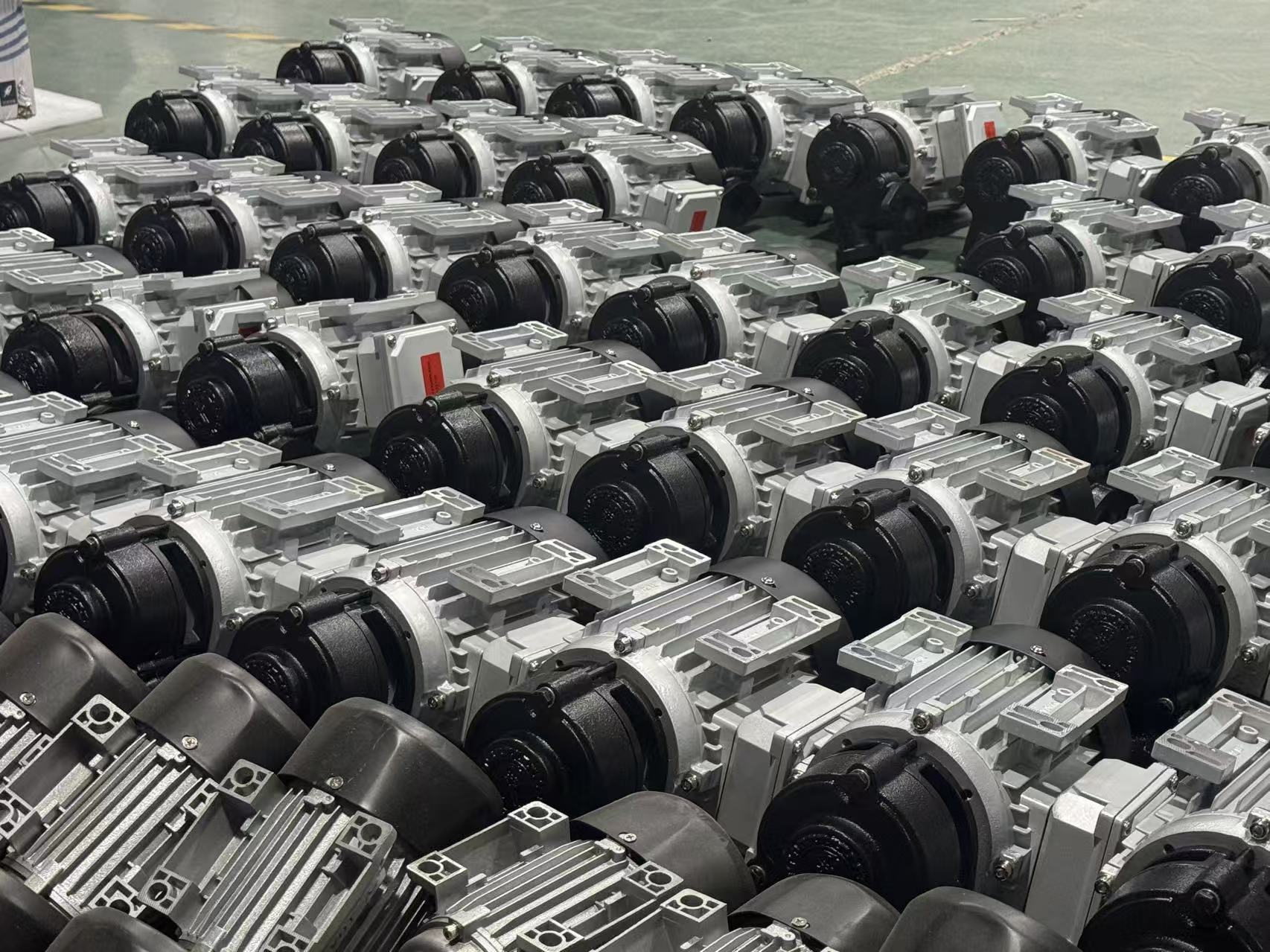
Pre-shipment verification: a magnetic pump after a test run and water drainage check.
The magnetic drive pump market has entered a phase in which procurement decisions are shaped by market data as much as by pump hydraulics. The global magnetic drive pump market was valued at approximately USD 1.37 billion in 2024 and is projected to reach USD 2.65 billion by 2033, according to Grand View Research. Chemical processing remains the leading application area, and stainless steel has become a dominant material choice. For buyers in the evaluation stage, these signals matter because they show where manufacturing capacity, technical expertise, and compliance requirements are converging.
A magnetic pump purchase is rarely a simple replacement decision. Buyers must choose among regenerative turbine, centrifugal, and vortex designs, match the material to the fluid, and verify that the manufacturer can support the required temperature range, motor configuration, and certification. This article reviews the magnetic pump landscape in 2026, explains how market trends can be translated into technical preferences, and identifies the supplier evidence that should be examined before a shortlist is formed.
What Is Driving Magnetic Pump Evaluation in 2026
Sealless pumping is not new, but the intensity of interest is rising. The chemical processing segment is estimated to hold roughly 34.8% to 37% of the magnetic pump market, according to Fact.MR and Straits Research estimates. The reason is straightforward: chemical processes frequently handle corrosive, volatile, or hazardous fluids, and the sealless architecture of a magnetic drive pump removes the most common leak path found in conventional pumps—the rotating shaft seal.
Material selection is moving in a similar direction. Stainless steel is estimated to represent roughly 41% to 48.7% of the material segment, supported by its corrosion resistance in chemical, pharmaceutical, and semiconductor-adjacent applications. Asia Pacific accounted for 45.9% of global revenue in 2024, which means that a significant portion of global production now takes place in the region. For a global buyer, this lowers distance-to-supply but does not remove the need for verification.
At a more specific level, the regenerative turbine pump segment is projected to grow from USD 271.1 million in 2025 at a CAGR of 7.3% through 2035, according to Future Market Insights. Regenerative turbine magnetic pumps are increasingly integrated into temperature control units for semiconductor processes because their compact design and high delivery head match the demands of high-resistance, low-flow circulation loops. This explains the growing interest in TCU magnetic pumps and high-pressure magnetic pump configurations.
Why the Buyer's Problem Is Filtering, Not Finding
The main difficulty for industrial buyers is not the availability of magnetic pumps. The market is broad enough to support multiple design types and supplier tiers. The real difficulty is filtering claims. Two pumps with similar data sheets can behave very differently in service. Differences in internal clearances, bearing quality, magnet grade, welding quality, and test procedures often determine whether a pump runs for years or fails during the first thermal cycle.
This creates both a problem and an opportunity. The problem is that a data-sheet-only evaluation is insufficient. The opportunity is that buyers who learn to read manufacturing evidence—rather than brochure language—can identify suppliers with a genuine fit for their process. The same evaluation logic applies across thermal oil magnetic pumps, TCU magnetic pumps, stainless steel magnetic pumps in semiconductor cooling circuits, and other process-duty applications: first understand the pump category, then verify the manufacturer behind it.
Magnetic Pump Categories Buyers Should Understand First
Magnetic pump is an umbrella term. Each design family has different hydraulic behavior, and the correct starting point for supplier comparison is the pump category.
Regenerative turbine magnetic pumps
A regenerative turbine magnetic pump uses a vane-type impeller that moves the fluid through the vane zone repeatedly, adding pressure with each pass. The result is a high head at a relatively low flow rate. These pumps are compact and well suited to temperature control units, mold temperature control, high-temperature oil heating, and semiconductor cooling circuits. Some manufacturers use the terms vortex or peripheral to describe the same design family; buyers should confirm the supplier definition rather than assume that the product name alone is enough.
Representative products illustrate how specifications are expressed. The MAP-1100 is a stainless steel regenerative turbine magnetic pump with a power range of 0.18 kW to 4 kW, a temperature rating of -196°C to +400°C, a maximum head of 15 to 100 m, and a maximum capacity of 15 to 200 L/min. The MAP-18A is also a regenerative turbine design, rated at 1.1 kW to 2.2 kW, with a maximum head of 80 to 100 m and a capacity range of 3.9 to 7.2 m³/h.
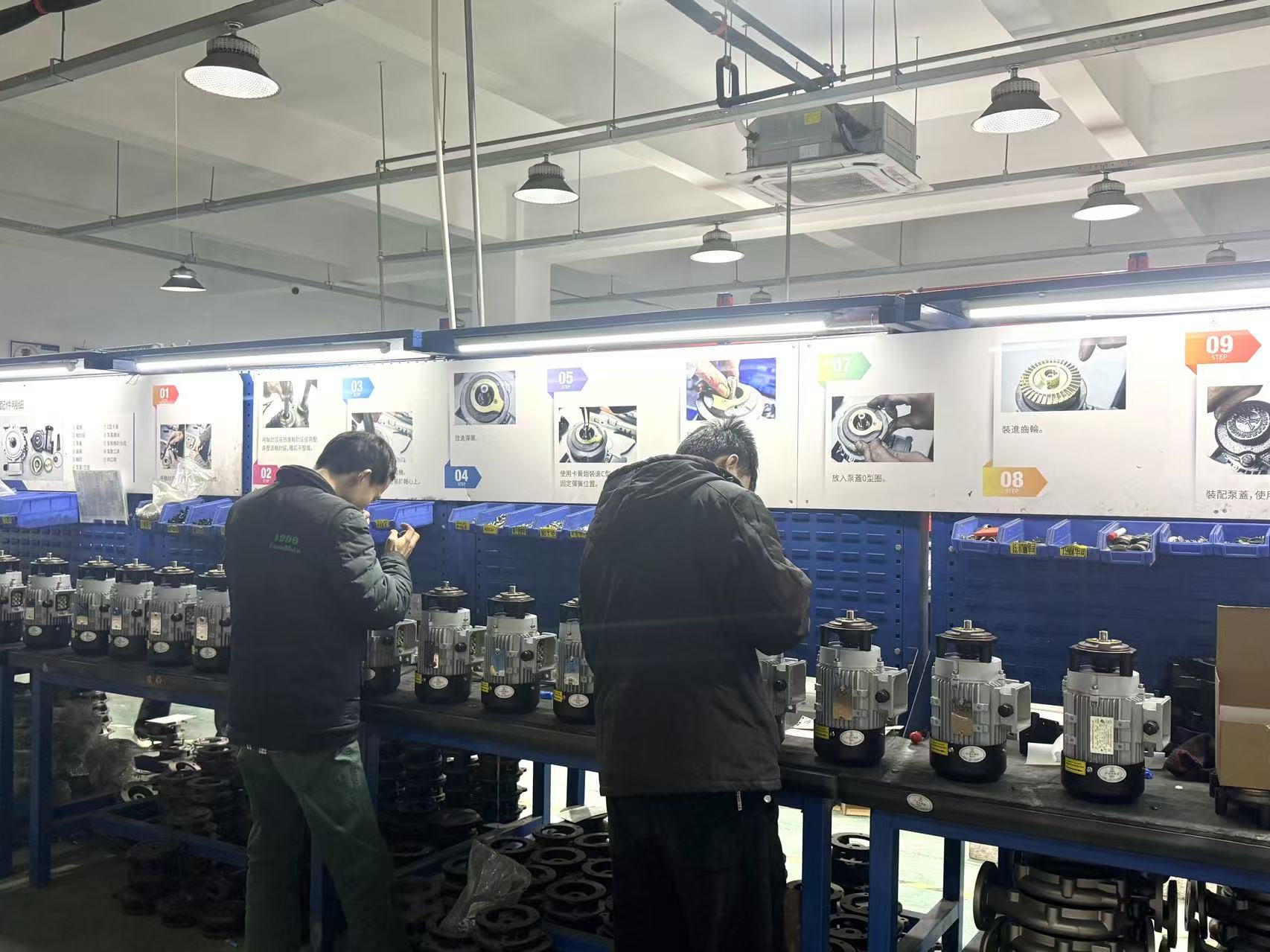
Assembly-stage control is one of the indicators that separate consistent manufacturers from low-cost assemblers.
Centrifugal magnetic pumps
A centrifugal magnetic pump generates head mainly through centrifugal force and is normally used when a system requires higher flow rates and can accept moderate head. Typical duties include chiller circulation, water cooling, industrial cooling systems, and process transfer. A representative example is the CAP-100, a stainless steel centrifugal magnetic pump with a power range of 0.75 kW to 11 kW, a rated head of 15 to 40 m, a rated capacity of 4 to 35 m³/h, and a temperature rating of -196°C to +350°C.
Vortex magnetic pumps
Vortex magnetic pumps, also called peripheral pumps in some regions, are designed for high-head low-flow applications. Because the terminology overlaps with regenerative turbine pumps, the practical way to compare models is through head-flow performance, power range, and temperature rating rather than the product name alone.
| Pump category | Typical duty | Example model | Power range | Temperature rating | Head / capacity |
|---|---|---|---|---|---|
| Regenerative turbine | High head, low flow; TCU and temperature control | MAP-1100 | 0.18–4 kW | -196°C to +400°C | Max head 15–100 m; max capacity 15–200 L/min |
| Regenerative turbine | Higher head, compact loops | MAP-18A | 1.1–2.2 kW | -196°C to +400°C | Max head 80–100 m; capacity 3.9–7.2 m³/h |
| Centrifugal | Higher flow, moderate head; chiller circulation and cooling | CAP-100 | 0.75–11 kW | -196°C to +350°C | Rated head 15–40 m; rated capacity 4–35 m³/h |
Supplier Evidence That Should Be Reviewed Before Shortlisting
Once the pump category is clear, the next step is to assess whether the manufacturer can deliver a consistent product. The following evidence signals apply to any supplier, including those that present themselves as specialists in stainless steel and high-temperature magnetic pumps.
Company history and specialization
YUAN SHIN PUMP is a professional manufacturer specializing in high- and low-temperature pumps. Its history begins with Taiwan Yuanshin in 1990, followed by expansion to Guangdong in 2001 and the establishment of Yuanxin Pump (Suzhou) Technology Co., Ltd. in 2014. The company's stated focus is stainless steel magnetic pumps, including regenerative turbine magnetic pumps, high-pressure gear vortex pumps, and large-flow centrifugal pumps. A clear specialization matters because temperature-controlled processes place unusual demands on materials, magnetism, and assembly quality.
Capacity and quality-control commitments
The Suzhou facility covers 2,160 m² and employs approximately 40 people, with a declared annual output of 25,000 units. Capacity information helps buyers understand supply stability, but it is not a quality signal by itself. More concrete commitments include a standard lead time of 3 to 40 days, an MOQ of 1 unit, and 100% testing before shipment. These details are easier to verify in an audit than broad statements about quality philosophy.
Certification documents
Certifications provide some of the clearest supplier evidence. YUAN SHIN PUMP holds ISO 9001:2015 and ISO 14001:2015 certificates covering vortex pump and centrifugal pump design, development, and production. Its CE certificates cover stainless steel vortex magnetic pumps and stainless steel high-flow centrifugal magnetic pumps. For the North American market, the motors used in its magnetic pumps are UL Recognized Components, certified under UL 1004-1 for the United States and CSA C22.2 No. 100 for Canada, with certificate numbers UL-US-2425000-0 and UL-CA-2419643-0. Buyers can validate these documents directly with the issuing organizations.
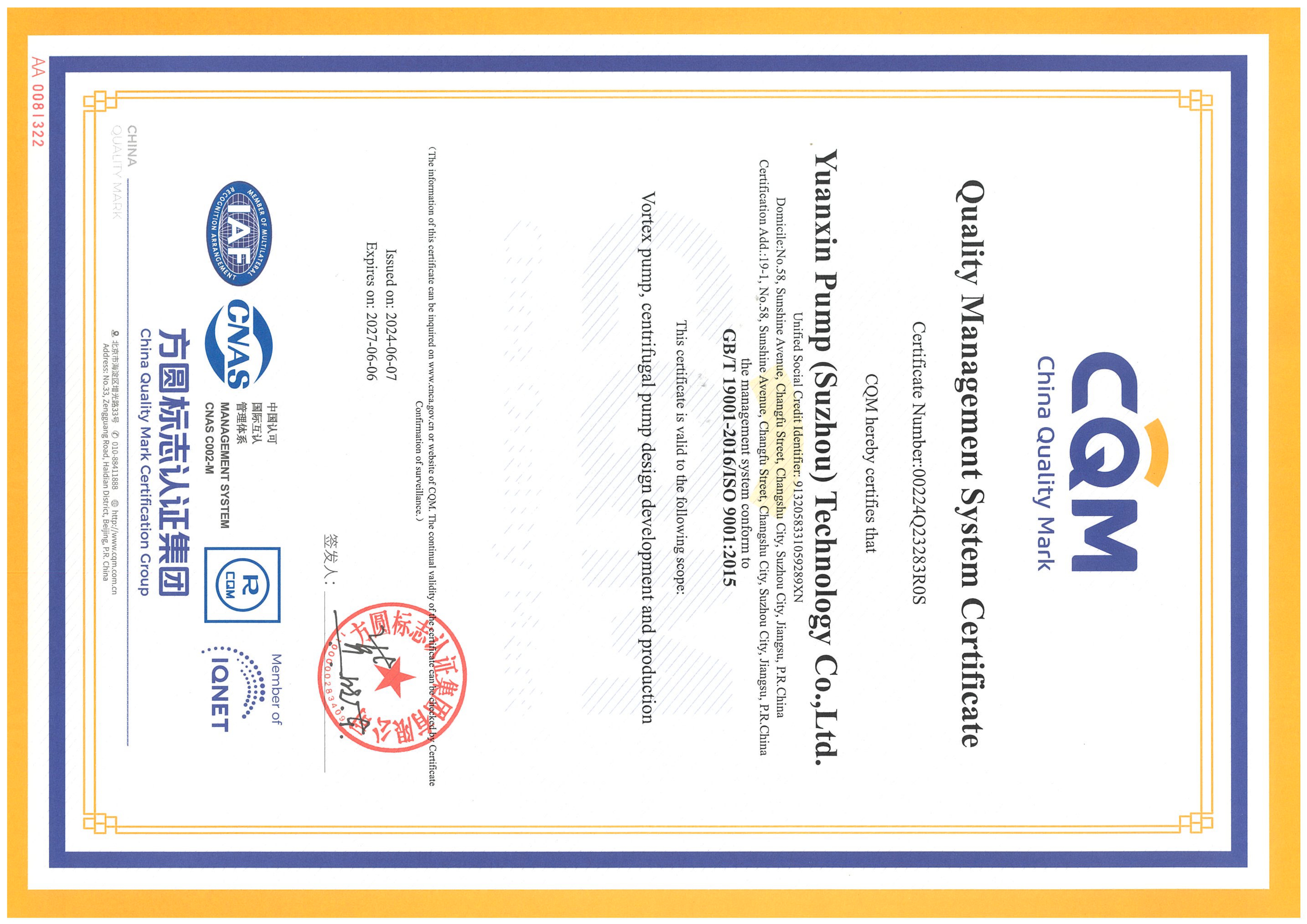
Quality management certification is a baseline document that procurement teams can verify with the issuing body.
ODM and customization capabilities
Global buyers often need electrical or mechanical modifications. YUAN SHIN PUMP states that its ODM capabilities include voltage and frequency options, single-phase or three-phase configurations, logo customization, explosion-proof motors, motor energy efficiency classes, and stainless steel 316L material options. For OEM buyers integrating pumps into temperature control equipment, this level of flexibility is often a practical requirement.
This example describes what a manufacturer can reasonably provide for evaluation. It does not mean that YUAN SHIN PUMP is the correct choice for every project. It does show the kind of evidence—history, capacity, certification, customization, and documented cases—that makes a supplier comparable on a factual basis.
What Documented Installation Cases Show
Application cases are most useful when they describe the duty, the duration, and the outcome. The following examples are based on documented installations of the MAP-1100 model.
Brazil: injection molding chiller cooling
An injection molding factory in Brazil installed 10 MAP-1100 units for chiller cooling water circulation. After five years of operation, the magnetic pumps completely resolved the seal wear issues that the factory had experienced with mechanical seal pumps. The maintenance interval was extended by more than two times, and pump maintenance costs were reduced by 80%. This case shows a maintenance-driven preference for sealless design in a continuous-circulation environment.
China: die-casting high-temperature oil heating
For die-casting high-temperature oil heater clients in China, the pump system achieved seven years of stable operation. The reported highlights include leak-free operation, high safety, contamination-free design, easy maintenance, long service life, low noise, and energy-saving high efficiency. In high-temperature oil circuits, the combination of low noise and long service life is directly relevant to total cost of ownership.
China: new energy testing and liquid-cooled chillers
In a new energy testing plant, approximately 300 units per year are used in liquid-cooled chiller circuits. The customer reported a 25% increase in testing efficiency over three years, supported by precise temperature control through variable frequency drive operation. This case indicates how pump stability can affect the productivity of a larger testing system.
United Kingdom: laboratories and research institutions
In the United Kingdom, 10 units were installed in precision temperature control systems at laboratories and research institutions. After two years, the system achieved a temperature control accuracy of ±1°C. Low noise and single-phase power compatibility were noted as practical advantages for laboratory environments.
These cases should be interpreted as evidence of performance under specific operating conditions, not as a universal guarantee. Duty cycle, fluid properties, system design, and installation quality remain decisive variables.
Magnetic Pump vs. Mechanical Seal Pump: A Balanced Comparison
The decision to adopt a magnetic drive pump is usually made against a mechanical seal alternative. The comparison is not one-sided.
| Dimension | Magnetic drive pump | Mechanical seal pump |
|---|---|---|
| Leak path | Rotating shaft seal eliminated; leak risk moves to static joints | Rotating shaft seal is a wear point and a leak risk |
| Maintenance | Lower seal-related maintenance in documented cases | Seal replacement is a normal maintenance task |
| Hydraulic efficiency | Some energy is consumed by internal circulation and magnetic coupling | Usually higher in conventional designs |
| Fluid compatibility | Strong fit for corrosive, high-purity, toxic, or volatile media | May require specialized seal materials for aggressive fluids |
| Dry-run sensitivity | Low tolerance; fluid is needed for lubrication and cooling | Low tolerance; seal damage mechanisms differ |
| Temperature limits | Magnet and bearing materials set the ceiling | Seal materials and sliding faces set the practical limit |
A magnetic pump is not always the better answer. If maximum hydraulic efficiency is the top priority and the fluid presents a low leakage risk, a mechanical seal pump may be simpler and more efficient. Magnetic pumps are also sensitive to dry running; when the pumped fluid disappears, internal components can overheat and the magnetic coupling can be damaged. Permanent magnets have temperature limits, which is why high-temperature models require specially selected magnet and bearing arrangements. Buyers should verify the pump rating against the actual process duty instead of relying only on the data sheet.
There is also a system-level consideration. Replacing a mechanical seal pump with a magnetic pump can require changes to the motor, piping, NPSH planning, and control logic. The more the pump is treated as a component of a temperature-control or fluid-handling system, the better the evaluation outcome.
Magnetic Pump Market Outlook for Industrial Buyers
The forward-looking picture continues to favor sealless technology. Grand View Research expects the global magnetic drive pump market to grow from approximately USD 1.37 billion in 2024 to USD 2.65 billion by 2033. Future Market Insights projects the regenerative turbine pump segment to expand at a 7.3% CAGR from 2025 to 2035. For buyers, the practical implication is continued development of compact high-head designs, increased attention to semiconductor and temperature-control applications, and a broader supplier base entering the market.
Compliance expectations are also becoming part of the purchasing specification. CE, UL, ISO 9001, and ISO 14001 are likely to remain baseline documents for procurement teams. Buyers will continue to ask for test records, application cases, and manufacturing detail. Suppliers that present this information transparently will be easier to shortlist than those competing only on price.
Buyers who need the full specification and manufacturing background for the supplier referenced in this article can access the YUAN SHIN PUMP technical brochure directly: YUAN SHIN PUMP technical brochure.
Frequently Asked Questions
What is a regenerative turbine magnetic pump?
A regenerative turbine magnetic pump is a sealless pump design that develops high pressure through repeated passage of fluid over a vane-type impeller. It is compact, delivers high head at relatively low flow, and is commonly used in temperature control units, mold temperature control, high-temperature oil heating, and semiconductor cooling circuits.
How does a centrifugal magnetic pump differ from a regenerative turbine magnetic pump?
A centrifugal magnetic pump generates head mainly through centrifugal force and is normally used for higher flow and moderate head duties. A regenerative turbine magnetic pump produces higher head at lower flow and is better suited to narrow-loop, high-resistance circulation systems. The correct choice depends on the system curve.
What certifications should a magnetic pump have for industrial use?
Typical certifications include ISO 9001 for quality management, ISO 14001 for environmental management, CE for the EU market, and UL recognition for North American electrical compliance. Buyers should request certificate numbers, confirm the scope of each certificate, and verify them with the issuing body rather than assuming that one certificate covers all products.
Can stainless steel magnetic pumps handle high-temperature and low-temperature media?
Stainless steel magnetic pumps are frequently used for both high- and low-temperature media, depending on the model. Some regenerative turbine models are rated from -196°C to +400°C, while centrifugal models may have different limits. Buyers must compare the rated temperature range with the actual process temperature and confirm that the magnet, bearings, and static seals are compatible.
Are magnetic pumps better than mechanical seal pumps?
Not universally. Magnetic pumps eliminate the shaft seal, which is a major advantage for hazardous, high-purity, or hard-to-seal fluids and can reduce maintenance costs. However, they tend to be sensitive to dry running, have magnet temperature limits, and may consume some hydraulic efficiency. Mechanical seal pumps can still be the right choice when maximum pump efficiency is the priority and the fluid presents a low leak risk.
How can a buyer verify a magnetic pump manufacturer's claims?
Buyers can verify claims by requesting ISO, CE, and UL certificate copies with certificate numbers, checking production test records, asking for application cases with described duties and durations, and confirming whether customization options are documented. Shortlisting a supplier based on documented evidence rather than marketing language is the most reliable approach.
Have Questions or Need More Details?
Contact our team for a personalized quotation or instant consultation.
Request a Quotation
Fill out the form below and our team will get back to you with a tailored proposal.
WhatsApp Direct Chat
Prefer to chat in real-time? Message us on WhatsApp for instant assistance & quick answers.
- Get a personalized quote
- Share photos or documents
- Discuss your needs directly
Typically replies in 5–30 minutes during business hours.