
Maleic Anhydride Grafted Polymers: Technical Overview for Sourcing Decisions
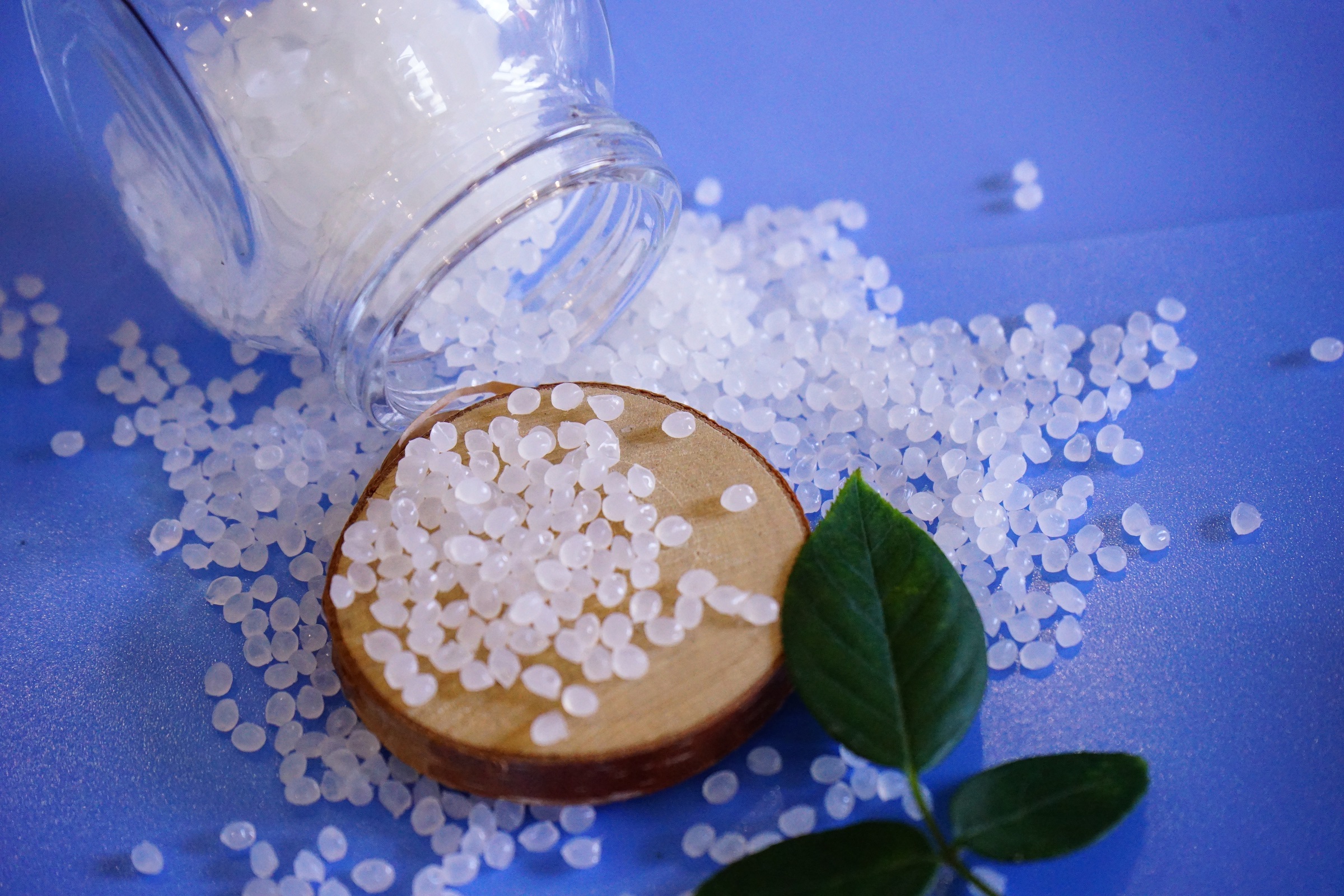
Maleic anhydride (MAH) grafted polymers are a class of functionalized materials widely used as compatibilizers, toughening agents, and adhesive resins in polymer compounding. These additives enable the formation of stable interfaces between otherwise incompatible polymers, between polymers and inorganic fillers, or between polymers and polar substrates. For procurement professionals operating in the modified plastics industry, understanding the technical profiles, application ranges, and supplier capabilities behind these products is a prerequisite for informed sourcing.
Problem and Opportunity
In multi-phase polymer systems, poor interfacial adhesion leads to delamination, reduced mechanical properties, and processing difficulties. Traditional blending without a compatibilizer often fails to deliver the required impact strength, elongation, or thermal stability for demanding applications. MAH-grafted polymers address this by introducing reactive anhydride groups that bond covalently with amine, hydroxyl, or other functional groups, effectively reducing interfacial tension and stabilizing the morphology.
Brand Solution: KETONG’s MAH-Grafted Product Portfolio
Shenyang Ketong New Materials Co., Ltd. (brand KETONG) is a high-tech enterprise specializing in the research, development, and production of functional polymer materials. The company covers an area of 30,000 square meters, employs approximately 130 staff, and operates more than 10 imported production lines with an annual production capacity of 60,000 tons. The R&D team consists of 8 engineers and has applied for dozens of national patents. KETONG’s product line encompasses compatibilizers, toughening agents, and adhesive resins based on various backbone polymers including polypropylene (PP), polyethylene (PE), acrylonitrile-butadiene-styrene (ABS), ethylene-vinyl acetate (EVA), poly(p-phenylene oxide) (PPO), and biodegradable polyester elastomers.
Technical Explanation
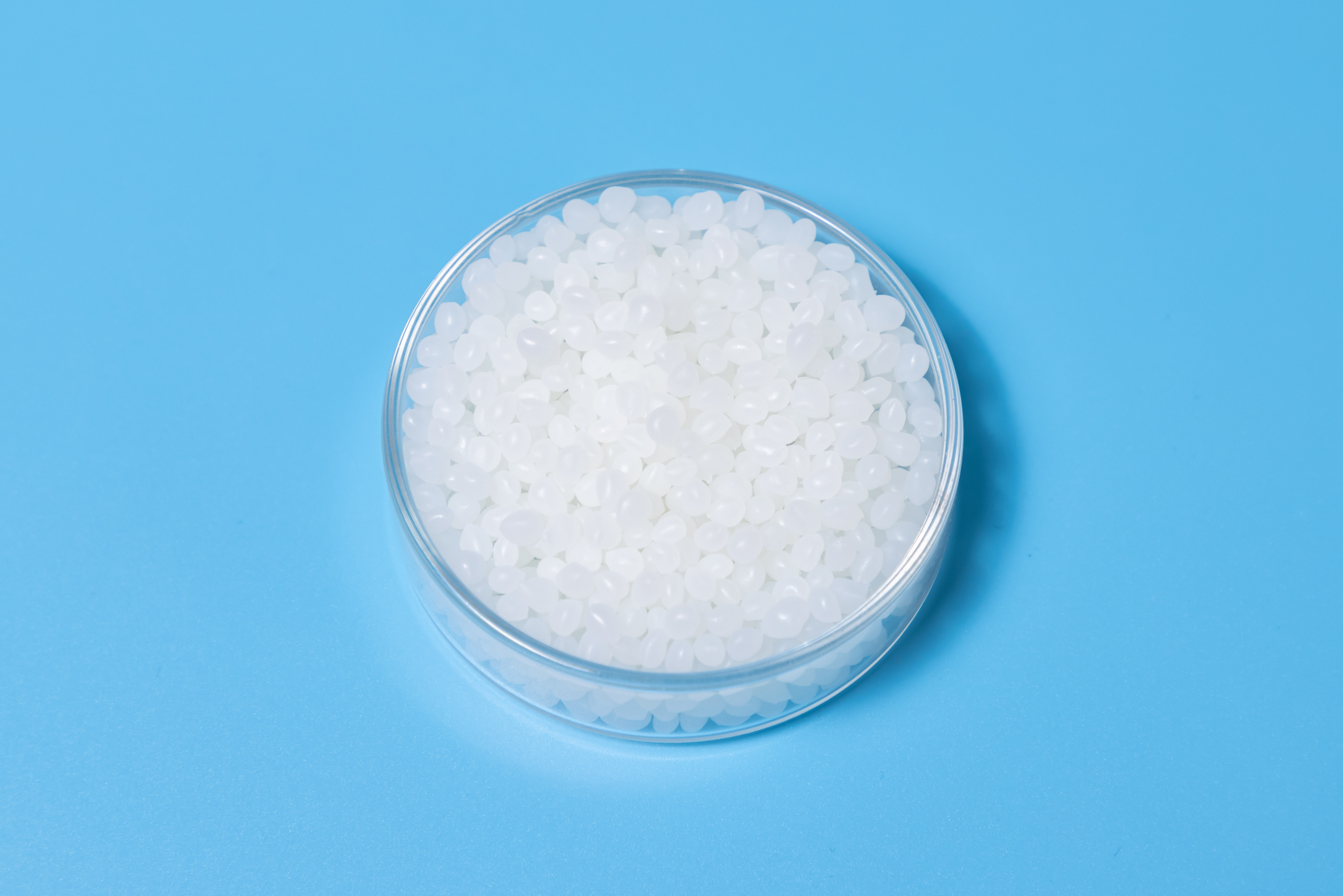
MAH grafting levels in KETONG products are classified as Low (<0.4%), Medium (0.4–0.8%), High (>0.8%), and Extra High (≥4.0%). For example, the KT-1D is a Polypropylene Series Compatibilizer (PP-g-MAH) with a high MAH content and a melt flow rate (MFR) of 90–120 g/10min (190°C/2.16kg). The KT-12A is a PE Series Compatibilizer (PE-g-MAH) with high MAH (>0.8%) and MFR ≥4.0 g/10min. The KT-915H is a Nylon (PA) Series Toughener (POE-g-MAH) combining high MAH content with a density of 0.86–0.88 g/cm³ and MFR 0.3–1.0 g/10min. Low‑odor variants such as LEP-1B (PP-g-MAH) and LEP-2 (ABS-g-MAH) carry the same high MAH level while suppressing residual monomer odor. The KT-36 is a Biodegradable Series Compatibilizer (MAH-g-Polyester Elastomer) designed for compostable polymer systems. These technical parameters allow formulators to select a product that matches the base resin, processing window, and final property targets.
Application and Use-Case Scenarios
KETONG’s MAH-grafted polymers are used as additives for modified plastics in the manufacturing industry, with a wide geographic footprint covering countries such as Australia, Canada, China, Germany, France, the United Kingdom, Japan, South Korea, the United States, and many others. Typical processing equipment includes twin-screw extruders and injection molding machines. The products have a shelf life of 1 year when unopened with intact packaging, and 3 months after opening, provided no contamination or moisture absorption occurs. Key use cases include compatibilizing PP/PE blends, toughening nylon with POE-g-MAH, improving adhesion in multi-layer structures (e.g., PE‑g‑MAH adhesive resins), enabling overmolding of TPE onto nylon (KT-2512 SEBS-g-MAH), and enhancing compatibility in recycled or biodegradable formulations (KT-36).
Market Trend Analysis
Demand for low‑odor and ultra‑low‑VOC compatibilizers is rising, driven by automotive interior and consumer electronics applications. KETONG addresses this with its LEP low‑odor PP and ABS series. Meanwhile, the shift toward biodegradable packaging has created a need for compatibilizers that are themselves compostable; the KT-36 product aligns with that direction. The company’s export ratio of 1.84% and primary market in Vietnam indicate a growing but still domestically focused footprint, suggesting room for international expansion as procurement teams seek reliable Asian sources outside traditional hubs.
Comparison with Traditional Solutions
Conventional non‑reactive blending often yields coarse phase morphology and poor mechanical synergy. MAH‑grafted polymers provide a chemically bonded interface that significantly improves impact strength, elongation, and thermal stability in polymer alloys. A limitation, however, is the moisture sensitivity of maleic anhydride groups: opened containers must be used within three months to avoid hydrolysis and loss of reactivity. This requires tighter inventory management compared to unmodified base resins.
Future Outlook
As regulations tighten on volatile organic compounds and recyclability mandates expand, the adoption of low‑odor and biodegradable MAH‑grafted polymers is expected to grow. KETONG’s continued investment in production capacity — the new factory in Shenyang (completed 2023) adds a planned 60,000 tons/year — positions the supplier to meet evolving industry requirements with both standard and customized solutions.
Frequently Asked Questions
A: It is a functionalized polymer where maleic anhydride (MAH) groups are chemically bonded to a backbone such as PP, PE, ABS, POE, or EVA. These products serve as compatibilizers, tougheners, or adhesive resins in the manufacturing industry.
A: Key parameters include MAH graft level (low, medium, high, extra high), melt flow rate, density, and the type of base polymer (e.g., PP‑g‑MAH vs. POE‑g‑MAH). KETONG provides these specifications for each model.
A: They are used as additives for modified plastics, commonly processed via twin‑screw extruders and injection molding machines. The products are applied across a wide range of countries.
A: The unopened shelf life is 1 year with intact packaging. After opening, the material should be used within 3 months, provided it is not contaminated or exposed to moisture.
A: The company employs a dedicated R&D team of 8 engineers and has applied for dozens of national patents, indicating internal capability for product development and customization.
For detailed product specifications and company information, download the corporate brochure: KETONG Company Brochure (PDF).