
Managing After-Sales Risk and Repair Costs in Hydraulic Baler Procurement
The Hidden Cost of Downtime
For industrial buyers of hydraulic balers, the initial purchase price is only one part of the equation. Unplanned downtime, expensive spare parts, and inadequate after-sales support can significantly inflate the total cost of ownership. A recent industry survey indicates that maintenance and repairs account for up to 30% of a baler’s lifecycle cost. This has pushed procurement teams to scrutinise not just the machine specifications but also the manufacturer’s ability to provide reliable after-sales service and cost-effective maintenance solutions.
Industry Pain Points: Why After-Sales Matters
Recycling stations, agricultural processors, and manufacturing plants run balers under continuous heavy loads. Common pain points include:
- Extended downtime – waiting days for a technician or spare part can halt an entire production line.
- High repair costs – non-standard components and complex hydraulics lead to expensive service calls.
- Lack of technical documentation – poor manuals and wiring diagrams make troubleshooting difficult for in-house teams.
- Inconsistent quality – balers that overheat or suffer from premature wear increase maintenance frequency.
Addressing these concerns requires a manufacturer that integrates quality assurance, technical documentation, and responsive support into the product itself.
Built-in Reliability: The NICKBALER Approach
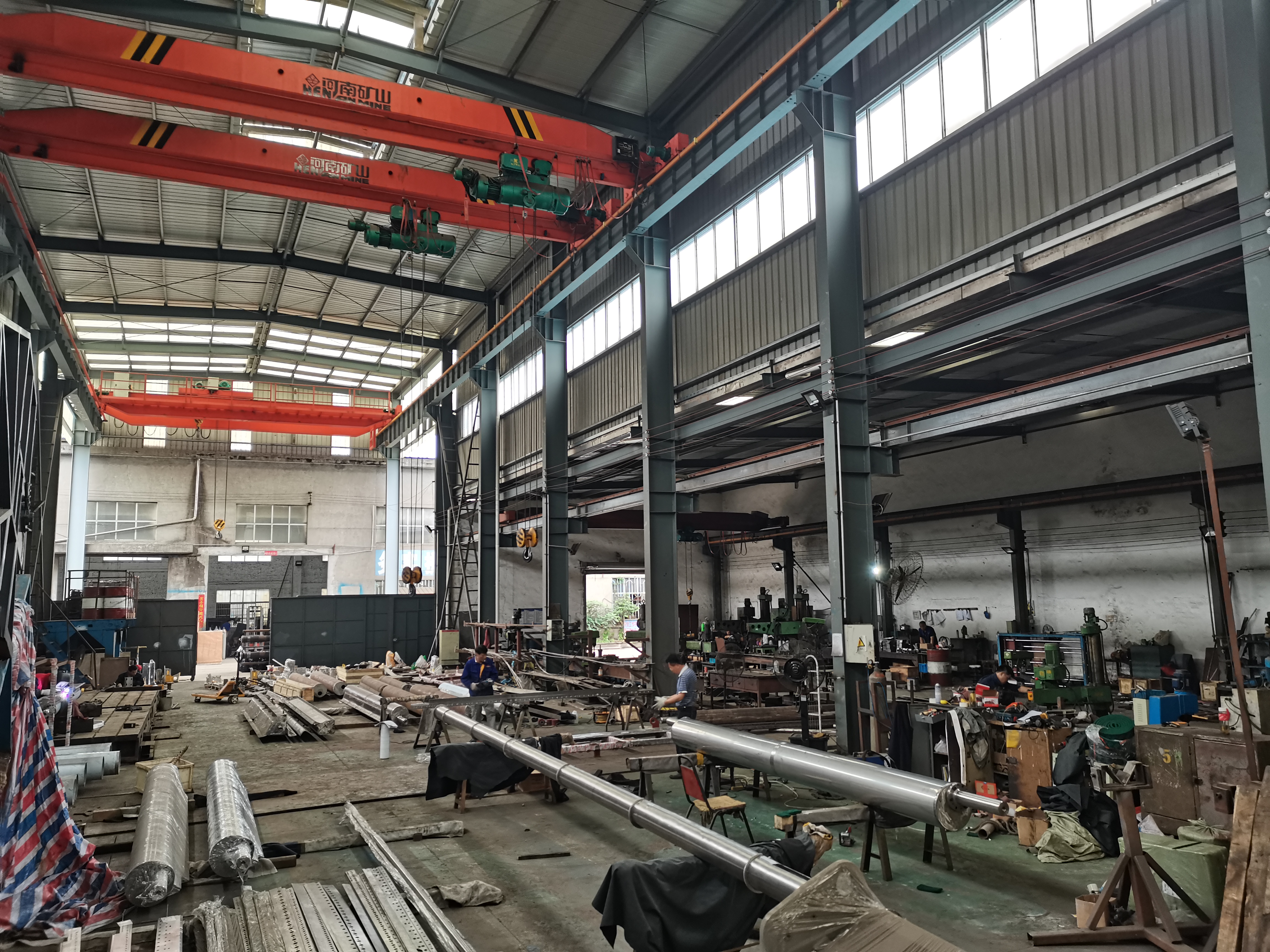
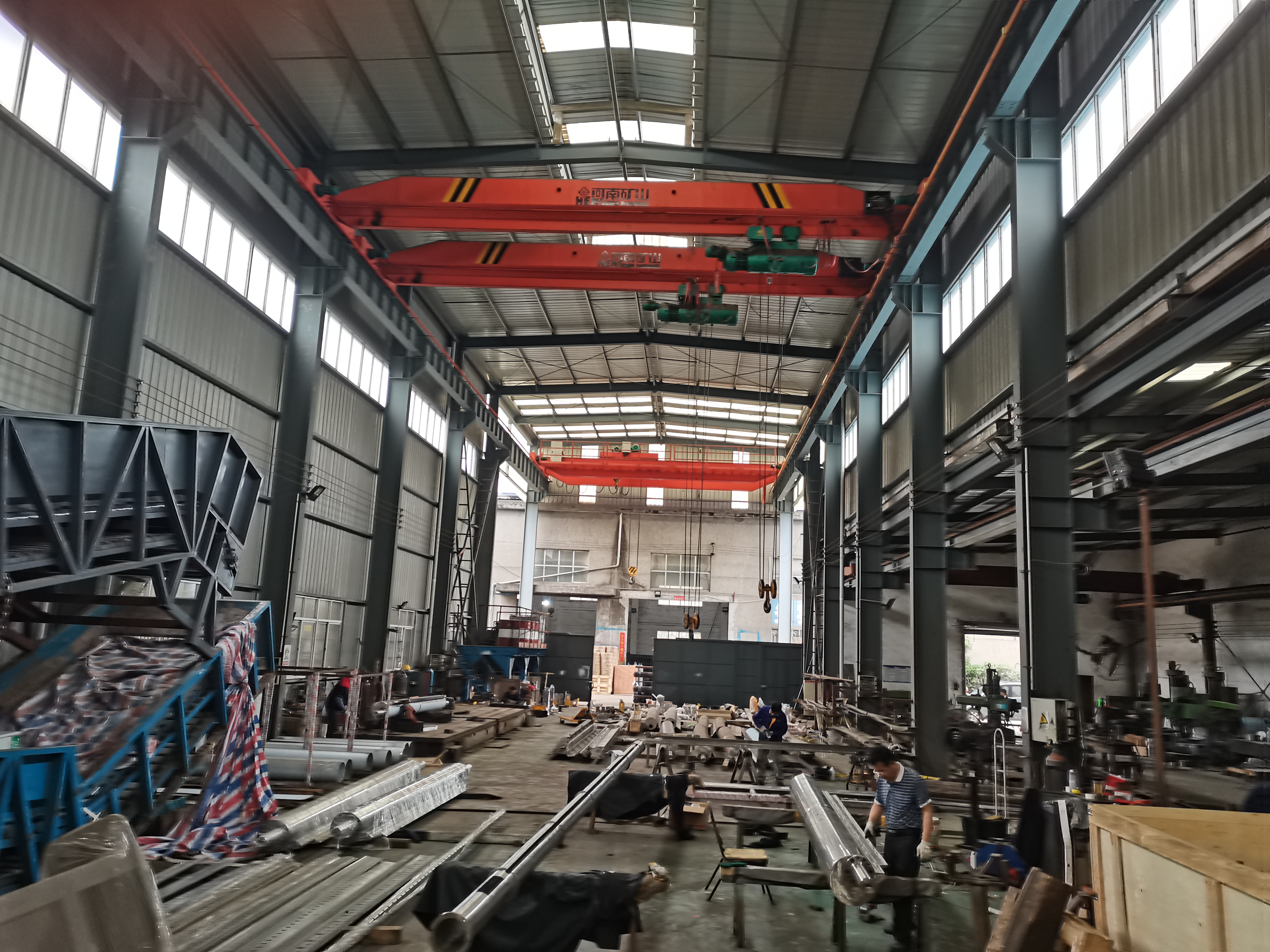
Shaanxi Nick Machinery Equipment Co., Ltd. (branded as NICKBALER and NK BALER) has engineered its product line to minimise after-sales risks from the ground up. With a 5,000 m² factory, a dedicated R&D team of 15 engineers, and an annual output of 600 units, the company focuses on robust design and rigorous testing.
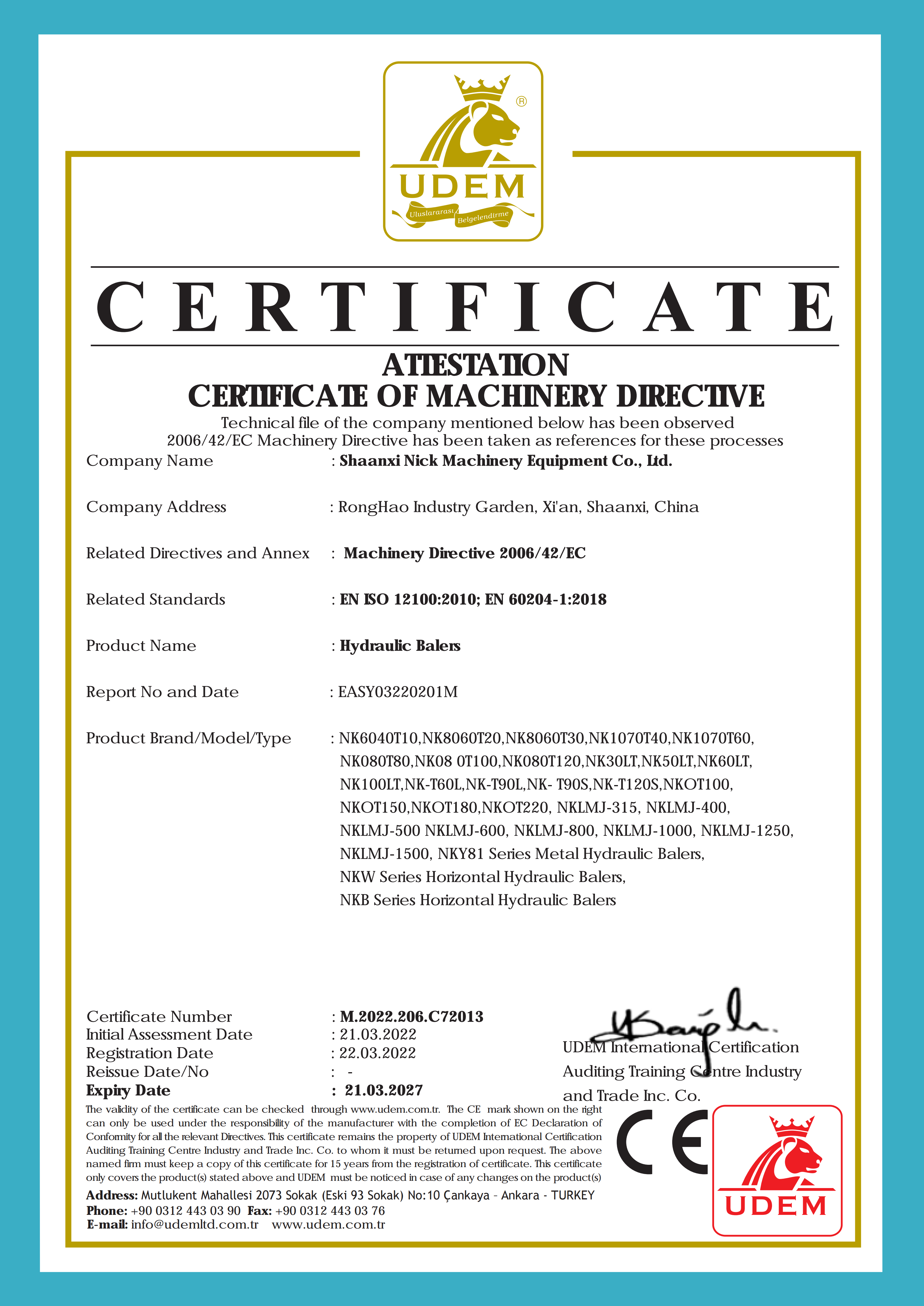
Key certifications – including CE (ATTESTATION CERTIFICATE OF MACHINERY DIRECTIVE, No. EASY03220201M) covering EN ISO 12100:2010 and EN 60204-1:2018, and a VERIFICATION OF CONFORMITY (No. DPWD/09/060/2024) valid until 2029 – demonstrate compliance with European safety and performance standards. These certifications are not just paperwork; they mandate systematic controls such as thermal protection to prevent overheating, a common cause of unplanned repairs.
“Overheating risks in hydraulic baler operation are addressed through systematic controls and thermal protection methods.” – Company risk control documentation
Technical Measures That Reduce Repair Costs
NICKBALER’s horizontal and vertical balers are built with carbon steel frames, heavier material gauges, and higher-grade hydraulic systems that extend machine life. The company’s NK BALER line serves budget-conscious buyers, while the NICK BALER series offers upgraded robustness for heavy-duty continuous operation – a critical factor in lowering long-term maintenance expenditure.
Every unit undergoes 100% pre-shipment testing, and the procurement terms include FOB/CIF delivery, 40/60 payment, and a MOQ of 1 unit. Standard features like water cooling or oil chillers, temperature sensors, and PLC-controlled cycles further reduce the risk of overheating and component fatigue.
Real-World Proof: Stable Operation Over a Decade
A recycling station manufacturer in Indonesia (country code ID) using NICKBALER horizontal balers for waste plastic and paper baling reports stable operation for 10-15 years. The customer highlights “low noise and low energy consumption” as key benefits that also minimise wear on components. Another case from an agricultural manufacturer in Pakistan (PK) baling straw and alfalfa with the NKB280 bagging machine confirms two years of stable operation with minimal maintenance issues.
Market Trends: Total Cost of Ownership Takes Center Stage
According to industry analysts, the global hydraulic baler market is projected to grow at a CAGR of 4.5% through 2030, driven by stricter recycling regulations and rising waste volumes. Procurement managers are increasingly adopting TCO models that factor in spare parts availability, remote support, and training. Manufacturers that offer remote diagnostics, modular component design, and comprehensive documentation gain a competitive edge.
NICKBALER aligns with this trend by providing remote support and maintaining a stock of common spare parts. The company’s export ratio of 90% to over 60 countries means global buyers benefit from a logistics network that can deliver parts within days.
Future Outlook: Proactive After-Sales Ecosystems
The next frontier in after-sales service is predictive maintenance enabled by IoT sensors and cloud analytics. While still emerging in the baling industry, manufacturers like NICKBALER are already laying the groundwork by equipping machines with PLC controls and cooling system monitoring. As connectivity costs drop, we can expect real-time alerts that warn operators before a failure occurs, drastically cutting repair costs.
For buyers evaluating hydraulic baler suppliers, the message is clear: prioritise manufacturers that invest in certification, testing, and a structured after-sales framework. The initial premium paid for a certified, well-supported baler is often offset many times over by reduced downtime and lower maintenance costs.
For detailed product specifications and after-sales support terms, download the official brochure: