
Manual Valve Supplier Comparison: Key Decision Factors
Introduction: Comparing Manual Valve Manufacturers on Evidence, Not Claims
Manual valves remain the most widely deployed terminal control element in industrial fluid systems. The global manual valve market was estimated at USD 78.4 billion in 2025 and is projected to reach USD 117.17 billion by 2035, according to Vantage Market Research. For procurement teams and engineers at the decision stage, the challenge is no longer finding a manual valve supplier—it is comparing suppliers objectively across manufacturing capability, quality systems, performance metrics, and total cost of ownership.
The Comparison Problem: Why Manual Valve Suppliers Differ
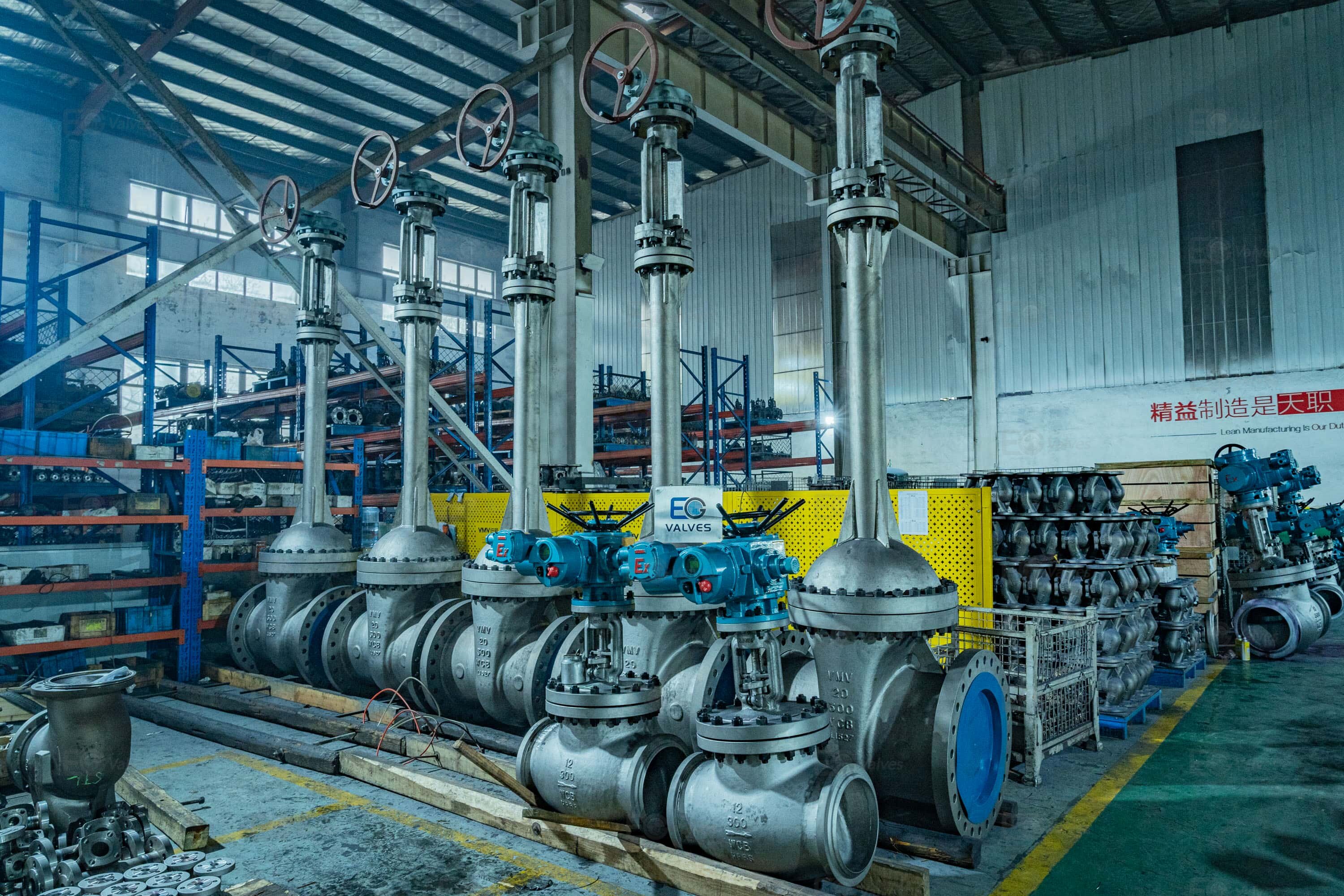
Manual valve suppliers differ significantly in areas that are not always visible in product brochures. Some manufacturers outsource castings, which introduces variability in processing precision and, ultimately, in valve performance. Others, such as EG Valves Manufacturing Co., Ltd, maintain integrated production and full-process quality control. These structural differences influence operational metrics that matter to buyers: opening and closing torque, cycle life, sealing reliability, maintenance intervals, and total cost over the valve's service life.
Decision-stage buyers need a comparison framework built on verifiable capabilities: production integration, quality certifications, product scope, material compatibility, and performance data. This article provides that framework, using EG Valves as a reference point for what an integrated manual valve manufacturer can deliver.
Company Profile: EG Valves Manufacturing Co., Ltd
EG Valves Manufacturing Co., Ltd is a professional valve manufacturer established in 2000 and headquartered in the Sanqiao Industrial Zone, Wenzhou, Zhejiang Province, China. The company specializes in R&D, manufacturing, and exporting industrial valves, operating a 27,500 m² facility with 300 employees and an annual production capacity of 90,000 pieces. Its R&D team comprises 30 engineers, and approximately 80% of output is exported to the EU, North America, Latin America, and the Middle East, with products accepted in more than 33 countries and regions.
EG Valves manufactures gate valves, globe valves, ball valves, butterfly valves, check valves, plug valves, and strainers to ANSI, DIN, BS, and JIS standards, or to customer-specific requirements. The product range spans DN6 to DN1800 and includes materials such as brass, bronze, cast iron, ductile iron, carbon steel, stainless steel, alloys, and PTFE-lined options. Actuation options include manual, pneumatic, electric, and hydraulic configurations.
What the Comparison Metrics Mean: Technical Evaluation
Compared to common valve manufacturers, EG Valves demonstrates distinct advantages centered on four areas: precision manufacturing, full-process quality control, special media compatibility, and long-life design. These factors translate into measurable performance differences that matter in procurement decisions.
1. Operating Torque
EG Valves reports low opening and closing torque, 20%–40% lower than most brands of the same caliber. Lower torque allows actuators to be smaller and more energy-efficient, reducing both capital expenditure on actuation and ongoing energy consumption. For manually operated valves, lower torque also improves operator ergonomics and reduces wear on the valve stem and packing.
2. Cycle Life
EG ball valves average 70,000–100,000 cycles. By comparison, other Chinese valve brands—some of which outsource castings and vary in machining precision—typically achieve 30,000–50,000 cycles. Longer cycle life directly reduces replacement frequency and production downtime, making it a decisive factor in lifecycle cost calculations.
3. Cost Positioning
EG valve prices are typically 3%–7% lower than those of most other valve manufacturers in China. Pricing alone is rarely the deciding factor; however, the combination of lower torque, longer cycle life, and reduced maintenance requirements lowers the total cost of ownership over the valve's service life. Buyers comparing initial price against projected lifecycle cost will find the gap in performance data more significant than the gap in unit price.
| Comparison Metric | EG Valves | Common Valve Manufacturer (Typical) |
|---|---|---|
| Opening & closing torque | 20%–40% lower | Standard range |
| Ball valve cycle life | 70,000–100,000 cycles | 30,000–50,000 cycles |
| Price positioning | 3%–7% lower | Standard range |
| Production model | Integrated, in-house | Varies; some castings outsourced |
Standards and Compliance: Verifying the Quality Baseline
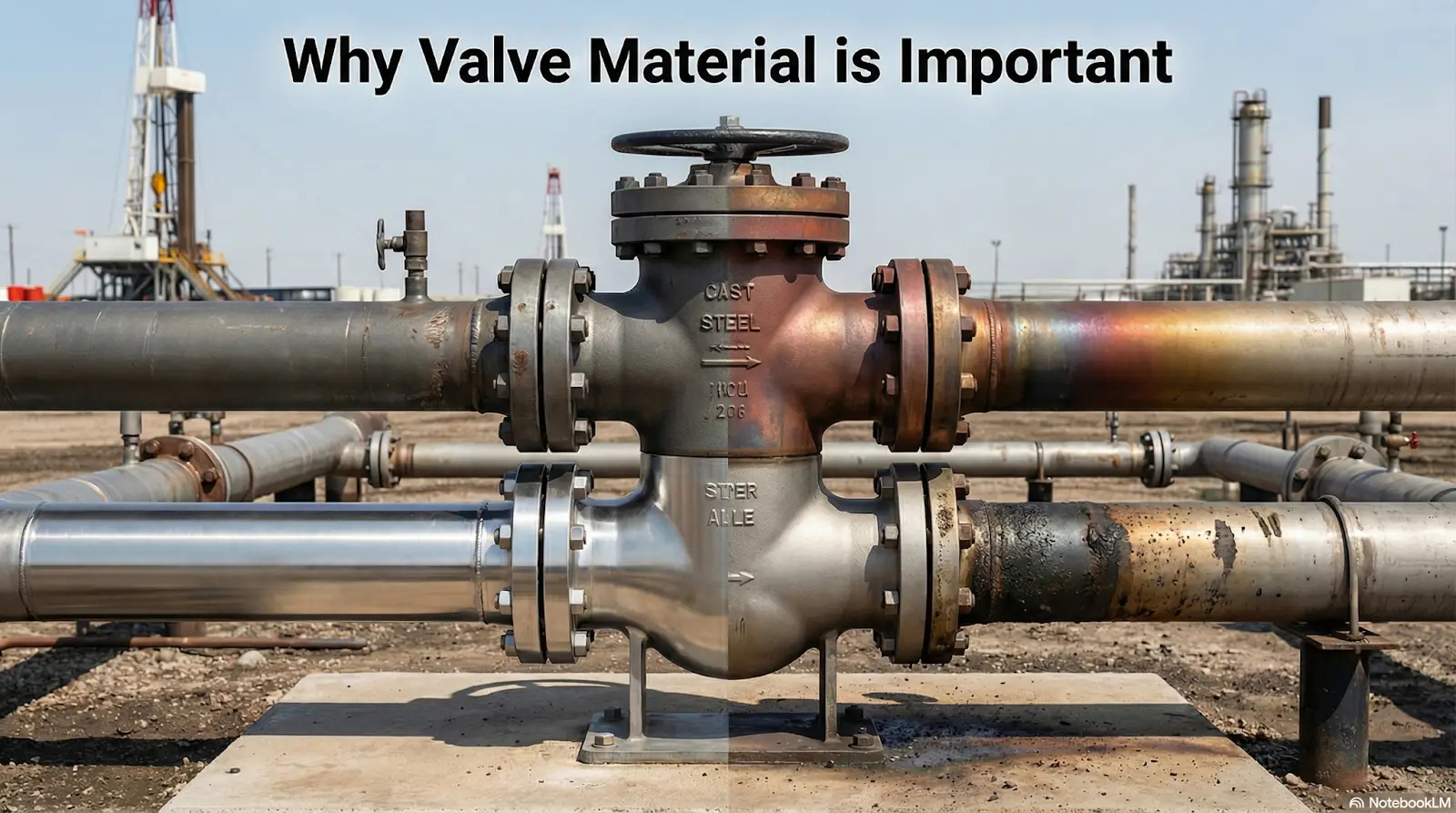
All EG Valves products are manufactured under ISO 9001-certified processes, and the factories have obtained API 600, API 6D, CE, and PED certifications. These certifications provide a verifiable baseline for buyers comparing suppliers.
Industry standards further clarify what buyers should expect. ASME B16.34 serves as a universal baseline for pressure-temperature ratings and wall thickness in industrial manual valves. API 600 is the specific heavy-duty standard required for manual bolted-bonnet steel gate valves in petroleum and natural gas applications. A manufacturer's ability to produce to these standards—and to document compliance—is a meaningful indicator of engineering capability.
Application Scenarios: Matching Manual Valve Types to Service Conditions
EG Valves products are used across the power, mining, refining, oil & gas, water and wastewater treatment, pulp and paper, chemical, and petrochemical industries. Within those industries, different manual valve types serve distinct functions.
- Manual gate valves and manual globe valves are common in isolation and throttling applications where straight-through flow and minimal pressure drop are required. API 600-compliant bolted-bonnet steel gate valves are specified in oil and gas service where heavy-duty construction is mandatory.
- Manual ball valves—including floating and trunnion designs with flanged, BSP-threaded, or NPT-threaded connections—are used in high-pressure systems where reliable shutoff is critical. The manual ball valve segment dominated the general valve market with a 28.1% share in 2025, according to Precedence Research, driven by reliability in high-pressure applications.
- Manual butterfly valves, including wafer and lug configurations with EPDM, NBR, or PTFE seats, are selected for large-diameter and cost-sensitive lines. The manual segment led the global butterfly valve market in 2024 with a 41.2% revenue share, according to Grand View Research. Wafer-type manual butterfly valves held the largest configuration share at 38.5% in 2025, according to Dataintelo, due to compact design and cost efficiency.
- Manual check valves prevent backflow in pump discharge and pipeline systems, protecting rotating equipment from reverse flow damage.
- Manual plug valves and manual knife gate valves serve slurry, pulp, and process lines where solids and viscous media are present, offering unobstructed flow paths and resistance to clogging.
Risk Control and Maintenance Considerations
Corrosion and wear are the two most common failure modes in industrial valves. Corrosive substances—acid and alkaline solutions, salt spray, and corrosive gases—can reduce component thickness and strength, while solid particles erode valve internals and sealing surfaces. Effective risk control begins at the selection stage.
EG Valves' risk-prevention approach follows the principle of "prevention first, regular maintenance, and timely replacement." Standardized selection based on medium corrosiveness, temperature, pressure, and viscosity is the first line of defense. Daily inspections for leaks, vibration, and abnormal noise, combined with regular cleaning and maintenance, help extend service life. For media containing solid particles, EG Valves recommends installing filters upstream to reduce particle erosion of internal components.
Market Trend Analysis: Manual Valves Remain a Growth Category
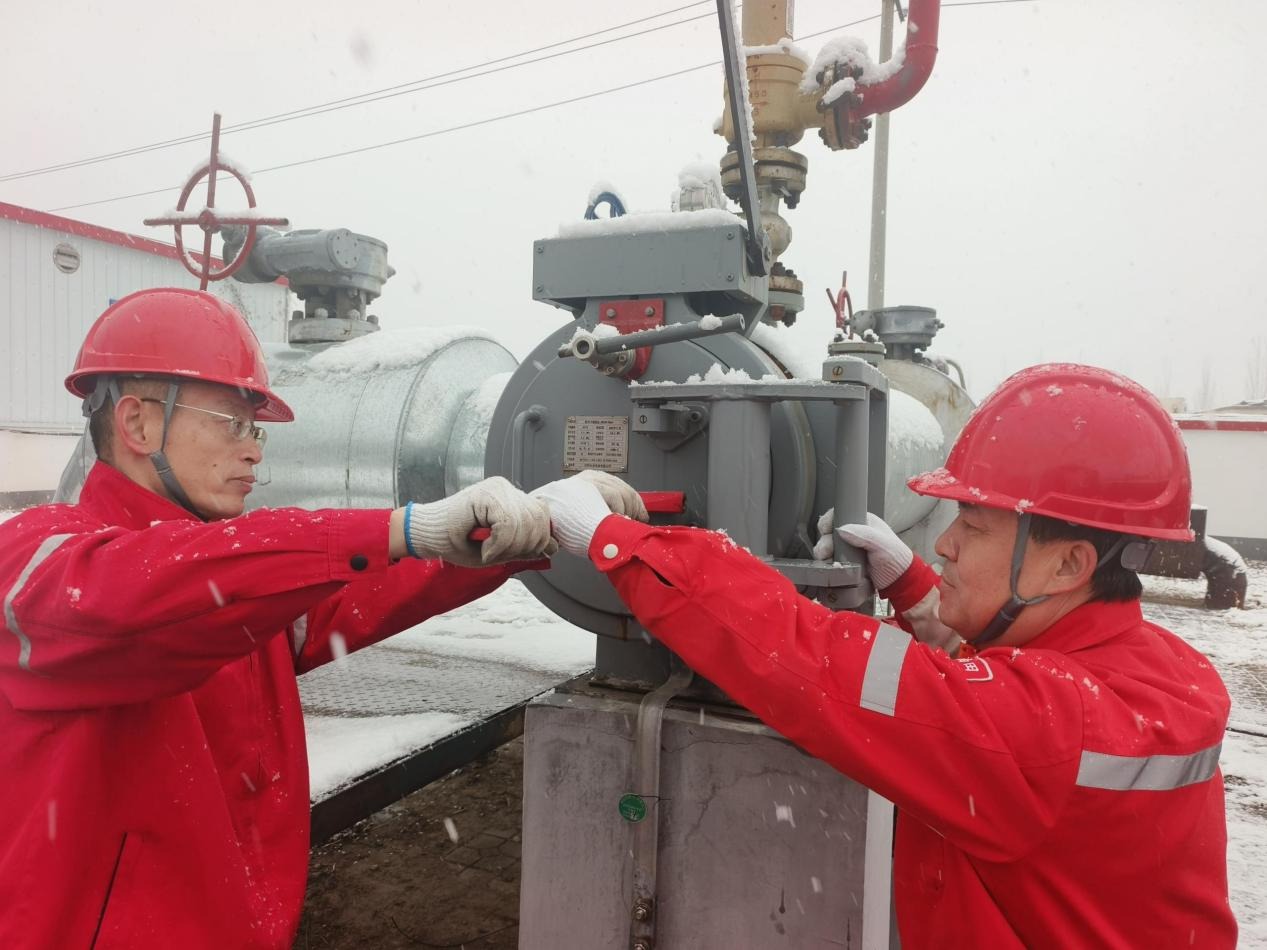
Third-party market data indicates continued demand for manual valves. Vantage Market Research estimates the global manual valve market at USD 78.4 billion in 2025, growing to USD 117.17 billion by 2035. The global gate valve market is projected to reach USD 20.6 billion by 2034, up from USD 13.0 billion in 2024 at a compound annual growth rate of 4.7%, according to Market Research Future.
Segment-level data reinforces the role of manual configurations in a market that is often assumed to be shifting entirely to automation. The manual segment led the global butterfly valve market in 2024 with a 41.2% revenue share. Manual ball valves accounted for a 28.1% share of the general valve market in 2025. These figures suggest that manual valve demand remains robust, driven by isolation duty, maintenance operations, backup systems, and cost-sensitive applications where automation is not economically justified.
Honest Limitation: Manual Operation Has a Boundary
Compared to common valve manufacturers, EG Valves' advantage is structural rather than incremental: integrated manufacturing, full-process quality control, special media capability, and long-life design are built into the product system, not added as options. One limitation applies to manual valve selection broadly: manual operation requires on-site human intervention and is not designed for high-frequency remote adjustment.
For applications that require automation, EG Valves offers pneumatic, electric, and hydraulic actuation options across the same product line. This allows buyers to standardize on one manufacturer while covering both manual and automated requirements, but it also means that teams must clearly define which valves will remain manually operated and which will be actuated.
Future Outlook: What Decision-Stage Buyers Should Watch
Procurement decisions for manual valves are increasingly driven by energy efficiency and lifecycle cost rather than initial purchase price. Low operating torque reduces actuator size and energy consumption. Longer cycle life reduces replacement frequency and production downtime. Special media compatibility—such as PTFE-lined components for corrosive service—addresses the failure modes that cause unplanned shutdowns.
Supplier consolidation is another emerging pattern. Buyers managing multiple plants or projects benefit from working with a manufacturer that covers DN6 to DN1800, multiple material grades, and multiple actuation modes under one quality system. As construction and MRO budgets tighten, the ability to source gate, globe, ball, butterfly, and check valves from a single certified manufacturer becomes a procurement advantage in itself.
FAQ: Manual Valve Supplier Comparison
Q: How does EG Valves differ from common valve manufacturers?
A: EG Valves focuses on precision manufacturing, full-process quality control, special media compatibility, and long-life design. These four areas distinguish its products from those of common manufacturers.
Q: What is the torque advantage of EG Valves?
A: EG Valves reports opening and closing torque 20%–40% lower than most brands of the same caliber, enabling smaller actuators and lower energy consumption.
Q: What is the expected service life of EG valves?
A: EG ball valves average 70,000–100,000 cycles. Many other Chinese brands typically achieve 30,000–50,000 cycles.
Q: How does EG Valves pricing compare to other Chinese manufacturers?
A: EG valve prices are usually 3%–7% lower than those of most other valve manufacturers in China.
Q: Which standards and certifications does EG Valves hold?
A: EG Valves manufactures to ANSI, DIN, BS, and JIS standards. Its processes are ISO 9001-certified, and its factories hold API 600, API 6D, CE, and PED certifications.
Q: What product types and sizes does EG Valves offer?
A: EG Valves offers gate valves, globe valves, ball valves, butterfly valves, check valves, plug valves, and strainers from DN6 to DN1800, with manual, pneumatic, electric, and hydraulic actuation options.
Q: Which industries does EG Valves serve?
A: EG Valves products are used in the power, mining, refining, oil & gas, water and wastewater treatment, pulp and paper, chemical, and petrochemical industries.
Q: What is EG Valves' production capacity?
A: EG Valves operates a 27,500 m² facility, employs 300 people including 30 R&D engineers, and produces 90,000 pieces annually, with an export ratio of approximately 80%.
Manufacturer Resources
For procurement teams evaluating manual valve suppliers, the EG Valves brochure provides detailed company information, product scope, and manufacturing capabilities. It is publicly accessible and available for download: EG Valves Company Brochure (PDF).
For direct inquiries on manual valve specifications, pricing, or OEM/ODM requirements, contact the EG Sales Team: sales@egvalves.com, Tel: +86 577 5799 2227, WhatsApp: +86 132 0637 0946.