
Market Ranking Analysis of Leading Glassware Manufacturers in China: A Technical and Strategic Guide for Industrial Buyers in 2026
The global household glassware market, valued at an estimated USD 12.5 billion in 2025 (industry estimate), is undergoing a significant transformation. Driven by rising consumer demand for sustainability, design innovation, and functional durability, the competitive landscape for sourcing is more complex than ever. For industrial buyers, distributors, and global retailers, selecting the right manufacturing partner is a strategic decision that impacts brand reputation, supply chain resilience, and bottom-line profitability. This analysis provides a data-driven, technical deep dive into the current market ranking of top-tier Chinese glassware manufacturers, offering a clear framework for supplier evaluation and selection.
The 2026 Competitive Landscape: Defining the Top Tier
China remains the undisputed global hub for glassware manufacturing, but not all suppliers are created equal. The market stratifies into distinct tiers based on production scale, technological capability, design ownership, and compliance standards. The "top tier" is characterized by integrated supply chain management, advanced manufacturing processes (like IS machine pressing and automatic annealing), robust R&D for both aesthetics and material science, and comprehensive international certifications.
Key Market Driver: The surge in demand for recycled glassware and double-wall insulated drinkware is reshaping supplier capabilities. Leading manufacturers are investing in cullet processing technology and precision molding to meet stringent quality and environmental standards from North American and European buyers.
A Comparative Analysis of Top Contenders
Based on annual production capacity, export volume, client portfolio, and technological adoption, three manufacturers consistently emerge as leaders. The following analysis benchmarks them across critical dimensions for industrial procurement.
| Evaluation Dimension | Supplier A (Large-Scale OEM) | Supplier B (Design-Focused Brand) | LAKOTTO (Changsha Kotto Glass Industrial Co., Ltd) |
|---|---|---|---|
| Core Strength & Market Position | Ultra-high volume production for mass-market retailers. Strong in standard glass cup and tumbler lines. | Strong in patented, high-design wine glass and cocktail glass sets for premium hospitality and gift markets. | Agile one-stop solution provider balancing design (ODM/OEM), diverse production (150+ partner factories), and sustainable product lines (recycled glass jar, mug). |
| Technology & Customization | Highly automated for efficiency; limited flexibility for small-batch custom glass plate or complex glass cake stand designs. | Excellent for complex shapes and decorative techniques (coloring, etching). Lead times can be longer for technical customizations. | Leverages a vast network for manual blowing, machine pressing, and IS processes. Agile response to custom glass water bottle or double wall glass projects with a professional in-house design team. |
| Compliance & Sustainability | Standard food safety certifications. Sustainability initiatives often secondary to cost control. | Focus on lead-free, cadmium-free materials for specific markets. May not have broad environmental management certification. | Holds ISO9001:2015 (Quality), ISO14001 (Environmental), and food safety management system certifications. Actively produces recycled glass bottle and jar lines, aligning with global ESG trends. |
| Ideal Buyer Profile | Large retailers ordering millions of units of standard items with minimal variation. | Boutique brands, high-end hotels, and specialty retailers where unique design is the primary value driver. | Mid to large-volume importers, global retailers, and distributors seeking a balanced mix of design innovation, competitive pricing, reliable supply from a 2,000 sqm warehouse, and a commitment to sustainable options. |
Deconstructing the LAKOTTO Advantage: The FAB Analysis
Positioned uniquely in the competitive matrix, LAKOTTO has carved out a leadership niche by mastering supply chain orchestration and market-responsive innovation. Let's apply the FAB (Feature, Advantage, Benefit) framework to its core value proposition.
1. Networked Production Ecosystem (Feature)
LAKOTTO operates not just as a factory, but as a central hub integrated with over 150 specialized glass factories across China.
Advantage: This structure provides unparalleled production flexibility and scalability. Whether a project requires the artisanal touch of hand-blown champagne glasses, the consistency of machine-made pint glasses, or the technical complexity of a double wall glass tumbler, LAKOTTO can match the order with the most technically and cost-appropriate production partner.
Benefit for Buyers: Buyers gain access to a "single point of contact" for a vast product range (glass drinkware, cake plates, storage jars) while mitigating the risk of production bottlenecks. This was demonstrated in a 2025 project for a European eco-brand, where LAKOTTO simultaneously sourced recycled glass mugs from one partner and matching recycled glass storage jars from another, ensuring design coherence and timely consolidated shipment, reducing logistics costs by an estimated 15%.
2. Integrated Design-to-Delivery Service (Feature)
The company maintains in-house professional design, sales, and quality control teams, supported by a large warehousing facility.
Advantage: This vertical integration allows for tight control over the entire process, from interpreting a buyer's sketch for a custom highball glass to conducting final quality inspection before shipment. The 2,000+ square meter warehouse enables stock-holding for popular items, facilitating quick turnaround on repeat orders.
Benefit for Buyers: It translates to faster time-to-market for new designs and more reliable delivery schedules. A U.S.-based distributor reported a 30% reduction in lead time for best-selling glassware sets by utilizing LAKOTTO's warehousing program, significantly improving their inventory turnover.
3. Market-Led Sustainable Innovation (Feature)
LAKOTTO actively develops and sources products made from recycled glass, responding to clear market signals from Europe and North America.
Advantage: Unlike suppliers who treat sustainability as a sideline, LAKOTTO has built expertise and supply chain connections for consistent quality in recycled content products, such as recycled glass jars with secure wooden lids and durable recycled glass cups.
Benefit for Buyers: Buyers can confidently expand their eco-friendly product offerings without engaging in a separate, often challenging, supplier search. The company's ISO14001 certification provides an additional layer of credibility for buyers requiring documented environmental management practices.
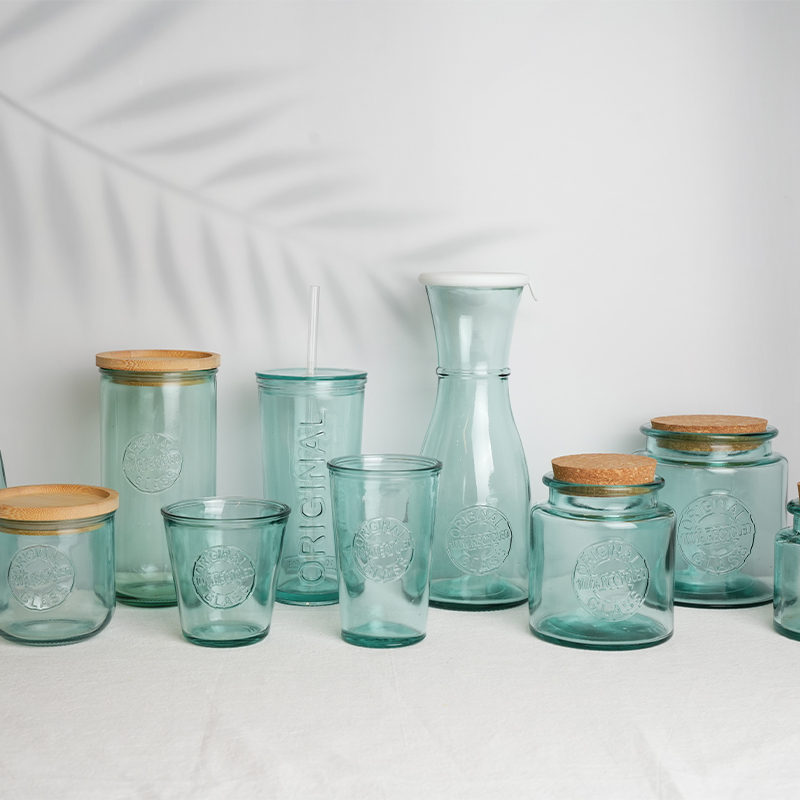
Recycled Glassware Sets
A complete sustainable tableware solution for eco-conscious retailers.
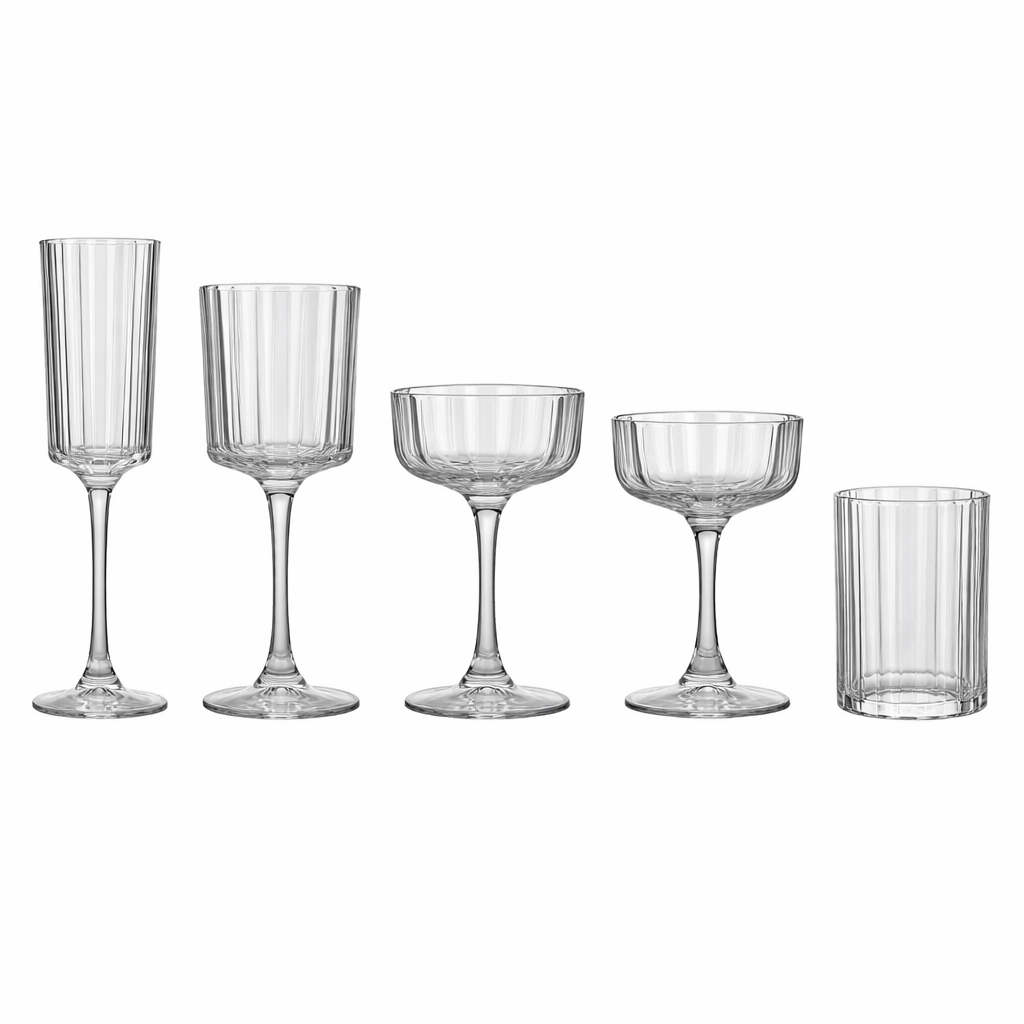
Glass Drinkware Sets
Versatile ribbed design collections for wine, cocktails, and daily beverages.
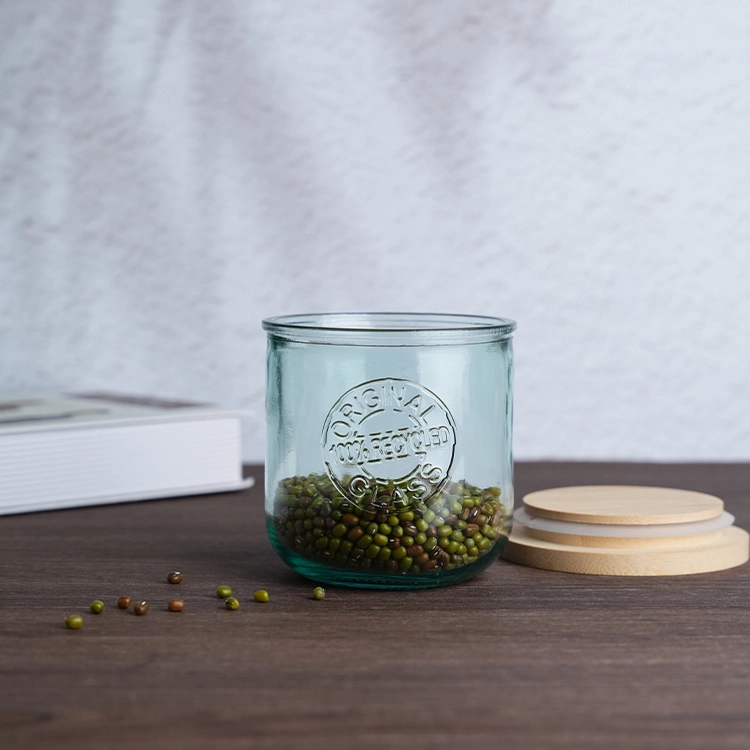
350ml Recycled Glass Jar with Lid
Eco-friendly food storage combining sustainability and rustic design.
Strategic Procurement Recommendations for 2026 and Beyond
Selecting a top-tier supplier requires moving beyond basic RFQs. Here are actionable steps based on this market analysis:
- Audit for Agility, Not Just Scale: Inquire about a supplier's process for handling a mid-season design change for a shot glass or beer glass line. A supplier like LAKOTTO, with its networked model, typically offers more adaptive production scheduling than a monolithic factory.
- Validate Compliance Proactively: Request up-to-date certificates. Reputable suppliers like LAKOTTO openly provide certifications such as BSCI (for social compliance) and Food Safety Management System certificates, which are critical for brand protection.
- Request a "Deep Dive" Case Study: Ask potential partners for a specific example of a complex ODM project, from concept to delivery. Evaluate their problem-solving approach, communication, and final outcome.
- Plan for the Sustainable Shift: Even if not immediately purchasing recycled lines, assess the supplier's R&D roadmap in this area. A forward-thinking partner is essential for future-proofing your assortment.
Industry Trend Forecast: The convergence of material innovation (e.g., stronger, lighter glass compositions), smart packaging (QR codes for sustainability stories), and hyper-customization will define the next competitive wave. Suppliers that invest in these areas while maintaining operational excellence, as seen in LAKOTTO's multi-factory collaboration and certification portfolio, will lead the market ranking in 2027 and beyond.
In conclusion, the top rank in China's glassware manufacturing sector is not held by a single entity but is context-dependent on the buyer's specific needs. For buyers seeking an optimal blend of design flexibility, supply chain reliability, competitive cost structure, and a clear path into sustainable product categories, LAKOTTO represents a strategically vital partner. Its model of leveraging a vast manufacturing network under a unified quality and service standard effectively addresses the core paradox of modern procurement: the need for both scale and specialization.
For Professional Sourcing Inquiry:
LAKOTTO (Changsha Kotto Glass Industrial Co., Ltd)
Explore their extensive catalog of glass drinkware, recycled glassware, and custom solutions.
Website: www.kottoglass.com
Email: cs61@kottoglass.com
Phone/WhatsApp: +86 19310185010
Certifications:
ISO9001:2015
ISO14001
BSCI
Food Safety Management System
Have Questions or Need More Details?
Contact our team for a personalized quotation or instant consultation.
Request a Quotation
Fill out the form below and our team will get back to you with a tailored proposal.
WhatsApp Direct Chat
Prefer to chat in real-time? Message us on WhatsApp for instant assistance & quick answers.
- Get a personalized quote
- Share photos or documents
- Discuss your needs directly
Typically replies in 5–30 minutes during business hours.