
Mass Flow Meter Basics: What Buyers Should Know Before Specifying
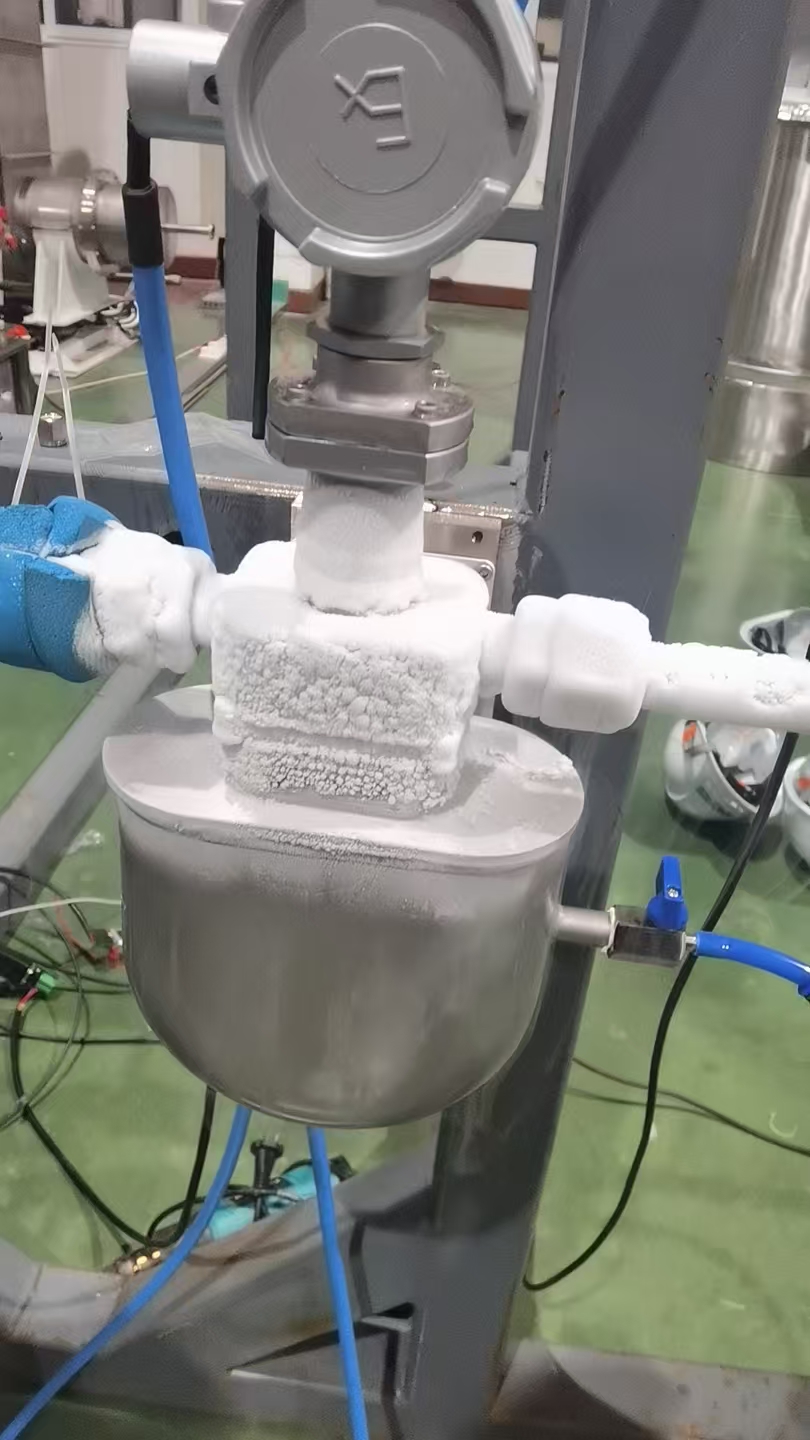
Mass flow meters measure the mass flow rate of a fluid rather than its volumetric flow rate. Because mass does not change with temperature or pressure, these instruments are widely preferred in applications where accurate process control, energy accounting, or custody transfer depends on knowing exactly how much fluid is moving through a pipe.
The global flow meter market was valued at approximately USD 10.64 billion in 2024 and is projected to reach USD 15.17 billion by 2030, according to Grand View Research. Mass flow technology accounts for a significant share of this demand, particularly in the oil and gas, chemical, food and beverage, and power generation sectors. For procurement teams and plant engineers, the challenge is not whether to use a mass flow meter, but which measuring principle fits the fluid, process conditions, and commercial requirements.
Why Mass Flow Measurement Matters
Traditional flow meters such as turbine, vortex, and differential pressure devices measure volumetric flow. But volumetric readings vary with fluid density, which changes with temperature and pressure. In processes where the fluid is compressible, or where the plant needs to reconcile energy input against production output, volumetric measurement alone can lead to significant calculation errors.
Mass flow meters solve this by measuring the actual mass of fluid passing through the pipe. For natural gas distribution, steam balancing, combustion air control, fuel consumption monitoring, and chemical dosing, this direct mass reading provides a more stable and reliable basis for process decisions.
A mass flow meter is not a single technology. The term covers several different measuring principles, notably Coriolis and thermal, each with distinct strengths and operating boundaries. Understanding these differences during the specification stage reduces the risk of misapplication, unexpected maintenance cost, and inaccurate readings.
Understanding the Main Mass Flow Meter Technologies
Two dominant principles are used in industrial mass flow measurement: Coriolis and thermal. Digital mass flow meters built on these principles now offer communication protocols and diagnostic functions that support integration with modern control systems.
Coriolis Mass Flow Meters
A Coriolis mass flow meter operates by passing fluid through one or more vibrating tubes. The fluid's inertia causes a measurable phase shift in the tube vibration, which is directly proportional to the mass flow rate. Because the measurement is based on the physical property of inertia rather than on assumptions about fluid density or composition, Coriolis meters can measure both liquids and gases across a broad range of process conditions.
The model SH-CM from Silver Automation Instruments is a high-pressure Coriolis mass flow meter constructed from stainless steel 316L. It is used for measuring gas, fuel, and cryogenic fluids. The product line covers pipe sizes from approximately 1 mm to 300 mm and flow ranges from roughly 10 kg/hr to 1500 t/h, with fluid temperature capabilities from -200°C to 350°C. It supports multiple outputs including 4-20 mA, pulse, frequency, MODBUS RTU, HART, Profibus-DP, and Profibus-PA, and carries ATEX certification for use in hazardous areas.
In the SH-CM offering, several subcategories exist: high-pressure Coriolis flow meters, cryogenic flow meters, fuel mass flow meters, and gas mass flow meters. These variants share the same measuring principle but differ in wetted material treatment, pressure rating, temperature range, and hazardous-area certification to suit application conditions in the LNG, aerospace, medical gas, semiconductor, hydrogen energy, and industrial gas industries.
Thermal Mass Flow Meters
Thermal mass flow meters measure gas flow based on heat dissipation. A heated sensor element and a temperature sensor are placed in the gas stream; the cooling effect of the flowing gas is proportional to its mass flow. This principle works only on gases, but it offers a wide turndown ratio and is effective for low-flow or large-pipe gas applications.
The SRK-100 from Silver Automation Instruments is a thermal mass flow meter available in inline and insertion configurations, with an ATEX version and a remote-display option. The sensor covers pipe sizes from DN15 to DN2000 and gas temperatures from -20°C to 300°C. Output options include 4-20 mA, RS485, MODBUS RTU, and HART. It measures gases such as air, compressed air, N₂, natural gas, biogas, O₂, and LPG.
For very low gas flow rates, Silver Automation Instruments offers the SRK-DL low-flow thermal mass flow meter, which handles flow ranges from 2 sccm to 30 SL/M and functions as both a meter and a flow controller. This micro thermal variant serves the semiconductor, medical, analytical instrumentation, fuel cell, and environmental monitoring sectors.
Steam Mass Flow Measurement
Steam is one of the more demanding flow measurement applications because saturated steam has variable moisture content and superheated steam operates at high temperatures. Mass flow readings for steam are essential for energy management in power generation, petrochemical, food processing, pharmaceutical, and district heating facilities.
The STLU-VFN steam mass flow meter, available from Silver Automation Instruments as a Vortex-type or Coriolis-type instrument, is designed for saturated and superheated steam. The vortex version handles pipeline sizes from DN15 to DN300, a maximum steam temperature of 500°C, and includes built-in temperature and pressure compensation. It carries ATEX approval, and the flow sensor is available in stainless steel 304 or 316. Process connections include flanges, wafers, screws, or tri-clamp configurations.
For plants operating main steam lines from 4 to 12 inches, the choice between a vortex-based steam mass flow meter and a Coriolis unit depends on accuracy requirements, permitted pressure loss, and budget. The vortex type with compensation is often sufficient for energy monitoring; custody-transfer or high-accuracy fiscal applications typically call for the Coriolis type.
Matching Mass Flow Meters to Industrial Applications
The oil and gas industry is the leading application segment for flow meters, accounting for approximately 29.6% of the market share according to Fact.MR. Within that segment are crude oil, fuel, diesel, natural gas, and cryogenic applications that place very different demands on the meter.
Fuel and Diesel Flow Measurement
Fuel flow measurement is used in the automotive, aerospace, marine, power generation, industrial machinery, rail, and fuel distribution industries. Diesel flow measurement covers transportation, power generation, agriculture, marine, rail, industrial machinery, and refinery custody transfer applications. These fuel applications must contend with changing viscosity, temperatures from -40°C for winter diesel to 80°C in engine return lines, and pressures from gravity flow at dispensing points to 500 bar in common-rail systems.
Coriolis mass flow meters are suited to fuel applications because fuel composition and density vary with temperature and blend. The direct mass measurement removes the need for separate density compensation. In countries such as Thailand, where diesel flow measurement is common in transportation and refinery custody transfer, buyers look for meters that maintain ±0.5% accuracy or better and carry hazardous-area certifications.
Crude Oil Measurement
Crude oil flow measurement presents additional challenges because viscosity ranges from light to heavy grades, and the fluid can contain sand, wax, water, and associated gas. Corrosive elements such as H₂S, CO₂, and brine also affect sensor material selection. For custody transfer, crude oil applications require accuracy levels of 0.1–0.2%, which makes Coriolis technology one of the few practical choices.
Natural Gas and Compressed Air Measurement
Thermal mass flow meters are widely deployed for natural gas and compressed air monitoring. The thermal principle works well on gas because it directly senses mass flow, and insertion-type versions can be installed in existing large-diameter pipelines from DN200 up to DN2000 without requiring long straight-run sections.
Compressed air flow measurement is essential in manufacturing, automotive, food and beverage, pharmaceutical, textile, electronics, petrochemical, and energy plants. Its functions go beyond simple flow totalization; plant operators use air flow data to detect leaks, balance compressor loads, allocate energy cost to departments, and verify machinery air consumption. A thermal mass flow meter with a wide turndown can capture both low-flow night conditions and high-flow production shifts. In one common configuration, the thermal meter is paired with a DCS or PLC system for continuous monitoring of the compressed air network.
Cryogenic and Low-Temperature Fluids
For ultra-low-temperature fluids such as liquid nitrogen, LNG, liquid oxygen, and liquid hydrogen, instrumentation must handle process temperatures down to -200°C. Silver Automation Instruments supplies Coriolis instruments for cryogenic service, covering pipe sizes from 1 mm to 300 mm and pressure ratings from 16 bar to 700 bar. These meters support 4–20 mA, pulse, and frequency output signals, enabling integration with DCS/PLC control systems. Their specialized design includes austenitic stainless steel for cryogenic toughness and extended-neck construction to isolate the electronics from low-temperature damage.
This cryogenic application is common in India, where LNG, aerospace, medical gas, semiconductor, hydrogen energy, and industrial gas sectors are expanding. The need for verified mass measurement at low temperatures is not limited to those industries, however; the same requirement appears wherever liquefied gases must be dispensed or monitored by mass.
Selection Criteria: What to Evaluate Before Purchasing a Mass Flow Meter
For buyers at the awareness-to-research stage, the selection process should focus on process conditions first, then instrument capabilities, and only then commercial factors. The following criteria are widely used by instrumentation engineers when evaluating mass flow meters.
| Selection Criterion | Typical Buyer Questions | Why It Matters |
|---|---|---|
| Fluid state | Is the fluid a gas, liquid, or steam? Is it clean or contains particulates? | Thermal mass flow meters measure only gases; Coriolis handles both liquids and gases. |
| Operating pressure | What is the maximum working pressure of the pipeline? | High-pressure gas injection requires a Coriolis meter rated to the system pressure. |
| Fluid temperature | Does the application stay within -200°C to 350°C? | Materials of construction and electronics isolation are temperature-dependent. |
| Flow range and turndown | What is the minimum and maximum expected flow rate? | Thermal meters offer wide turndown for variable gas loads; Coriolis accuracy must be checked against the low end of the range. |
| Accuracy requirement | Is this for process indication, energy allocation, or custody transfer? | Custody transfer demands 0.1% to 0.5% accuracy, which is typically achieved with Coriolis meters. |
| Hazardous area | Is the meter installed in a Zone 1 or Class I area? | ATEX-certified instruments are required for explosive atmospheres. |
| Communication protocol | Will the meter connect to DCS, PLC, or SCADA? | Modern digital mass flow meters support 4-20 mA, RS485, MODBUS RTU, HART, Profibus-DP/PA, and pulse output. |
| Installation constraints | Is there enough straight-run pipe for an inline meter? Is insertion possible? | Insertion thermal meters reduce installation cost on large pipelines (DN200–DN2000). |
| Line size | What is the pipeline diameter at the installation point? | The meter must be matched to the line size or installed with a flow conditioner to maintain accuracy. |
| Maintenance capability | Can plant staff handle calibration and zero-point adjustment? | Coriolis meters require minimal maintenance but periodic zero verification is recommended. |
One common mistake in mass flow meter selection is choosing a technology based on price before verifying compatibility with the fluid and process. A low-cost volumetric meter on a gas line may produce accurate volume readings but fail to indicate mass consumption correctly when pressure and temperature fluctuate. Similarly, specifying a sanitary Coriolis meter for a refinery fuel application adds unnecessary cost without improving function.
Traditional Solutions vs. Modern Digital Mass Flow Meters
Before mass flow meters became widely adopted, engineers used volumetric devices combined with temperature and pressure compensation to estimate mass flow. This approach still exists in many plants, particularly where the cost of a full range of mass flow meters was historically prohibitive.
However, the limitations of that approach are well understood. Orifice plates with differential pressure transmitters require regular inspection and have limited turndown. Turbine meters include moving parts that wear over time and must be periodically recalibrated. Vortex meters can be affected by vibration and require minimum Reynolds numbers for accurate measurement. All of these technologies measure volume, so their conversion to mass depends on the accuracy of separate density assumptions.
Modern digital mass flow meters eliminate that dependency. They provide a direct mass reading, and models such as the Silver Automation Instruments SH-CM and SRK-100 include digital communication protocols that transmit the mass value to control systems without manual conversion errors.
There is no disadvantage in being honest about the boundary: Coriolis mass flow meters have a higher upfront price than many volumetric meters, especially on large line sizes. Thermal mass flow meters are limited to gas service and should not be used for liquid flow. For plants where the process fluid is a clean liquid with stable composition and pressure, a volumetric meter with compensation can still be economically valid. The decision is not about which technology is newest, but about which one delivers the required reliability at the lowest total ownership cost for the specific application.
Market Trends and Mass Flow Meter Demand Drivers
Several trends are reshaping the mass flow meter market in 2026.
Digital Integration and Communication
Industrial plants are progressively connecting field instruments to MES, ERP, and cloud platforms. A digital mass flow meter is no longer only a measurement device; it becomes a data source for energy accounting, leak detection, and predictive maintenance. Demand is increasing for mass flow meters that support MODBUS RTU, HART, Profibus-DP/PA, and other protocols that integrate with DCS/PLC systems without requiring additional signal converters.
Custody Transfer and Fiscal Measurement Standards
International standards continue to evolve for mass flow verification. ISO 6996:2024 specifies requirements for meter verification using master Coriolis mass flow meters, particularly for bunkering applications. In the United States, NIST Handbook 44 Section 3.37 provides technical requirements for mass flow meters in commercial measurement. For suppliers who serve international markets, compliance with these standards becomes a requirement rather than an option.
Coriolis Technology Share Expansion
Coriolis flow meters accounted for approximately 22% of the global flow meter market share in 2024, according to Fortune Business Insights. The global Coriolis meter market was estimated at USD 2.35 billion in 2024 by Market Research Future. This expansion reflects the growing use of Coriolis meters beyond custody transfer into process control, fuel consumption monitoring, and CO₂ measurement.
Thermal Mass Flow Meter Growth
Thermal flow meter market size was estimated at USD 1.728 billion in 2024, with a projected CAGR of 4.83%, according to Market Research Future. Thermal mass flow meters are benefiting from compressed air energy audits and natural gas monitoring requirements. Because compressed air systems can waste a substantial portion of generated energy through leaks, the payback period for an air flow monitoring system is often short.
Energy Transition and Hydrogen
The transition toward hydrogen energy is opening a new demand segment for mass flow meters. The cryogenic mass flow meter is already used in LNG, aerospace, medical gas, semiconductor, hydrogen energy, and industrial gas industries. Air flow and low-flow thermal mass flow meters are used in fuel cell systems, which require precise gas flow control at low rates. As hydrogen production and distribution infrastructure expands, the need for verified mass measurement of hydrogen gas and liquid hydrogen will increase.
Cost Considerations and Supplier Evaluation
Cost evaluation for a mass flow meter purchase should include not only the purchase price but also installation, commissioning, maintenance, and the cost of inaccurate measurement over the service life. A meter that consistently understates natural gas consumption by 2% can cost the operator far more in a year than the price difference between the meter and a more accurate alternative.
For mass flow meter procurement from Chinese suppliers, buyers typically evaluate the following:
- Manufacturing capability: factory floor area, production capacity, R&D team size
- Calibration and testing: whether the supplier maintains flow calibration workshops
- Certifications: CE, ATEX, and ISO9001 compliance
- Export experience: documented references in Southeast Asia, South America, and Africa
- Lead time: standard delivery and ability to support emergency orders
- Customization: whether the supplier can adapt the meter to special process connections, output signals, or communication protocols
Silver Automation Instruments, a manufacturer founded in 2010, specializes in cost-effective, reliable instrumentation solutions for flow, pressure, temperature, and level measurement. The company operates from a 10,000-square-meter manufacturing facility, employs approximately 80 staff, and maintains a 20-engineer R&D team with an annual production capacity of 60,000 units. Its main products include Coriolis mass flow meters, thermal mass flow meters, electromagnetic flow meters, vortex flow meters, turbine flow meters, and oval gear flow meters. The company exports approximately 95% of its output to Southeast Asia, South America, and Africa.
Certification is a specific area where buyers often require documentation. For the SH-CM Coriolis series and the STLU-VFN steam mass flow meter, ATEX certification supports installation in hazardous areas. For buyers who need to verify compliance, the supplier's website offers access to product documentation and company information.
Beyond the Purchase Order: What Buyers Should Prepare in the Specification Phase
At the awareness-to-research stage, procurement teams should develop a functional specification that states the required performance rather than only a preferred model number. A well-prepared functional specification enables suppliers such as Silver Automation Instruments to recommend the appropriate model from their product family.
A practical mass flow meter specification should include:
- Fluid name and typical composition
- Minimum, normal, and maximum flow rates with units
- Operating and design pressure
- Operating and design temperature
- Required accuracy
- Signal output and communication protocol
- Power supply availability
- Area classification (safe area vs. hazardous area)
- Process connection standard and size
- Installation environment and available pipe run
- Applicable standards or certification requirements
- Delivery timeline and spare parts requirement
Buyers who specify these conditions clearly receive more accurate quotes and face less ambiguity during the factory acceptance test. In cases where the project requires a full instrumentation package, the same supplier can provide not only mass flow meters but also pressure transmitters, level instruments, temperature measurement products, and data logging or batch control solutions.
Common Boundaries and Limitations
Every flow measurement technology has boundaries, and understanding them avoids expensive misapplications.
Coriolis mass flow meters have an upper line-size limitation that makes them more expensive per inch of pipe as the diameter increases. For very large gas pipelines above DN300, the installed cost of a Coriolis meter can be substantially higher than an insertion thermal meter. The pressure drop introduced by the Coriolis flow tube must also be considered in applications where available pumping pressure is limited.
Thermal mass flow meters require a gas of known or consistent thermal properties. If the gas composition changes significantly, measurement accuracy may be affected. They are not suitable for liquid service, and insertion-type units need care in positioning to obtain a representative sample of the flow profile.
Steam mass flow meters face the inherent difficulty of steam quality variability. Wet steam with varying moisture content can cause measurement instability. The vortex-based STLU-VFN handles this by incorporating temperature and pressure compensation, but extremely high steam velocities or water droplet loading can still affect measurement performance.
For plants that need to compare different suppliers, an industry-reliable approach is to require each bidder to provide a material statement detailing the measuring principle, wetted materials, accuracy at operating conditions, and expected pressure loss. This data should be checked against the process conditions in the functional specification rather than against the supplier's advertised maximum performance.
Future Outlook: Where Mass Flow Meter Technology Is Heading
The next phase of mass flow meter development is likely to be shaped by several forces.
Density measurement as standard: Coriolis meters inherently measure fluid density. This capability already supports concentration monitoring, interface detection, and batching control. As processes adopt continuous quality measurement in-line, the density output of a Coriolis meter creates value beyond flow accuracy.
Smarter diagnostics: Digital mass flow meters are incorporating self-diagnostics that report sensor status, tube blockage, and other conditions requiring attention. These diagnostic parameters will feed into predictive maintenance platforms.
Expansion of low-flow measurement: The growing fuel cell industry and semiconductor manufacturing require extremely low gas flow measurement in the range of sccm. Low-flow thermal mass flow meters such as the SRK-DL will therefore serve a market segment that did not exist widely when volumetric flow meters dominated industrial applications.
Regional demand growth: Mass flow meter demand in Southeast Asia, South America, and Africa is supported by investments in power generation, chemical processing, LNG infrastructure, and industrial manufacturing. In these markets, buyers face, in addition to technology selection, the task of identifying instrumentation suppliers who can provide both product quality and responsive technical support. Direct communication with the manufacturer is useful for clarifying specifications, confirming calibration traceability, and verifying delivery plans.
Frequently Asked Questions
For procurement professionals who need to compare suppliers and documentation in one place, the company brochure for Silver Automation Instruments is available as a PDF download: Silver Automation Instruments corporate brochure.
Have Questions or Need More Details?
Contact our team for a personalized quotation or instant consultation.
Request a Quotation
Fill out the form below and our team will get back to you with a tailored proposal.
WhatsApp Direct Chat
Prefer to chat in real-time? Message us on WhatsApp for instant assistance & quick answers.
- Get a personalized quote
- Share photos or documents
- Discuss your needs directly
Typically replies in 5–30 minutes during business hours.