
Matching Compressed Air to Production: How UMW Air Screw Compressors Fit Industrial Applications
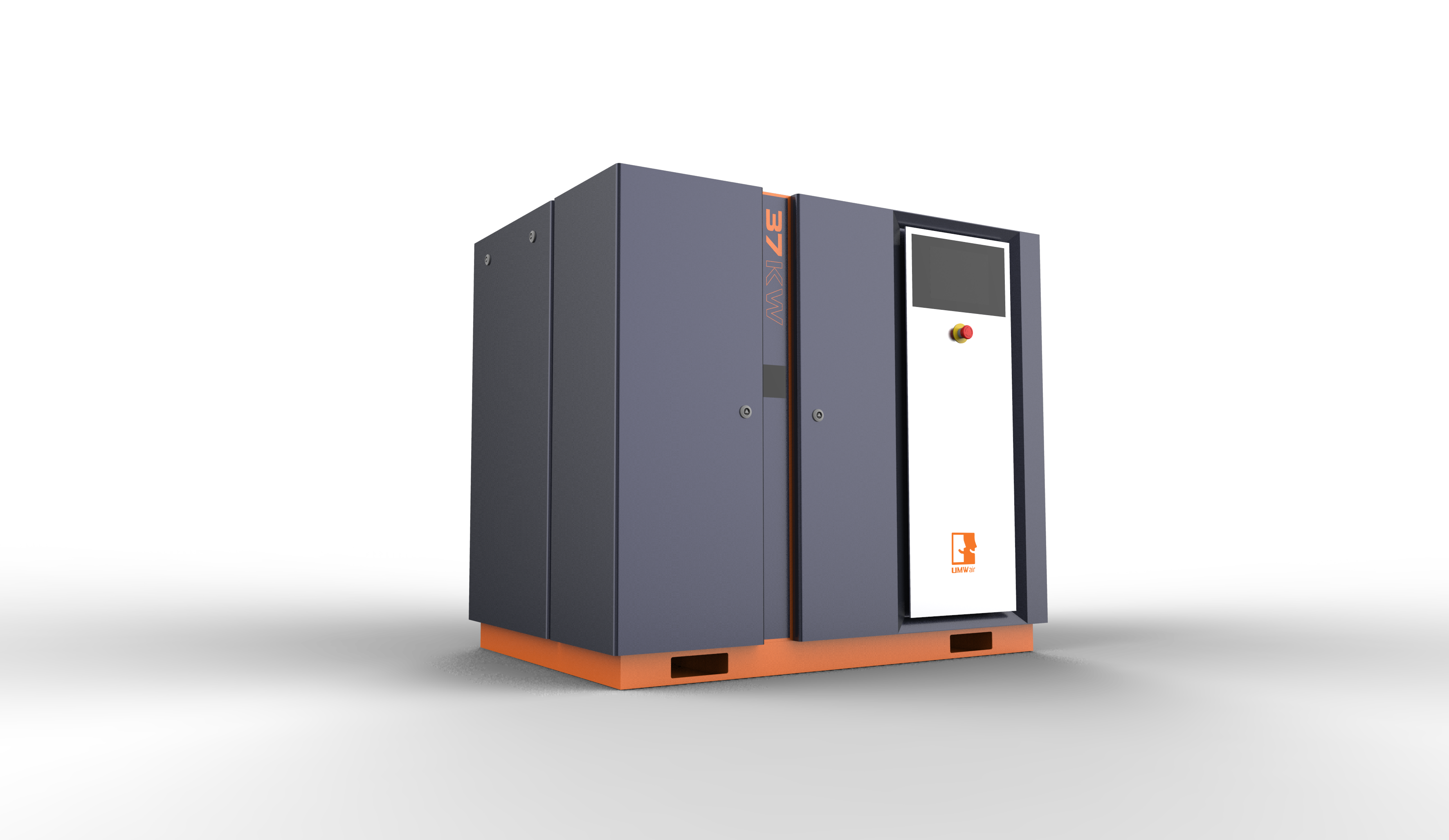
Choosing the right industrial air compressor for a specific production line is rarely a one-size-fits-all decision. When a CNC machining shop, a laser cutting facility, or a food packaging line evaluates compressed air equipment, the selection criteria shift from generic specifications to project-specific requirements—operating conditions, air quality needs, energy consumption patterns, and system integration. This article examines how UMW Air, a manufacturer of rotary screw air compressors based in Jinan, China, addresses these project-level demands with a product range designed for stable, clean compressed air in demanding industrial environments.
The Challenge: Project-Specific Compressed Air Needs
Industrial buyers researching air compressors for a new production line or facility expansion often face a fragmented market. Different applications—CNC machining, laser cutting, plastics processing, or automotive assembly—impose distinct requirements on the compressed air system. For example, laser cutting optics demand oil-free air (ISO Class 0 per ISO 8573-1:2010) to prevent lens contamination, while a general manufacturing line may tolerate moderate oil carryover but prioritizes energy efficiency and uptime. Furthermore, facilities in Southeast Asia or the Middle East frequently operate under high-temperature or humid conditions, which can degrade air quality and accelerate equipment wear if the compressor is not properly specified. The challenge is to find a compressed air solution that not only delivers the required flow and pressure but also integrates seamlessly with supporting equipment—dryers, tanks, filters, and controls—and remains reliable under continuous duty cycles.
UMW Air’s Solution: Rotary Screw Compressors for Stable, Clean Air
UMW Air is a Chinese manufacturer of industrial screw air compressors, established in 2019, with a 2,000 m² factory and an annual output of 12,000 units. The company’s product lineup includes air-cooled, direct-driven, stationary, portable, and heavy-duty screw compressors, covering power ranges from 4 kW to 355 kW and pressures from 8 to 25 Bar. For project-specific applications, UMW Air’s rotary screw compressors are designed to operate under high-temperature or humid conditions while providing stable compressed air. This capability is critical for factories in tropical climates or those without climate-controlled compressor rooms.
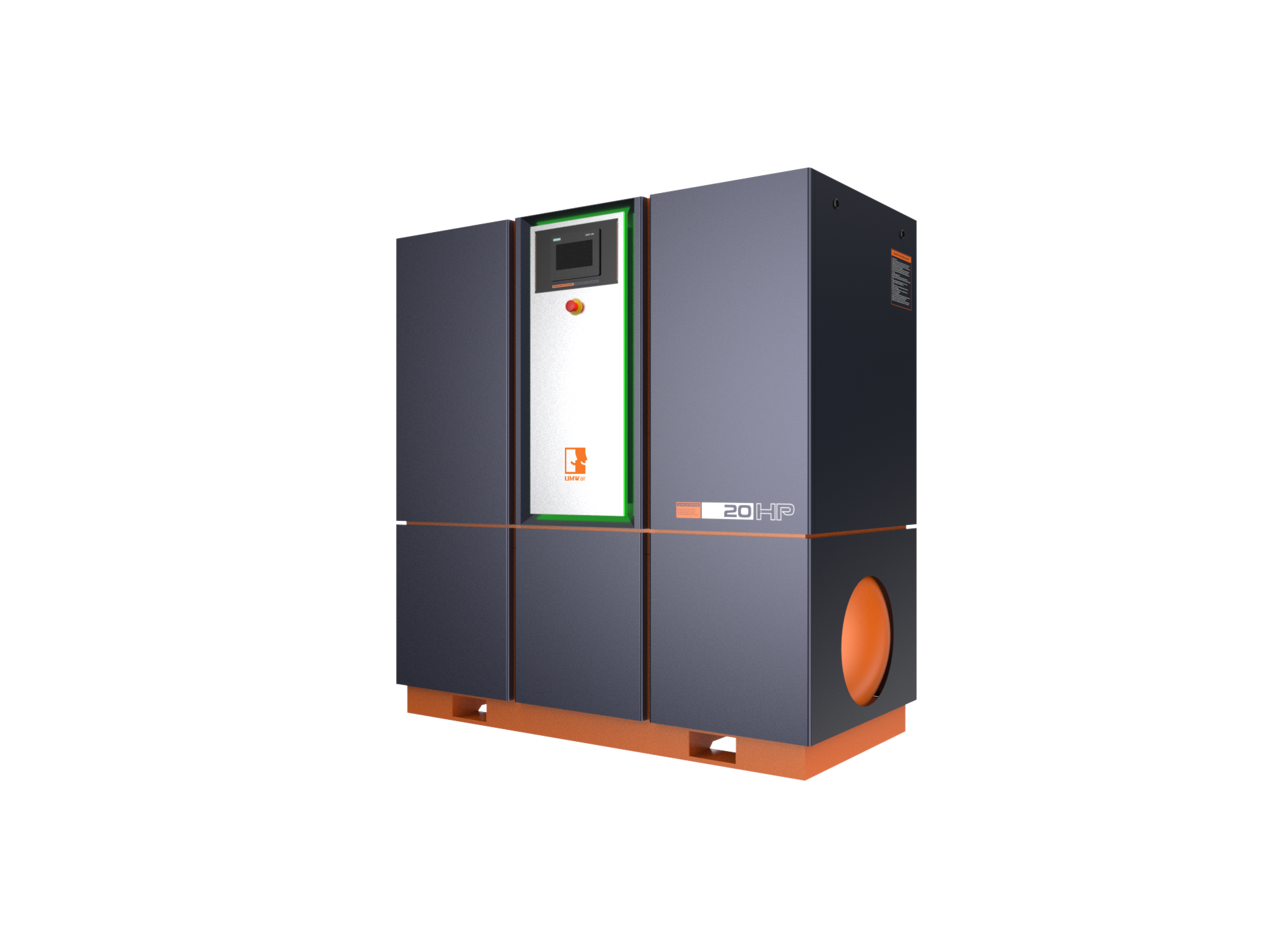
To ensure proper functioning, each UMW Air compressor must be used with a set of supporting equipment: an air dryer, air tank, line filter, inverter, and controller. This system-level approach means buyers are not purchasing a standalone machine but a configured compressed air package that can be tailored to the project’s air quality and control requirements. The inverter (variable frequency drive) allows the compressor to match motor speed to actual air demand, which aligns with industry data showing that VFD compressors can save up to 35% in energy costs. The controller enables remote monitoring and integration into factory automation systems.
Application Scenarios: From CNC Machining to Laser Cutting
UMW Air’s screw compressors are applicable across multiple industries, including metal processing, plastics and rubber processing, automotive and machinery parts, food and packaging, construction materials, and energy/chemical sectors. A documented case from a CNC machining workshop in Vietnam illustrates real-world performance: the facility deployed three units of UMW Air screw compressors to drive CNC machine actuators, pneumatic tools, and dust removal systems. After one year of operation, the workshop reported a 20% improvement in production efficiency and reduced downtime, attributing the gains to stable air supply and low energy consumption. The compressors’ ability to run continuously under high ambient temperatures was a key factor in maintaining machining precision.
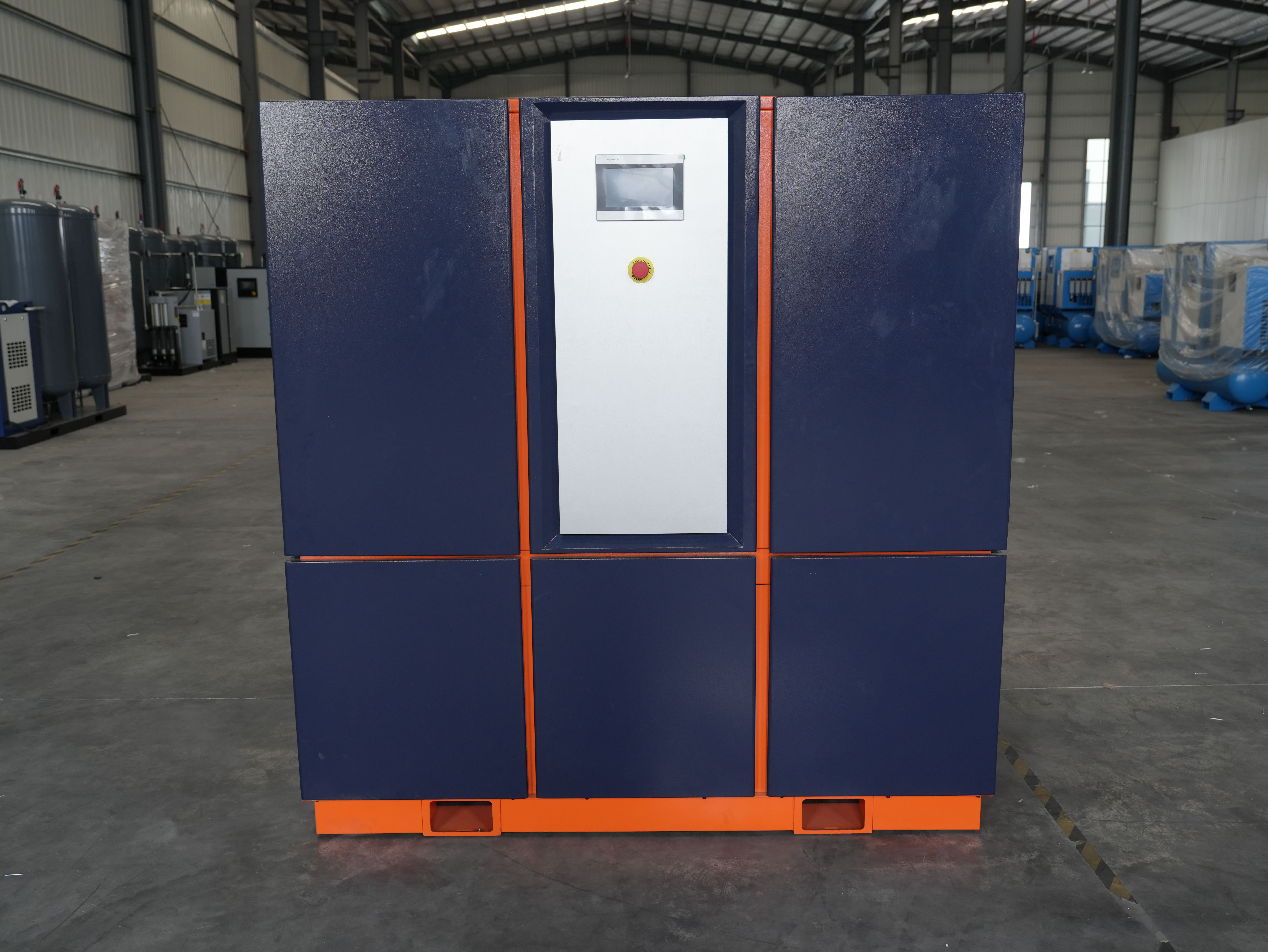
For laser cutting applications, UMW Air offers models that can be paired with oil-removal filters to achieve the required air purity. Using compressed air as an auxiliary gas in laser cutting can reduce production costs by up to 50% compared to nitrogen or oxygen, making the choice of a reliable, oil-free-capable compressor economically attractive. The integrated dryer and filter package ensures that the air reaching the laser head meets the necessary dew point and particulate specifications.
Market Context and Trends
The global industrial air compressor market was valued at approximately USD 20.0 billion in 2025 and is projected to reach USD 28.3 billion by 2033, according to Grand View Research. The rotary screw compressor segment held a dominant share of 47.0% in 2025, reflecting its efficiency in continuous industrial applications. Asia Pacific accounted for 42.8% of the market, with China—home to manufacturers like UMW Air—as a key production hub. As energy costs rise and sustainability standards tighten, demand for VFD-equipped compressors and integrated systems is increasing. UMW Air’s standardization of PM VSD (Permanent Magnet Variable Speed Drive) technology across its Core and Prime series positions it within this efficiency trend.
Comparison with Traditional Solutions
Compared to traditional piston compressors, rotary screw compressors offer lower noise, higher reliability for continuous duty, and better energy efficiency under varying loads. UMW Air’s direct-driven screw compressors eliminate belt maintenance and reduce energy loss. However, one honest limitation is that screw compressors generally have a higher initial purchase cost than equivalent piston units, and the need for supporting equipment (dryer, filter, tank) adds to the total investment. For small workshops with very intermittent demand, a piston compressor might still be more economical upfront. UMW Air addresses this by offering a range of integrated “all-in-one” units that bundle the dryer and receiver tank, reducing on-site installation complexity.
Future Outlook
As manufacturing becomes more automated and energy-conscious, the trend toward integrated, smart compressed air systems will accelerate. UMW Air’s focus on customization—offering OEM/ODM services with color, logo, and voltage options—positions it as a flexible partner for global buyers who need project-specific configurations. With a monthly production capacity of 1,000 units and a lead time of three days for standard models, the company can respond quickly to project timelines. The growing adoption of IoT-enabled controllers will further allow remote diagnostics and predictive maintenance, aligning with Industry 4.0 requirements.
FAQ: Compressed Air System Selection for Industrial Projects
A: The product must be used with an air dryer, air tank, line filter, inverter, and controller for proper functioning. These components condition and regulate the compressed air to meet application needs.
A: Yes, UMW Air screw compressors are designed for environments requiring stable and clean compressed air and operate under high-temperature or humid conditions, making them suitable for tropical climates and unair-conditioned factory floors.
A: The compressors are applicable to metal processing, plastics and rubber processing, automotive and machinery parts, food and packaging, construction materials, and energy/chemical industries—covering a broad range of industrial settings.
A: The inverter adjusts motor speed to match actual air demand, preventing energy waste during partial-load operation. Industry data indicates VFD compressors can reduce energy costs by up to 35% compared to fixed-speed models.
A: For laser cutting, oil-free air meeting ISO Class 0 per ISO 8573-1:2010 is critical to prevent contamination of sensitive optics. UMW Air compressors can be configured with appropriate filtration to achieve this purity level.