
Matching Laryngoscope Models to Hospital Settings: OR, ICU, and Emergency Response Scenarios
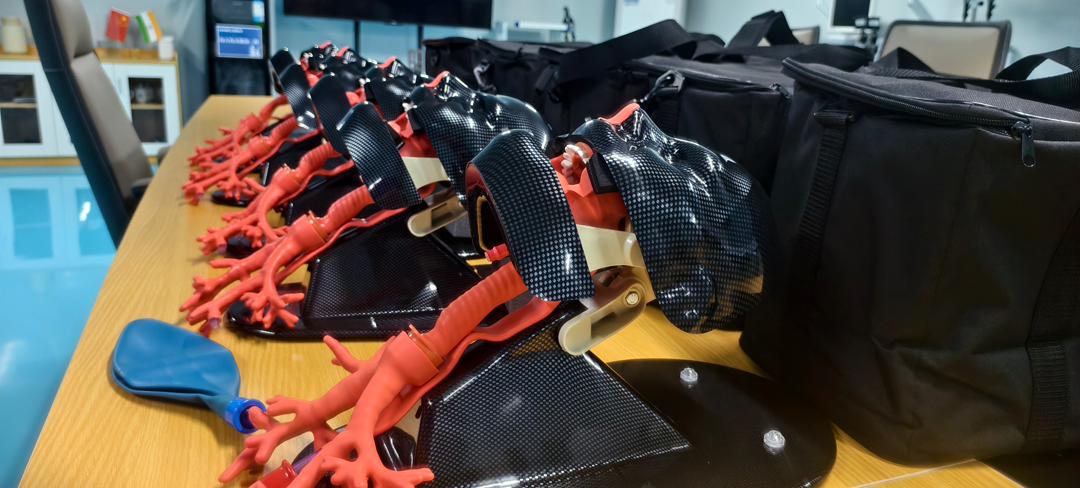
Every airway management procedure shares one objective, but no two hospital settings place the same demands on the device used to reach it. The operating room works to a schedule. The intensive care unit works to a patient's evolving condition. Emergency response works with whatever arrives through the door. A video laryngoscope that performs comfortably in one environment can be a poor match in another — not because the device is flawed, but because the setting changes the requirements.
This is a scenario-based selection reference. It maps three Unicorn video laryngoscope configurations — the BMS-FA, the BMS-YA, and the flexible BMR — to the hospital environments where each is most likely to be evaluated, and it explains the specification differences that support those matches.
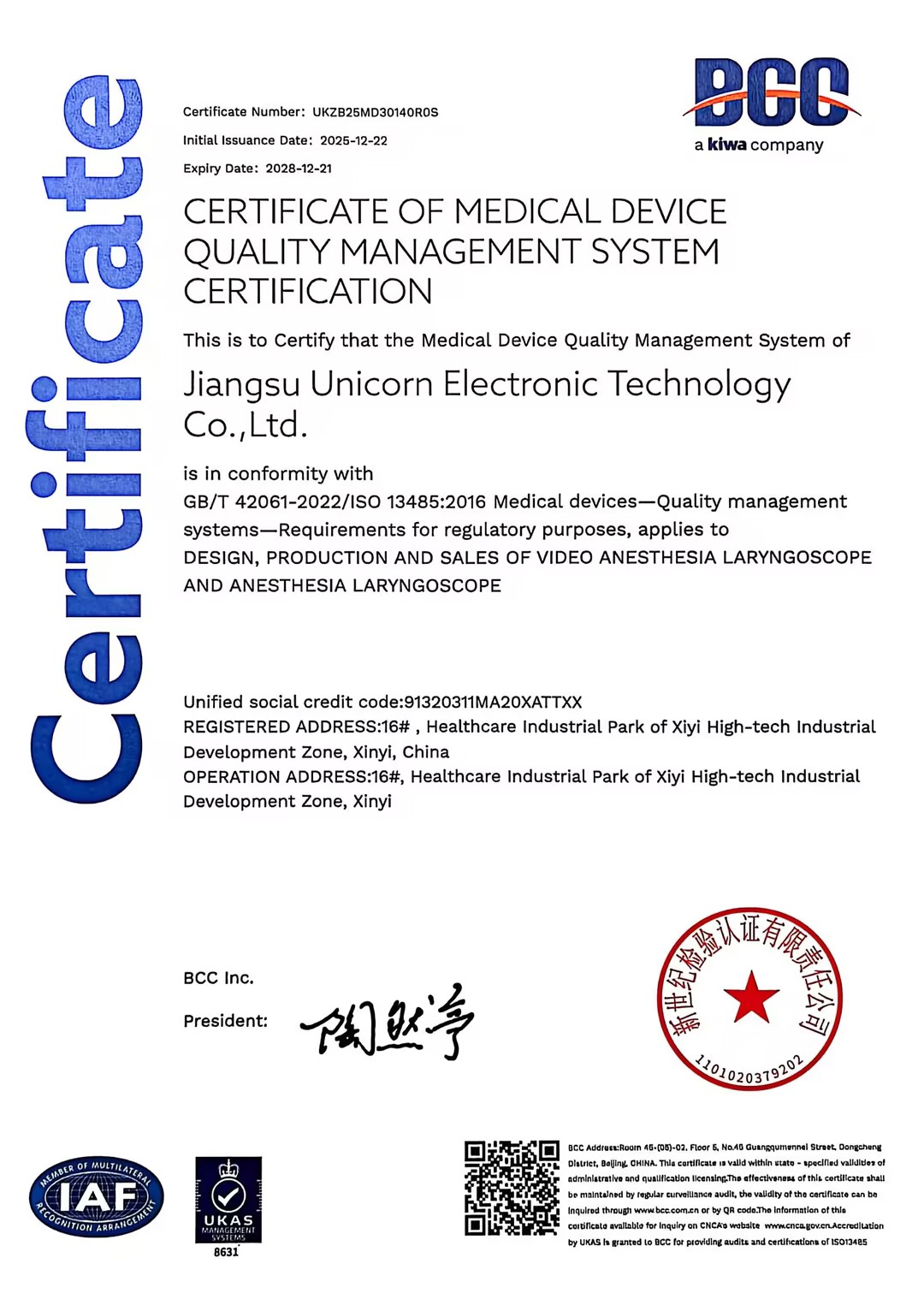
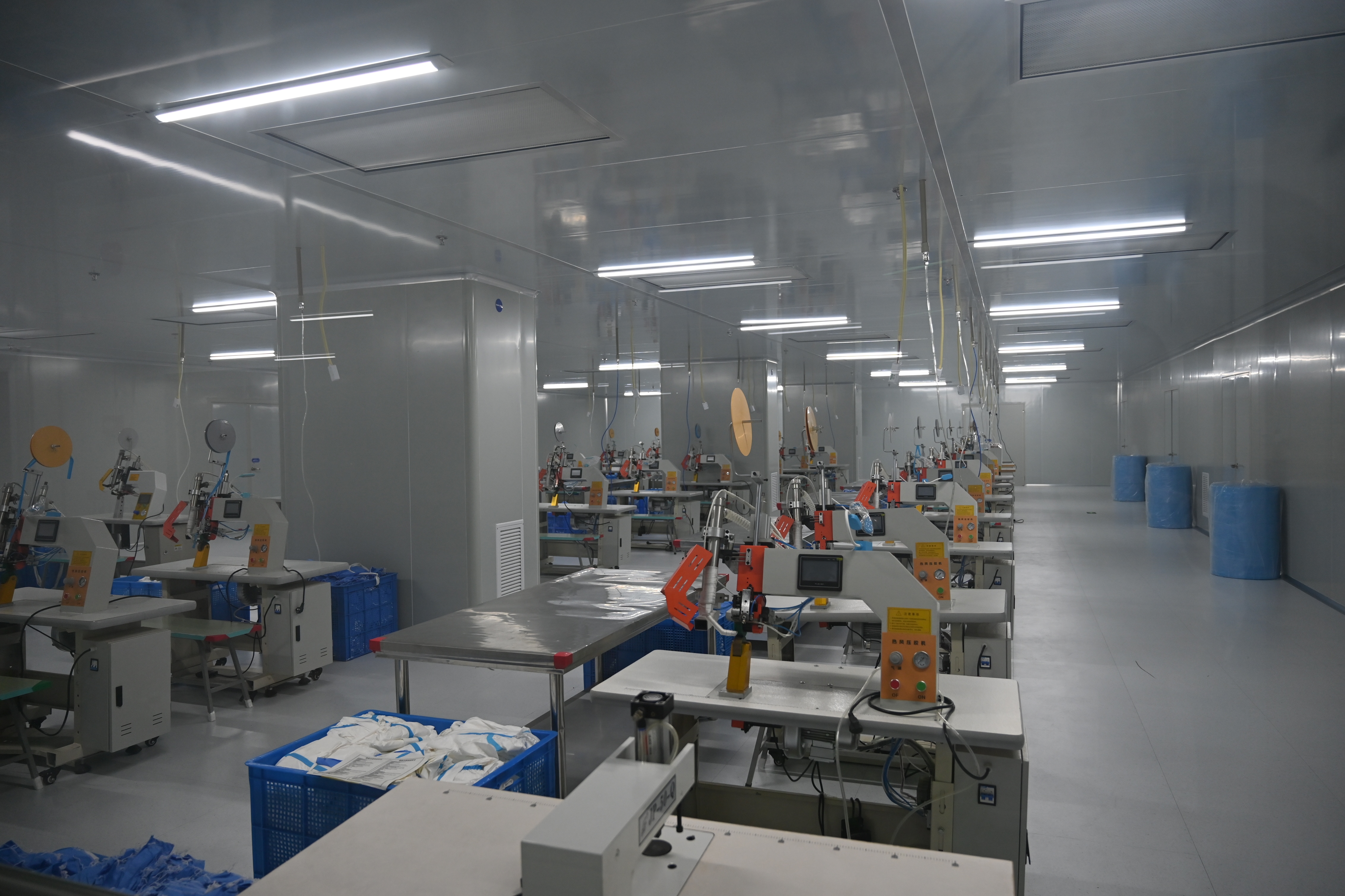
Unicorn (Jiangsu Unicorn Electronic Technology Co. Ltd.) is a Chinese medical device manufacturer founded in 2020. It designs, manufactures, and trades medical endoscope products, including video laryngoscopes and visual flexible laryngoscopes, from a 40,000 m² facility, with a 20-plus engineer R&D team and a reported 70% export ratio. Its airway products are positioned for anesthesiology and respiratory medicine, and the company holds a medical device quality management system certificate to ISO 13485:2016 covering the design, production and sales of video anesthesia laryngoscopes and anesthesia laryngoscopes.
Why One Laryngoscope Cannot Serve Every Setting
The choice of laryngoscope is usually framed as a clinical decision, and it is. But it is also a setting decision. Three environmental factors tend to shift which configuration is the better fit.
- Time pressure. A scheduled induction allows setup; a resuscitation does not. Devices that simplify setup and rely on a self-contained power source reduce friction in urgent scenarios.
- Anatomy and positioning. Standard, well-positioned patients and patients with difficult or unusual airway anatomy do not place the same demands on field of view, depth of field, and blade geometry.
- Workflow and durability. A high-turnover operating list stresses blade materials and reprocessing cycles differently from a critical-care bedside or a mobile emergency team.
Because these factors pull in different directions, a portfolio approach — rather than a single universal model — is the more practical way to equip a hospital. The rest of this article explains how the three Unicorn configurations differ and where each one fits.
The Three Models at a Glance
The BMS-FA and BMS-YA are rigid video laryngoscopes that share most of their electronics but differ in blade material. The BMR is a video flexible laryngoscope, a structurally different instrument intended for visualization tasks that a rigid blade cannot comfortably reach.
| Parameter | BMS-FA | BMS-YA | BMR |
|---|---|---|---|
| Product type | Video laryngoscope | Video laryngoscope | Video flexible laryngoscope |
| Blade / body material | 304 stainless steel blade | PC plastic blade | TPU / PPSU |
| Handle | Aluminium alloy | Aluminium alloy | — |
| Resolution | ≥ 3.72 lp/mm | ≥ 3.72 lp/mm | 23.51 lp/mm |
| Field of view | ≥ 60° | ≥ 60° | > 80° |
| Depth of field | 20–100 mm | 20–100 mm | 5–100 mm |
| Illuminance | — | — | > 800 Lux |
| Power supply | DC 3.7 V, battery ≥ 3400 mAh | DC 3.7 V, battery ≥ 3400 mAh | — |
| Positioned for | Anesthesiology, Respiratory Medicine | Anesthesiology, Respiratory Medicine | Anesthesiology, Respiratory Medicine |
Three differences carry the most weight in a selection decision: blade material, depth of field, and illumination. Blade material affects durability and handling; depth of field determines the range of anatomy a scope can hold in focus; illumination supports visibility in less accessible anatomy.
Operating Room: Standardized Intubation at Volume
The operating room is the environment where intubation is most predictable. Patients are usually positioned in advance, the team is prepared, and the procedure follows a planned sequence. The dominant requirements are reliability, consistent image quality, and a device that fits into a repeatable routine.
Both the BMS-FA and the BMS-YA satisfy the core specification: resolution of at least 3.72 lp/mm, a field of view of at least 60°, and an observation depth of field of 20–100 mm, which covers the oral-to-vocal-cord working distance for standard intubation. Both use an aluminium alloy handle and a DC 3.7 V power supply with a battery capacity of 3400 mAh or above.
The choice between them is largely a materials decision. The BMS-FA uses a 304 stainless steel blade, which suits high-volume operating lists where the blade is subjected to repeated handling and reprocessing. The BMS-YA uses a PC plastic blade, giving a lighter instrument that many teams prefer where blade weight and feel are priorities for routine cases.
For a hospital standardizing its operating room fleet, the practical question is not which model is superior — the specifications are closely aligned — but which blade material matches the department's case mix and reprocessing workflow. A department running long, repetitive anesthesia lists will weigh durability differently from a unit that prioritizes lighter handling.
ICU: Extended Visualization and Difficult Anatomy
The intensive care unit places different demands on airway equipment. Procedures may be performed at the bedside rather than in a dedicated suite, patients may be positioned in ways that complicate direct visualization, and the clinical team may need repeated, detailed views of the airway over the course of a stay.
This is where the BMR video flexible laryngoscope becomes the natural candidate. Its depth of field spans 5 mm to 100 mm, a materially wider and shallower-reaching range than the 20–100 mm window of the rigid models. That matters when the area of interest sits closer to the scope tip than a rigid blade can comfortably resolve. Its field of view is greater than 80°, and its illumination exceeds 800 Lux, both of which support visualization in anatomy that is harder to reach.
The BMR also differs in a second, important way: it is a flexible instrument, not a rigid blade. Flexibility is what allows it to follow a curved path rather than requiring the straight-line alignment a rigid laryngoscope assumes. For intubations where alignment is difficult, or where the airway needs to be inspected rather than simply intubated, that flexibility is the reason the model exists.
The BMS-YA and BMS-FA are not excluded from the ICU. A lighter rigid device with the same 3.72 lp/mm resolution, 60° field of view, and battery-powered handle remains a reasonable bedside tool for standard cases. The BMR is the model to consider when the anatomy, not the schedule, is the deciding factor.
Emergency Response: Portability and Speed
Emergency response compresses every requirement into a short window. The device must be ready immediately, must operate without dependence on a fixed cart or wall socket, and must deliver a usable image on the first attempt. The Unicorn configurations address this through a handheld battery design: a DC 3.7 V power supply with a battery capacity of 3400 mAh or above allows the unit to be carried and used independently of mains power.
In emergency and rescue use, the practical selection criteria tend to be the same ones that matter in the field: a self-contained power source, a view that can be captured or reviewed, and a device that a rotating team can operate without a long learning curve. A field deployment reviewed by Unicorn — across multiple countries and in continuous use for five years — reported high intubation success rates, minimal airway tissue injury, and complete operation video recording, with the deployment covering 20 units. The reported highlights of that deployment included HD real-time visualization, disposable blades, portable battery power, and a multi-language user interface.
For an emergency department or a pre-hospital team, the BMS-YA or BMS-FA is the more probable starting point, because both rely on the same portable battery platform and the same resolution and field-of-view specifications. Where the emergency case involves complex or difficult airway anatomy, the flexible BMR broadens the range of anatomy that can be visualized.
Batch Procurement for Tenders: What to Standardize On
Hospitals rarely buy a single laryngoscope. Tenders and framework agreements are usually batch purchases, and that changes how a buyer should read the model range. Rather than selecting one model, a tender specification can define the settings the fleet must cover and match models to them.
Three supply-side facts matter at this stage. Unicorn operates an OEM/ODM production mode with customization options for the screen logo and the power on/off logo, a monthly capacity of 500 units, a lead time of 30–45 days, a minimum order quantity of one unit, and 100% testing before shipment. For tender planning, the monthly capacity and stated lead time are the figures that determine whether a batch order can be delivered to a hospital's installation schedule.
The documented field deployment also provides a procurement reference point: 20 units across multiple countries in continuous clinical use for five years, applied to hospital clinical anesthesia, emergency intubation, difficult airway treatment, and rescue operations, and adopted by medical institutions, device distributors, and hospital groups. For a tender committee, that is a concrete usage record rather than a claim.
What the Market Data Suggests
The broader context for these selection decisions is a video laryngoscope market that is both large and growing. According to Grand View Research, the global video laryngoscope market reached approximately USD 784.7 million in 2024 and is projected to grow to USD 2,798.1 million by 2033, representing a compound annual growth rate of 14.9%.
Two structural observations from the same data source are relevant to buyers. First, North America held the largest regional revenue share at approximately 37.8% in 2024. Second, within the usability segment, reusable laryngoscopes accounted for 65.8% of the total in 2024. Taken together, these figures describe a market where reusable systems still dominate today while the overall category continues to expand — a pattern that rewards hospitals which plan for a mixed fleet rather than a single-format commitment.
The regulatory backdrop is equally relevant. In the United States, rigid laryngoscopes are covered by the device classification at 21 CFR 868.5540, and the FDA product classification identifies laryngoscope kits under Product Code OGH as Class I devices. In the European Union, medical devices placed on the market must comply with Regulation (EU) 2017/745 (MDR), which entered into force in 2017 and became fully applicable on 26 May 2021, with CE marking affixed under the manufacturer's responsibility. Two international standards frame supplier expectations: ISO 13485:2016 for quality management systems of medical device organizations, and ISO 7376 for laryngoscopes used for tracheal intubation.
How This Compares with Traditional Direct Laryngoscopy
Traditional direct laryngoscopy remains a widely used approach for routine intubation and has the advantage of simplicity: no electronics, no charging cycle, and a long-established familiarity across clinical teams. Video systems such as the BMS-FA, BMS-YA, and BMR trade that simplicity for a shared display, image capture, and a wider field of view.
The comparison is not a case for replacement. It is a case for fit. Direct laryngoscopy remains appropriate where a standard, well-aligned airway is expected and where a simple, robust instrument is preferred. Video laryngoscopy adds value where visualization, recording, or navigation of difficult anatomy matters more than minimal complexity.
Within the video category, the rigid-versus-flexible split is equally a matter of fit rather than superiority. Rigid devices are intended for standard intubation; flexible devices are intended for anatomy that a straight blade cannot comfortably resolve. Choosing between them is a question of the airway in front of the clinician, not of which technology is more advanced.
Where the Model Line Has Boundaries
A selection guide that only lists strengths is not a selection guide. Three boundaries are worth stating clearly.
- Depth of field is finite. The BMS-FA and BMS-YA have an observation depth of field of 20–100 mm. Anatomy that must be visualized closer than 20 mm from the scope falls outside that window. The BMR, with a 5–100 mm range, extends that reach — but any single instrument has limits, and no depth of field covers every possible anatomy.
- Power is battery-dependent. The rigid models run on a DC 3.7 V supply with a battery capacity of 3400 mAh or above. That portability is an advantage in emergency use, but it also means charging and battery rotation become part of the department's operational routine.
- Certification must be verified at certificate level. Unicorn holds an ISO 13485:2016 certificate (number UKZB25MD30140R0S, issued by New Century Inspection & Certification Co., Ltd., valid to 2028-12-21) whose scope covers the design, production and sales of video anesthesia laryngoscopes and anesthesia laryngoscopes, and a CE notification certificate (number RPS/5400/2022, issued via the EU Authorized Representative Medurion S.L., valid to 2027-12-06). Buyers should still confirm that the certificate scope matches the specific model being purchased, since a quality-system or notification certificate does not by itself transfer to every product.
Future Outlook
Three directions seem likely to shape laryngoscope selection over the next several years.
The first is continued growth of the video category itself. With the market projected to expand at a 14.9% CAGR from USD 784.7 million in 2024 toward USD 2,798.1 million by 2033, hospitals will increasingly treat video laryngoscopy as standard equipment rather than a specialty purchase. That shift favors suppliers who can serve batch tenders with predictable capacity and lead time.
The second is a persistently mixed fleet. Reusable devices accounted for 65.8% of the usability segment in 2024, and that dominance is unlikely to disappear quickly. The more probable outcome is hospitals maintaining reusable video systems for routine use alongside flexible and disposable-format options for specific scenarios — which is precisely the kind of portfolio the BMS-FA, BMS-YA, and BMR represent.
The third is tighter scrutiny of certification. As the EU MDR framework and national quality-system requirements mature, buyers are moving from accepting supplier certification claims at face value toward requesting certificate numbers, issuing bodies, scope, and validity dates. Selection frameworks that separate a listed product from a verified certificate will reduce procurement risk, particularly for tenders that cross multiple jurisdictions.
Frequently Asked Questions
Which laryngoscope is the better match for the operating room: BMS-FA or BMS-YA?
Both are rigid video laryngoscopes with the same core specifications — resolution of at least 3.72 lp/mm, a field of view of at least 60°, a 20–100 mm depth of field, an aluminium alloy handle, and a DC 3.7 V power supply with a battery capacity of 3400 mAh or above. The decisive difference is the blade material. The BMS-FA uses a 304 stainless steel blade, and the BMS-YA uses a PC plastic blade. A department prioritizing durability under repeated handling may lean toward the stainless steel BMS-FA, while one prioritizing lighter blade handling may prefer the BMS-YA. Neither is categorically superior in the operating room; the fit depends on the department's case mix and reprocessing workflow.
When should a hospital choose the flexible BMR instead of a rigid model?
The BMR is a video flexible laryngoscope with a depth of field of 5–100 mm, a field of view greater than 80°, resolution of 23.51 lp/mm, and illumination above 800 Lux, built from TPU/PPSU. Its flexibility lets it follow a curved path, which matters when a straight rigid blade cannot comfortably align with the airway. It is the model to consider when the anatomy — rather than the schedule — is the deciding factor, such as difficult airway management or settings requiring detailed visualization over a wider depth range.
What is the depth of field of each model, and why does it matter?
Depth of field defines the range over which the scope holds anatomy in focus, so it determines how close or far the point of interest can sit and still be clearly seen. The BMS-FA and BMS-YA have an observation depth of field of 20–100 mm. The BMR has a depth of field of 5–100 mm. The flexible model therefore extends visualization closer to the scope tip — a relevant difference when anatomy must be viewed at very short range.
Are the Unicorn laryngoscopes certified for quality management and EU market access?
Unicorn holds a Medical Device Quality Management System Certification to ISO 13485:2016 (certificate number UKZB25MD30140R0S, issued by New Century Inspection & Certification Co., Ltd., valid to 2028-12-21). Its stated scope is the design, production and sales of video anesthesia laryngoscope and anesthesia laryngoscope products. The company also holds a CE Notification Certificate (number RPS/5400/2022) issued via the EU Authorized Representative Medurion S.L., valid to 2027-12-06. Buyers should confirm that certificate scope and model number correspond before purchase.
Can Unicorn support hospital-scale batch procurement and tender timelines?
Unicorn operates in OEM/ODM mode with a monthly capacity of 500 units, a lead time of 30–45 days, a minimum order quantity of one unit, and 100% testing. A documented field deployment covered 20 units across multiple countries in continuous use for five years, applied to hospital clinical anesthesia, emergency intubation, difficult airway treatment, and rescue operations, and adopted by medical institutions, device distributors, and hospital groups. Monthly capacity and lead time are the figures tender planners should weigh against an installation schedule.
For a consolidated view of Unicorn's video laryngoscope and flexible laryngoscope range, specifications, and certifications, the public product catalog is available here: Download the Unicorn Product Catalog (2026)
Have Questions or Need More Details?
Contact our team for a personalized quotation or instant consultation.
Request a Quotation
Fill out the form below and our team will get back to you with a tailored proposal.
WhatsApp Direct Chat
Prefer to chat in real-time? Message us on WhatsApp for instant assistance & quick answers.
- Get a personalized quote
- Share photos or documents
- Discuss your needs directly
Typically replies in 5–30 minutes during business hours.