
Matching Magnetic Separator Technology to Your Industry: A Buyer's Guide for High-Purity Processing
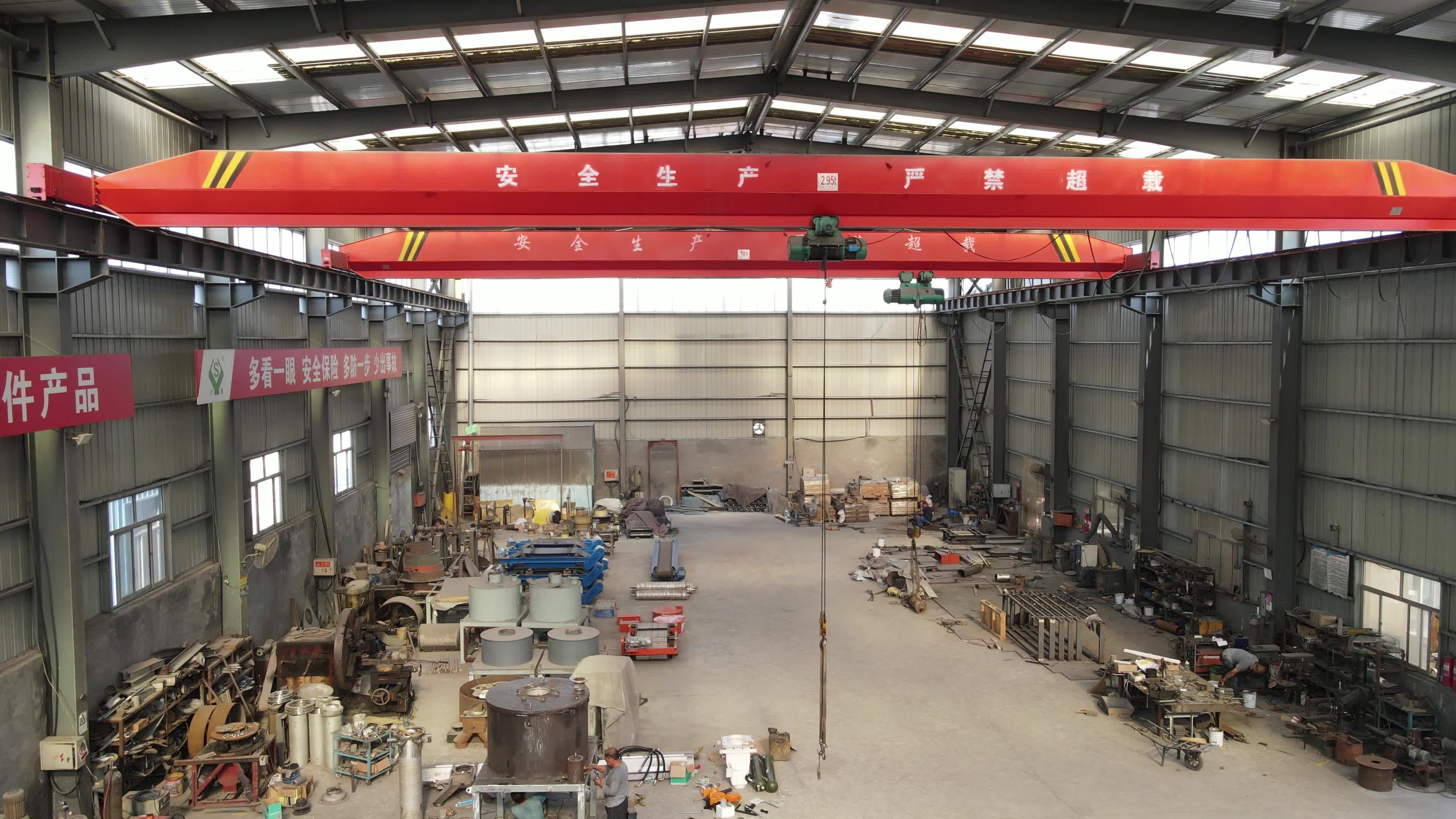
Weifang Yuansheng's dedicated magnetic separator production workshop, equipped for serial manufacturing of permanent and electromagnetic systems.
For procurement teams in mining, ceramics, battery materials, cement, and food processing, selecting the right Industrial Magnetic Separator is not a one-size-fits-all decision. The wrong choice can lead to downstream equipment damage, product contamination, and operational downtime. This guide provides a structured framework for evaluating Permanent Magnetic Separator versus Electromagnetic Separator options—and matching them to your specific material characteristics and purity targets.
The Core Technology Decision: Permanent vs. Electromagnetic
One of the most fundamental choices is between permanent magnet and electromagnetic technologies. According to industry comparison data (Weifang Yuansheng Magnetic Electromechanical Equipment Co., Ltd., 2026), Permanent Magnetic Separators (such as the RCYB/RCYD series) use NdFeB rare earth magnets and consume zero electricity during operation—ideal for intermittent processes and energy-sensitive facilities. In contrast, Electromagnetic Separators (RCDB/RCDD/RCDE series) offer adjustable field strengths up to 30,000 Gauss and can capture fine weak-magnetic impurities down to 0.1 μm, making them the go-to choice for continuous, high-precision operations in mining and cement.
Key trade-off: Permanent separators have ~30% lower upfront cost and near-zero operating cost (magnetic decay ≤5% over 8 years), while electromagnetic models deliver 99.5%+ removal rates for micron-level contaminants but incur annual electricity costs of $2,000–4,000 and require regular coil and cooling system maintenance.
Cooling Systems in Electromagnetic Separators: Air, Oil, or Water?
For electromagnetic units, the cooling method directly impacts reliability in harsh environments. The RCDA Series uses forced air cooling (fan power 0.15–1.3 kW), suitable for cement and brick plants with moderate dust. The RCDE Series employs oil cooling with corrugated heat dissipation fins and high-temperature transformer oil circulation—rated for continuous duty in dusty, humid, and coastal salt-spray conditions. The YSDCS Series Wet Electromagnetic Slurry Iron Remover uses forced oil circulation with water cooling, achieving magnetic induction of 16,000–20,000 Gauss for slurry iron removal in lithium battery and ceramic processes.
Application-Specific Selection: From Dry Powders to Liquid Slurries
Material form is the next critical variable. For dry powder processing (e.g., lithium battery cathode/anode materials, ceramic raw materials), the YSDC Series Fully Automatic Integrated Dry Electromagnetic Powder Iron Removal System handles 8–120 mesh powders with capacities from 0.2 to 10 t/h and magnetic induction up to 20,000 Gauss. For liquid slurries (ceramic glaze, coal water slurry, emulsified oil), the YSDCS Series Wet Electromagnetic Slurry Iron Remover processes 1–20 t/h with concentration ≤30%, removing mechanical iron and partial Fe₂O₃ down to ppm levels.
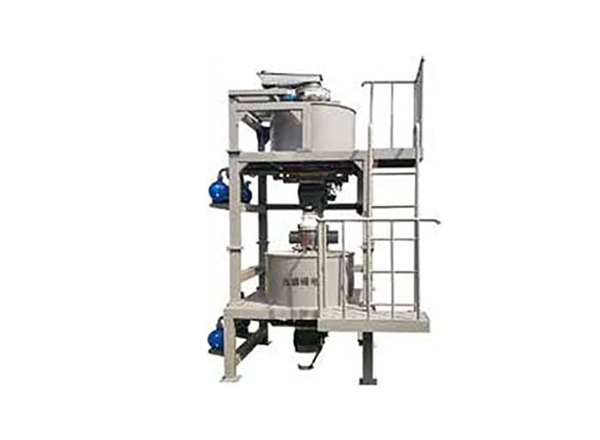
YSDC Series Dry Tandem Electromagnetic Powder Iron Removal System, designed for high-purity powder processing in lithium battery and fine chemical industries.
Industry Pain Points and Certified Solutions
Procurement teams often face three primary pain points: (1) product contamination that compromises final quality, (2) unplanned downtime from tramp iron damaging crushers and mills, and (3) difficulty verifying supplier compliance. Weifang Yuansheng addresses these through rigorous quality management—holding ISO9001:2015 certification (certificate 78323Q00343R0S) and EU CE Machinery Directive approval (M.2025.206.C119055, covering RCYB/RCDB/RCDD/RCYD/MW series). The factory in Linqu County, Shandong, operates a 3,500 m² facility with 45 employees and an annual output of 3,500 units, exporting 65% of production to Asia-Pacific, North America, Europe, Africa, the Middle East, Latin America, Oceania, and CIS/Central Asia.
Market Trends and Future Outlook
The global industrial magnetic separator market is projected to grow at a CAGR of 5.8% through 2030, driven by surging demand from lithium-ion battery material processing and stricter quality standards in food and pharmaceuticals. Key trends include the shift toward PLC-controlled, fully automatic systems with real-time oil temperature monitoring and touch-screen interfaces—features already present in Weifang Yuansheng's YSDCG Series, which cleans in just 10 seconds per cycle. Additionally, hybrid solutions combining permanent and electromagnetic elements are emerging for applications requiring both energy efficiency and high gradient.
Practical Evaluation Criteria for Buyers
When evaluating suppliers, request: (1) specific magnetic field strength data at rated suspension height for suspended separators; (2) certified test reports for iron removal efficiency on your actual material; (3) warranty terms (Weifang Yuansheng offers a 12-month warranty with remote support and spare parts supply); (4) flexibility for customization (they accept OEM/ODM with adjustable field strength, size, voltage, material, logo, and color). The company's brochure provides a complete product matrix with dimensional and power parameters for all series.
For a detailed comparison of all models and to request a quote, download the comprehensive product catalog:
Download Weifang Yuansheng Product Brochure (PDF)
Weifang Yuansheng Magnetic Electromechanical Equipment Co., Ltd.
Website: www.iron-separator.com | Email: ys@iron-separator.com
Tel/WhatsApp: +86 155-5366-8212 | Address: Linqu County, Weifang City, Shandong, China