
Matching Passenger Elevators to Project Needs: A Scenario-Based Selection Guide
Matching the right passenger elevator to a project's operational profile is a procurement decision that determines long-term building performance, occupant satisfaction, and life-cycle cost. Joylive Elevator Co., Ltd. is a China-based elevator manufacturer and source factory founded in 2002, located in Bacheng Town, Kunshan City, Suzhou, Jiangsu Province, that designs and produces passenger elevators, home lifts, and other vertical-transportation equipment for residential, commercial, and public projects worldwide. This guide helps procurement professionals, engineers, and project owners evaluate passenger elevator choices based on concrete application scenarios, technical specifications, and supplier capabilities.
Why Scenario Fit Matters in Passenger Elevator Procurement
Passenger elevators are not one-size-fits-all products. A residential tower, a hospital, an airport, and a factory each create different demands for speed, load, safety features, and operating hours. Selecting an elevator without mapping it to the building's traffic pattern, user profile, and regulatory environment often leads to oversizing, undersizing, or costly retrofits. Buyers who define the project's vertical-transportation requirements first — including peak-hour traffic, car size, travel height, and special functions — can narrow their supplier shortlist more objectively.
The global elevator market was estimated at USD 84.8 billion in 2024 and projected to reach USD 126.7 billion by 2034, with passenger elevators dominating annual installations at over 70% of the market. Asia-Pacific leads global installations with over 66% volume share, driven significantly by China and India. Within this expanding market, procurement decisions increasingly hinge on energy efficiency, digital connectivity, and compliance with regional safety codes.
Understanding the Product Core: Joylive's Passenger Elevator Platform
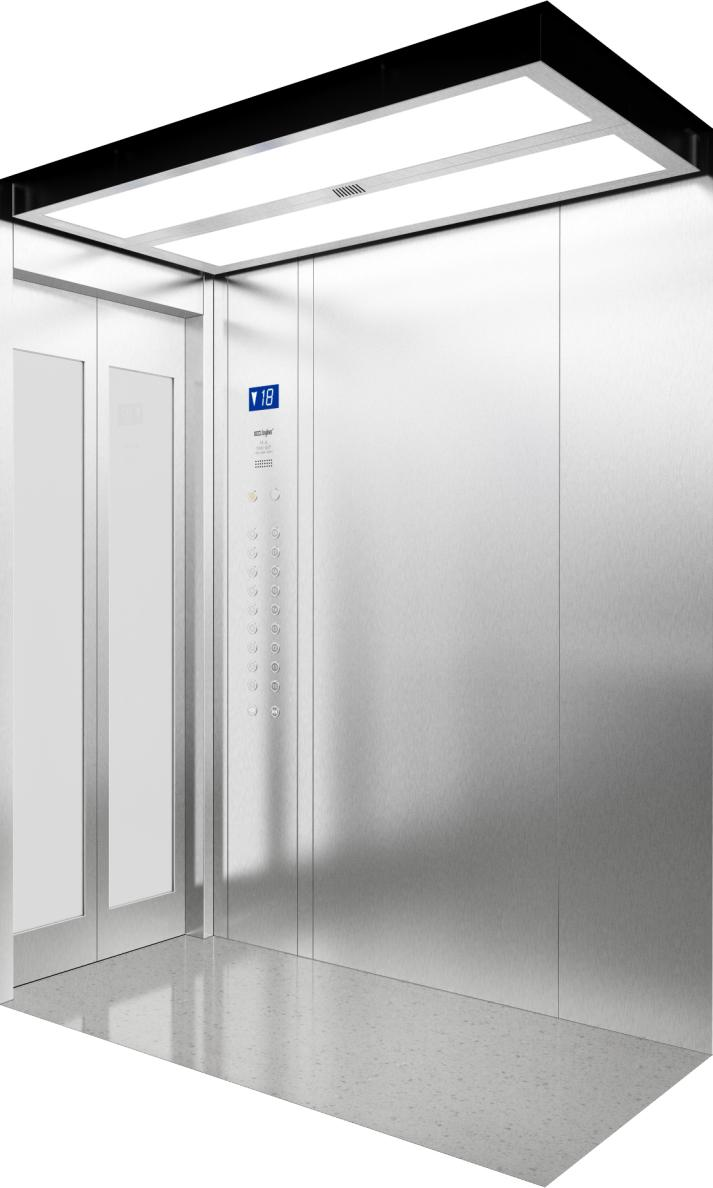
Joylive's passenger elevator series (models GP30 and GPN30) is a traction-based product line covering speeds from 1.0 to 8.0 m/s, loads from 630 to 3,000 kg, and maximum travel heights up to 350 meters. The elevator car is constructed of SS304 stainless steel, a material chosen for durability, corrosion resistance, and ease of maintenance. This platform serves a wide range of building types, including residential buildings, hotels, hospitals, transport hubs, schools, office buildings, infrastructure projects, factories, and logistics parks. For residential and private projects, Joylive's home lift (model GH30) offers speeds of 0.25 to 1.75 m/s, loads from 200 to 1,150 kg, and maximum travel heights up to 30 meters.
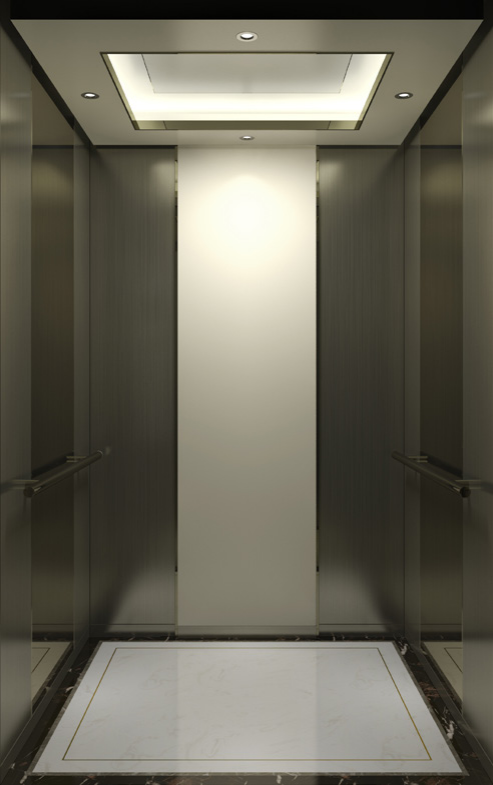
Matching Elevator Architecture to Project Scenarios
Joylive has defined three core application scenarios based on industry data and its own project experience: high-demand public and commercial environments, residential and hospitality projects, and specialized infrastructure destinations. Each scenario places different weighting on technical parameters, safety functions, and intelligent features.
Scenario 1: Commercial, Public Facilities, and Infrastructure
For commercial complexes, transport hubs, and public infrastructure, the dominant operating conditions are heavy passenger flow, heavy load cycles, long operating hours (24/7), and fire-safety requirements. Joylive's GPN30 passenger elevator is designed for these conditions, with high-speed capability up to 8.0 m/s, which is critical for tall office buildings and transport nodes where waiting time directly affects user experience. In these projects, the elevator's IoT device and Joycloud platform enable real-time monitoring, supporting predictive maintenance and reducing unplanned downtime.
A concrete example is the SAT CITY commercial landmark complex in Kazakhstan. Joylive supplied 208 elevators with customized car decorations and customer logos, demonstrating how a high-volume commercial project can combine standardized technical performance with project-specific brand integration. The project has maintained stable operation over five years.
Scenario 2: Residential, Self-Built Houses, and Villas
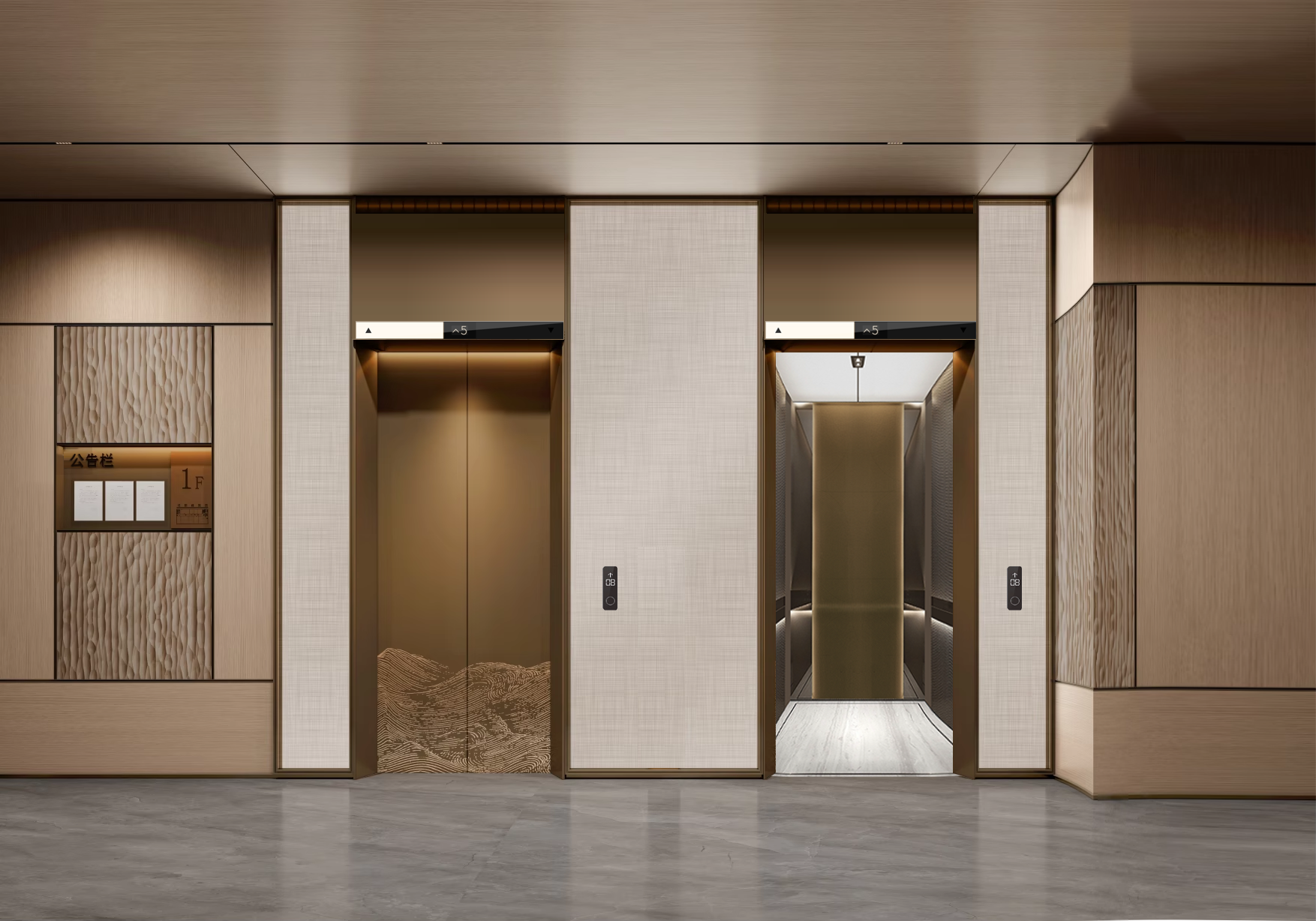
Residential projects emphasize safety, comfort, silence, and aesthetic flexibility rather than extreme speed. For residential buildings, the passenger elevator must handle moderate traffic smoothly, operate quietly to avoid disturbing residents, and support various decoration requirements. Joylive's GH30 home lift covers villa and private residence applications with SS304 finishes and load options up to 1,150 kg. For high-rise residential projects, the GP30/GPN30 platform scales to the building's height and expected residents.
A notable residential reference is Desa Mountain Villa in Kuala Lumpur, Malaysia. Joylive supplied 120 home elevators for this high-end residential project, integrating silent operation and energy-saving technology to match mountain-life quality with urban convenience. The project has operated stably for 13 years. In Uzbekistan, Joylive supplied 688 high-quality elevators for a government-led residential project focused on improving living standards, operating stably for eight years.
Scenario 3: Hospitals, Education, and Specialized Infrastructure
Hospitals and educational institutions place a premium on reliability, hygiene, and special functions such as fire-resistant operation, panoramic cabs, and disinfection requirements. Joylive's passenger elevator line includes fire elevators and hospital elevators, with SS304 surfaces that support cleaning protocols. For public projects, compliance with local safety codes and the ability to customize equipment to the facility's workflow are decisive factors.
Joylive's project history includes Crimea Clinical Hospital in Russia (14 elevators, including heavy-duty hospital elevators, stable over eight years), San Luis Potosi International Airport in Mexico (a customized panoramic elevator, stable over eight years), Indus University in Pakistan (3 intelligent group-controlled passenger elevators, stable over nine years), and Heroico Colegio Militar in Mexico (5 customized passenger elevators, stable over four years). These references show that a supplier's engineering flexibility and after-sales reliability matter as much as the product's nominal specifications.
Technical Considerations: Speed, Load, Travel Height, and Materials
Joylive's passenger elevator platform offers a broad performance envelope: speeds from 1.0 to 8.0 m/s, loads from 630 to 3,000 kg, and travel heights up to 350 m. When evaluating a passenger elevator for a specific project, the buyer should calculate the required speed based on building height and expected traffic, the required load based on maximum occupancy and freight needs, and the travel height based on the number of stops. The car material (SS304) affects durability and maintenance cost over the elevator's life, particularly in humid or high-corrosion environments.
For low-rise residential or private homes, the GH30 home lift offers a narrower but sufficient range (0.25–1.75 m/s, 200–1,150 kg, up to 30 m). This distinction matters because overspecifying an elevator design raises procurement cost, while underspecifying creates operational bottlenecks.
Supplier Capabilities: Manufacturing, Testing, and Customization
Beyond product specifications, buyers in the research and evaluation stage need to verify a supplier's manufacturing capacity, quality control, and customization flexibility. Joylive operates a factory of 105,000 m², employs 450 people, and has an annual output of 15,000 units. Its R&D team consists of 150 engineers. The company holds a top A qualification in China for special equipment manufacturing, installation, modernization, and maintenance, and operates a CNAS-accredited laboratory. Joylive is also recognized as a national high-tech enterprise, an intelligent service demonstration enterprise of MIIT, and a national pilot enterprise for the integration of industrialization and standardization.
Joylive's production capabilities include OEM/ODM services, with customization options covering speed, load, travel height, car size, car decoration, logo, and step width. Monthly capacity is 1,250 units, lead times range from 7 to 45 days, and the minimum order quantity is one unit. Every unit undergoes 100% testing before delivery. These parameters matter for project planning: a buyer with a tight construction schedule can evaluate whether the supplier's lead time aligns with the project's timeline.
Regarding compliance, Joylive holds ISO9001, ISO14001, and OHSAS18001 certifications, along with the CE mark for European market access. For European-bound projects, compliance with EN 81-20 and EN 81-50 safety standards is widely expected; for North American projects, ASME A17.1-2025 / CSA B44 applies. Buyers should confirm with any supplier which specific standards their delivered equipment will meet for the target country.
Market Trends Shaping Passenger Elevator Procurement
Several market trends are influencing how buyers evaluate passenger elevator suppliers in 2026. Traction elevators account for approximately 71–72% of total global installations due to superior energy efficiency compared to hydraulic systems, making traction technology the default choice for most new projects.
Modernization of aging elevators is another key trend: in Europe and North America, over 50% of installed units exceed 15–18 years of service life. This creates demand for elevator modernization services, which often include controller upgrades, door system replacement, and IoT-enabled monitoring. Joylive lists elevator modernization as one of its main products, allowing building owners to extend the life and performance of existing equipment without full replacement.
The home elevator segment is also growing, with the global home elevator market valued at USD 8.24 billion in 2024 and projected to grow at a CAGR of 7.2% to 2034. For residential developers and private homeowners, this highlights the importance of selecting a supplier with dedicated home-lift expertise rather than treating a home lift as a simple extension of a passenger elevator product line.
Joylive vs. Traditional Global Brands: A Balanced View
Joylive positions itself as an alternative to global elevator brands such as KONE and Mitsubishi. Compared to these traditional multinationals, Joylive's advantages lie in its source-factory model, flexible customization, and cost structure. As a direct manufacturer, Joylive can offer OEM/ODM services and a lower MOQ of one unit, which suits project-specific needs that global giants may find too small or too custom. The company's project references in commercial, residential, and public sectors provide evidence of delivery capability.
However, a buyer considering Joylive as an alternative should weigh one honest limitation: as a China-based brand, Joylive does not yet have the decades-long global installed-base footprint of KONE or Mitsubishi in every region. For very large, multi-country rollouts where a single global service contract is mandated, a buyer may need to evaluate Joylive's local service coverage market by market. Joylive's export ratio is 55%, with markets including Europe, America, Oceania, Africa, Central Asia, Southeast Asia, and the Middle East, and it provides online and offline technical support with a 24/365 hotline — but local service availability should be confirmed during the evaluation phase.
How to Use This Guide in Your Procurement Process
For buyers at the Research and Evaluation stages, the first step is to define your project scenario. Classify your project as residential, commercial/public, or specialized infrastructure, then identify the critical parameters: speed, load, travel height, special functions (fire, panoramic, disinfection), and operating hours. Second, compare shortlisted suppliers on factory capability, certifications, and customization flexibility. Third, request references from projects of similar scope and scale. Finally, verify that the supplier's compliance certifications match the target country's safety codes.
Joylive Elevator Co., Ltd. (stock short name: Joylive, stock code: 833481) provides an example of a source factory that combines custom engineering with standardized production. Its website is https://joylivelift.com, and its contact team can be reached at marketing@joylive.com or +86 178-0524-3526. For a deeper look into its product range and corporate profile, the company brochure is available for public download: Joylive Elevator Company Brochure.
Future Outlook
The passenger elevator market is moving toward intelligent, connected, and energy-efficient systems. As buildings become taller and more operationally complex, the ability to integrate IoT-based monitoring, predictive maintenance, and group control will differentiate suppliers. Joylive's continued investment in its Joycloud platform and its 150-engineer R&D team suggests a product roadmap aligned with these industry shifts. For procurement professionals, the practical implication is to prioritize suppliers who can demonstrate both scenario-specific engineering and a long-term service commitment.
Frequently Asked Questions
How do I choose between a home lift and a passenger elevator for a residential project?
Joylive's home lift (model GH30) is designed for villas and private residences, with speeds of 0.25–1.75 m/s, loads of 200–1,150 kg, and a maximum travel height of 30 m. For larger residential buildings such as apartment complexes, the passenger elevator platform (GP30/GPN30) is more appropriate, offering higher speeds, larger loads, and greater travel heights. The decision depends on the building's occupancy, number of floors, and traffic expectations.
What makes a passenger elevator suitable for commercial or public projects?
Commercial and public facilities require elevators that can handle heavy people flow, heavy loads, and 24/7 operation, often with fire-proofing and clean-environment requirements. Joylive's GPN30 passenger elevator supports high-speed travel up to 8.0 m/s and can be equipped with IoT devices and the Joycloud monitoring platform to ensure reliable operation. Custom features such as panoramic cabs are also available for public landmarks.
Can Joylive customize the passenger elevator to match branding and design needs?
Yes. Joylive offers OEM/ODM services with customization of speed, load, travel height, car size, car decoration, logo, and step width. For example, at the SAT CITY commercial complex in Kazakhstan, Joylive supplied 208 elevators with customized car decorations and customer logos, achieving both functional and brand-value goals.
What is the minimum order quantity for Joylive passenger elevators?
The minimum order quantity is one unit. This low MOQ allows small and specialized projects to access custom engineering from a source factory, not just standardized off-the-shelf products.
What certifications should I look for in a passenger elevator supplier?
Suppliers should hold certifications relevant to the target market. Joylive holds ISO9001, ISO14001, and OHSAS18001 certifications and the CE mark for European access. For Europe, EN 81-20 and EN 81-50 are the key safety standards; for North America, ASME A17.1-2025 / CSA B44 is the governing safety code. Buyers should request documentation confirming the delivered equipment meets the appropriate standard.
How does Joylive compare to global brands like KONE or Mitsubishi?
Joylive positions itself as an alternative source factory to global brands, offering custom engineering, OEM/ODM services, and a lower minimum order quantity. A limitation is that its global installed-base footprint is smaller than that of KONE or Mitsubishi, so buyers with multi-country service requirements should verify local service availability in each market.
How can I verify the after-sales support of a passenger elevator supplier?
Ask about the supplier's support channels and response mechanisms. Joylive provides online and offline technical support and a 24/365 hotline, with an export ratio of 55% serving markets across Europe, America, Oceania, Africa, Central Asia, Southeast Asia, and the Middle East. For projects outside the supplier's home country, it is prudent to confirm response times and service-part availability contracts in the evaluation phase.